The $915 Email That Made Me Rebuild Our Website
A renewal notice wanted nine hundred dollars before I'd even decided to stay. So I built the answer myself — and it's the same instinct I bring to your event.
Read Article →Expert tips on event photography, corporate video production, and creating visual content that actually works for your NYC business.
Browse by topic: Event Coverage · Headshots & Brand Videos · Personal Branding & Launches · Decision/Pricing
A renewal notice wanted nine hundred dollars before I'd even decided to stay. So I built the answer myself — and it's the same instinct I bring to your event.
Read Article →
The camera became the default. It shouldn't be — at least not for two people. Why voice calls build trust faster than Zoom does for most one-on-ones.
Read Article →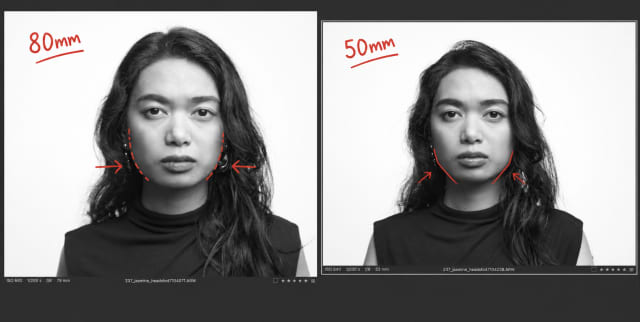
A passport photo, two focal lengths, and a small professional adjustment that made one of them look like her. Why face shape changes the lens choice.
Read Article →
The most useful thing AI did on my last shoot took 20 minutes to build and got taped to a light stand. What happened when guests actually used it.
Read Article →
A client asks for a highlight video, and somewhere in that conversation the word "vertical" comes up. Maybe it's going on Instagram, maybe LinkedIn wants a square-ish crop, maybe nobody's decided.
Read Article →
Booking the headshot station is the easy part. A crew and a backdrop show up, get set up in the space you paid for, and stand ready for the day, and none of that guarantees anyone actually steps.
Read Article →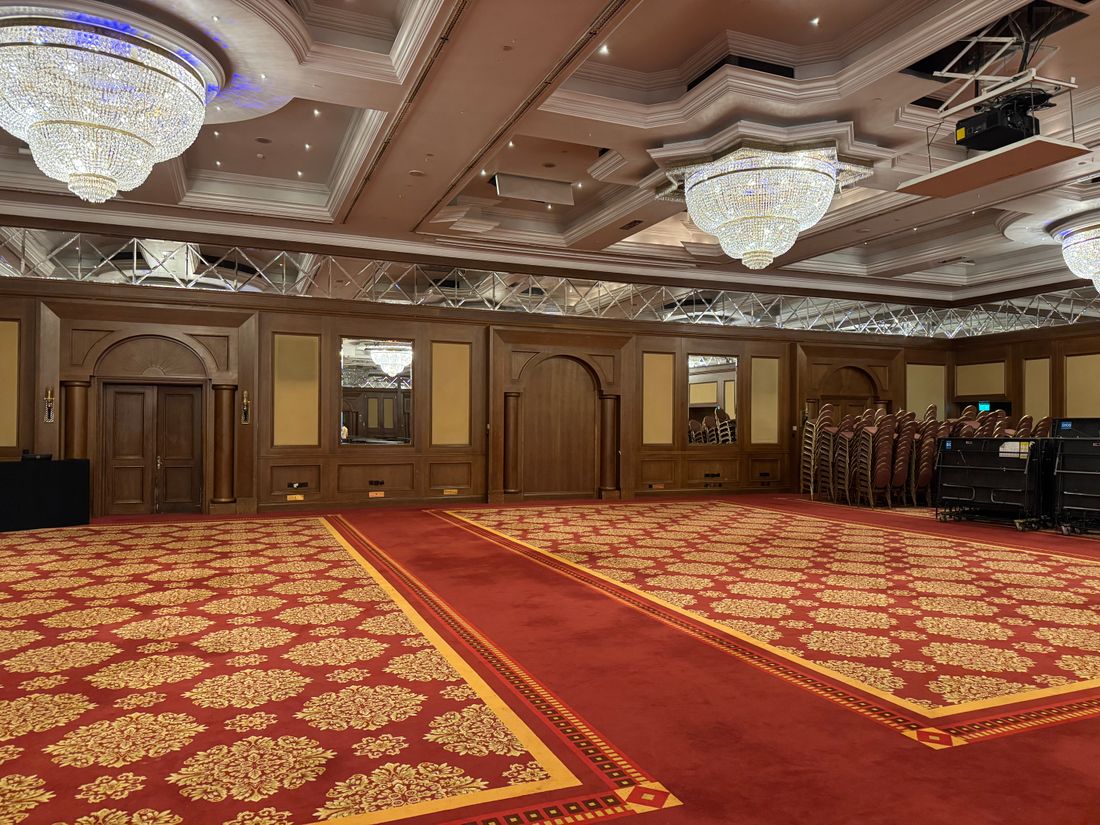
"Coverage" gets used in almost every event photography quote as if everyone already agrees on what it means. It doesn't mean a person standing in a room with a camera for however long the party runs.
Read Article →
A staffing agency and a retained executive search firm both sell people, and both put their recruiters' faces on a website. That is roughly where the resemblance ends.
Read Article →
Nobody has announced anything, and that is the whole problem. The person being groomed to eventually run the family business needs to be publicly credible now, while the current principal is still.
Read Article →
Here's what an NYC event videography package actually includes, the tiers vendors sell, and the market price bands corporate buyers should expect in 2026.
Read Article →
Choosing photography vs. videography for business content works best when you start from where each asset will live, not the event itself. Here's the framework.
Read Article →
A five-office headshot rollout isn't a single-office shoot multiplied by five.
Read Article →
A client budgets for the photographer, maybe a city permit if the shoot spills onto a sidewalk, and assumes that covers it.
Read Article →
Ask a client to define who's in the room at their developer meetup, and the honest answer is usually: mostly people who don't work here and aren't buying anything.
Read Article →
A hybrid shooter and a two-person crew often quote at a similar number for the same event, which makes the decision feel like a coin flip. It isn't.
Read Article →
Most people who reach the point of knowing they need both photo and video skip straight to comparing photographers against videographers, as if that's still the open question. It isn't.
Read Article →
A headshot station built for one trade show and a headshot station built to tour are not the same project, even when the equipment list looks identical on paper.
Read Article →
A product that got discontinued and is now coming back puts a company in an odd spot. Customers who remember it leaving are going to notice it's back before any announcement says so.
Read Article →
A customer or partner awards ceremony puts a different kind of guest in the room than most corporate events do.
Read Article →
A global company shoots a video in New York, then realizes half the intended audience reads a different language.
Read Article →
A lunch-and-learn is not a small town hall. It is a completely different kind of event, one that happens every month or even every other week, with a room of twenty to forty people, a single speaker.
Read Article →
A family business leadership page usually has a wider age range in it than a typical corporate team page, and that range is the point, not a problem to hide.
Read Article →
A company launching a new initiative often reaches for whoever is most senior to explain it on camera, when the person closest to the actual work usually reads as more credible.
Read Article →
Two vendors quoting the same event separately almost never add up the way it looks on the invoice, because each one is charging its own travel fee and its own setup time for covering the identical.
Read Article →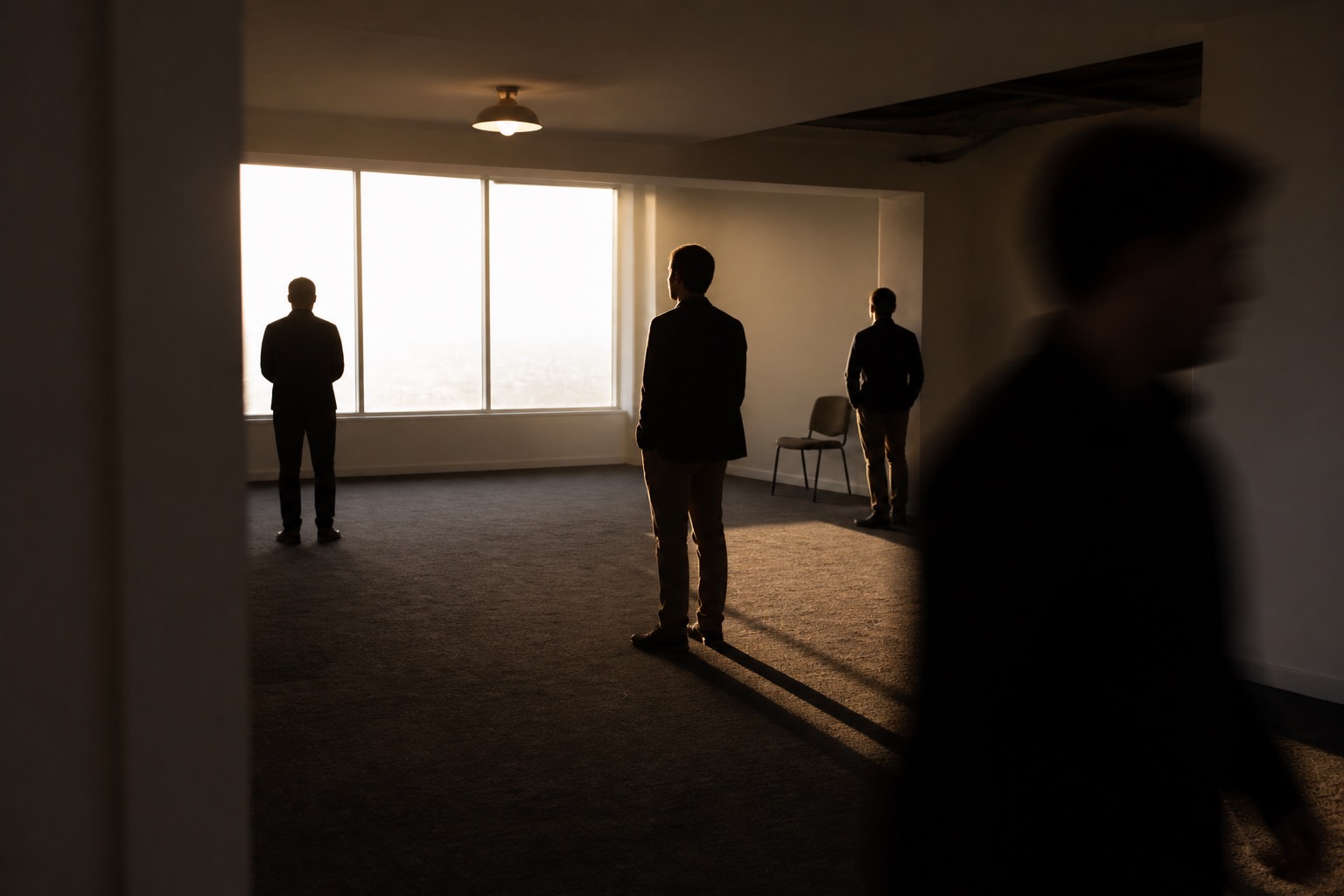
A founder stepping back to executive chairman doesn't disappear from view the way a retiring executive does.
Read Article →
A corporation sending forty employees to pack meal kits for an afternoon is one kind of shoot. A nonprofit teaching sixty new volunteers how to run its own program, on a Tuesday morning nobody.
Read Article →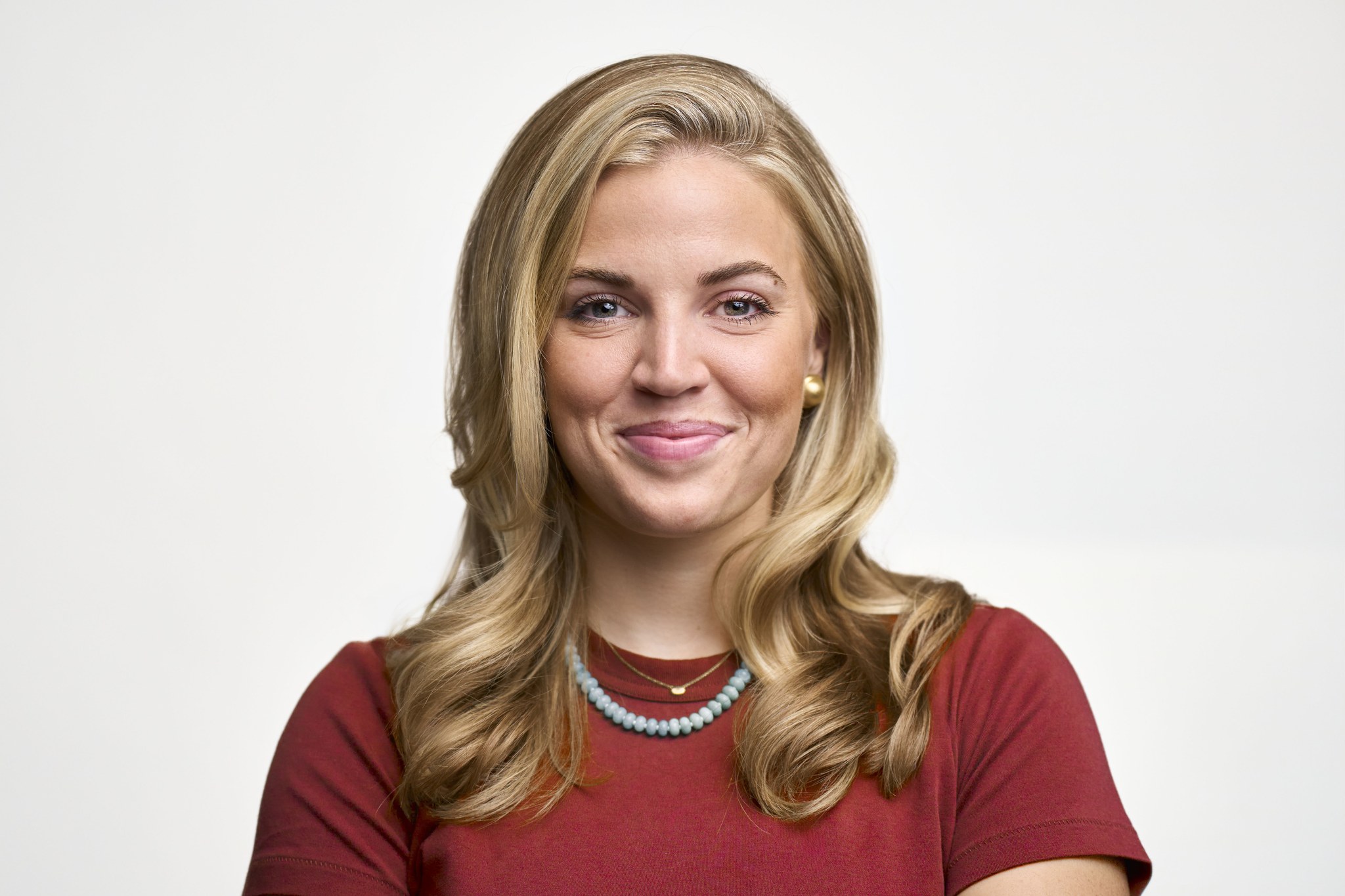
A company that builds a surgical scheduling platform and a company that manufactures a wearable glucose monitor both end up needing team headshots, and both keep reaching for the wrong reference.
Read Article →
Every employee advocacy program launches the same way: a tool, a policy, and a request for employees to start posting in their own voice.
Read Article →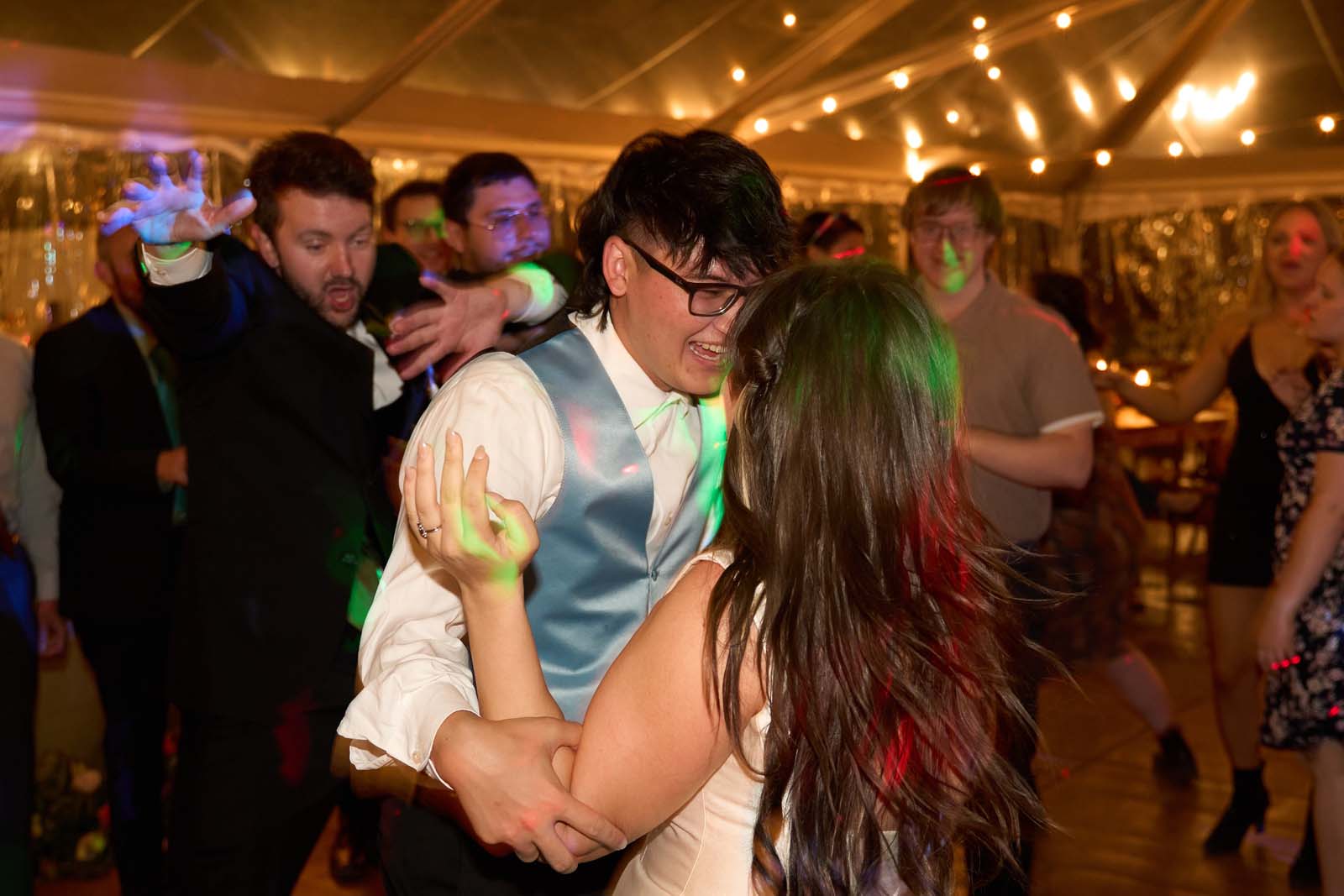
Every venue walkthrough for a December party ends with the same question: can you actually get good photos in here.
Read Article →
A planner emails asking what a holiday party photographer costs, and the honest answer isn't a range pulled out of the air.
Read Article →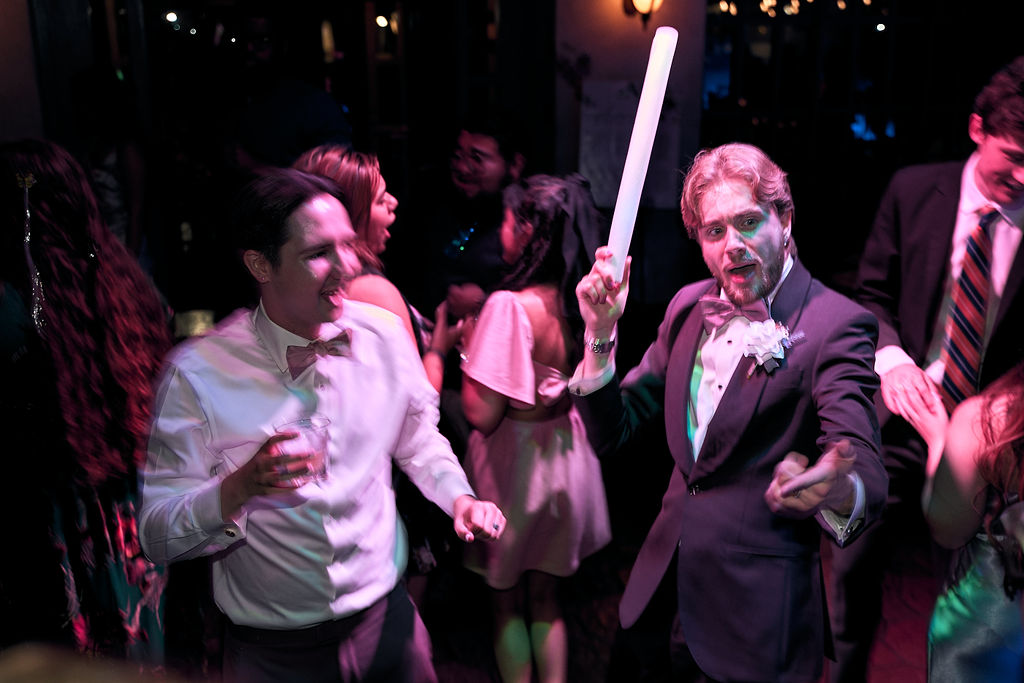
Somewhere between the holiday party and the first Monday back in January, someone on the HR or comms team gets handed the raw footage and a deadline: turn this into something the whole company can.
Read Article →A branded backdrop shows up on almost every holiday party proposal as a single add-on line, usually without much explanation of what it actually does.
Read Article →A company planning its January kickoff shoot usually isn't competing against a packed calendar. It's competing against its own attention, six weeks early, while every ounce of that attention is going.
Read Article →Every company plans to update its team headshots every year, and then the year happens and nobody booked it.
Read Article →
Every December, a specific kind of urgency shows up in our inbox that has nothing to do with the holidays themselves.
Read Article →
By December, most companies filming their town hall have already made the harder call — the coverage is booked, the crew has a call time, and nobody's debating whether this meeting is worth pointing.
Read Article →
The shot list doesn't change when an event goes under NDA. The crew size doesn't change. The hours booked don't change.
Read Article →
A private jet's cabin never actually appears in a charter operator's headshot set, and that's not an accident.
Read Article →
An employee recognition wall unveiling is not a gala. It is usually twenty quiet minutes in a hallway, a small group of coworkers, and a wall that has to look good for years after everyone.
Read Article →
A university's faculty headshot program and its administration portraits often get commissioned as the same job, shot by the same photographer on the same afternoon, and it isn't until a strategic.
Read Article →
Buyers ask for "fast" and mean two very different things. One is a gallery landing in your inbox the same night, which is a delivery window.
Read Article →
A founder's content problem is basically a documentation problem: shoot the launch, shoot the team, shoot the product taking shape. A startup advisor doesn't get any of that.
Read Article →
A data center or cloud infrastructure company sells reliability to buyers who almost never meet the people behind it.
Read Article →
An annual partner meeting doesn't run like one event. It runs like two, stitched together on the same calendar day: a closed governance half where the firm reviews compensation, strategy, or a merger.
Read Article →
A talent agency does not need one great portrait. It needs the same portrait made three hundred times, for three hundred different faces, in a way that still lets each person read as themselves.
Read Article →
A client asks for captions on a delivered video and expects it to be a checkbox, not a line item. It is closer to a second pass on the file than a toggle.
Read Article →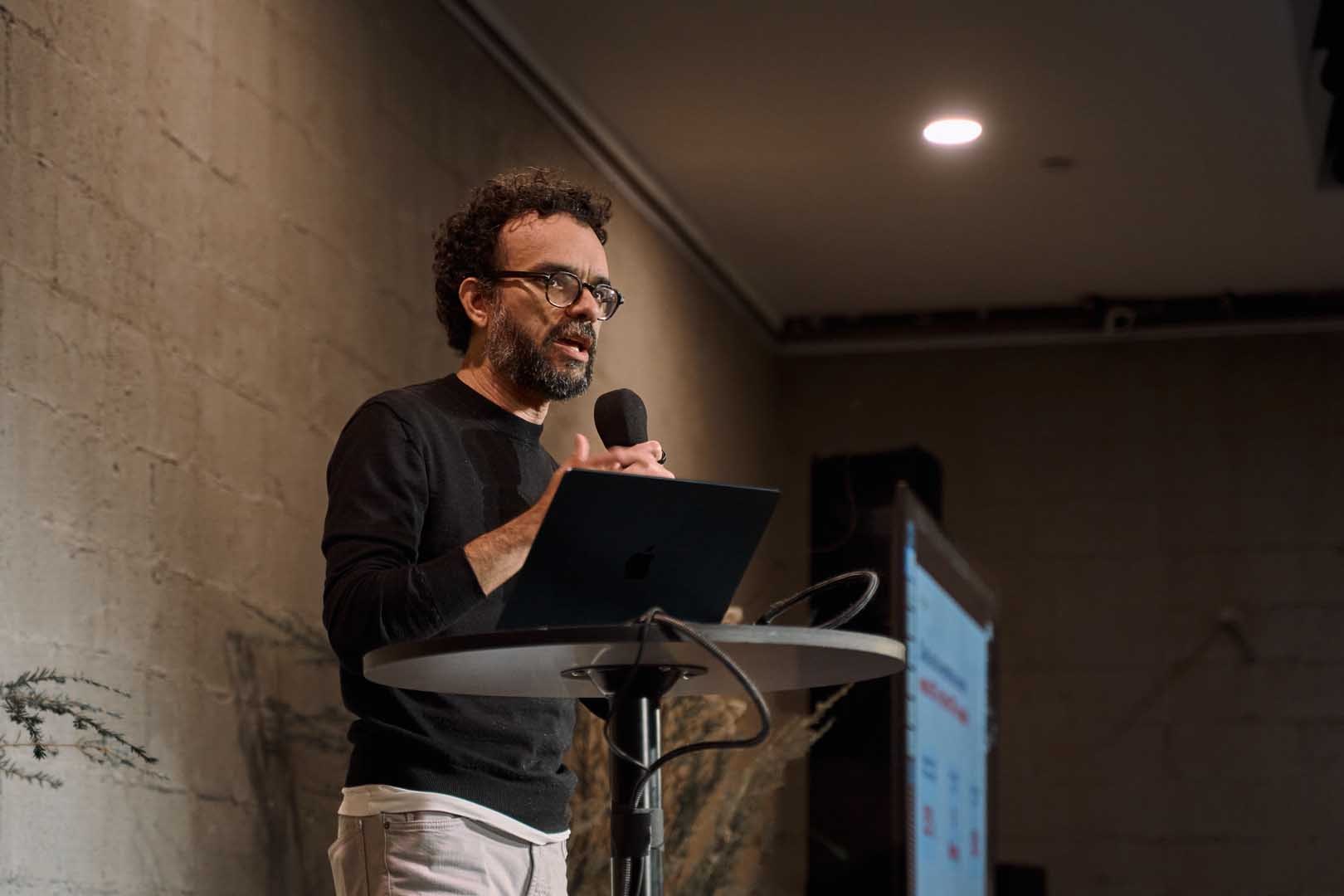
An AI researcher's work gets noticed before their public presence ever does. Then a journalist emails, a conference wants a talk, a podcast wants an hour, and there's no portrait, no clip, nothing.
Read Article →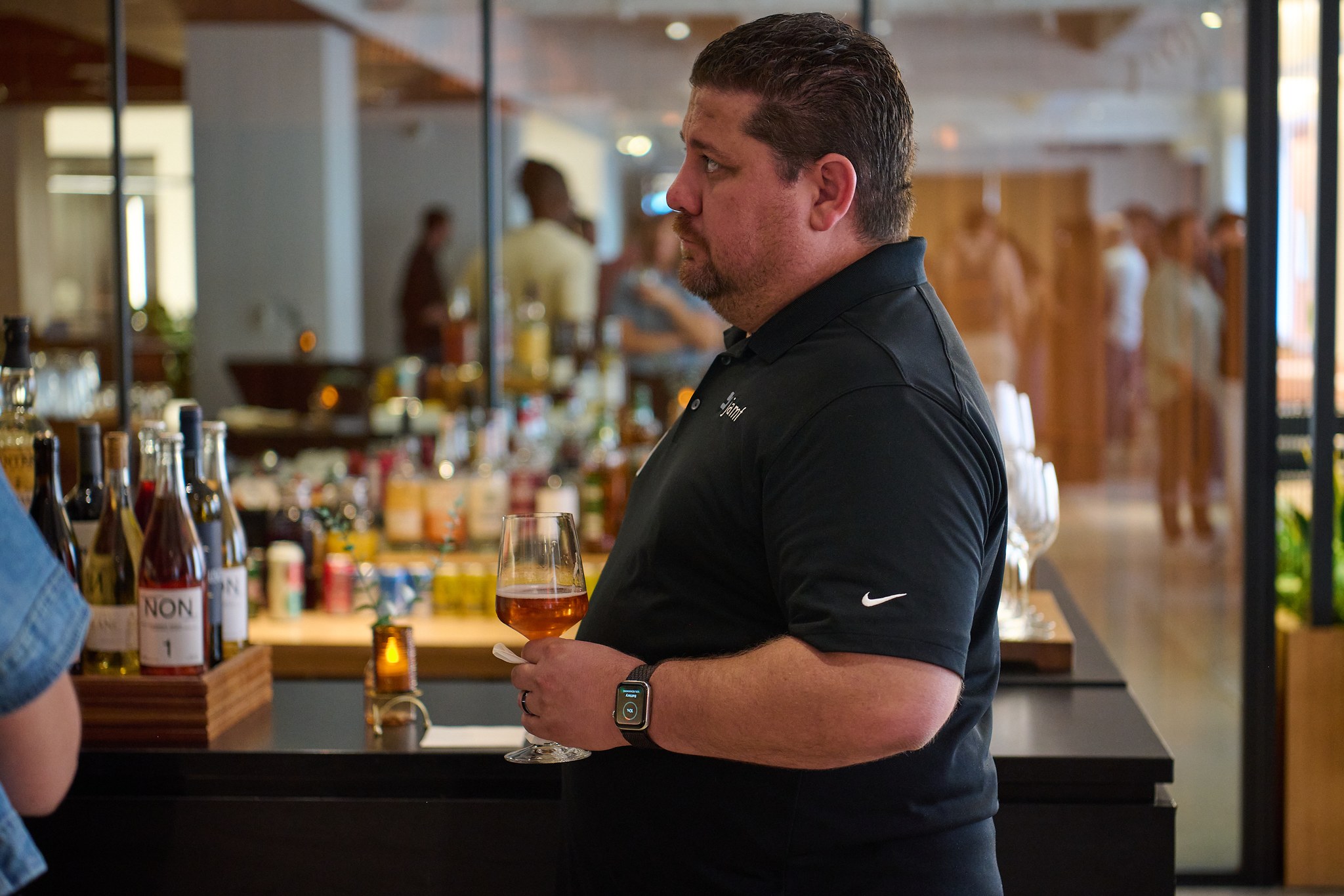
A regional sales meeting isn't one event with two agenda items. It's two different shoots wearing the same lanyard: a working, candid register during the training days, and a formal.
Read Article →
A general contractor's business-development lead and a boutique design studio's principal are both getting photographed for a company website, and neither should get the other's headshot.
Read Article →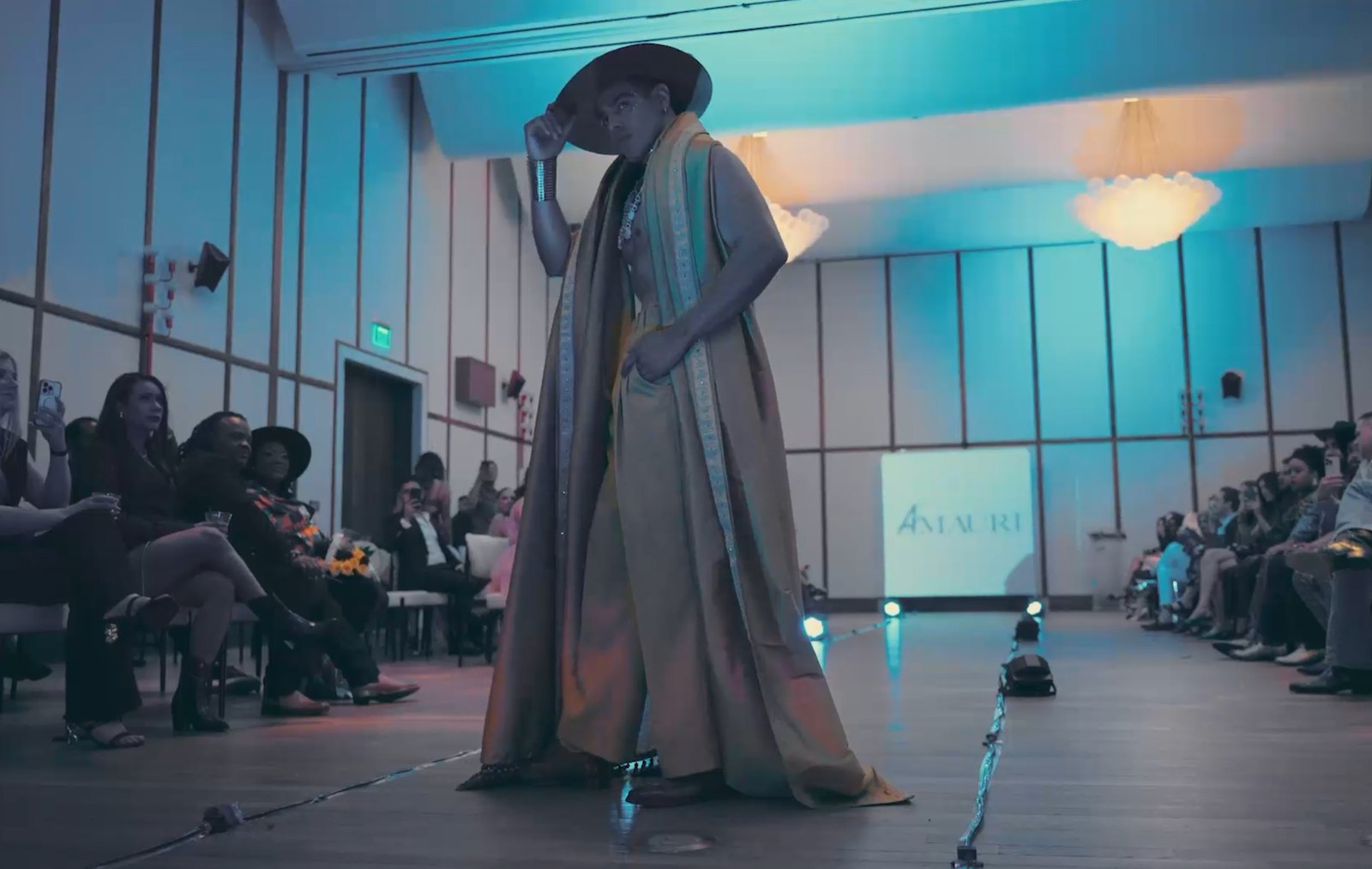
A finished recap video gets approved, the client asks to run it as a paid ad next quarter, and suddenly the track underneath it needs a different kind of permission than the one it shipped with.
Read Article →
Somebody just got handed a division, a product line, or a region that didn't exist on the org chart last quarter, and now they need to look like they're already running something real.
Read Article →
Every company we've worked with eventually books the same kind of session: five to twelve executives in a room for a day, working through next year's plan on a whiteboard instead of a stage.
Read Article →
Getting named to a "40 Under 40" or a similar industry list is flattering and mostly out of your hands.
Read Article →
The last day of a summer internship program usually isn't a ceremony. It's a room full of laptops, poster boards, and interns explaining their own work out loud for maybe the first time to someone.
Read Article →
A reporter calls, asks three questions, and quotes you by name in a story that goes out to more people than you've met in your career. That's the trigger.
Read Article →
A regulatory approval doesn't land on a press release first. It lands in a room, usually a small one, with people who have been waiting years to hear a specific sentence read out loud.
Read Article →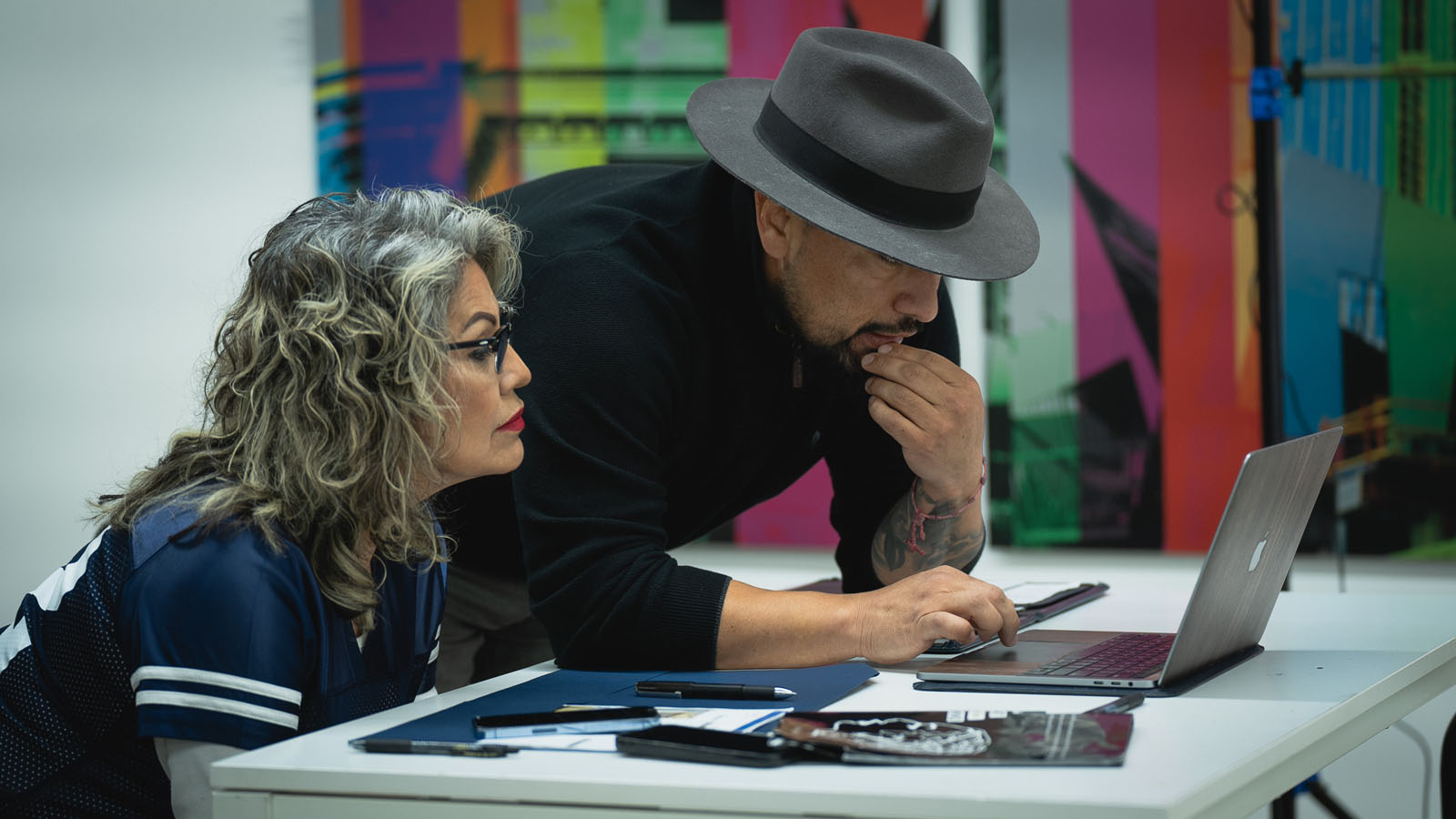
Two companies are launching one thing together, a product, a partnership, a collaboration, and both are still separate companies with their own comms teams tomorrow.
Read Article →
A visiting international delegation is not a recurring event on the calendar. It's a specific afternoon, and once it's over, whatever got documented is what the visit becomes for everyone who wasn't.
Read Article →
Someone planning an outdoor event in New York almost always asks the same question first: how much is the permit going to cost.
Read Article →
A Chief Product Officer's LinkedIn feed usually looks like one of two things: silence, or a repost of the company's own launch announcement with a line of agreement on top.
Read Article →
Somewhere in the planning of almost every brand shoot, someone asks whether they need a stylist, and the honest answer is usually buried under a sales pitch either way.
Read Article →
A climate-tech or clean-energy company selling to a utility or a conservative enterprise buyer needs headshots that read as institutional and stable, not scrappy and consumer-facing .
Read Article →
Most corporate event coverage treats the host company as the star and everyone else as an attendee. A supplier summit inverts that: the host company built the whole day, but the people the camera.
Read Article →
There's a specific week that changes what a consultant's content has to do: the week the first hire's offer letter goes out.
Read Article →
A careers page and a services proposal both need headshots of the same people, and it's tempting to shoot them once and reuse the set everywhere. It doesn't work that way.
Read Article →
Every event we cover for a company that's been remote for years turns different once we ask one question: has this specific team ever actually been in the same room.
Read Article →
Some companies run their innovation lab open house once and call it done. The ones that get real mileage from the space run it every quarter, sometimes monthly, walking a fresh set of clients.
Read Article →
A donor makes a named gift, the nonprofit plans an unveiling, a photographer gets booked, and everyone assumes the photo question is handled. It isn't.
Read Article →
A museum staff page holds a strange mix of people: a curator writing for scholars, an educator greeting a school group, a development officer emailing a trustee, an executive director quoted.
Read Article →
Most companies moving offices book one shoot: the ribbon-cutting at the new address, with the tour and the first all-hands in the new space.
Read Article →
A planner asks for a Saturday date and half-expects the quote to come back higher than a Tuesday would. Sometimes it does.
Read Article →
A Chief Revenue Officer has spent a career selling — the product, the number, the story investors want to hear. Selling themselves is a different exercise, and most CROs have never had to do it.
Read Article →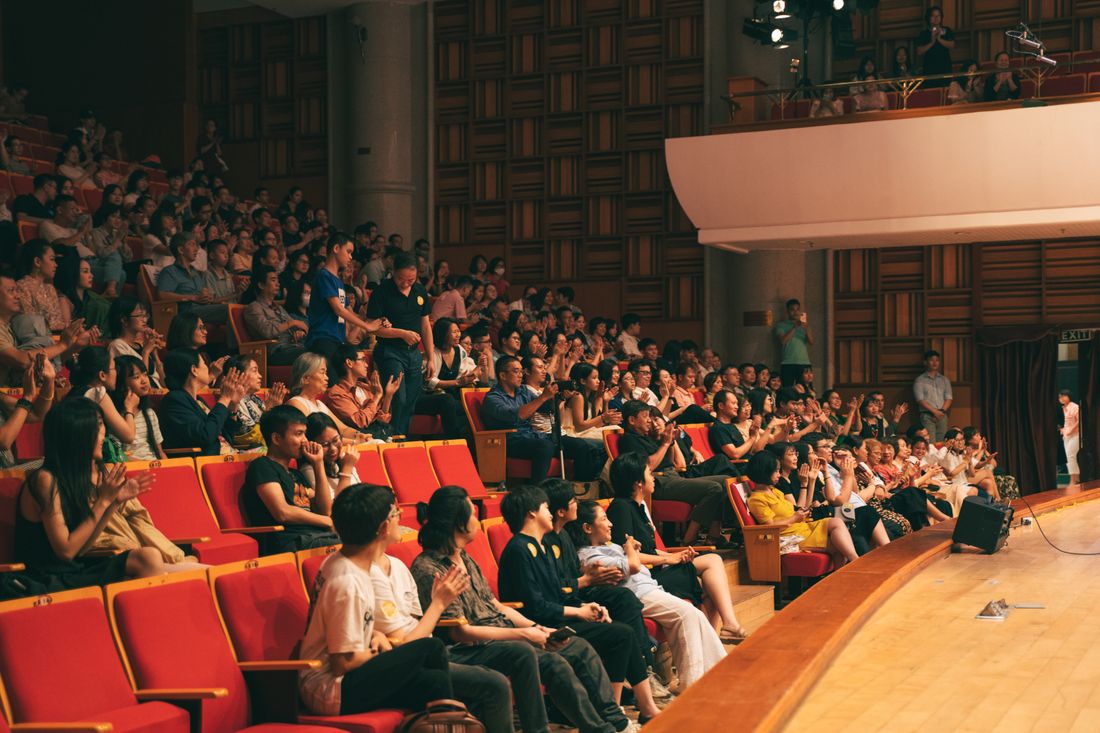
Most of the conference coverage advice out there assumes a company is a vendor working an aisle, trying to get strangers to stop at a booth.
Read Article →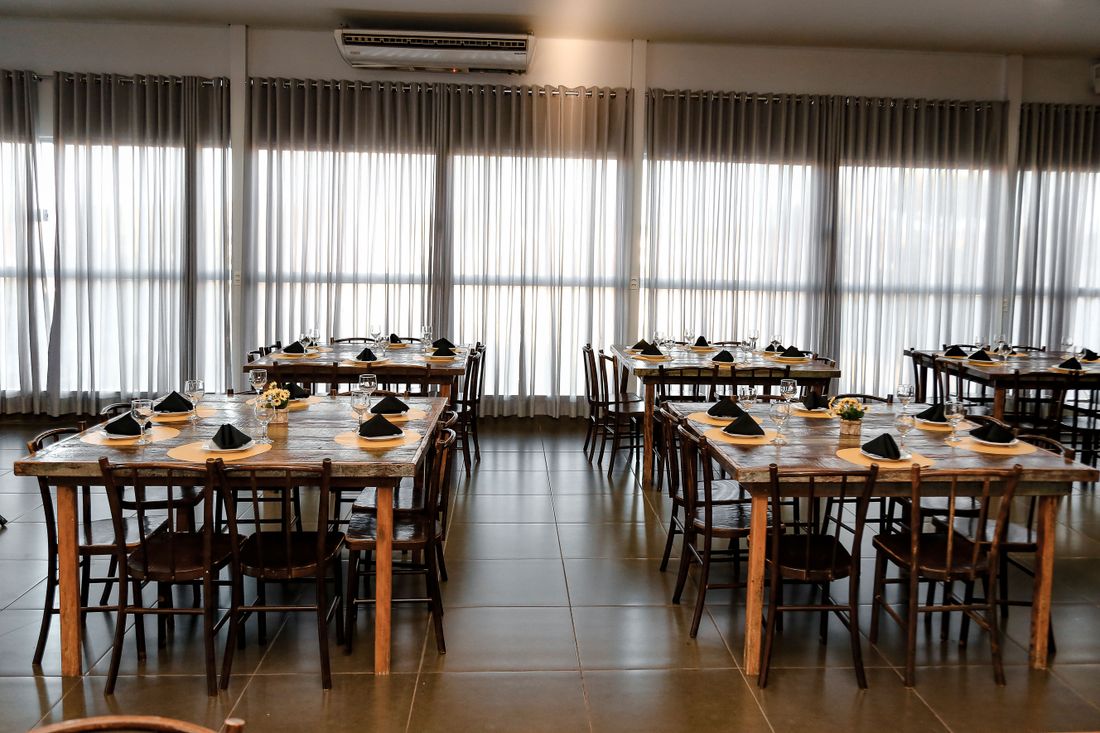
Somewhere in the middle of almost every event, someone finds the photographer and asks for a favor. Can you also grab a few shots of the check-in table, the new sign, the CEO's parents who just.
Read Article →
Most B2B software companies can get away with a slightly tired team page. A cybersecurity vendor can't, because the product it's actually selling is confidence.
Read Article →
A chief of staff's whole job description is invisibility. The role exists to make someone else look prepared, informed, and one step ahead, never to become the story itself.
Read Article →
A freight-moving operation sells trust the same way any B2B service does, and the account manager's headshot in an RFP response does as much of that selling as the pitch itself.
Read Article →
An internal innovation challenge looks, from the doorway, a lot like a demo day. Someone stands at the front of a room, a slide goes up, a panel watches and takes notes. The resemblance stops there.
Read Article →
An internal promotion at least starts with a photo on file, even a dated one. An external C-suite hire starts with nothing.
Read Article →
Most companies plan Employee Appreciation Week the way they'd plan a holiday party: pick a photographer, pick a call time, get a gallery back a week later.
Read Article →
Most people booking a headshot session assume they're choosing one look: plain background or environmental, studio or office. They're usually not choosing at all.
Read Article →
A corporate spin-off inherits almost everything a new company would want and almost none of what a new company actually needs. Real revenue. A staff that already knows the work.
Read Article →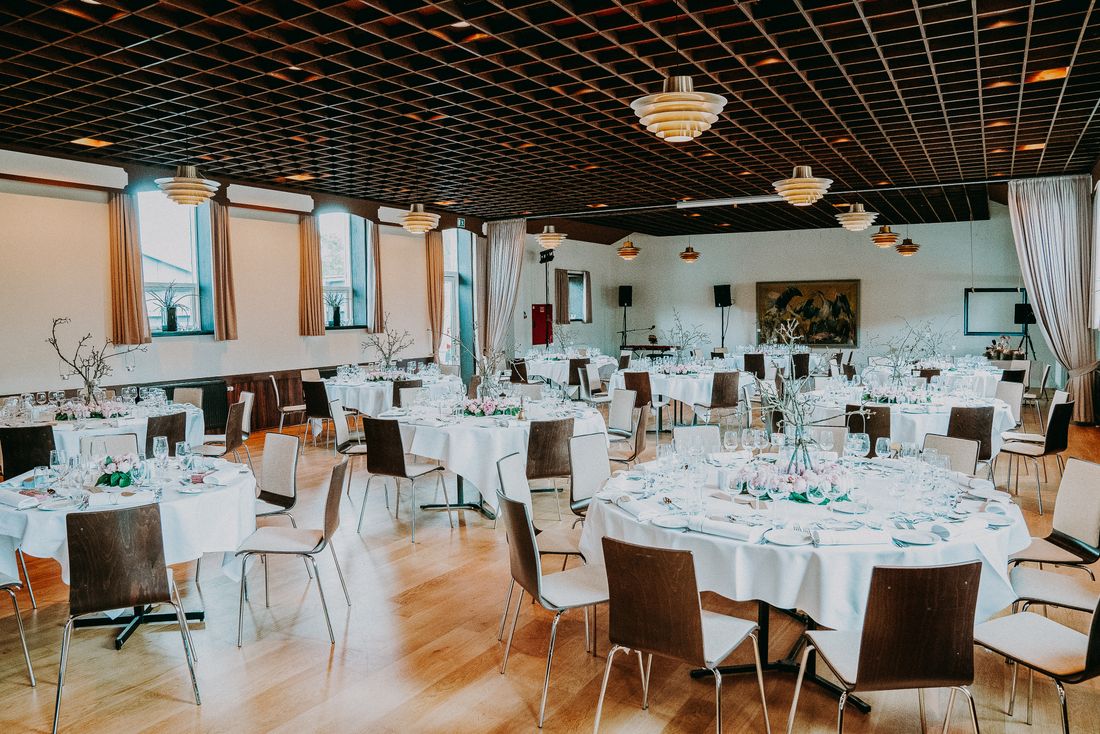
A donor breakfast gets planned by people who also plan the gala, and the habit carries over: book the photographer, hand over the same shot list, expect the same kind of images back.
Read Article →
A retired athlete moving into an executive role, an ownership stake, a front office job, a board seat, a founder title, doesn't step into a blank slate.
Read Article →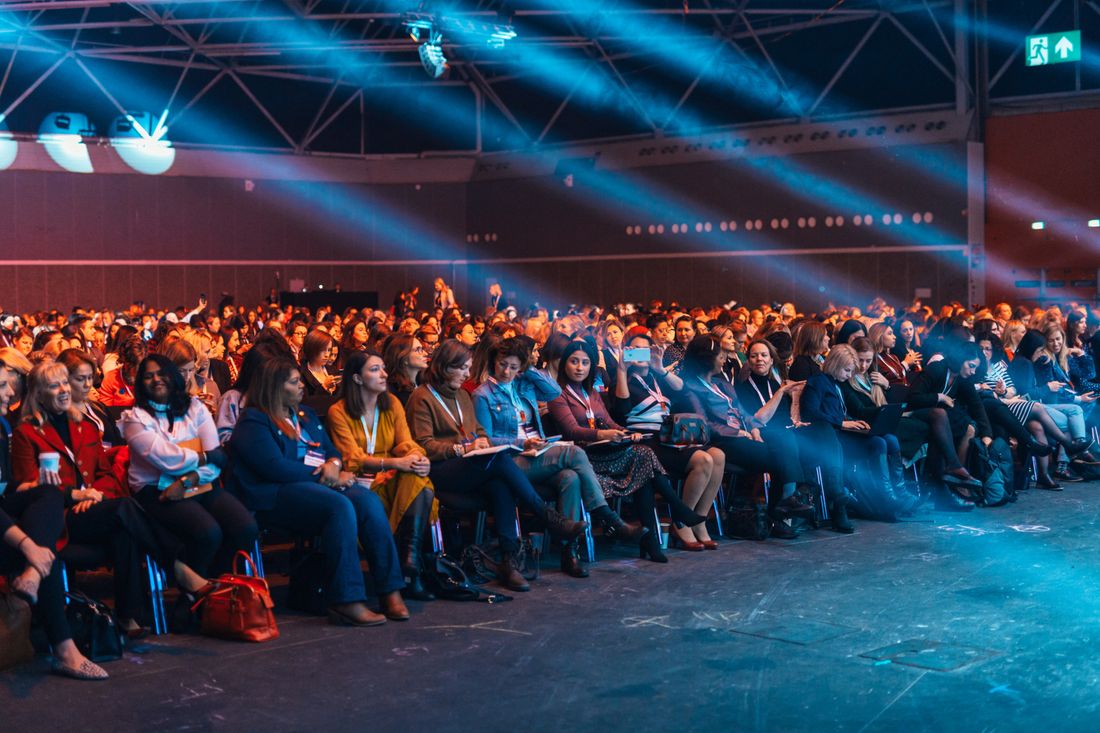
A trade association running its own annual conference isn't putting on a public event for outside press.
Read Article →
Property management and building operations headshots do a narrower job than most corporate photography: they exist to reassure a broker, a board, or a tenant who is judging a team they can't watch.
Read Article →
Ask a nonprofit development director when their organization's year starts and you'll rarely hear "January." Most run on a fiscal year tied to grants, membership cycles, or government funding.
Read Article →
Most personal-brand advice inside a company is built for the CEO or the founder, which is exactly why an in-house General Counsel gets skipped — until a panel organizer asks for a bio.
Read Article →
Company family day sounds like the easiest event on the corporate calendar to photograph, until the first child walks through the lobby and the shot list you planned for an adult-only office event.
Read Article →
A media company with six on-air hosts and a growing podcast slate eventually runs into the same small crisis: the show page looks like six different companies.
Read Article →
Sometimes a client doesn't just want the finished photos handled a certain way — they want to know we won't be shooting for whoever they consider a rival.
Read Article →
An operator's personal brand runs on a simple proof: I built this, and here is what it looks like when it works.
Read Article →
Booking photo and video coverage for a new-employee orientation program often starts from the same mental template as booking a single headshot day: pick a date, book a few hours, get portraits back.
Read Article →
Ask a company which executive needs a personal brand and the sustainability officer rarely comes up first.
Read Article →
A tenant amenity reveal isn't a party a landlord throws because a rooftop terrace finally finished construction.
Read Article →
A community manager's headshot does more work on a coworking team page than almost any other photo on the site, because that person is the one members actually deal with every day.
Read Article →
Compare two quotes side by side and it looks like a mistake: a two-hour testimonial interview priced close to an eight-hour event day. It isn't a mistake. The clock is measuring the wrong thing.
Read Article →
A new professional credential doesn't ask for a new personal brand. It asks for a narrower, more precise update, the specific words that describe what changed, placed in the handful of surfaces.
Read Article →
Most founder-content advice assumes someone who wants to be on camera.
Read Article →
A President's Club dinner looks like an awards show from the doorway: a stage, a microphone, a list of names about to be called.
Read Article →
Most personal-branding advice for creative people boils down to one line: show the work.
Read Article →
A campus career fair looks like one event with hundreds of students moving through it, but for the company paying for coverage it is really one table, worked for a few hours, that needs to look like a place worth applying to.
Read Article →
An executive coaching or leadership development firm sells a relationship, not a fixed deliverable, and its team headshots have to prove that before a single conversation happens.
Read Article →
Book an event photographer with two days to go and the first question isn't about price.
Read Article →
A Chief People Officer can spend years communicating inside the company and then suddenly need a public voice.
Read Article →
A corporate suite can look like a sports assignment from the outside, but the useful coverage is usually about the people hosting and being hosted.
Read Article →
Commercial real estate and REIT executive headshots have a slightly awkward job. They need to feel established enough for investors and lenders, approachable enough for tenants and partners.
Read Article →
Canceling a booked shoot is not the same as canceling a restaurant reservation. A date may already be blocked, planning may already be underway, and other work may have been turned away.
Read Article →
Ask a CMO who at the company most needs personal brand content, and they'll name someone else before it occurs to them it might be their own answer.
Read Article →
A listing day compresses a company's entire history into a few controlled minutes inside a room the company doesn't run and nobody has scouted.
Read Article →
A PR or communications agency sells other companies on how to look credible in front of a camera, a journalist, or a room full of reporters.
Read Article →
A photographer and a videographer are hired to point cameras at the right thing at the right time. Nobody is hired, by default, to make sure the right thing is happening at the right time.
Read Article →
An independent financial advisor starts every piece of marketing at a disadvantage a wirehouse advisor never thinks about: there's no recognizable firm name doing part of the work of being trusted.
Read Article →
A retirement or farewell event is two events happening in the same room: a celebration and a goodbye.
Read Article →
Here's a pattern I keep noticing in nonprofit communications: an organization spends real effort making the executive director visible before a capital campaign.
Read Article →
A portfolio company's annual meeting or an LP meeting isn't a scaled-down conference.
Read Article →
Half your team badges into the office two days a week. The other eight work from other states and show up on video calls with a bookshelf or a kitchen behind them.
Read Article →
Most fights between a client and a photo or video vendor trace back to something nobody wrote down, not the quality of the work.
Read Article →
A company that's added a CEO and a leadership bench but still looks like a one-person operation online has a content problem, not a branding problem.
Read Article →
The room that sees a product first is not the same room a public launch fills months later, and treating an internal reveal like a smaller version of demo day misses what that day actually needs.
Read Article →
A company hires eleven people over six months, and now someone has to get them photographed. That sounds like a small logistics problem, book a room, book a photographer, done in an afternoon.
Read Article →
Delivery feels like the finish line: the gallery link goes out, the invoice closes, everyone moves on.
Read Article →
Ask a talent agent or an artist manager what proves they're good at the job and most of them will start listing names, then stop themselves halfway through the sentence.
Read Article →
New office opening coverage in NYC means two shoots in one day: the party and the empty finished space, shot in that order for different audiences.
Read Article →
A facility tour for investors or a major client is one of the few shoots where the images have a specific job: getting into a deck that closes something.
Read Article →
Somebody asks me at least once a month whether it's time to redo their personal brand photos, and almost every time the real answer has nothing to do with how long ago the last session was.
Read Article →
A search firm's own website page gets read by people who spend their careers deciding whether someone looks ready for a bigger room.
Read Article →
A planner adding a second address to an event day almost always asks about mileage first. It's the wrong question.
Read Article →
A hospital-issued headshot is built to make one clinician look interchangeable with every other name on the directory page — same backdrop, same crop, same lighting.
Read Article →
A gala honoree gets about fifteen minutes that belong entirely to them — the greeting before dinner, the tribute video, the walk to the stage, the remarks, and the room reacting to someone it already.
Read Article →
Hotel management headshots need a different register than guest-facing lifestyle photos, and a schedule that works around a property that never closes.
Read Article →
A day rate hides call time, load-in, meal breaks, and crew count behind one number. Here's what to itemize before comparing two event quotes.
Read Article →
A professional speaker's brand video should work as a sales asset. How to plan the shoot, coverage, and refresh cadence that keep it booking work year-round.
Read Article →
What an AV and lighting crew hands off to photo and video at an event: stage wash, house lights, screen brightness, audio access, and standing zones.
Read Article →
What DoorDash, Uber Eats, and Grubhub actually require for menu photos, including their AI-enhanced vs. AI-generated rules, cited to each platform's own page.
Read Article →
A clear breakdown of what liquor bottle photography actually costs in NYC in 2026: pricing by scope, what moves the number, and what a finished set includes.
Read Article →
Most restaurants that call for photography are thinking about one dish, or one dining room, or one team photo they need for the website.
Read Article →
Fifteen years into a career, the reputation is already real. What's usually missing is anything current that shows it — and the first personal brand shoot for someone at this stage is a different job.
Read Article →
A photo that looks great on a restaurant's own website can quietly underperform the moment it lands on a delivery app.
Read Article →
A client advisory board meeting is a working session with a company's most senior clients, not a stage for a highlight reel. The coverage has to know the difference before the camera ever comes up.
Read Article →
A plated dish holds still. A cocktail doesn't. Between the pour and the shot, foam settles, ice starts to melt, condensation beads on the glass, and a garnish loses its snap, so a drinks shoot is.
Read Article →
A monthly retainer only makes sense if you actually have monthly content needs — not because it sounds more official than booking one shoot at a time.
Read Article →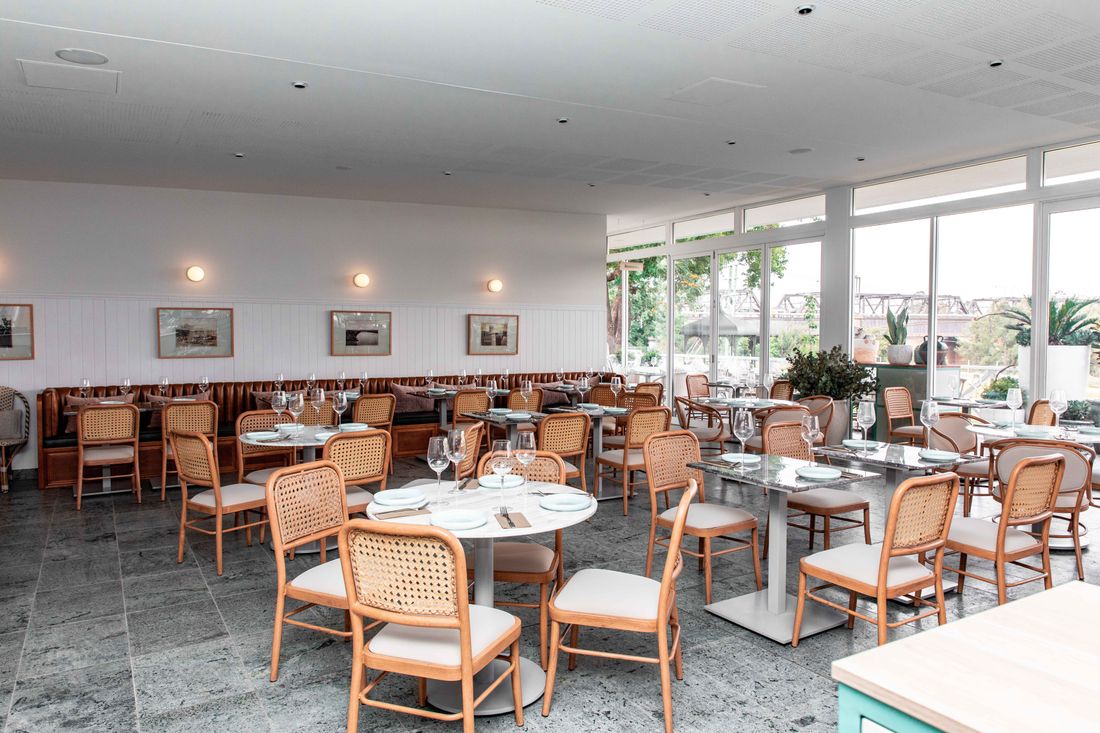
Every restaurant that books a photo shoot asks the same question before they ask about the shot list: does this mean closing.
Read Article →
A biotech or pharmaceutical leadership headshot has to do something most corporate photography doesn't: satisfy an investor deciding whether to fund the next round, a corporate partner doing.
Read Article →
A roadshow doesn't happen in one room. The same deck, the same pitch, and often the same three or four people move through several cities in a matter of days, presenting to a different set of.
Read Article →
Someone who spent years building a visible career and then stepped away for a while comes back to find their entire photo library out of date — the headshot on the old bio page, the panel shot.
Read Article →
A professional email address on your own domain costs nothing per month. Here's the setup I use inside Gmail, and the step that fails without telling you.
Read Article →
I run these, so take the enthusiasm with a grain of salt — the math doesn't need it. Cost per lead at each package, the benchmark it beats, and where the vendors above and below me genuinely win.
Read Article →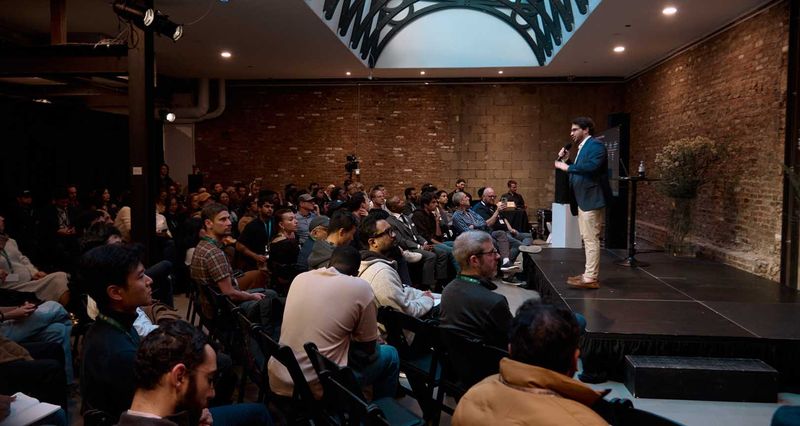
Someone on the team offered to shoot it. That's a real option — and it has a price, larger than people expect, on a salary line instead of an invoice line. Run it on your own numbers.
Read Article →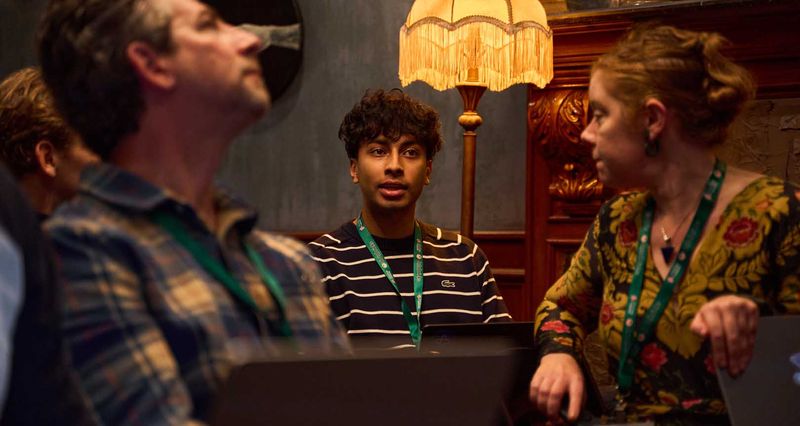
Four hundred images sounds generous until you notice you'll publish thirty — and that whether you can run those thirty as an ad next year is a question nobody asked at booking.
Read Article →
The data-driven case for professional headshots—LinkedIn profile views jump 14x, recruiting response rates increase 40%, and website conversion improves 35%.
Read Article →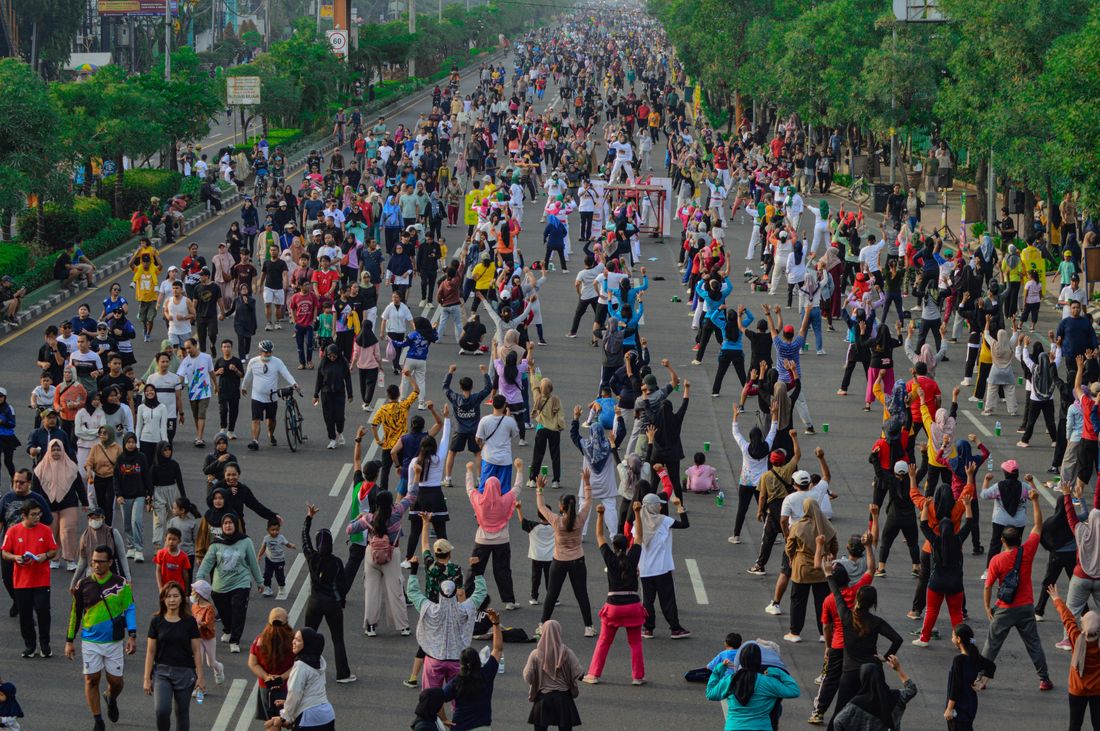
A start line and a mile-long route aren't a ballroom. Here's how charity walk, run, and ride photography and video coverage actually scales for a 5K fundraiser.
Read Article →
A CRO's business-development and operations staff need headshots built for the sponsors deciding who to trust with a trial, not investors or regulators.
Read Article →
Engineering firm headshots need to prove technical credibility, not design flair. How register, wardrobe, and deliverables differ for SOQ and proposal use.
Read Article →
A three-bid RFP isn't a direct booking. What a scope needs so three photo and video quotes are truly comparable, and what to weigh beyond the bottom line.
Read Article →
National press coverage produces a specific kind of urgency: real attention, and often, not much usable visual material to meet it with.
Read Article →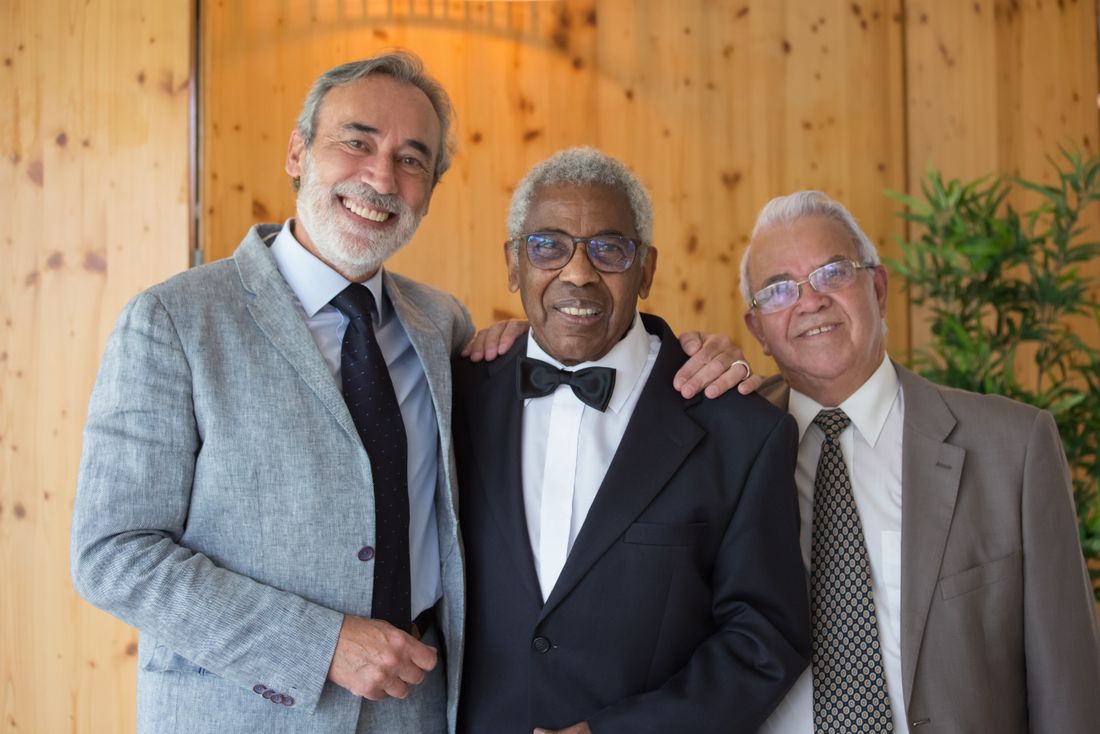
A corporate anniversary gala is never just a party. It's a celebration, a history lesson, and a business event, all in the same room on the same night.
Read Article →
A nonprofit's website usually treats every staff photo the same way: same backdrop, same crop, filed under "team." That works fine for a roster page and badly for two specific readers.
Read Article →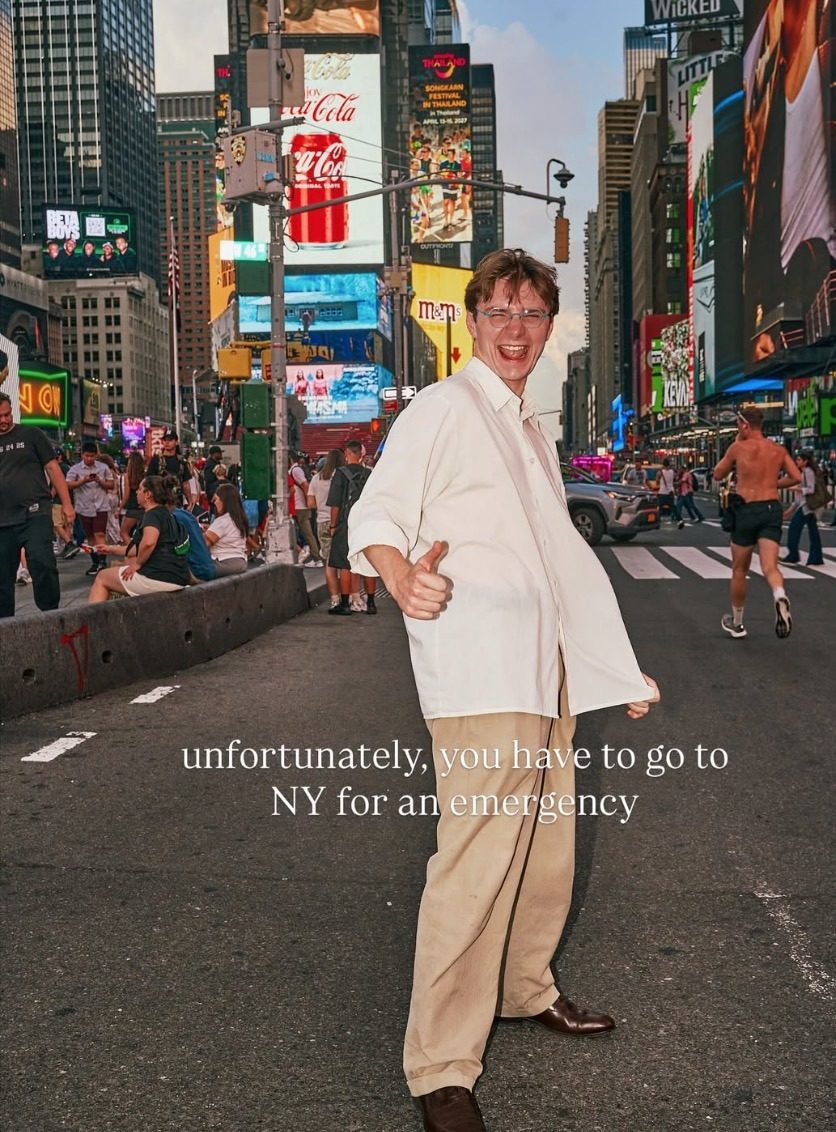
Ian Sowden crossed 100,000 followers, so we went out to make photos for it. The sharp, well-lit, perfectly correct ones were the wrong answer, and figuring out why changed how I shoot creator and founder content.
Read Article →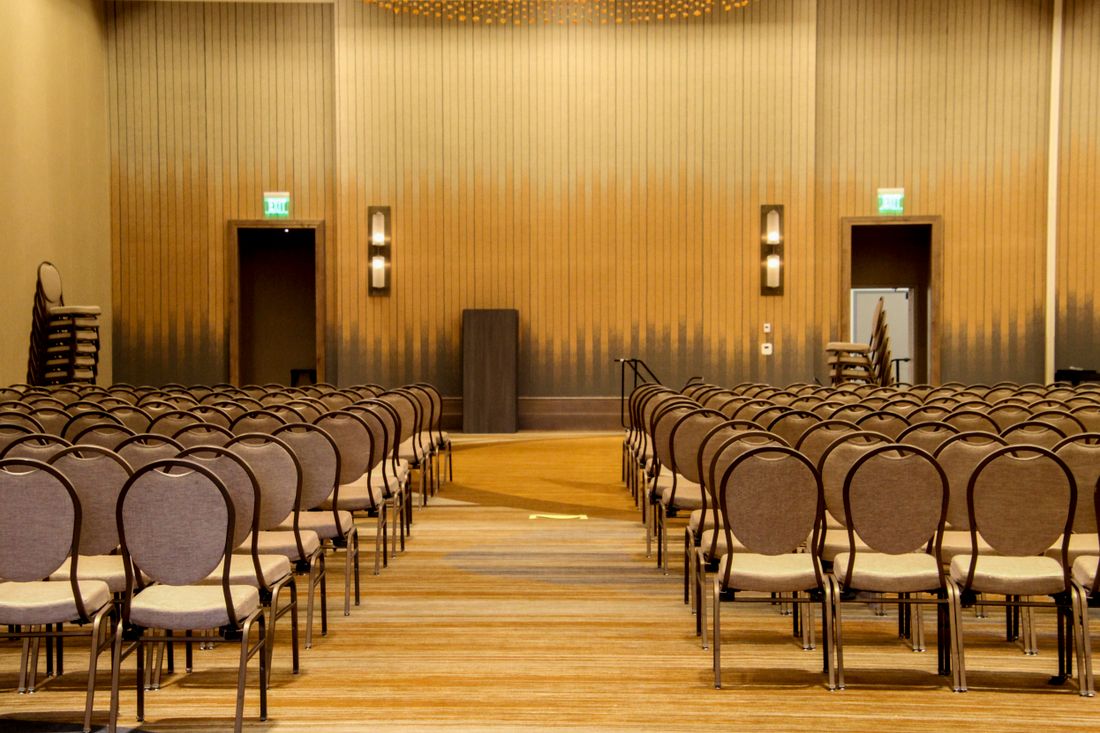
Before a planner will even describe the event, they want a number. That's fair. Video pricing is genuinely harder to eyeball than photography, so here is what actually moves it.
Read Article →
A family office or private wealth firm has the opposite visibility problem from almost every other client on my calendar. A startup wants to be found.
Read Article →
A board retreat gets planned like an offsite and shot like one too, more often than it should be. The agenda might look identical to a staff retreat: sessions, meals, maybe a speaker.
Read Article →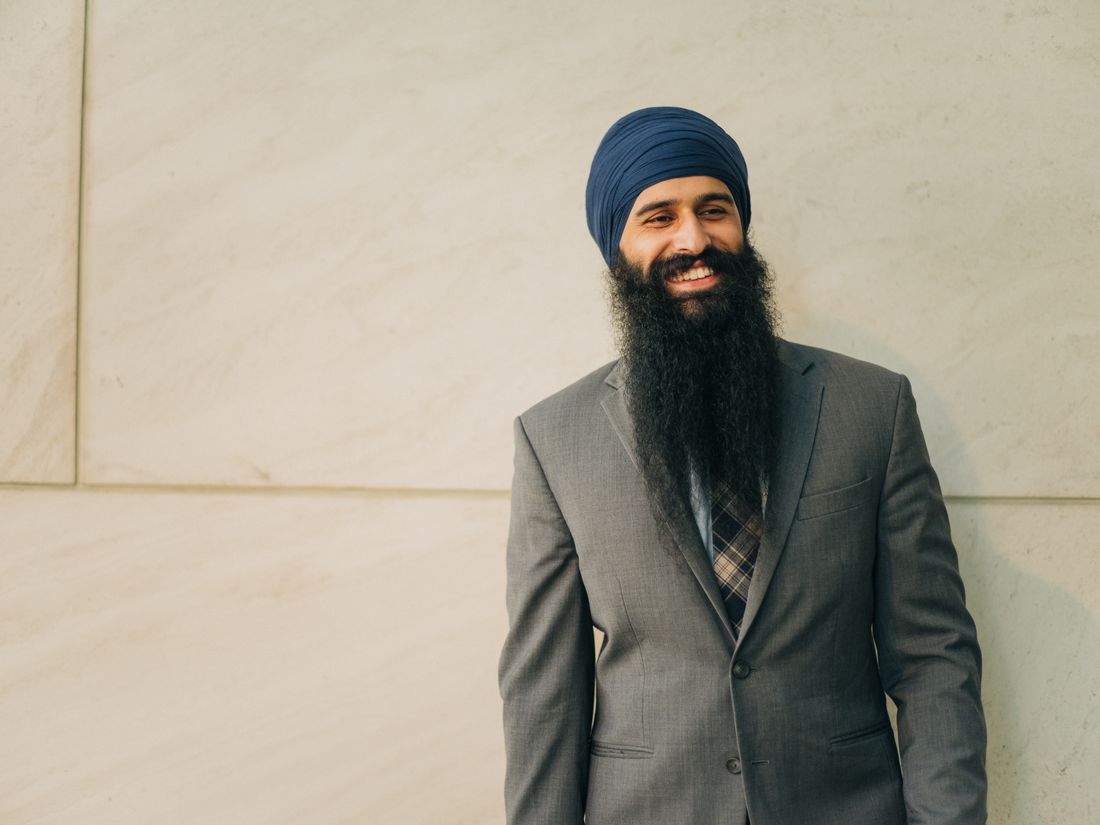
A VC or PE firm's website rarely gets redesigned as often as its team does. Someone moves from associate to principal, a new partner joins mid-fund, an operating partner rotates off one portfolio.
Read Article →
Two vendors in a room is a manageable coordination problem. I know where the videographer likes to stand, they know I'll duck out of their sightline during a toast, and we've both worked enough rooms.
Read Article →
Here's something that gets missed on almost every nonprofit communications plan: the board chair and the executive director are not the same visual job.
Read Article →
A government press conference looks, from the audience's side, like a corporate event with fewer chairs and a plainer backdrop. From behind a hired camera, it's a different job.
Read Article →
A corporate reception and a museum opening can look identical from across the room — a bar, a crowd, a set of frames on the wall. They aren't run the same way.
Read Article →
Ask a company who needs a personal brand and the answer is almost automatic: the CEO. That instinct isn't wrong, exactly — it's just incomplete.
Read Article →
Most corporate shoots get quoted with a standard license nobody reads until legal asks about it, and then someone requests "exclusive" or a full buyout and the number moves.
Read Article →
An accounting firm's headshot page rarely gets treated as high-stakes content, compared to the audit report or the engagement letter sitting one click away.
Read Article →
A broker open house looks like one event from the sidewalk, but it's really two photo assignments sharing a single booking.
Read Article →
A founder's personal brand and a soon-to-be-public CEO's image library are not the same asset, and treating them as interchangeable is how comms teams end up scrambling.
Read Article →
Commencement is one of the least forgiving events a photographer can be handed. The processional starts, the names get called in order, and there is no version of the afternoon where a missed.
Read Article →
Most founding teams end up with one public face almost by accident. One person is better on camera, more available for interviews, or simply got there first, and the habit sets before anyone decides.
Read Article →
Marketing books the shoot. Then HR asks if headshots can happen the same day, and recruiting wants a few minutes of culture footage for the careers page.
Read Article →
An agency's team page doesn't get read the way a law firm's or a dental practice's does. The people looking at it — prospective clients, other agencies, potential hires — often have a trained eye,.
Read Article →
A building launch has a date on the calendar. The developer's credibility doesn't get to wait for it. Buyers evaluating a pre-construction purchase are trusting a person as much as a set of floor.
Read Article →
A demo day looks simple from the back of the room: one stage, one lighting state, a dozen founders taking the same six minutes in the same spot. That sameness is exactly the problem.
Read Article →
An outside hire arrives with a blank slate. Someone has to build their public face from scratch, so a fresh portrait usually gets planned in as part of the announcement.
Read Article →
A President's Club trip doesn't have a call time or a run-of-show. It has three or four days of golf, pool time, a group excursion, one evening with an actual program, and a lot of unstructured hours.
Read Article →
The question that stalls a corporate booking is almost never about the shots. It is whether the studio can produce a W9, a certificate of insurance naming the right party as additional insured, and.
Read Article →
A senior executive's written bio is a list of institutions: degrees, prior titles, board seats, in careful order. It proves the résumé is real.
Read Article →
Most founder origin-story content overshares. A page meant to establish trust turns into a timeline of childhood interests, first jobs, and every pivot along the way, on the theory that more personal.
Read Article →
A franchise or multi-unit conference looks like a conference from the outside — a general session, a stage, a room full of name badges.
Read Article →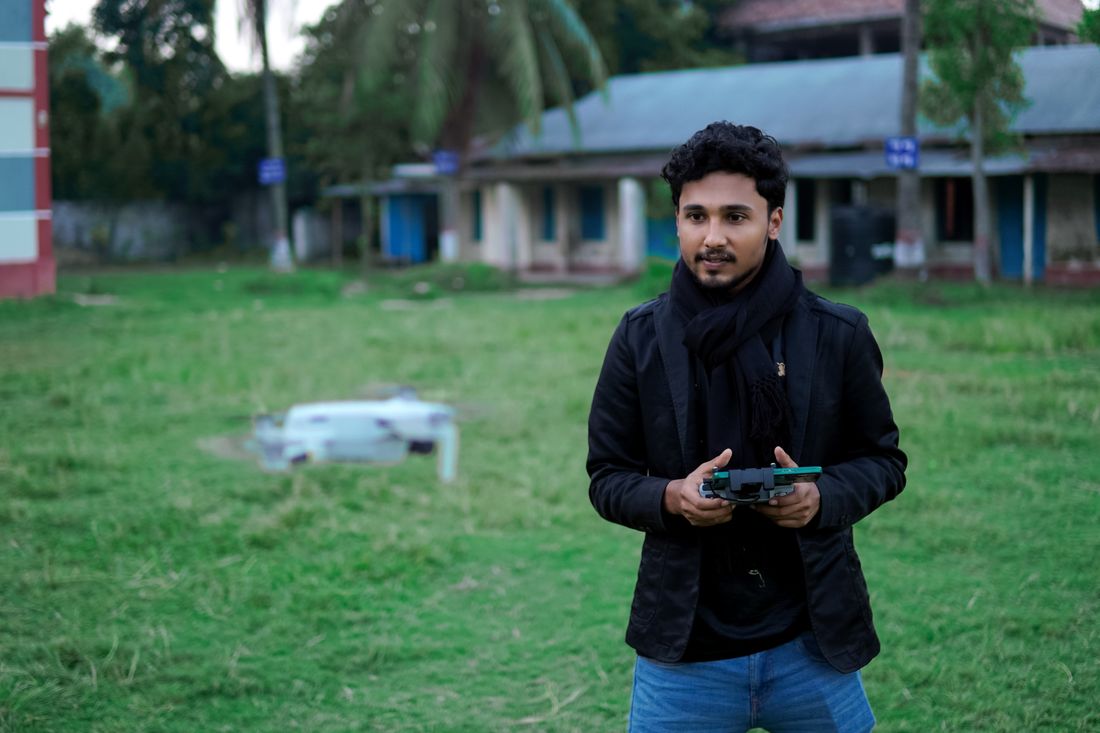
Someone on the planning team asks if we can add drone to the event quote, usually after the ground coverage is already scoped and the budget already discussed. It sounds like one more line item.
Read Article →
A multi-unit operator asked me a version of this question recently, not as a client, just in conversation: do I need new photos every time I open a location.
Read Article →
A hackathon looks simple to shoot on paper: one room, one guest list, one continuous event. That's exactly what makes it hard.
Read Article →
A grant reviewer sees your executive director's photo for seconds, in a packet, not on a website. Here's what that context actually demands from the portrait.
Read Article →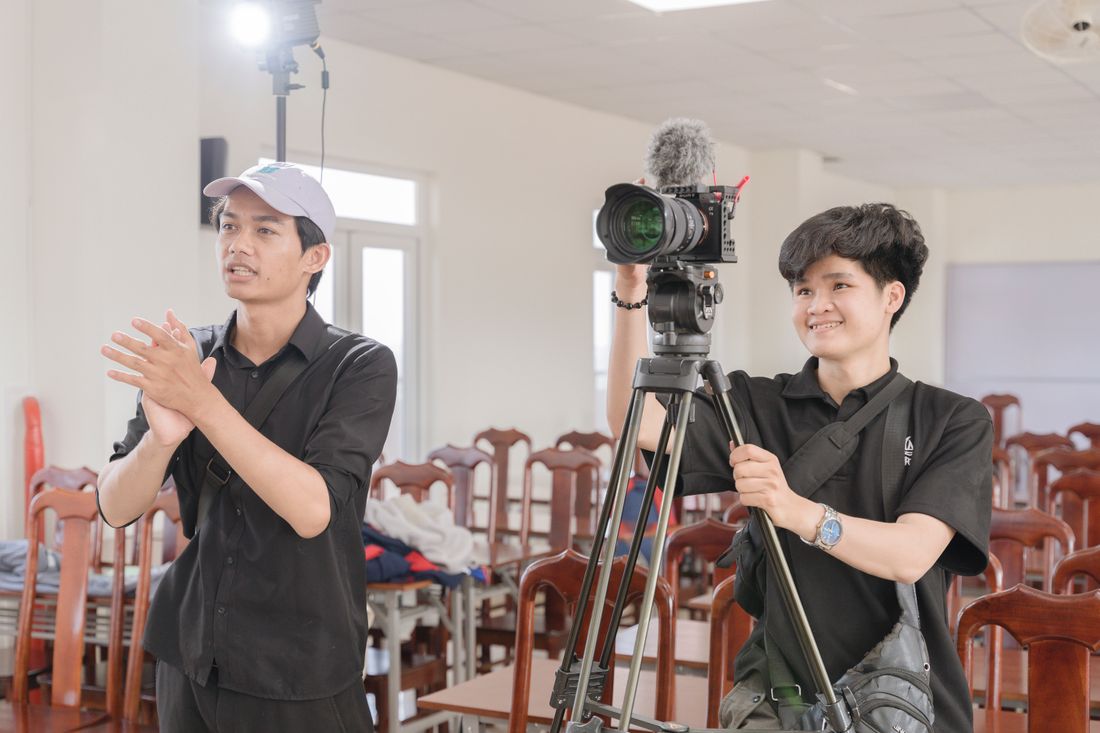
No nonprofit photography discount or startup videographer rate exists here. What actually lowers a price is scope, not identity. Here's the honest mechanism.
Read Article →
A board seat isn't a full rebrand and it isn't nothing either. Here's the short, specific content update a board appointment actually calls for.
Read Article →
A field day breaks a ballroom coverage plan. Here's how corporate sports day photography and employee wellness event video NYC coverage actually gets planned.
Read Article →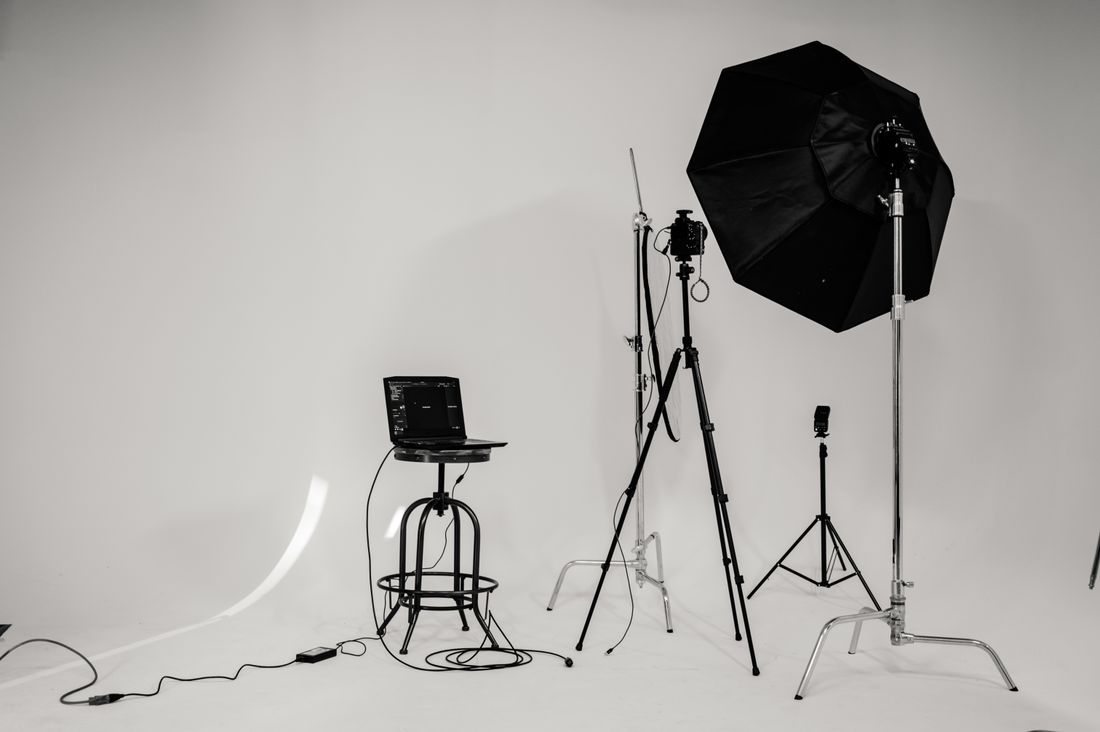
A member directory isn't a team page: no shared office, no reshoots. How associations get consistent headshots members use instead of their own phone photo.
Read Article →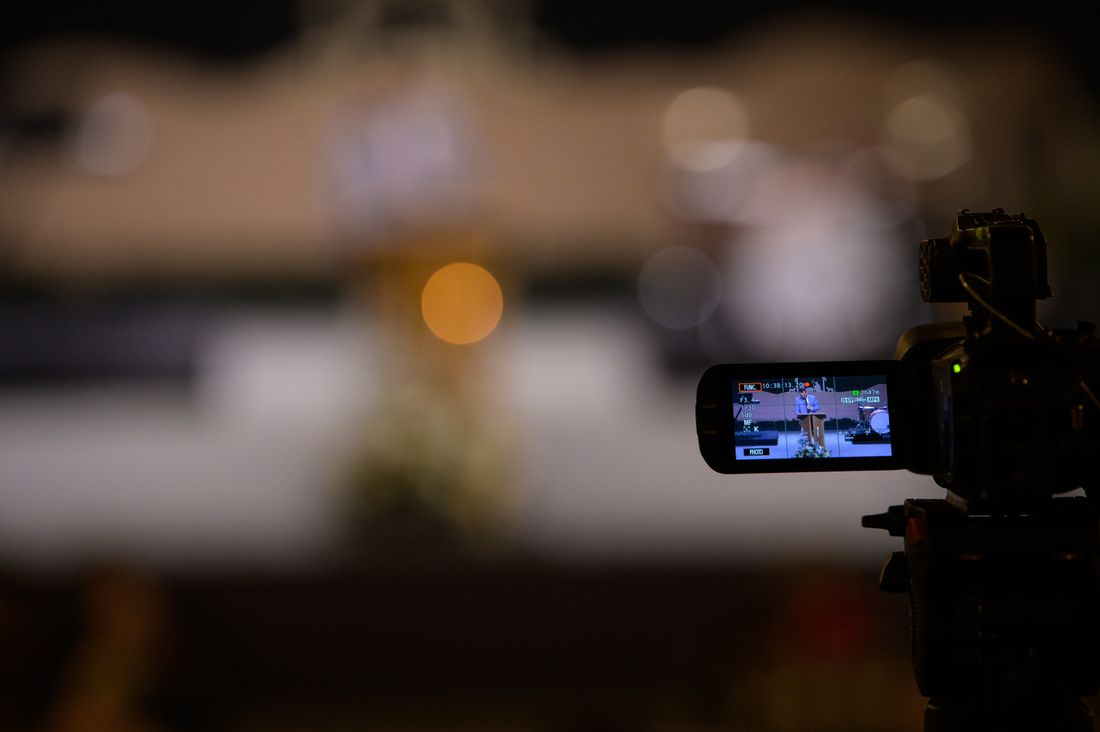
A memory card can fail mid-event with zero warning. Here's the redundancy chain that protects your photos anyway, and what to ask a photographer before booking.
Read Article →
A firm's brand film speaks for everyone. A partner's personal video has to speak for one person, one practice, and one name someone already searched.
Read Article →
A topping-out ceremony isn't a small ribbon cutting — it's a beam-signing tradition on an active job site with its own PPE realities and its own shot list.
Read Article →
A faculty headshot covers one session. A professor doing regular press and op-eds needs an ongoing portrait and clip cadence, not a single shoot.
Read Article →
An internal advisor conference runs on recognition stages and recruiting booths, not analyst Q&A. Here's the coverage logic that actually gets used again.
Read Article →
A shorter video isn't automatically cheaper. Here's why a 30-second cutdown can cost as much as a 3-minute film, and what actually drives the price.
Read Article →
Your event isn't in New York this time. It's in Philadelphia, or Greenwich, or out past Southampton, and the question that shows up before any pricing conversation is whether you bring the crew that.
Read Article →
Run the same event in New York, Philadelphia, a client summit in Fairfield County, and a summer donor evening out east, and the photo library that comes back can look like four different companies.
Read Article →
A New York event photographer can walk a Midtown ballroom on a Tuesday afternoon before a Saturday shoot.
Read Article →
Manhattan's benefit calendar goes quiet by July, and what fills the gap isn't a smaller version of the same gala.
Read Article →
Say the company is headquartered in Stamford, or Princeton, or a converted mill outside Philadelphia, and the audience it's trying to reach is national.
Read Article →
A leadership summit in the New Jersey pharma corridor or a town hall in the Fairfield County finance belt has one thing a scrappy startup's all-hands never had to deal with: someone outside marketing.
Read Article →
Ask a private company's marketing manager to schedule new team headshots and the hardest part is picking a date. Ask a government agency and the hardest part might be the purchase order.
Read Article →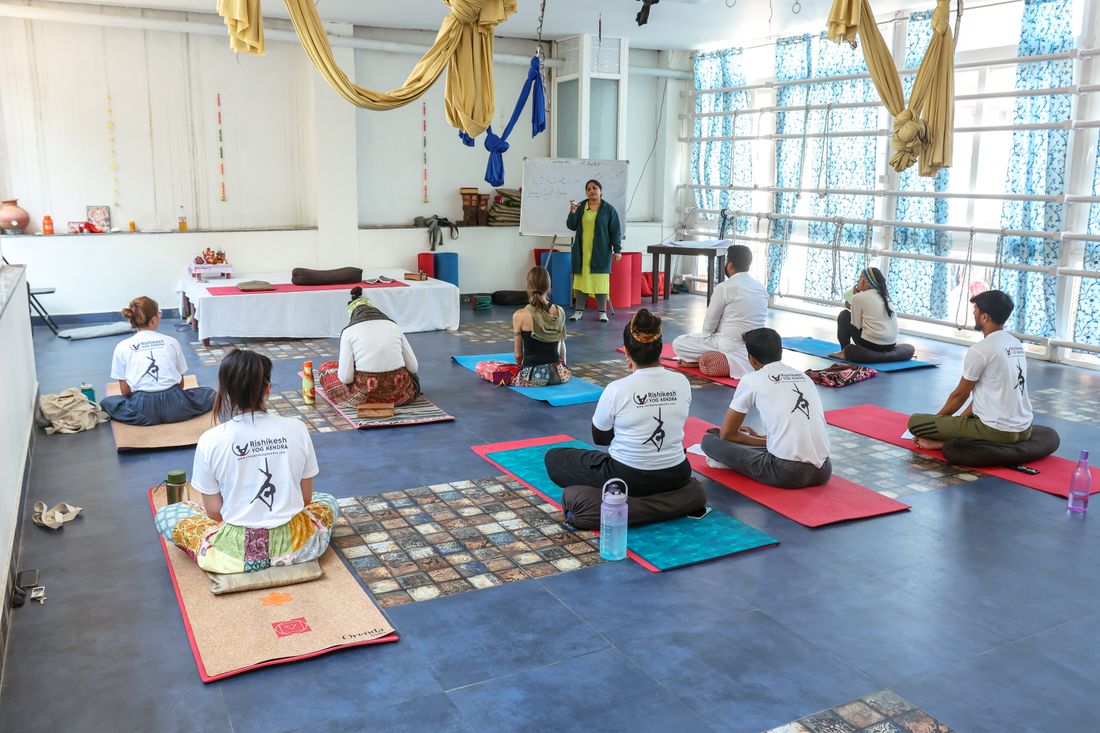
A fitness or wellness studio's own feed can be full of class schedules, group-workout shots, and promo graphics, and still never actually introduce the person who built the place.
Read Article →
A trunk show doesn't need a crowd, a stage, or a runway — it needs a quiet room, a curated selection, and clients arriving one appointment at a time.
Read Article →
An "unlimited photos" package sounds like more for the same money. It usually isn't more of anything except raw files sitting on a drive.
Read Article →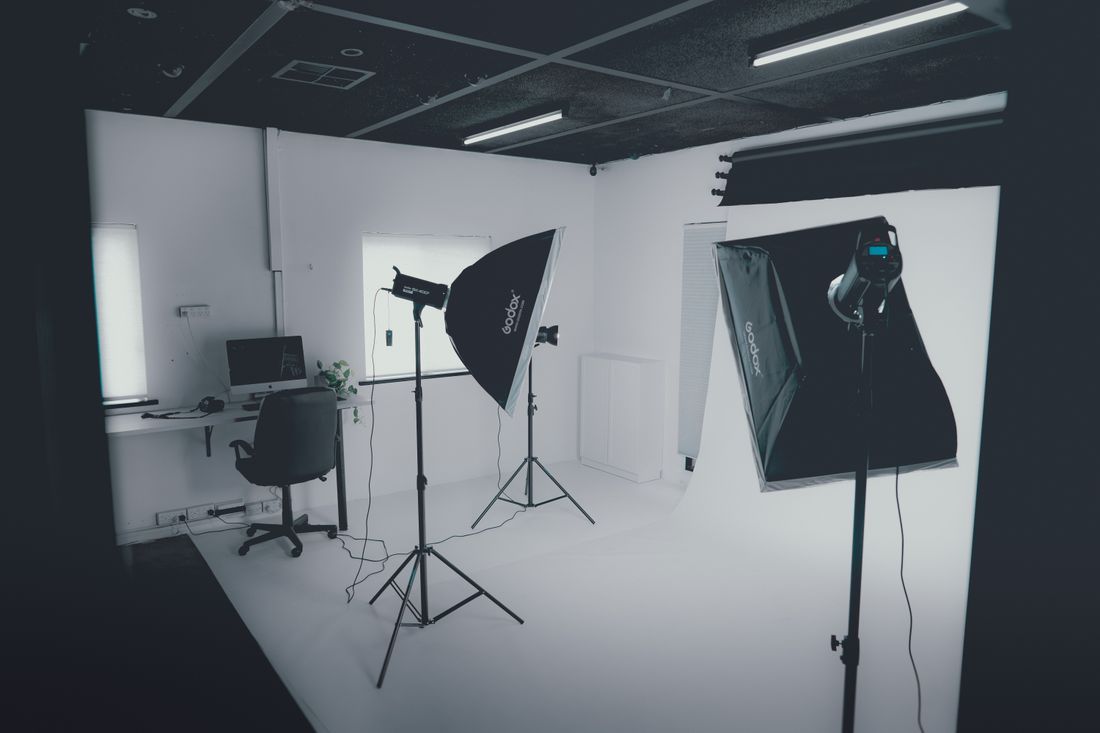
A motion headshot is a still photo paired with a few seconds of video, shot in the same session and used side by side on a team page or LinkedIn profile. It's not a replacement for the still.
Read Article →
An insurance agent sells a promise that doesn't pay out until a claim happens, sometimes years or decades after the headshot goes up on the website.
Read Article →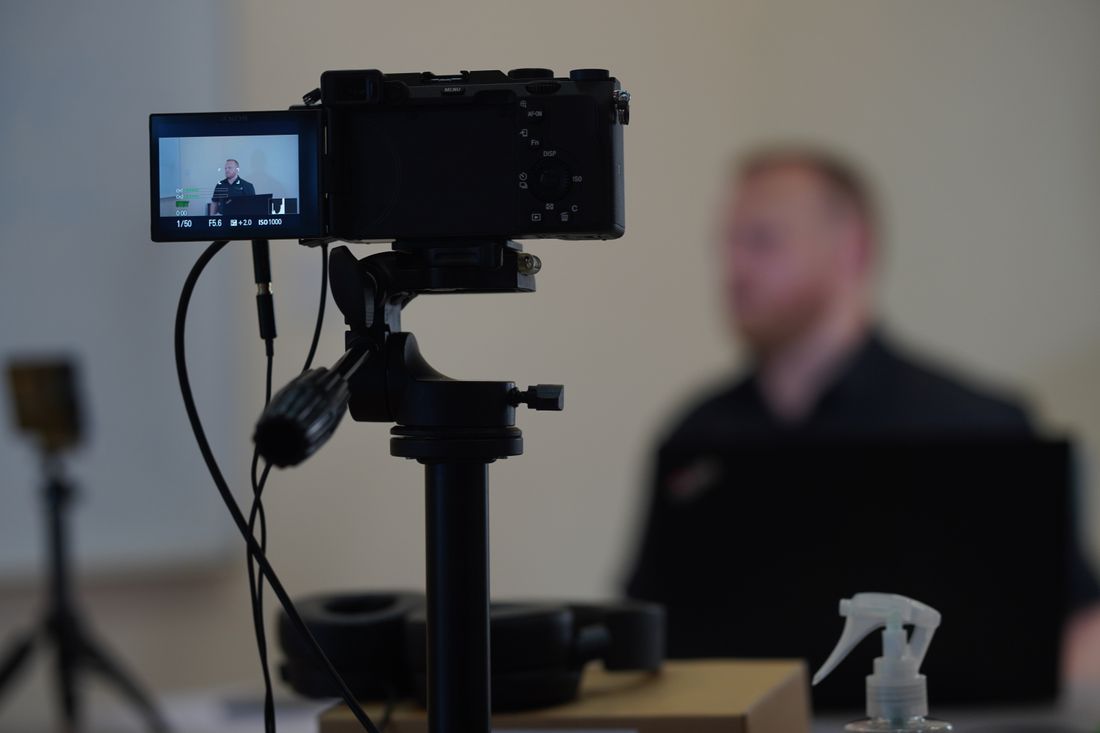
Every leader has said something at an all-hands that was better than anything from their last ten LinkedIn posts combined — sharper, funnier, more honest — and then let it disappear into an internal.
Read Article →
Every other event a production company hires us for is about someone else's story — a client's launch, a brand's anniversary, a conference the company is only sponsoring.
Read Article →
A funding round closes and the audience looking at your company changes overnight — press, job candidates, customers, other investors, most of them paying attention for the first time.
Read Article →
Most buyers don't choose between a package and a custom quote on purpose. They pick whichever term sounds right for the moment — package because it's simpler, custom because the job feels special —.
Read Article →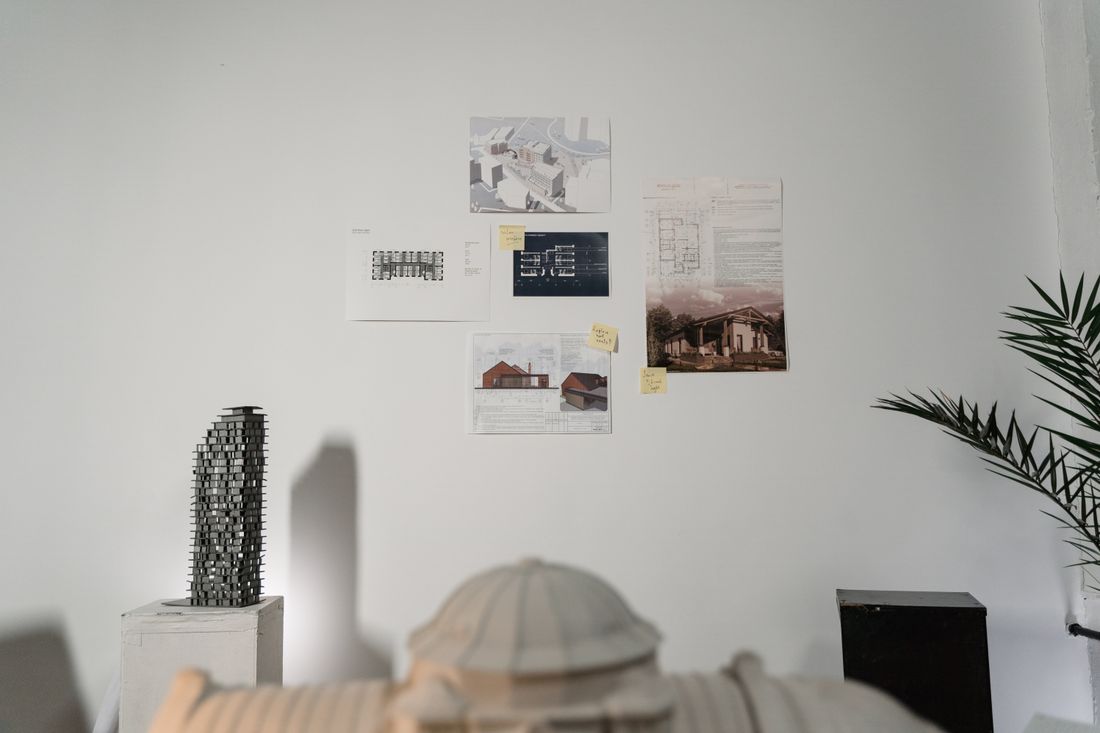
Architecture and design firm headshots have a harder job than most corporate portraits, because the people judging them design things for a living.
Read Article →
Ask a university communications office what they got from last year's research symposium and the answer is usually a folder of photos nobody uses: a wide shot of a half-full lecture hall, taken from.
Read Article →
Somewhere between the deal closing and the public announcement, someone has to figure out how two companies with different visual identities, two headshot styles, and two leadership teams are.
Read Article →
Most first-time buyers assume a booking works like a retail purchase: pay when the finished thing is in hand.
Read Article →
A management consulting or advisory firm headshot rarely gets judged by the person it's of. It gets judged by a client's procurement team skimming a proposal cover, a conference organizer resizing it.
Read Article →
A general gala shot list assumes every important moment can be recovered from a slightly different angle a minute later.
Read Article →
Major donors form an impression of an executive director before the ask ever happens — from a portrait on a case statement cover, a short video link sent ahead of a meeting, a photo of the person.
Read Article →
Most nonprofit galas are built to be photographed head-on: donors want to be seen giving. A hospital or medical center donor event flips part of that logic.
Read Article →
A restaurant group's venues already have someone shooting the food and the room. What the operator behind those venues needs is different: content built around the founder — for press, a.
Read Article →
Every event photography quote gets negotiated on hours. Almost none get negotiated on headcount, even though headcount is the variable that actually decides what gets covered.
Read Article →
The empty store is the shot that disappears first. Once the doors open, the space is never again as clean as it was at 9am, and the frame that shows what the.
Read Article →
Every company with a marketing coordinator who owns a decent camera eventually has this conversation. It is usually framed as a budget question, which is why it.
Read Article →
An ERG event is one of the few corporate gatherings where the people in the room are genuinely the point. It is also, increasingly, an event that has to produce.
Read Article →
Newsletters start with a stock photo in the header because starting matters more than branding. Two thousand subscribers later that photo is still there, quietly.
Read Article →
A speaker sends one photo and it gets cropped by four different people who never speak to each other. The conference wants a square. The podcast wants a face big.
Read Article →
Companies switch photographers for ordinary reasons: someone moved, a schedule stopped working, a price changed. Then the first gallery comes back and everything.
Read Article →
A book launch takes about six weeks. The gap to the next one takes about three years. Almost all author content advice is written for the six weeks, which is why.
Read Article →
A volunteer day generates two kinds of photos: the group shot in matching t-shirts, and everything else. Companies keep the group shot and then discover, four.
Read Article →
An app and a physical product get pitched with the same words — launch, reveal, drop — and then need almost opposite content. One has nothing to photograph and.
Read Article →
The single cheapest fix for a bad headshot day is a better email. Not better lighting, not a longer session, not a bigger budget. The message that lands in.
Read Article →
Most companies that run the same event every year — a holiday party, a town hall, an annual gala — treat each year's booking as its own standalone job.
Read Article →
Give a founder a script and watch what happens the second the camera rolls: the eyes drift up while they hunt for the next line, the cadence flattens into a read-through, and the person who was.
Read Article →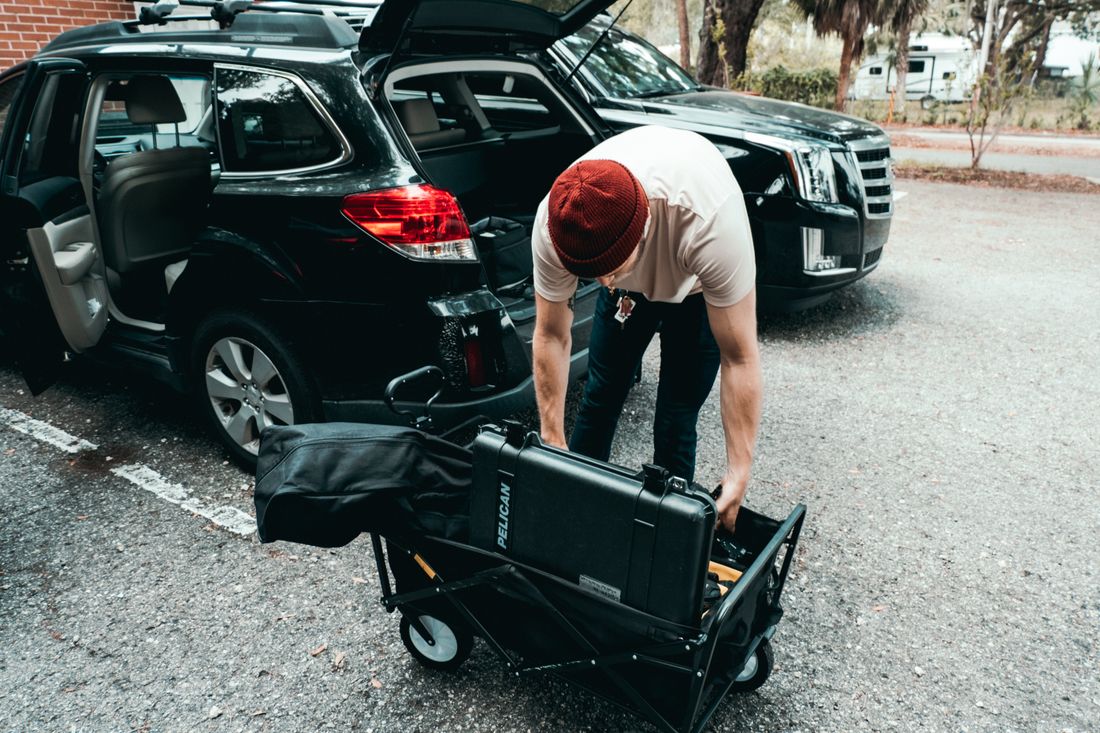
A shoot forty-five minutes from Manhattan doesn't cost the same as one in it, and the reason has nothing to do with the venue being fancier or the client being farther from home.
Read Article →
I've noticed something that trips up in-house teams every time a real press opportunity shows up: the headshot already on file was built for the company directory, not for a magazine editor cropping.
Read Article →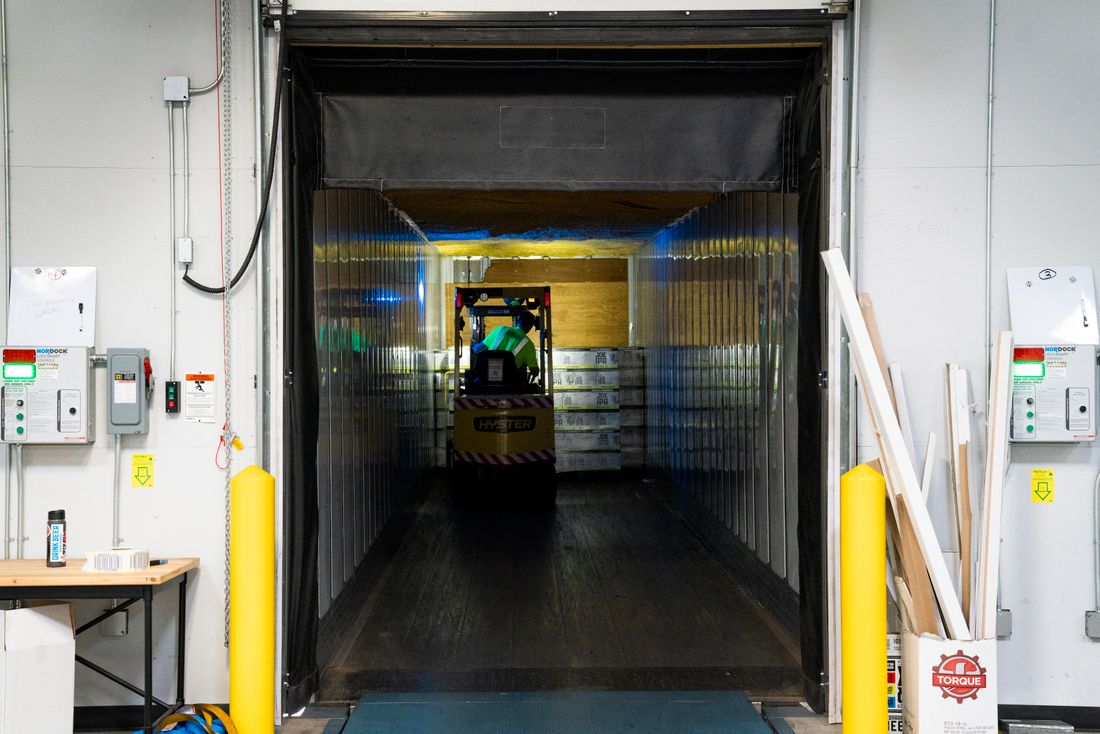
Nobody hands the photo and video team a copy of the venue's house rules. You find out what a big NYC hotel or convention space actually requires the way most crews do: standing at a loading dock at 6.
Read Article →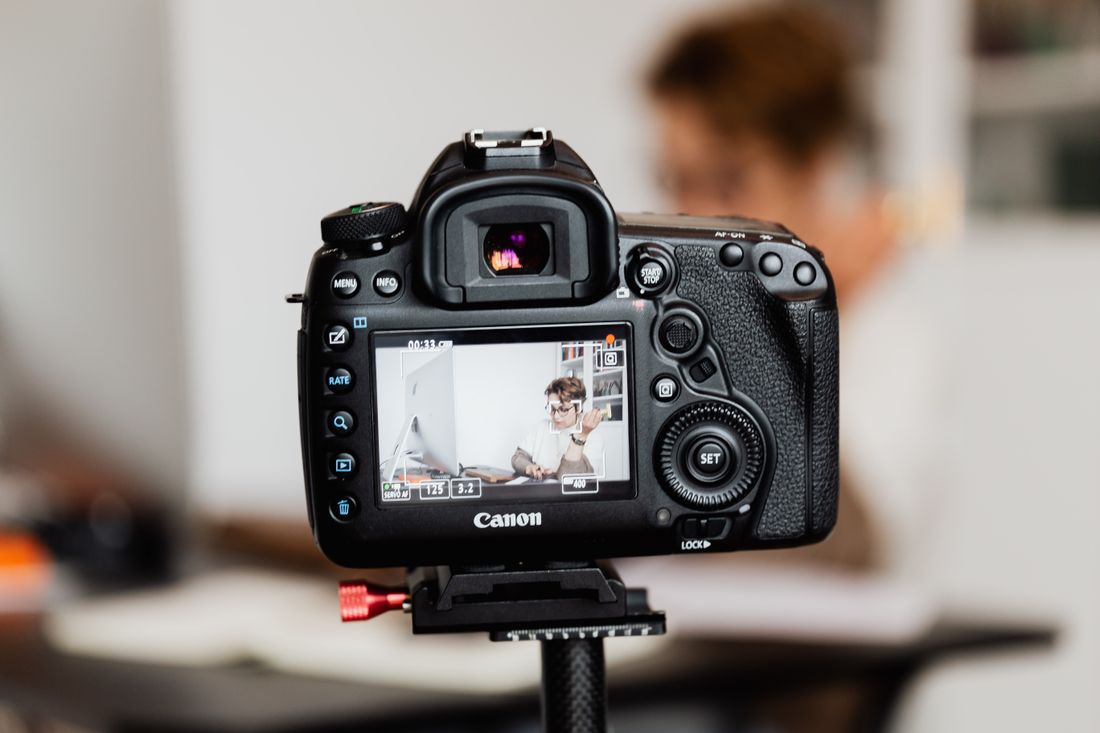
A written quarterly update gets skimmed for the numbers and filed. A five-minute video gets watched, often by the one partner on your board who actually reports upward to their own LPs — and once you.
Read Article →
Every event planner eventually hits the same moment: the program is running late, the room is still full, and the contracted end time for photo or video coverage is closing in.
Read Article →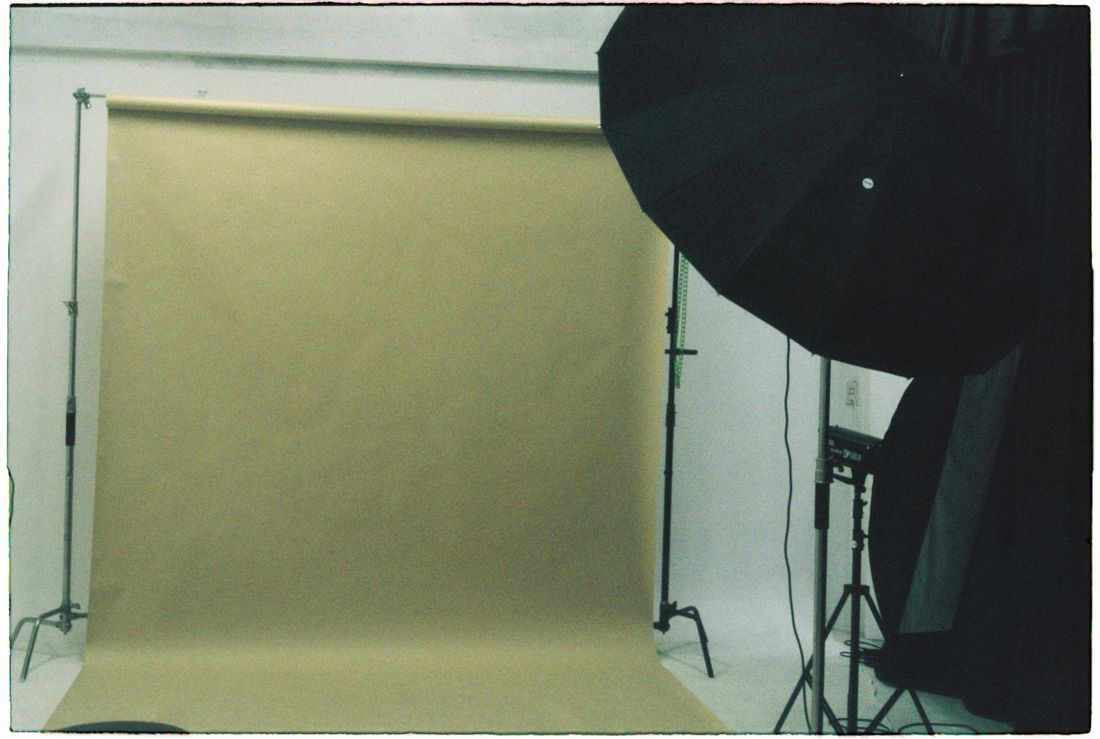
Most companies pick a headshot background based on what looks good in the room that week: white paper because it's easy, the office because it's convenient, a brand color because it matches the deck.
Read Article →
Alumni and university events are unlike almost anything else on the corporate event calendar, because they're never really for one audience.
Read Article →
Before anyone reads a word of your bio, they read the block behind you. Marble and glass says one thing, exposed brick says another, and a cast-iron storefront says a third — and that read happens.
Read Article →
Sponsor photos usually happen by accident — someone remembers mid-event that a logo needs to end up in a few frames, and the photographer grabs whatever background has a banner in it.
Read Article →
The build phase is the one part of a launch nobody books a camera for. It's also the only part that can't be reshot once the thing is finished — the finished object stays around, but the version of.
Read Article →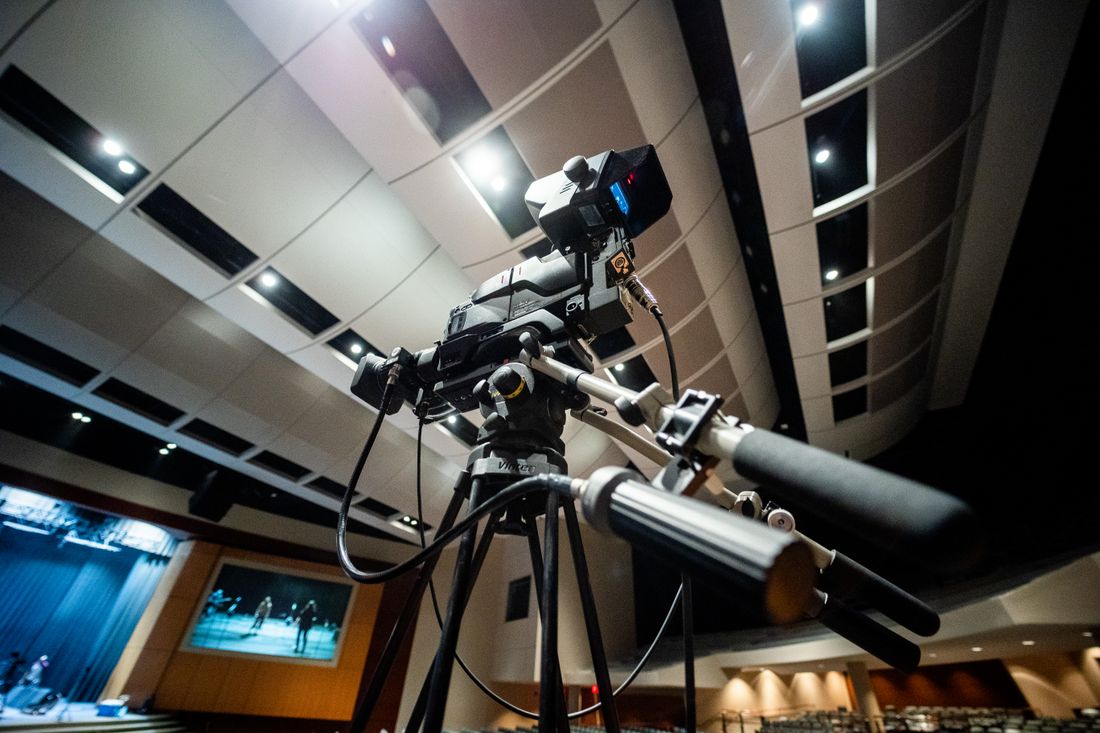
Every company that books us more than three or four times a year eventually asks about a retainer, and my honest first answer is usually that they don't need one yet.
Read Article →
A faculty directory is the one team page where nobody actually has the authority to make anyone comply.
Read Article →
Put a CEO, a board chair, or a public figure in the room and the camera work barely changes. The lens, the light, the instinct for a real moment over a posed one — none of that gets harder.
Read Article →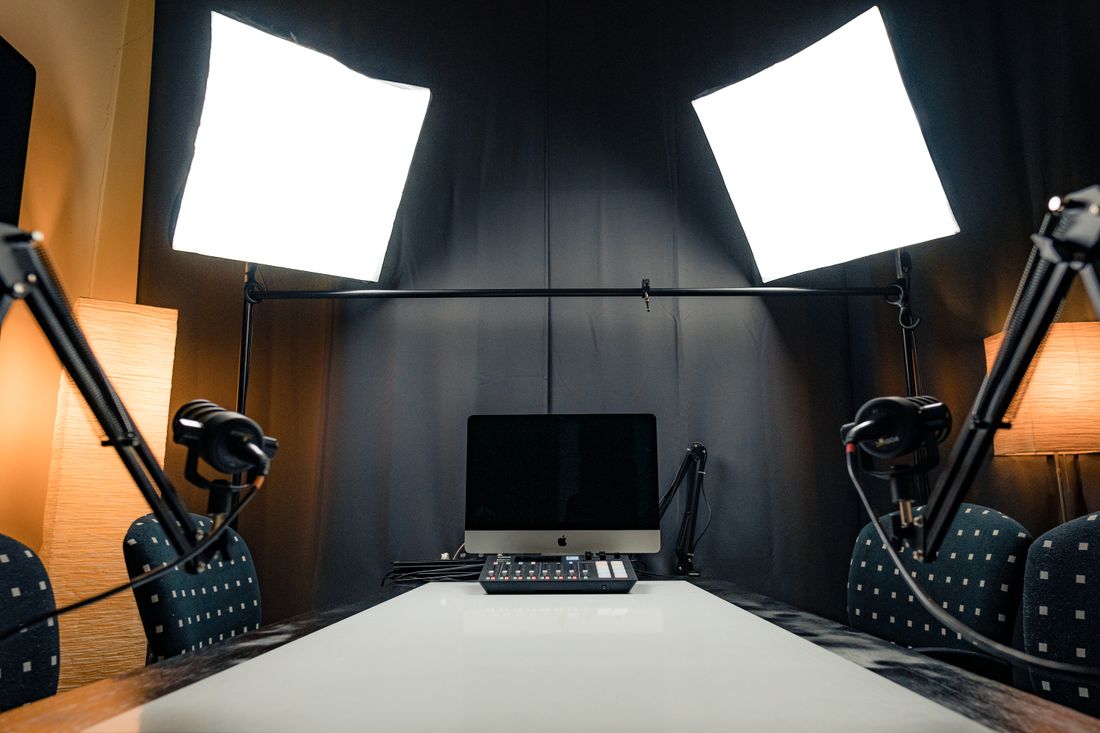
A podcast launch budget almost always goes entirely to the audio chain. Then the show launches into a directory, competing as a thumbnail against a thousand other thumbnails, and there's nothing on.
Read Article →
Ask what a team headshot day costs and most people reach straight for the headcount, as if thirty people is obviously twice the price of fifteen.
Read Article →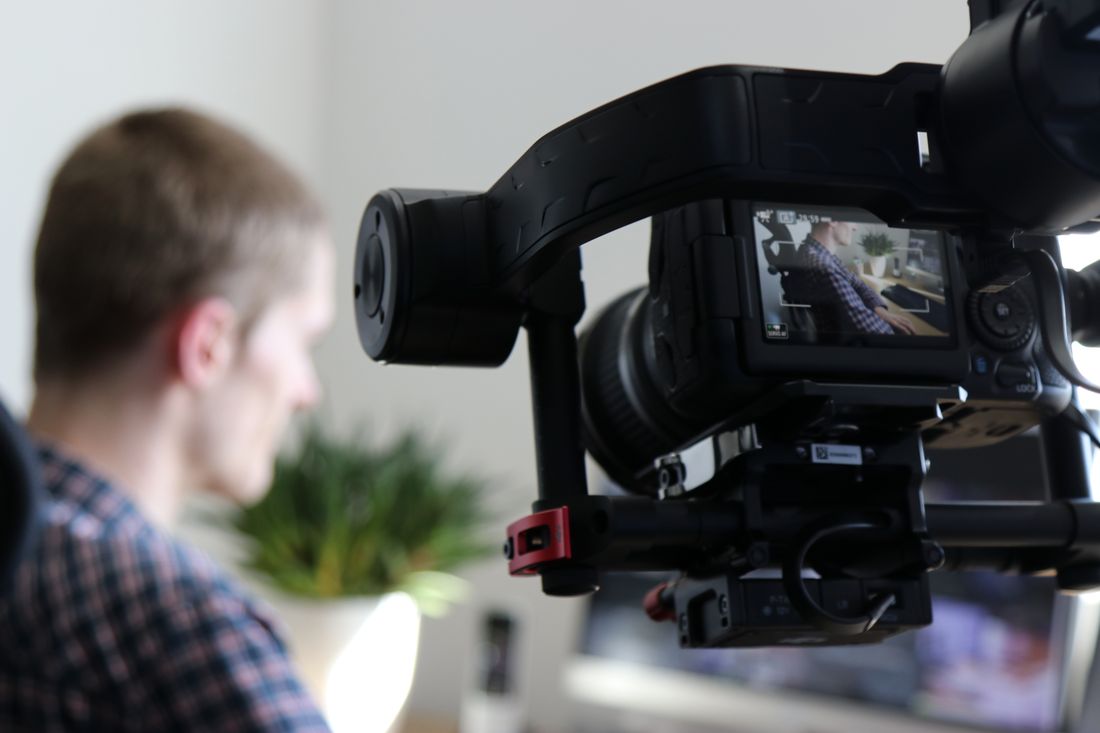
Every case study video conversation I've had starts the same way: a marketing team wants to turn a great client relationship into a film.
Read Article →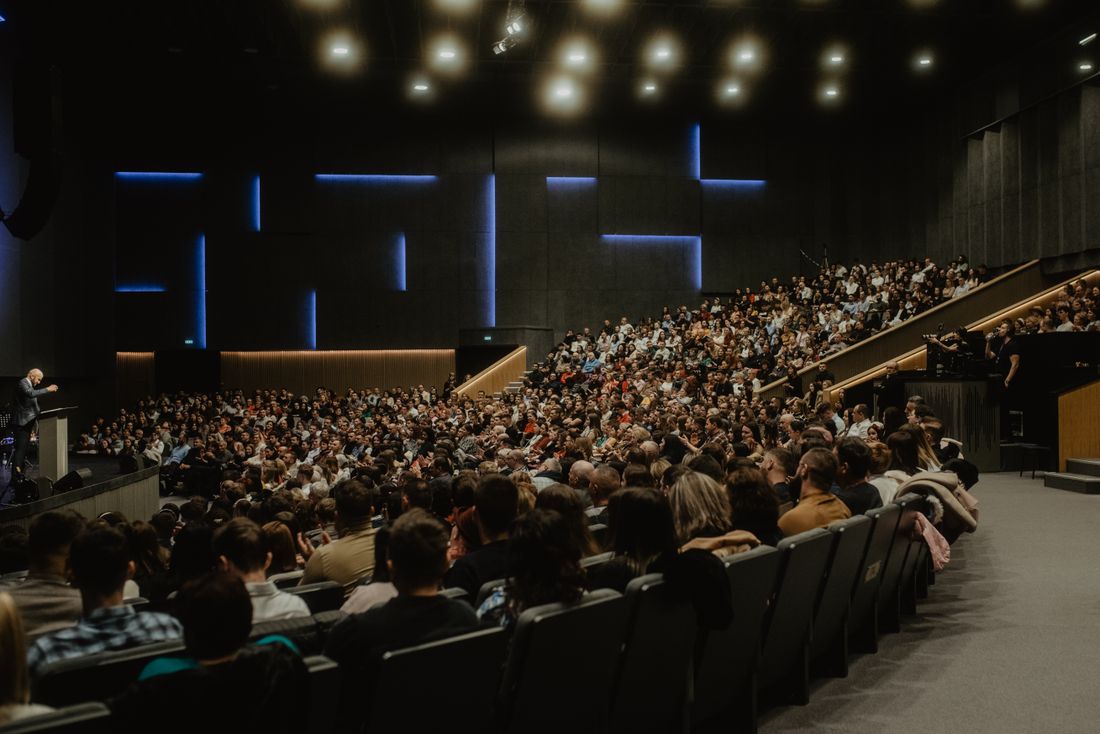
Every fall, someone building a nonprofit's annual report opens a year of photo folders looking for one specific program and finds three tight verticals and no context shot.
Read Article →
A founder's personal brand runs on a company's calendar — a raise, a launch, a new hire, with a business behind them absorbing everything else. A consultant or coach has none of that.
Read Article →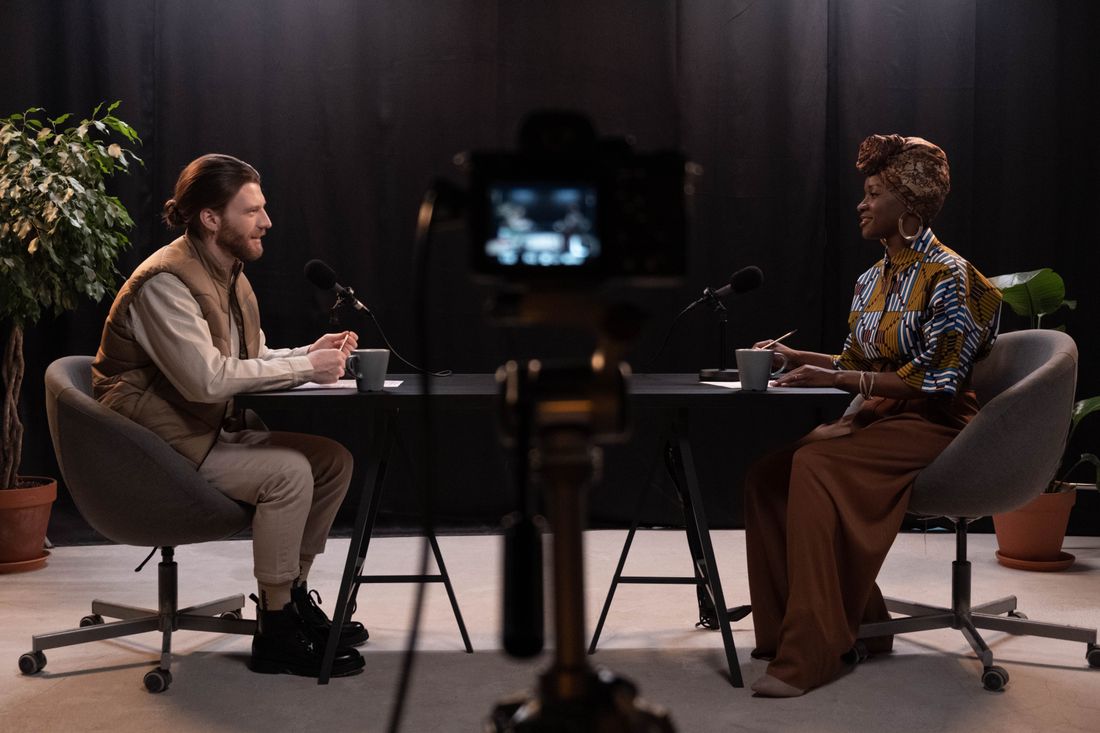
Here's a pattern I've noticed watching culture videos get built: everyone in the room is satisfied the moment a leadership answer sounds warm and confident, and nobody stops to ask whether the person.
Read Article →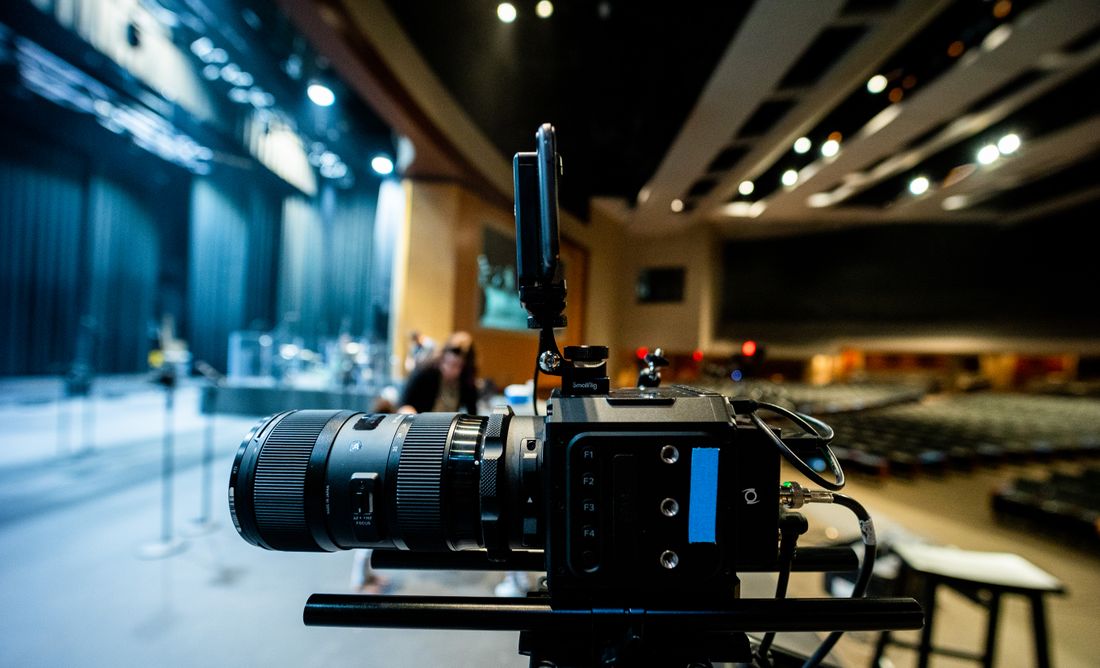
Ask an AV tech and a documentation photographer what they need from the same room during a hybrid event, and you'll get two different answers.
Read Article →
Nobody emails a founder to say the press kit photos didn't work. A reporter on deadline just doesn't use them, grabs a LinkedIn screenshot instead, or runs the story with no image at all.
Read Article →
A gala runs for hours, but the fund-a-need or paddle-raise segment runs for about ten minutes, and it happens exactly once.
Read Article →
Ask a brand team what a pop-up needs covered and the answer is usually just "the event" — people arriving, a demo table, maybe a step-and-repeat. That misses the harder job.
Read Article →
Companies planning anniversary content usually start from the number — five years, ten, twenty-five — and work backward to find a reason it matters. That's the wrong order.
Read Article →
A quote that mentions "one round of edits" or "two rounds of revisions" reads like a rationing rule — as if the studio is capping how much work you're allowed to ask for.
Read Article →
Every client who calls asking for “a brand video” is actually asking for one of three different things, and they almost never say which.
Read Article →
Ask a conference organizer what “full coverage” means once the agenda splits into six breakout rooms, and the honest answer is: it doesn’t, not with one photographer.
Read Article →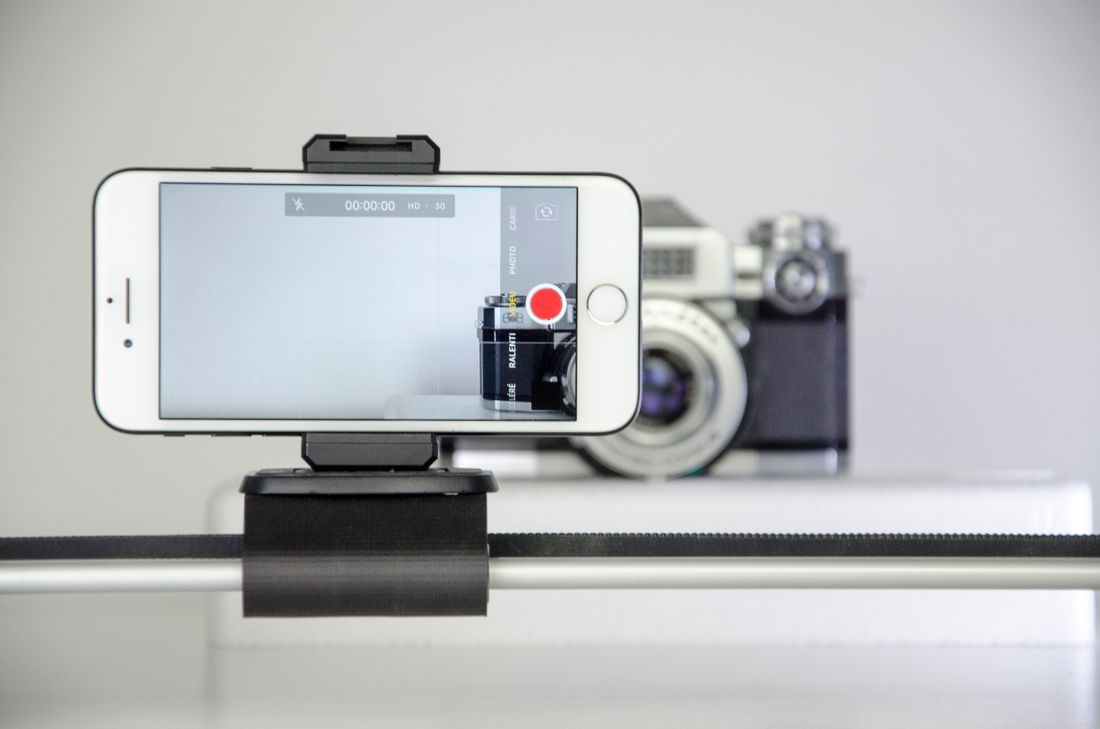
Every crowdfunding platform has the same visual accent by now: a founder on a stool, soft window light, an acoustic guitar swelling under a voiceover about a dream.
Read Article →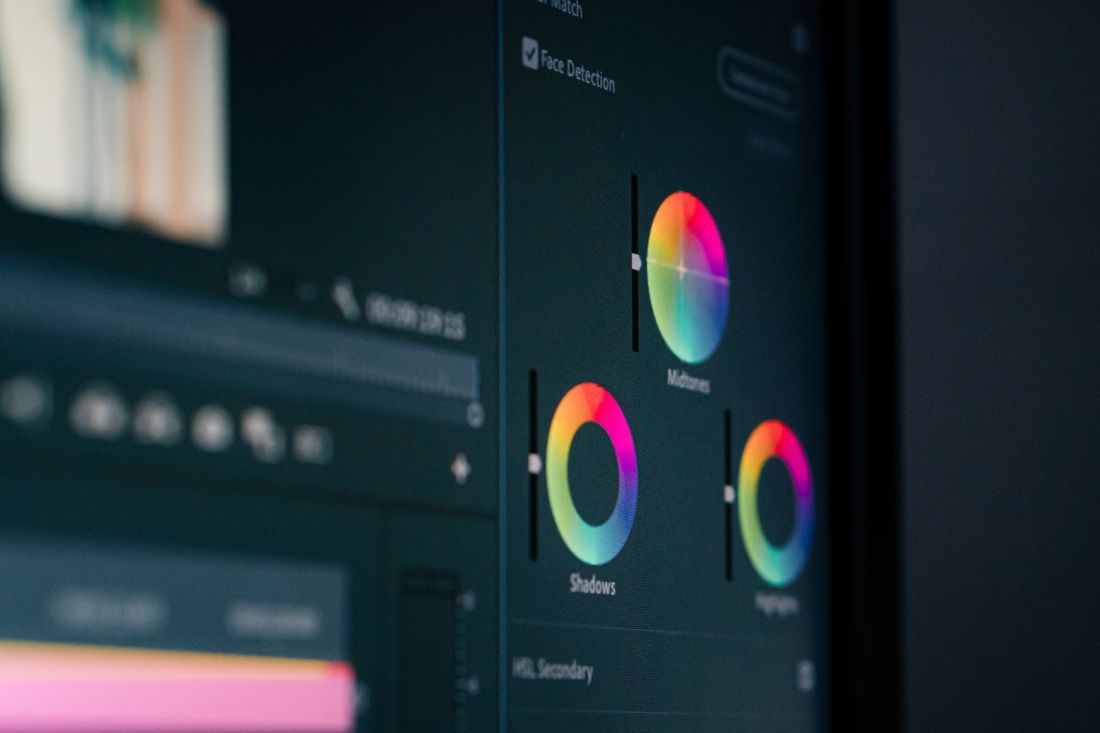
Ask whether the photos are edited and you're really asking three separate questions, though most people don't realize it until the invoice arrives.
Read Article →
A team headshot day is built for speed and consistency — a large group moving through one setup, everyone matched, minutes each.
Read Article →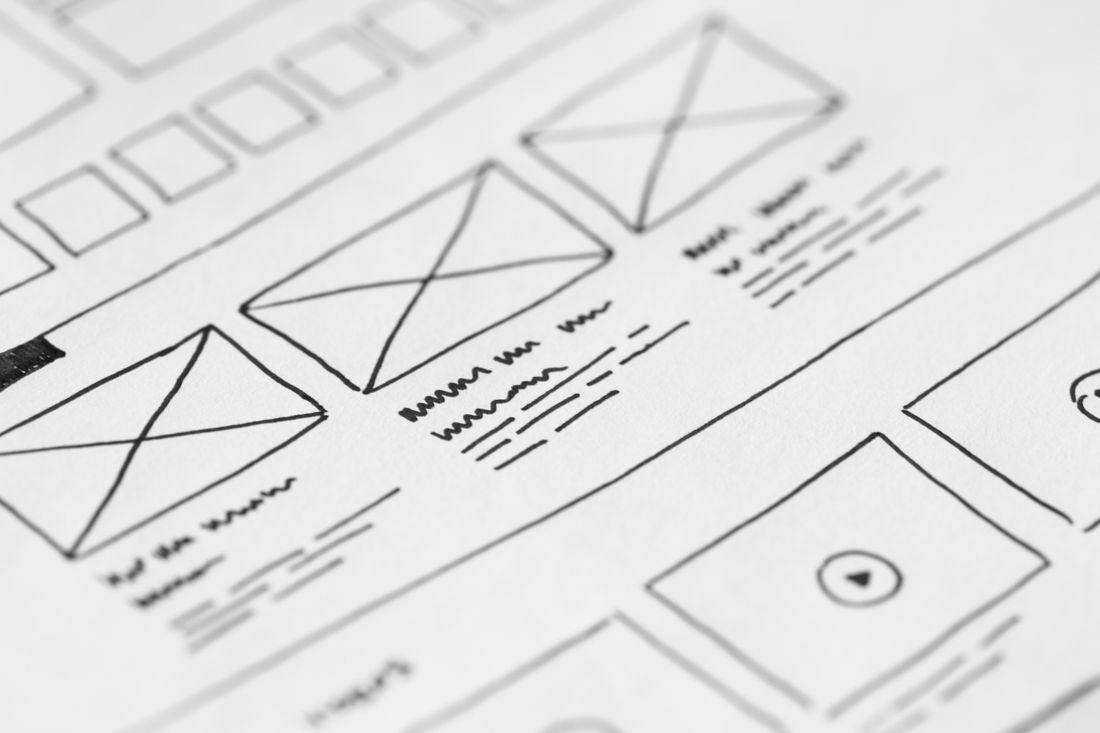
A website redesign isn’t really a design and development project with images added at the end — it’s a photography and video project that a designer and developer happen to be building the container.
Read Article →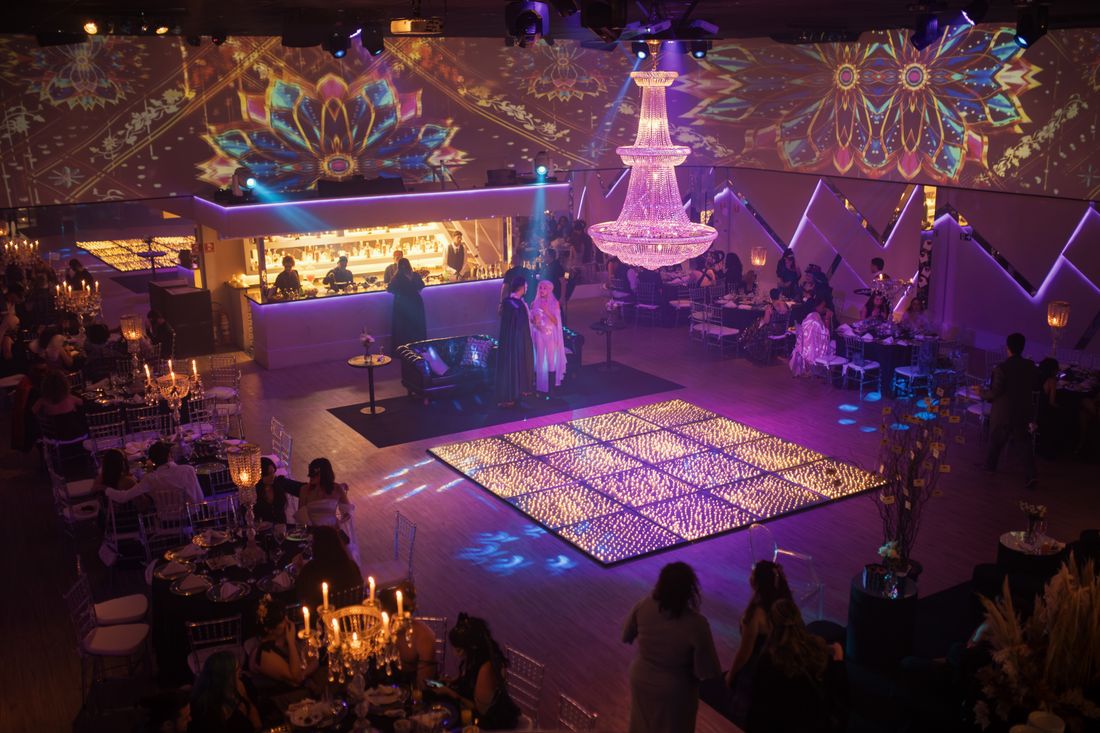
Dark doesn't have to mean grainy. That's the part clients usually don't believe until they see it, because their own experience is a rooftop lounge or a dim restaurant private room turning every.
Read Article →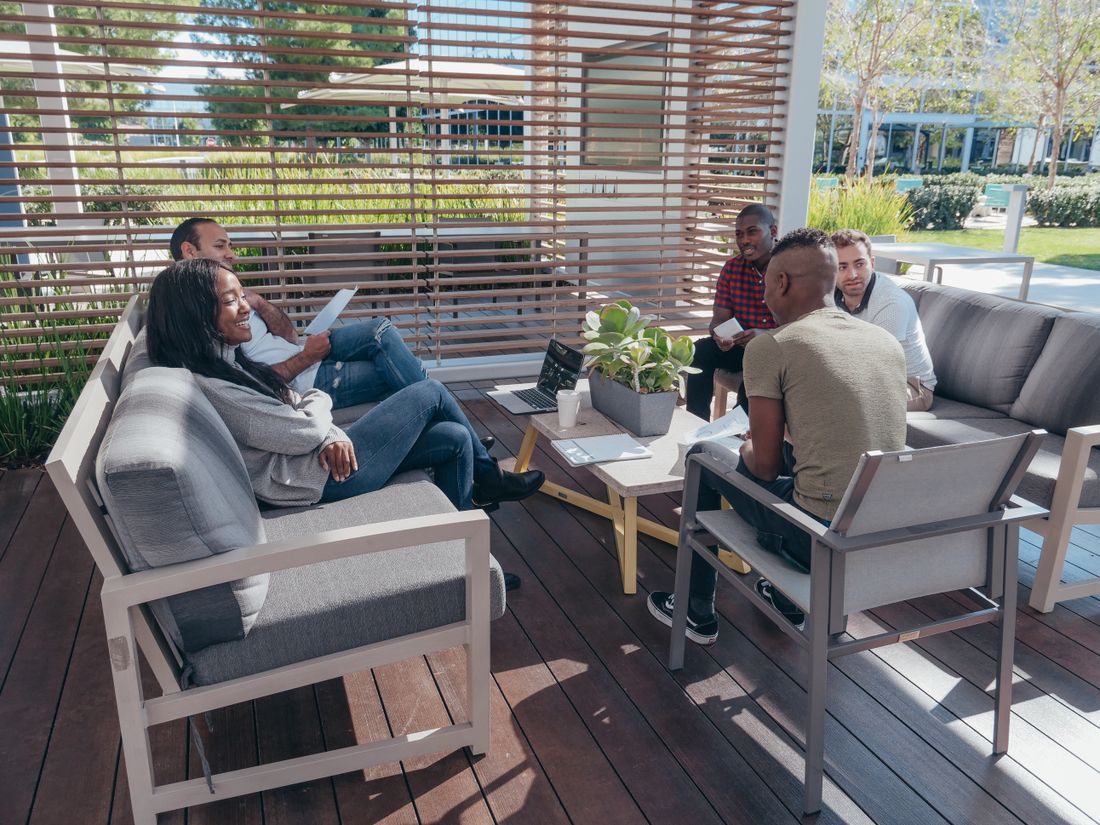
Ask me to shoot a company offsite the same way I'd shoot a conference and the coverage misses the entire point of the retreat. A conference has a stage, an agenda, and a run of show to work from.
Read Article →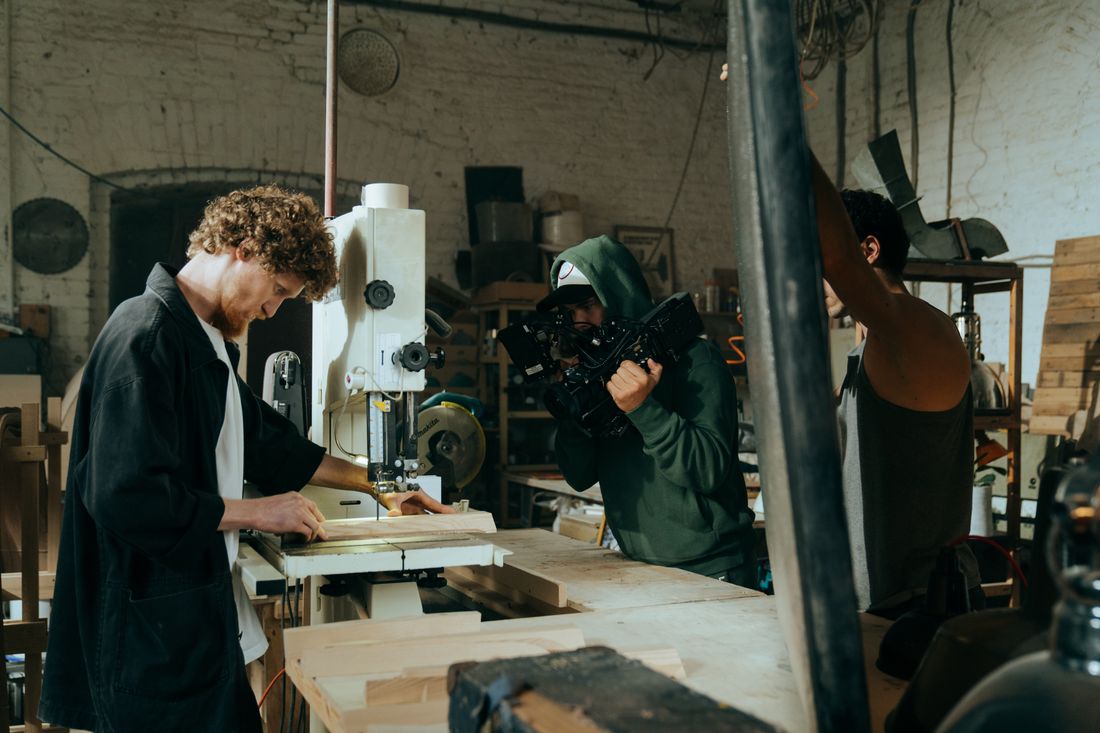
A founder day-in-the-life video is one of the easiest formats to pitch and one of the easiest to get wrong.
Read Article →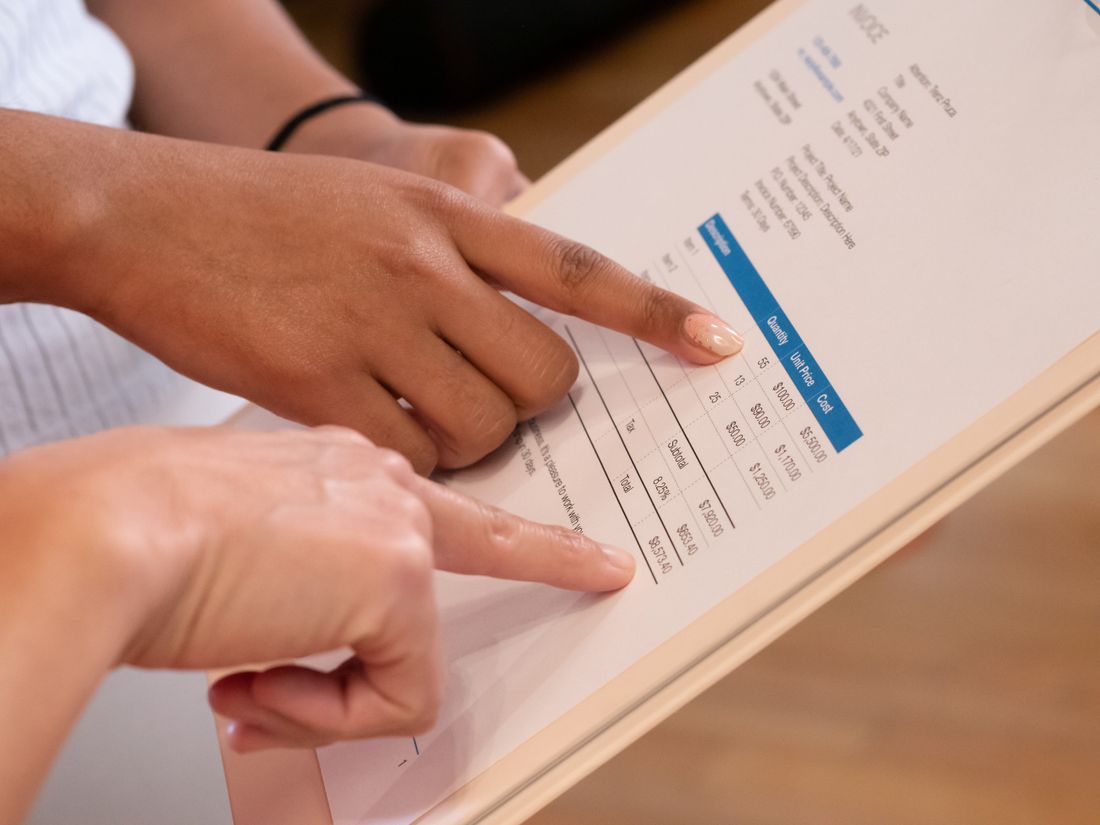
I get the same question from people staring at two quotes for what should be one event: why does the video number look nothing like the photo number.
Read Article →
Ask a nonprofit board what their photo budget needs to cover and the conversation usually drifts toward a full corporate headshot day — every staff member, matching backdrop, the works.
Read Article →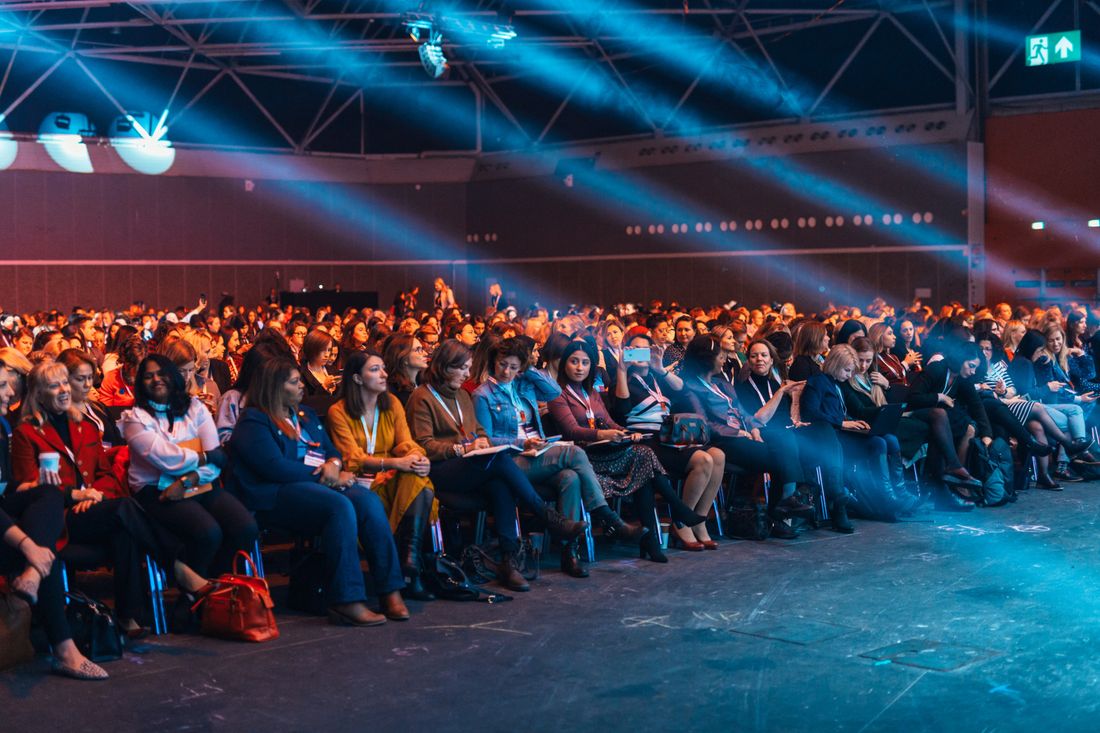
A sales kickoff isn't one event — it's three, stacked into two or three days: a stage program that sets the year's targets, an awards segment that puts names on stage in front of the whole revenue.
Read Article →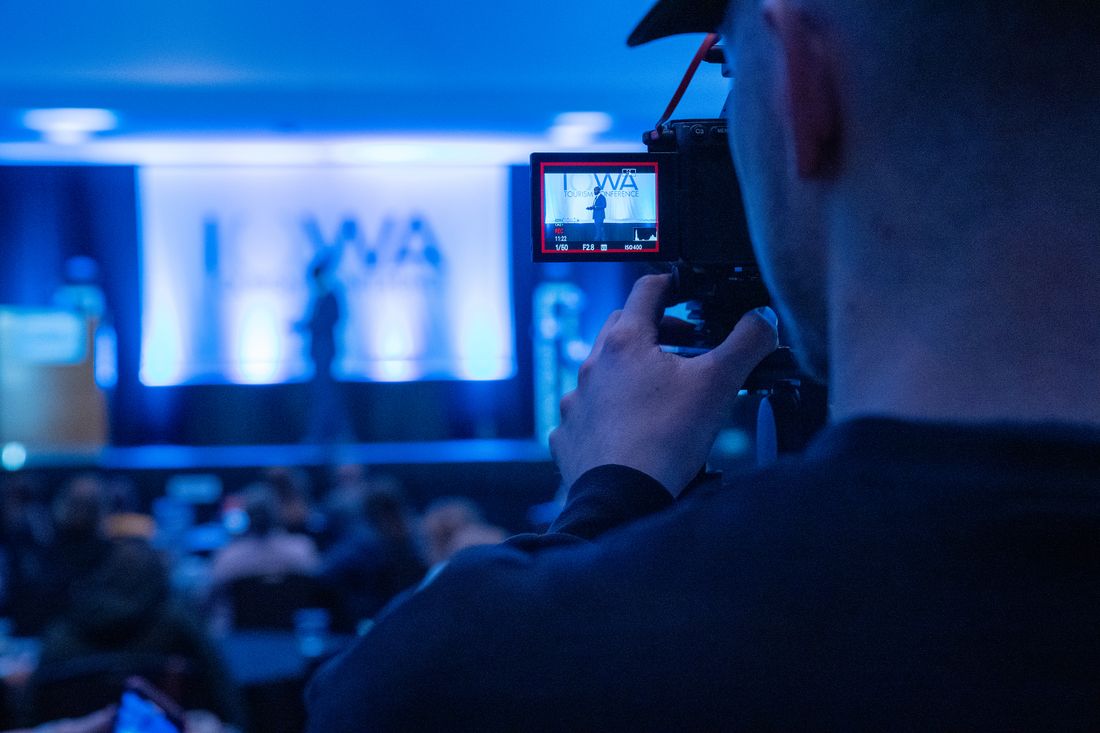
A great talk doesn't sell the next one on its own. The room that heard it remembers for a week, then moves on to the next thing — what keeps working after everyone's gone home is footage, and most of.
Read Article →
Every event date I book carries a quiet assumption underneath it: that the date will hold. Most of the time it does.
Read Article →
I've spent a lot of time on law firm headshot sessions — walking into a conference room, setting two lights, and getting fifteen attorneys photographed in a consistent style so the website doesn't.
Read Article →
A staff headshot day works because everyone's already in the building. I don't think a board of directors portrait session gets that luxury, and treating it like one is where most of the friction.
Read Article →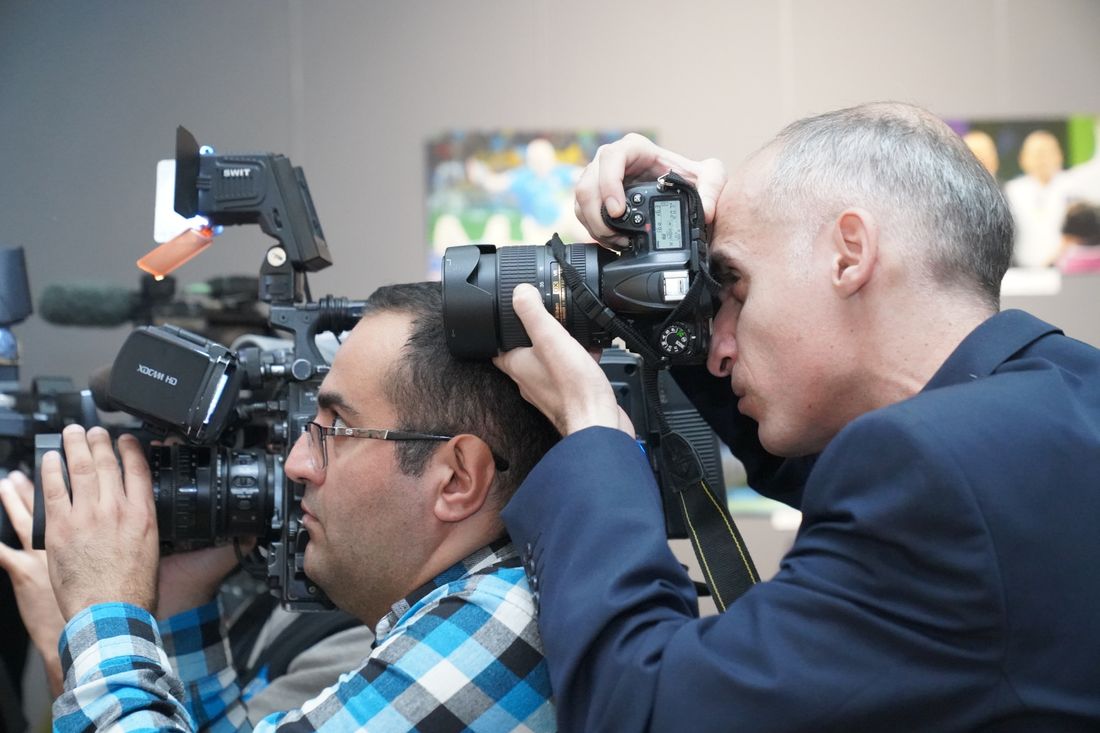
A press event isn't short on cameras. Reporters show up with their own gear, shoot what serves their story, and leave to file it on their own schedule, if it runs at all.
Read Article →
Somewhere in every company's headshot conversation, someone suggests redoing the set "every couple of years" and everyone nods, because it sounds reasonable and nobody has a better rule ready.
Read Article →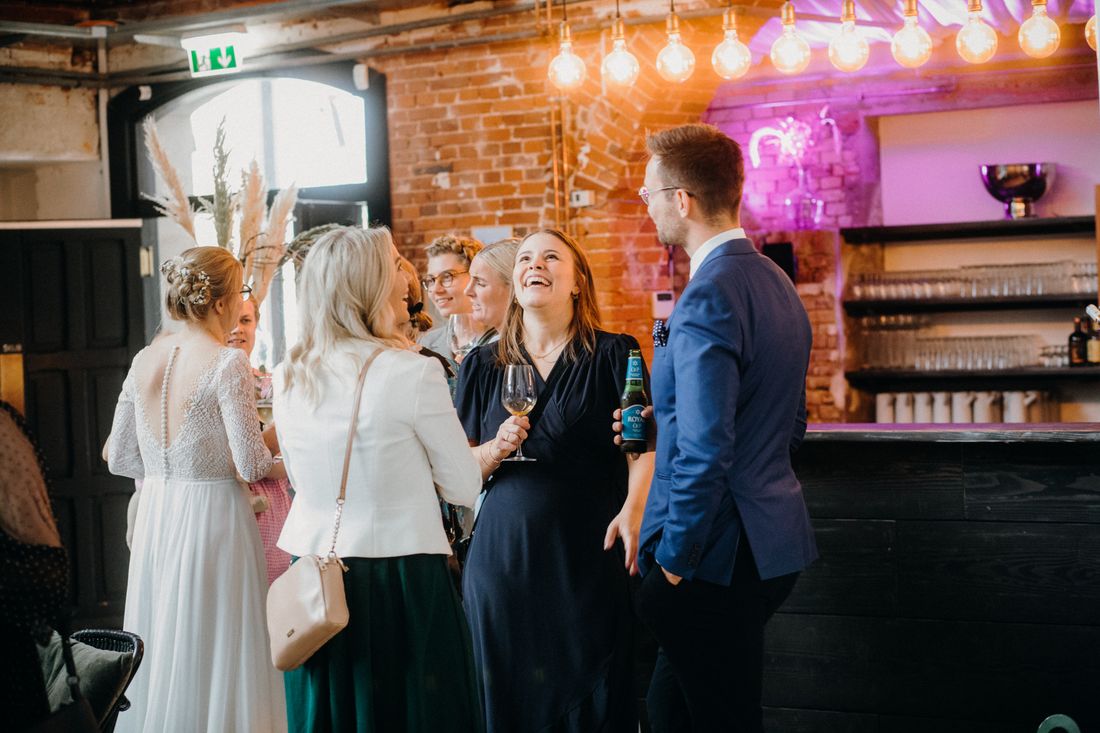
Ask me for the shot list on a networking event and I'll tell you there isn't one. No keynote to time, no award to catch mid-handshake, no run of show to check against.
Read Article →
Most About pages that have a video get the video wrong in the same way: someone shot it like a miniature brand film, an opening shot of the office, a few seconds of b-roll, a founder narrating.
Read Article →
People ask me how far ahead they need to book like it's a single number, the same for a headshot refresh and a three-hundred-person gala. It isn't.
Read Article →
A client who is genuinely great at their job usually can't read a script out loud and sound like a person. Hand someone three sentences of marketing copy and ask them to say it to a camera.
Read Article →
People choosing between a half day and a full day tend to do it with arithmetic — add up the hours the event runs, compare that number to a package threshold, and book whichever side of the.
Read Article →
A leadership announcement is one of the few pieces of company content with a publication date set before the content exists. The press release is drafted, the date is locked, and the person.
Read Article →
An awards ceremony doesn't give you a second take. Most events have slack built in — a candid moment you miss becomes a different candid moment ten minutes later. A ceremony hands you a.
Read Article →
"Professional but not corporate" isn't a style — it's the absence of one. Ask a fast-growing startup what its headshots should look like and that's the instruction most photographers get.
Read Article →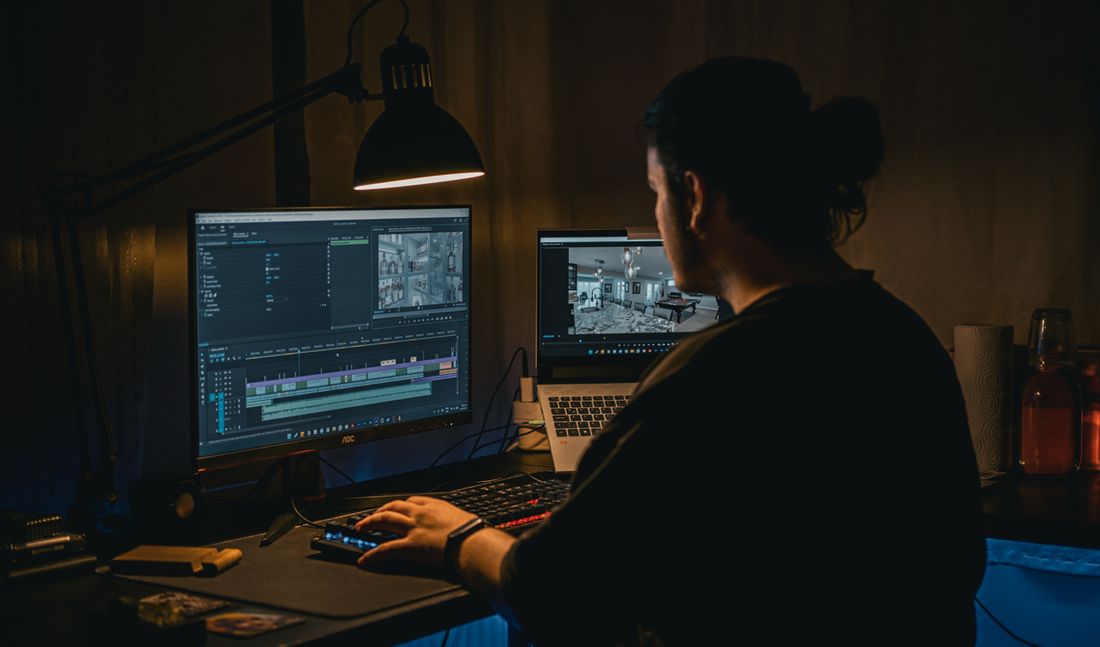
Someone always asks the same evening the invitations go out: can we have this by tomorrow morning? It's a fair question, and the honest answer is usually yes — for part of it. What rush.
Read Article →
Most founders book a shoot day expecting a quarter of LinkedIn content and walk away with three weeks of it, and the difference almost never comes down to who was behind the camera.
Read Article →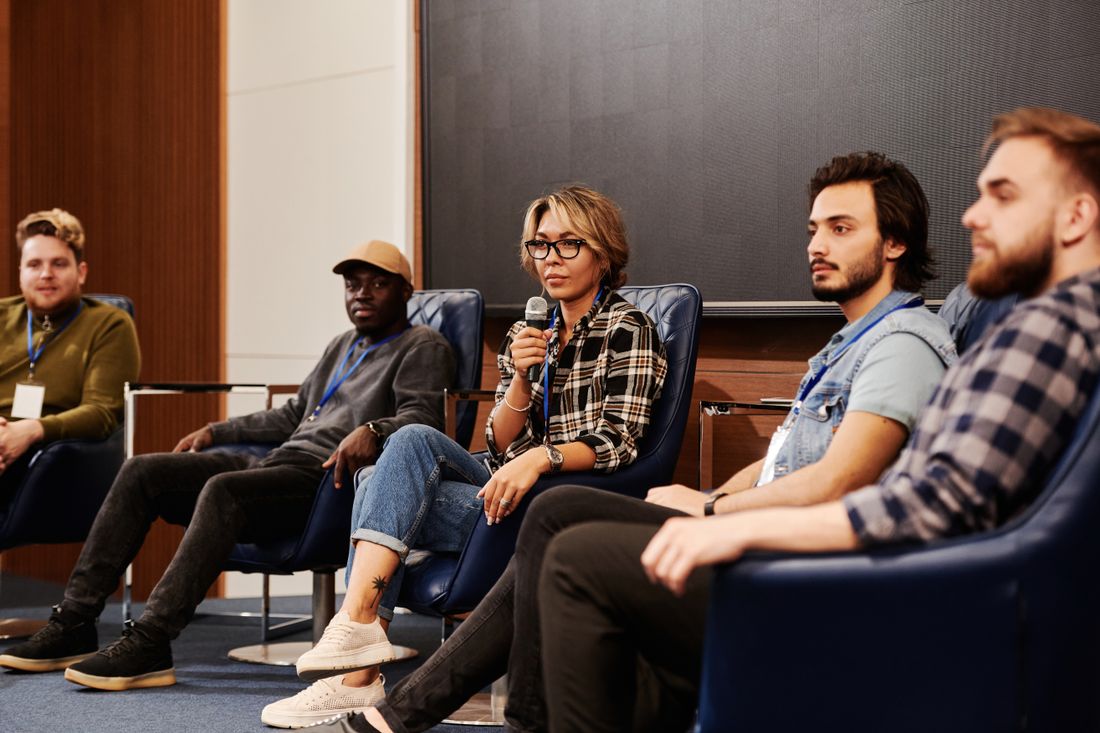
Panels are the part of a conference agenda everyone treats as an afterthought — the keynote gets a full crew, the panel gets a camera in the back of the room. But four people in chairs is.
Read Article →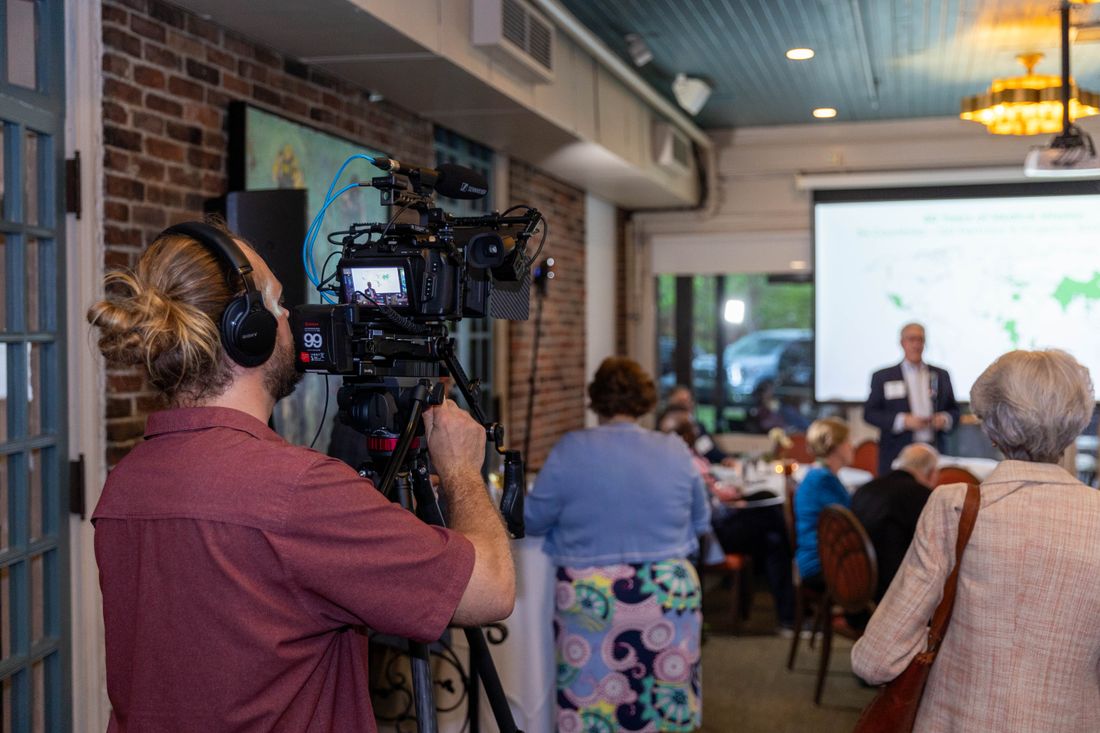
A second shooter isn't more photos. It's coverage of moments that happen at once and can't be restaged — when it earns its cost, and when it doesn't.
Read Article →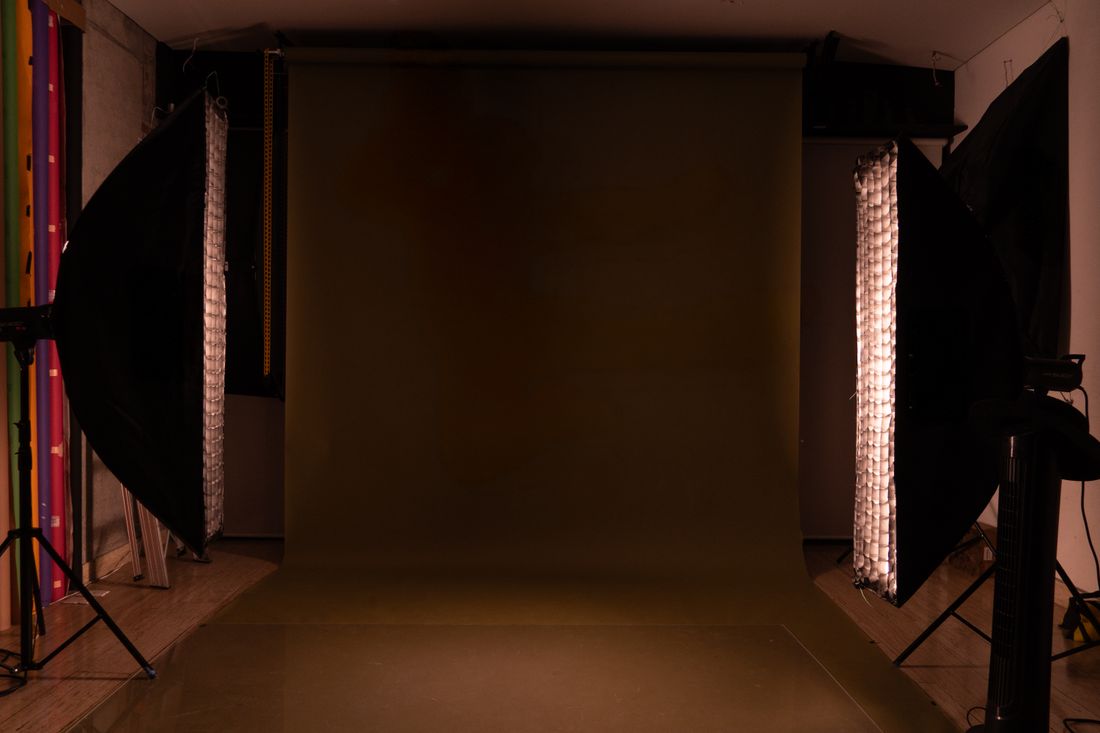
A written portrait standard, not "match the existing ones," is what keeps headshot style consistent across multi-office and remote teams over time.
Read Article →
What a founder portrait actually needs to survive on a pitch deck team slide: size, crop, background, expression, and file specs that hold up small.
Read Article →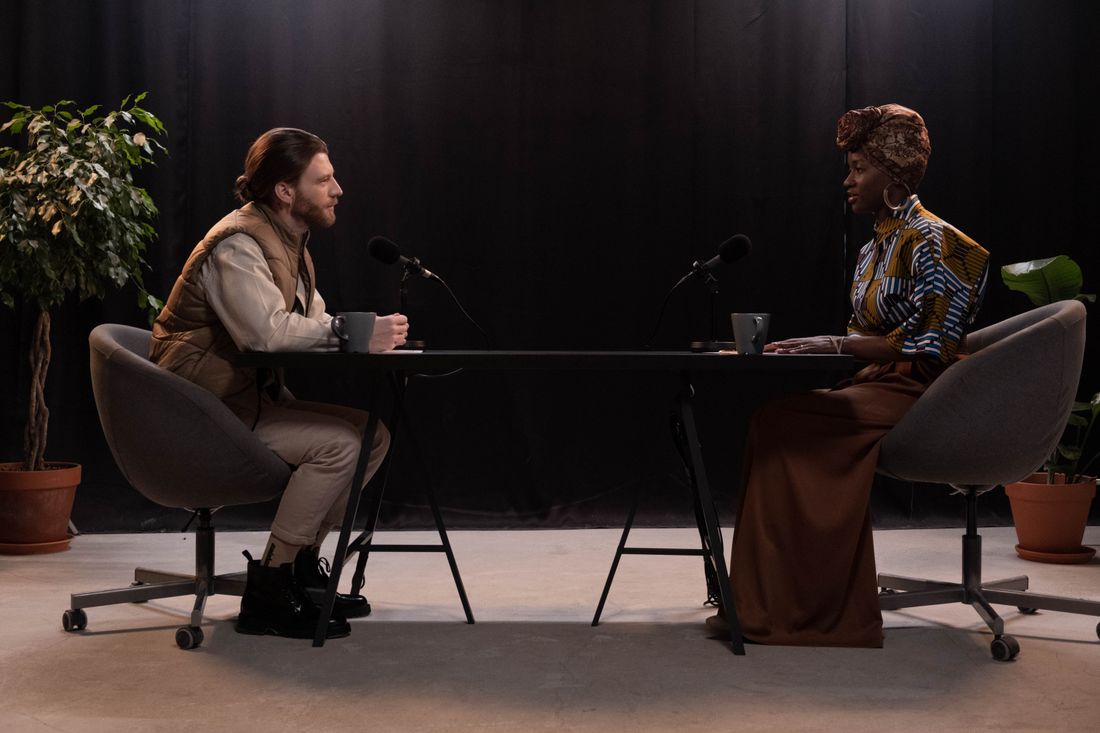
One podcast guest spot or panel seat can produce a portrait, video clips, and quote graphics — but only if you plan the capture before you show up.
Read Article →
A laptop and a video link aren't a webinar production. Here's the lighting, audio, framing, and backup-recording layer a virtual event still needs on the day.
Read Article →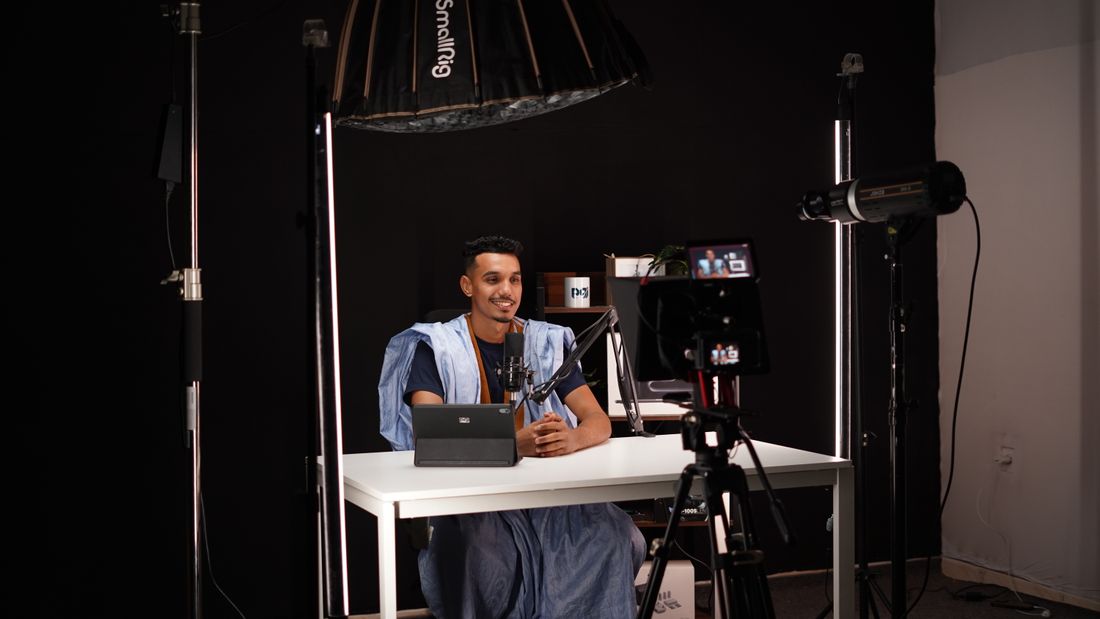
Before committing to a monthly thought-leadership series, one well-made video tells you if the format, the person, and the argument actually work.
Read Article →
Plan healthcare provider headshots in NYC that read as credible and approachable at once, from white coat choices to consistency across a practice.
Read Article →
Switching industries or going from employee to founder? Here's what to actually change in your personal brand photos and message, and what carries over.
Read Article →
One highlight reel doesn't fit LinkedIn, Instagram, and your website equally well. Here's how the edit should actually split by platform and why.
Read Article →
What a company rebrand needs on camera to prove the change is real: before/after contrast, the unveiling moment, and refreshed team, office, product content.
Read Article →
A headshot station can double as a conference perk or a company event activity that also solves HR's outdated staff photo problem. Here's when it fits.
Read Article →
Booking a headshot station for your trade show booth? Here's the real footprint, setup timing, and hourly throughput to plan around before the show opens.
Read Article →
A headshot station and a photo booth aren't the same thing. Here's the real difference — who runs it, what you get, and why NYC guests queue for one.
Read Article →
There's no fixed number for event photos — it's a ratio tied to hours, room size, and program density. Here's how Core Visuals sizes coverage to fit.
Read Article →
Before a raise, a short list of photo and video needs to exist — founder portrait, product footage, team shots. How to scope it. Production guidance only.
Read Article →
Buyers and press need something a runway show doesn't give them: time to actually look at the garment. This is the showroom side of the calendar, not the catwalk.
Read Article →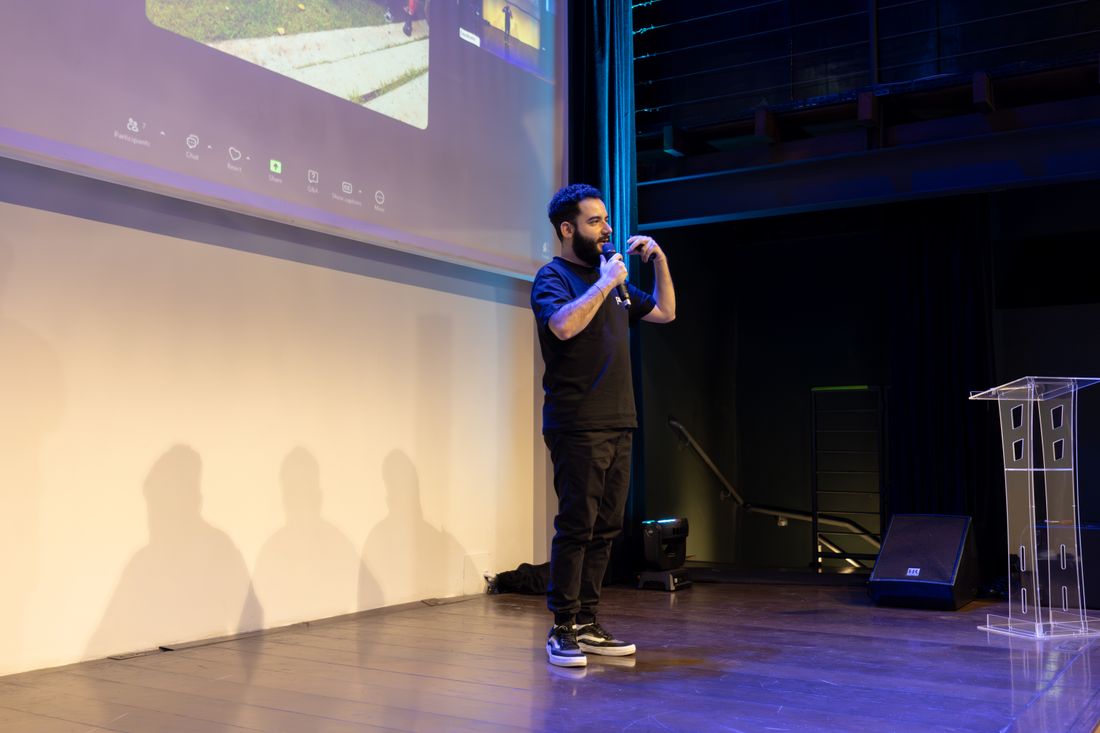
The photo on the program and the clip on the marketing page don't happen by accident. They get planned weeks before you walk on stage, not the week of.
Read Article →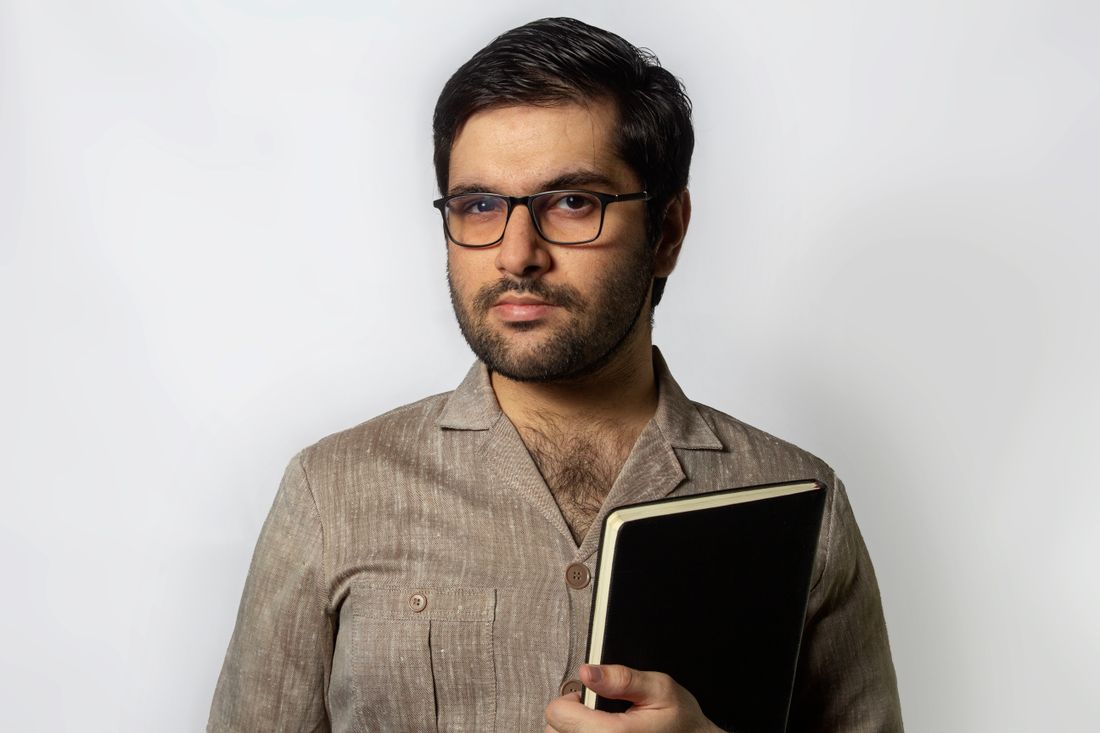
A creative headshot can take risks. A wealth manager's headshot is the first thing a client judges before trusting them with money.
Read Article →
"We've worked together before, can we get a better rate?" The honest answer is more specific than clients expect.
Read Article →
Hourly and packages cross over at a predictable point. Here's the real math on when a package wins.
Read Article →
This comes up on almost every intake call. It's a production decision, not an attempt to hide anything.
Read Article →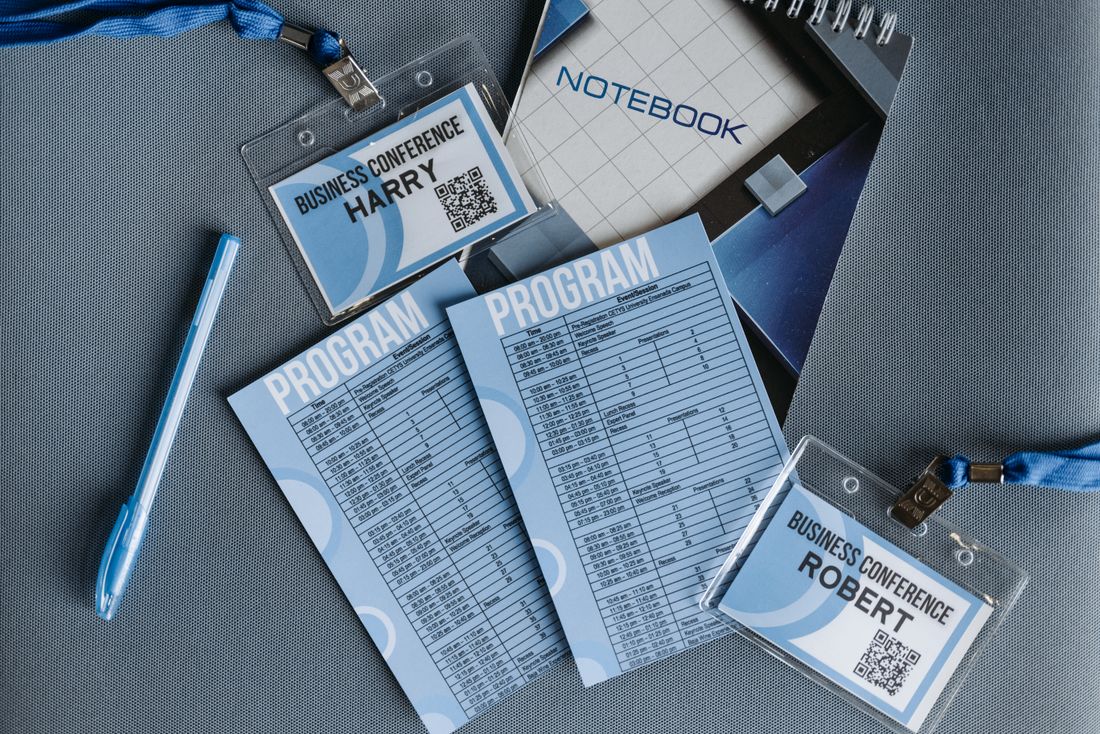
A three-day conference isn't the single-day rate times three. Here's what actually moves the number.
Read Article →
Every company wants its holiday event on roughly the same eight weeknights. That's the whole booking problem.
Read Article →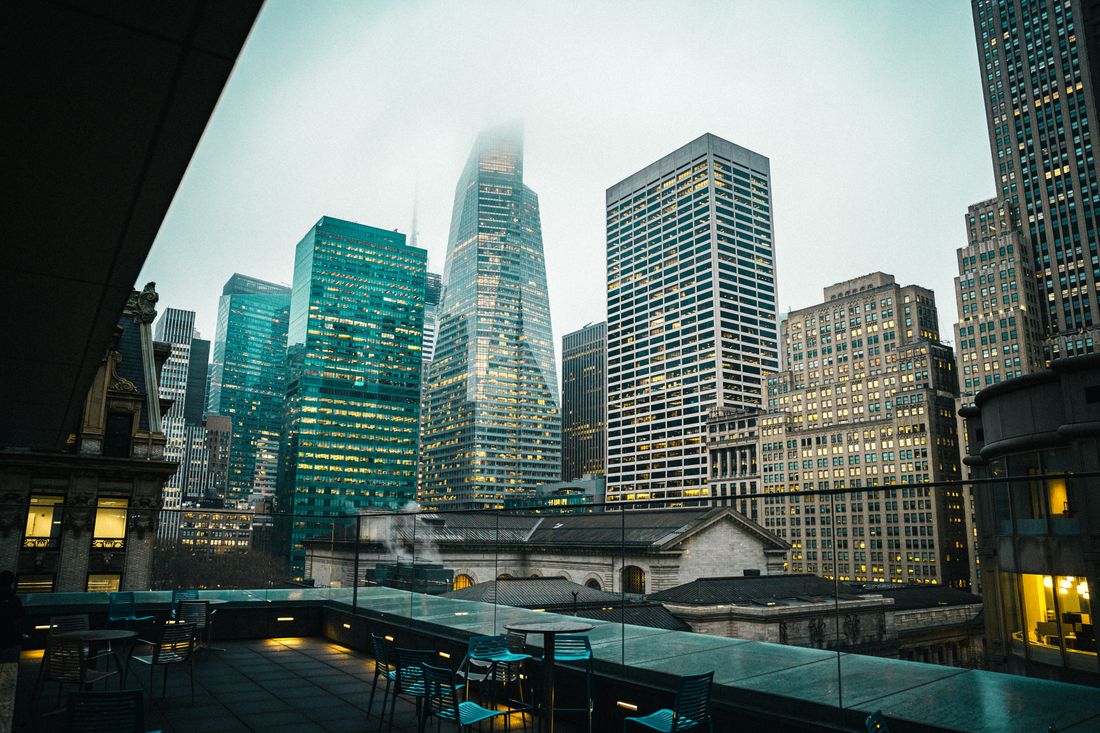
A rooftop venue sells itself. The light on it changes by the minute, and the coverage plan has to keep up.
Read Article →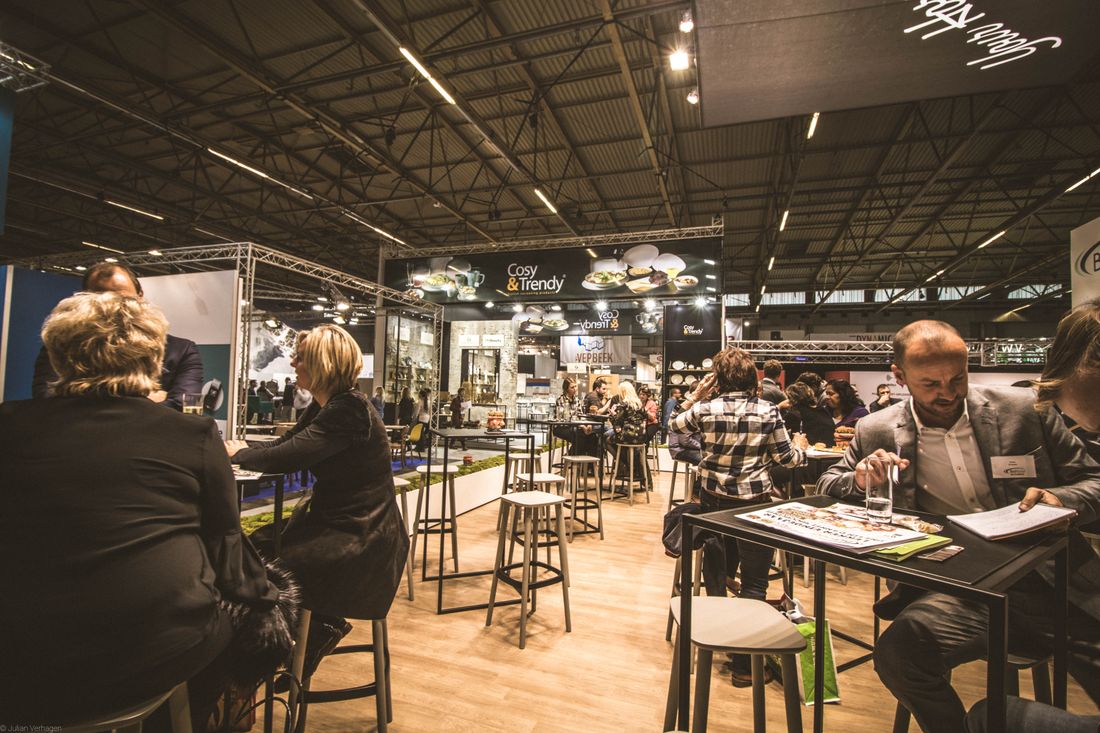
Not every booth needs a video crew. Some just need a photographer who knows what proof-of-attendance looks like.
Read Article →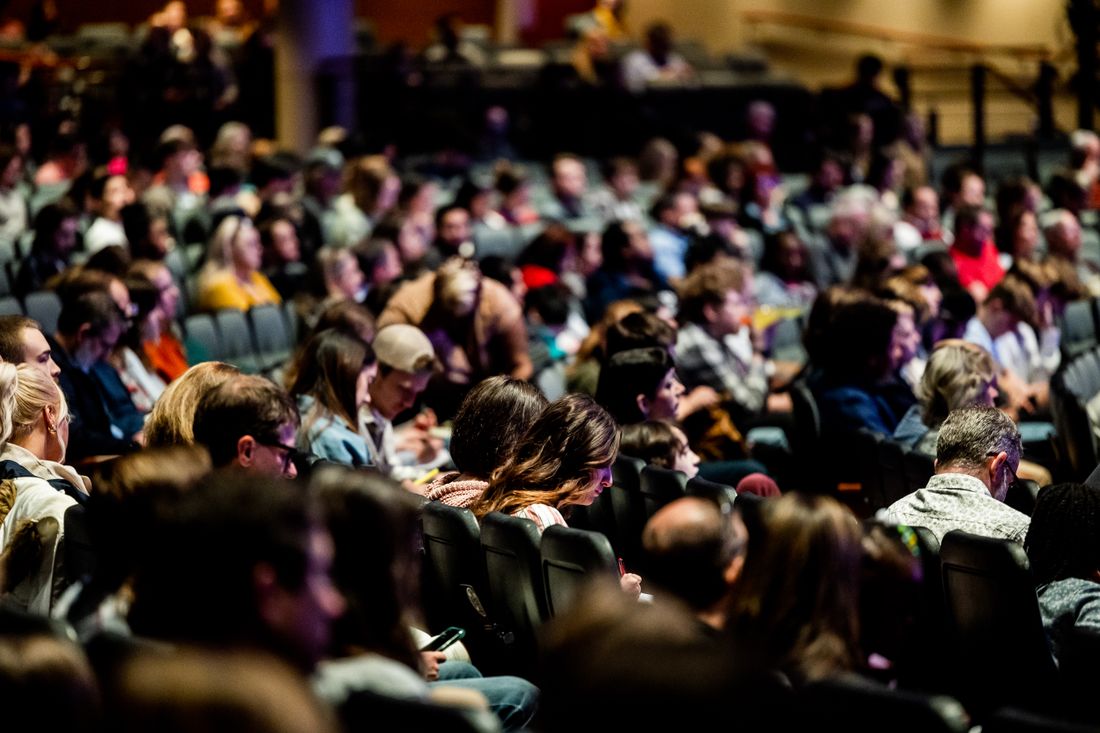
A recurring status update doesn't need a video crew. A reorg announcement to a mostly-remote company probably does.
Read Article →
A ceremony this short doesn't need a hundred photos. It needs the right five, done well.
Read Article →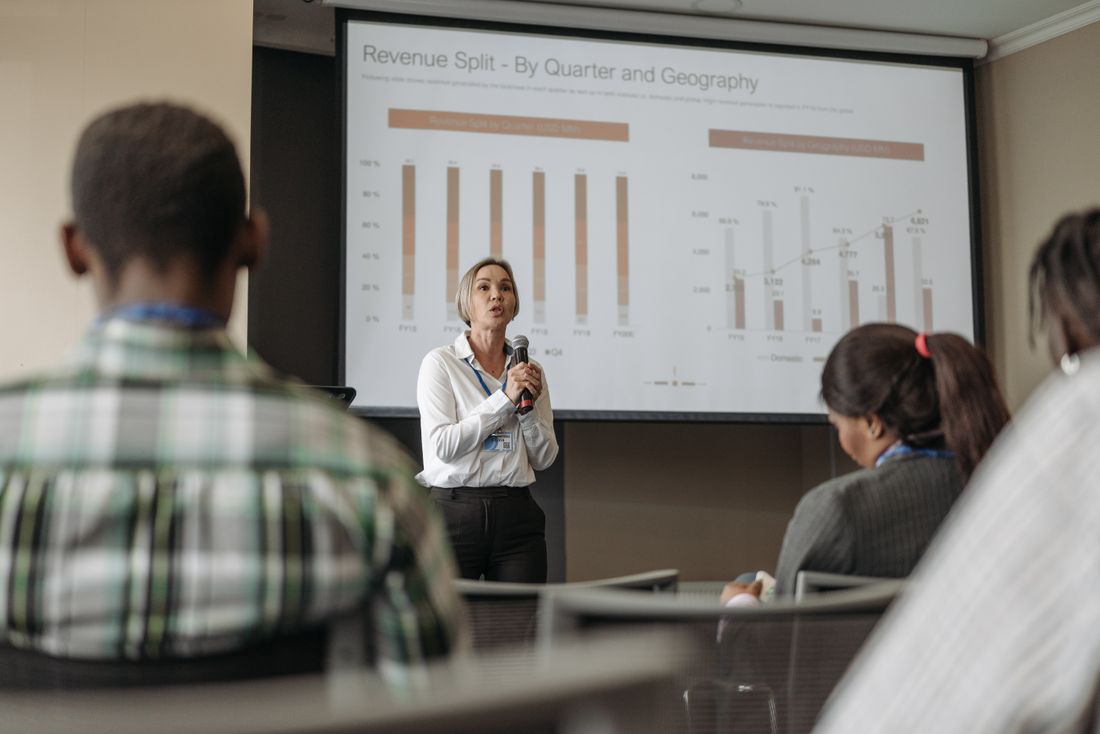
An investor day doesn't need to feel exciting. It needs to be accurate, legible, and complete — a different brief than most corporate events.
Read Article →
A demo day isn't a smaller launch party. The product needs to be legible on camera, not just the room energy around it.
Read Article →
Every tech conference reel looks the same until someone shoots what's actually on stage, not a stock conference shot list.
Read Article →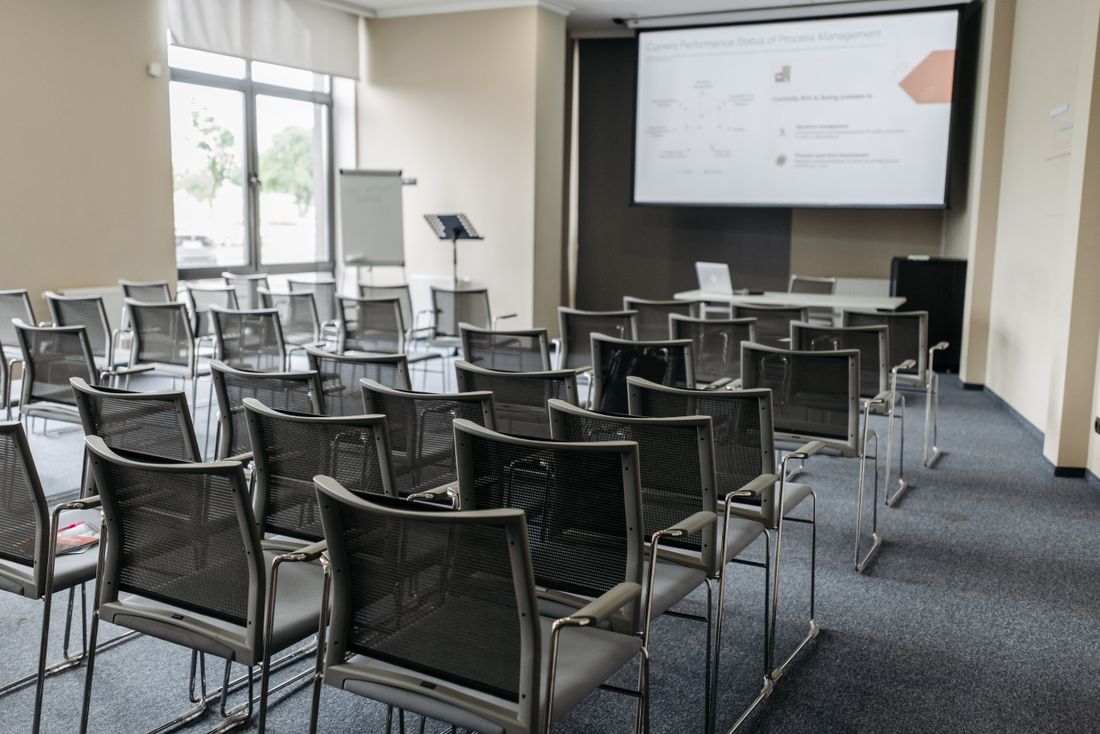
A gala performs for a room. An annual meeting has to hold up afterward as a record. The coverage plan should know the difference.
Read Article →
A client reception isn't a wedding. What gets photographed — and where those photos end up — needs a different set of rules.
Read Article →
A great real estate headshot has to survive being shrunk to a thumbnail next to twenty competitors. What actually makes it work.
Read Article →
A book launch needs an author portrait, event coverage, and social clips — three deliverables, not one generic event package.
Read Article →
"Unlimited usage rights" is on almost every quote. What it actually covers, and what it doesn't, before you need to know.
Read Article →
Same guest list, same program, completely different coverage plan. What actually changes when the venue changes.
Read Article →
A drone shot isn't automatically an upgrade. When scale genuinely helps the story, and the real NYC permit rules.
Read Article →
Same-day delivery is a different workflow, not a faster switch. Which NYC events actually need it, and which do better on standard turnaround.
Read Article →
Content is what a personal brand produces. A point of view is what makes any of it worth producing — and it decides format and frequency too.
Read Article →
The room, and everyone who missed it. Most gala coverage only plans for the first one — here's what each audience actually needs.
Read Article →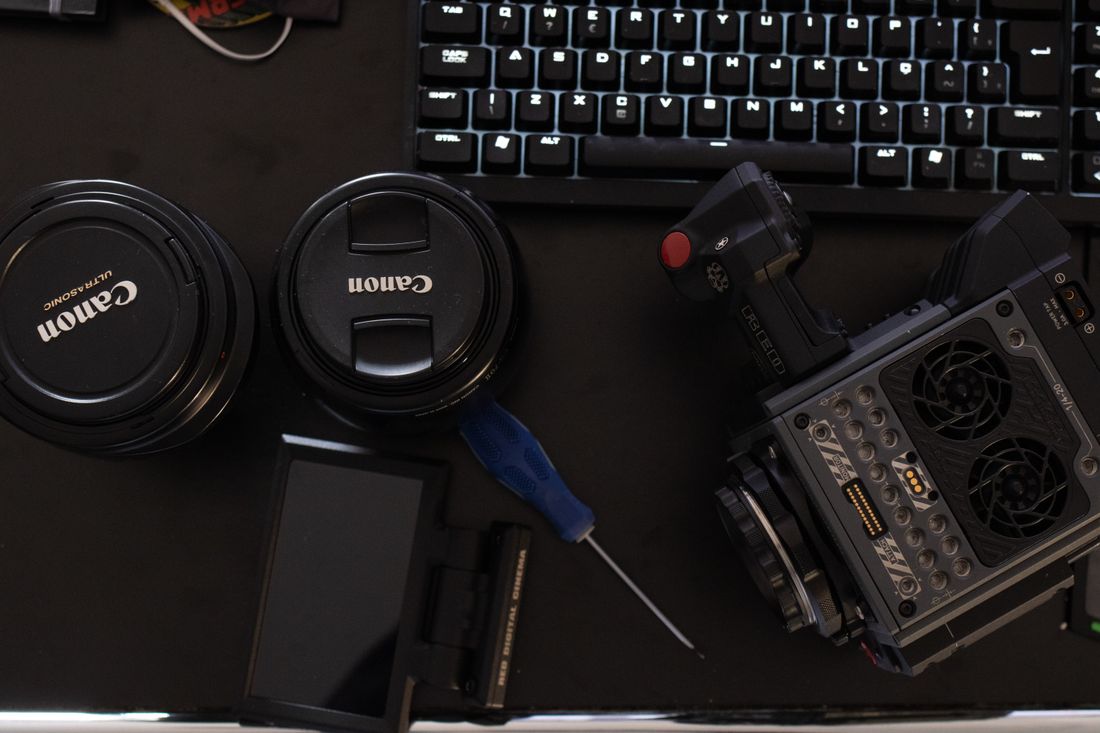
The right answer isn't about budget. It's about how fast your message goes stale.
Read Article →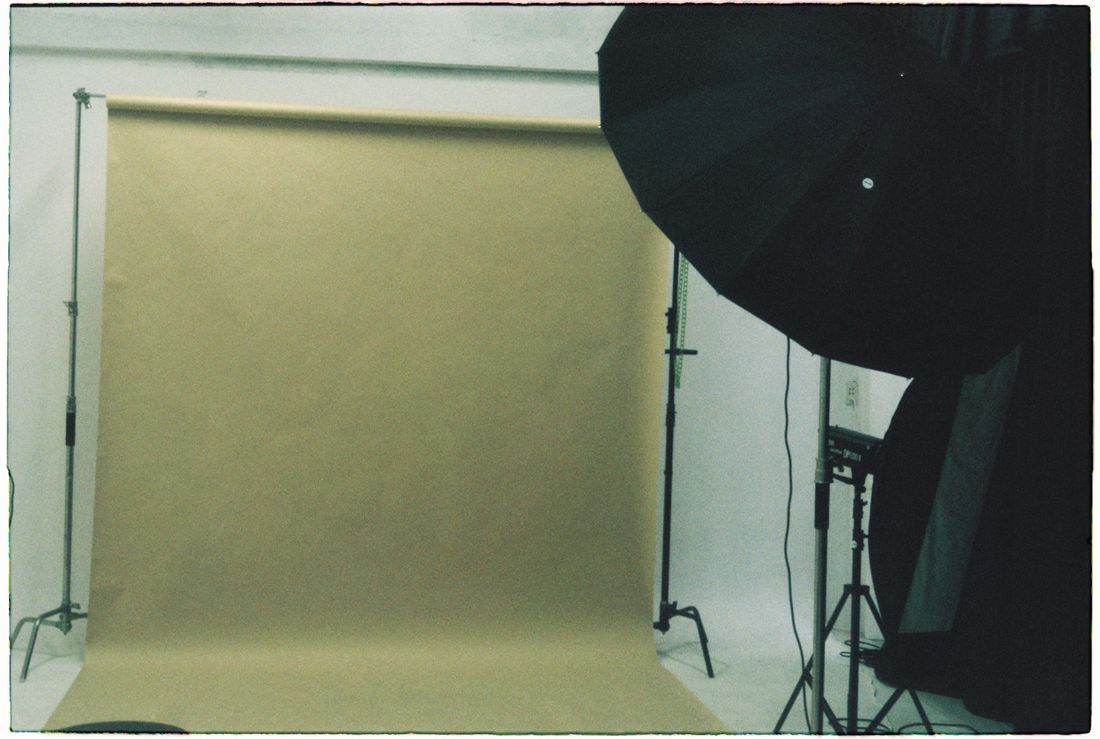
The photography is the easy part. Scheduling slots, backup lists, and approval are what turn a headshot day into a lost afternoon — or don't.
Read Article →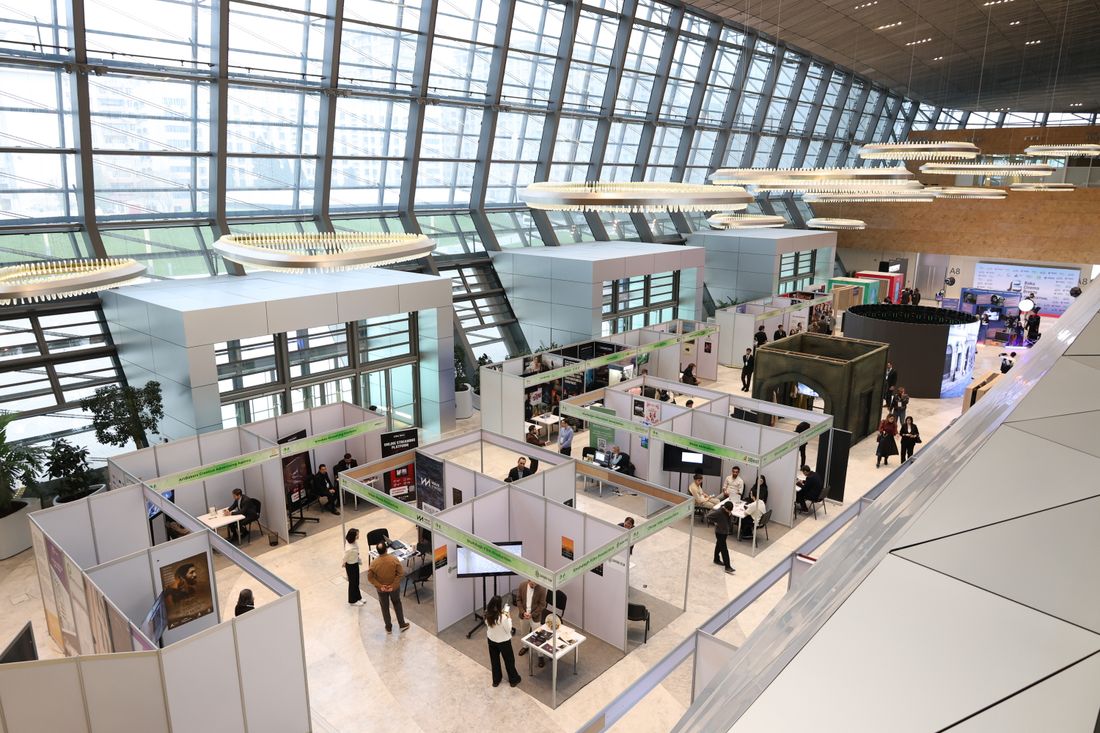
Most trade show video is a crowded aisle looking busy. Interview clips, a clean demo, and a recap with a job are what still earn their keep after.
Read Article →
A photo answers what you look like. Video answers what you're like. Most requests only need one of those solved well.
Read Article →
Five things change coverage: event type, timing and location, hours, what the photos are for, and the moments that can't be missed. Everything else is optional.
Read Article →
A highlight reel gets watched hardest the week it lands. Session clips, sponsor stills, and the photo library are what still earn their keep six months later.
Read Article →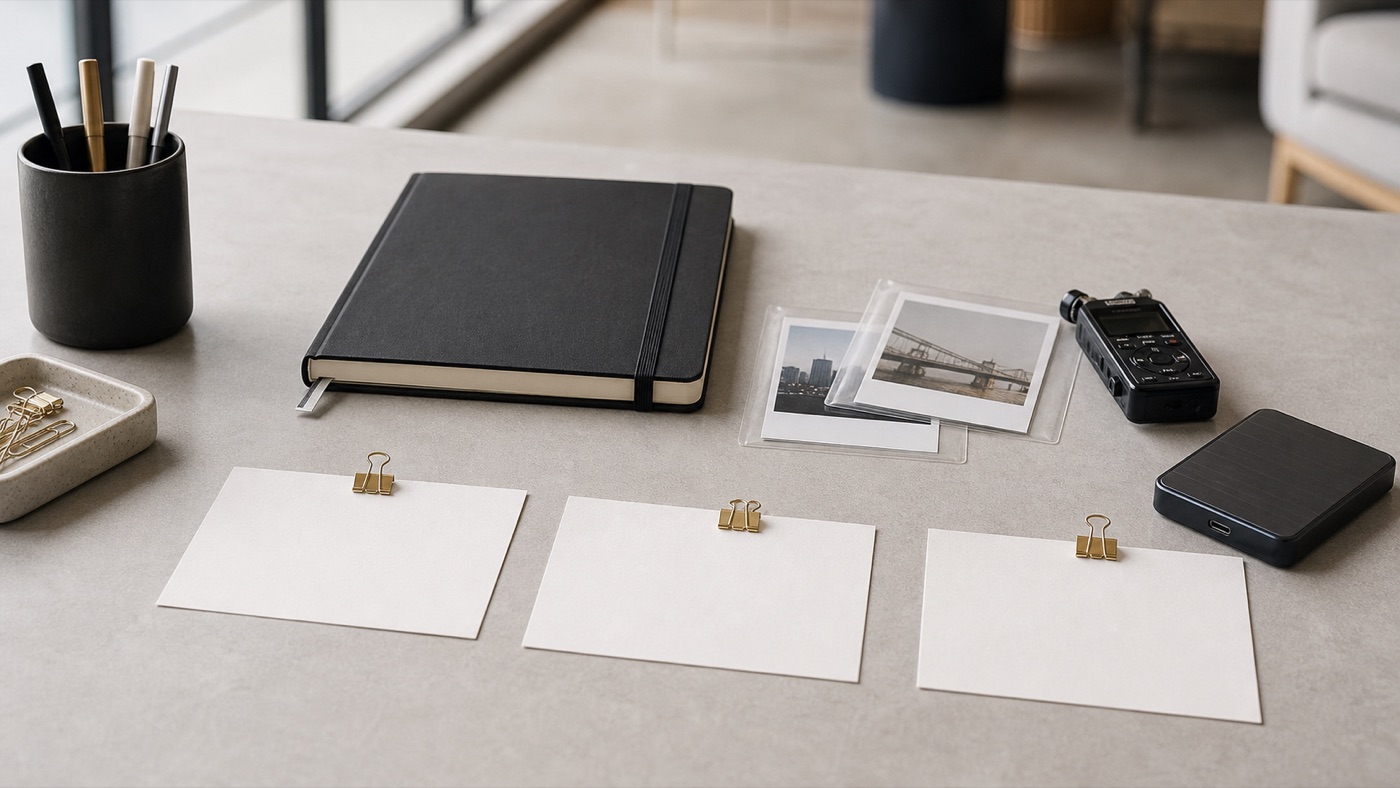
Plan the announcement, the live release, and the follow-up as one useful photo and video library instead of three unrelated emergencies.
Read Article →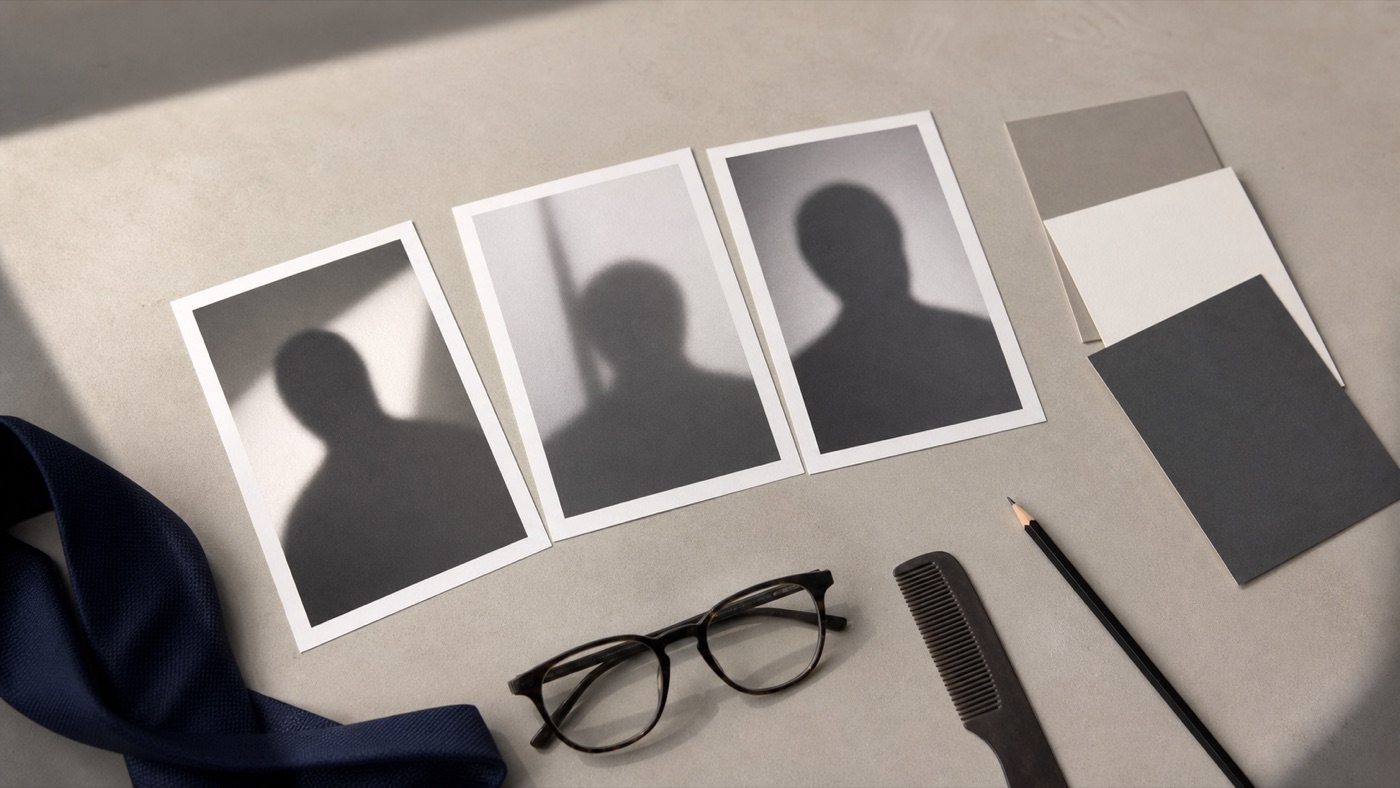
Keep the lighting, background, crop, and retouching consistent. Leave enough room for each attorney to look like the person a client will meet.
Read Article →
A useful quote explains the coverage plan, crew, editing, delivery, and rights behind the total. The camera is the easy part to recognize.
Read Article →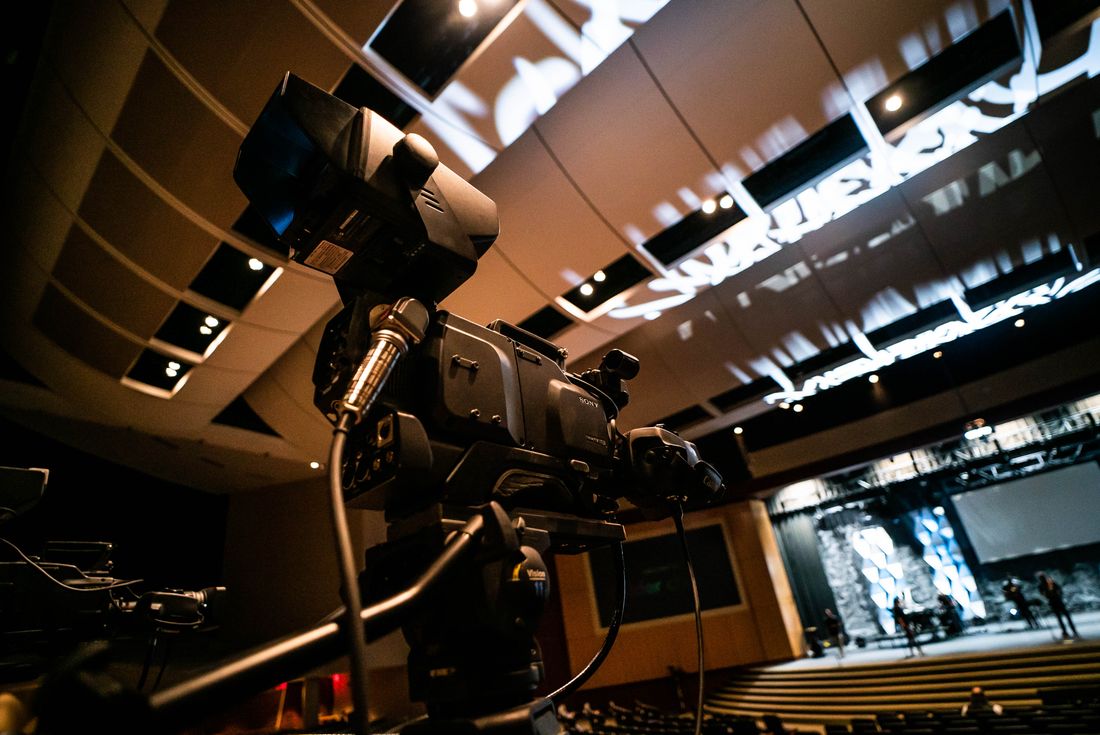
Two very different deliverables get lumped together as "video." What separates them, and which one your event actually needs.
Read Article →
Stock photos aren't dishonest by default. They become dishonest the moment they're passed off as your team, your office, your culture.
Read Article →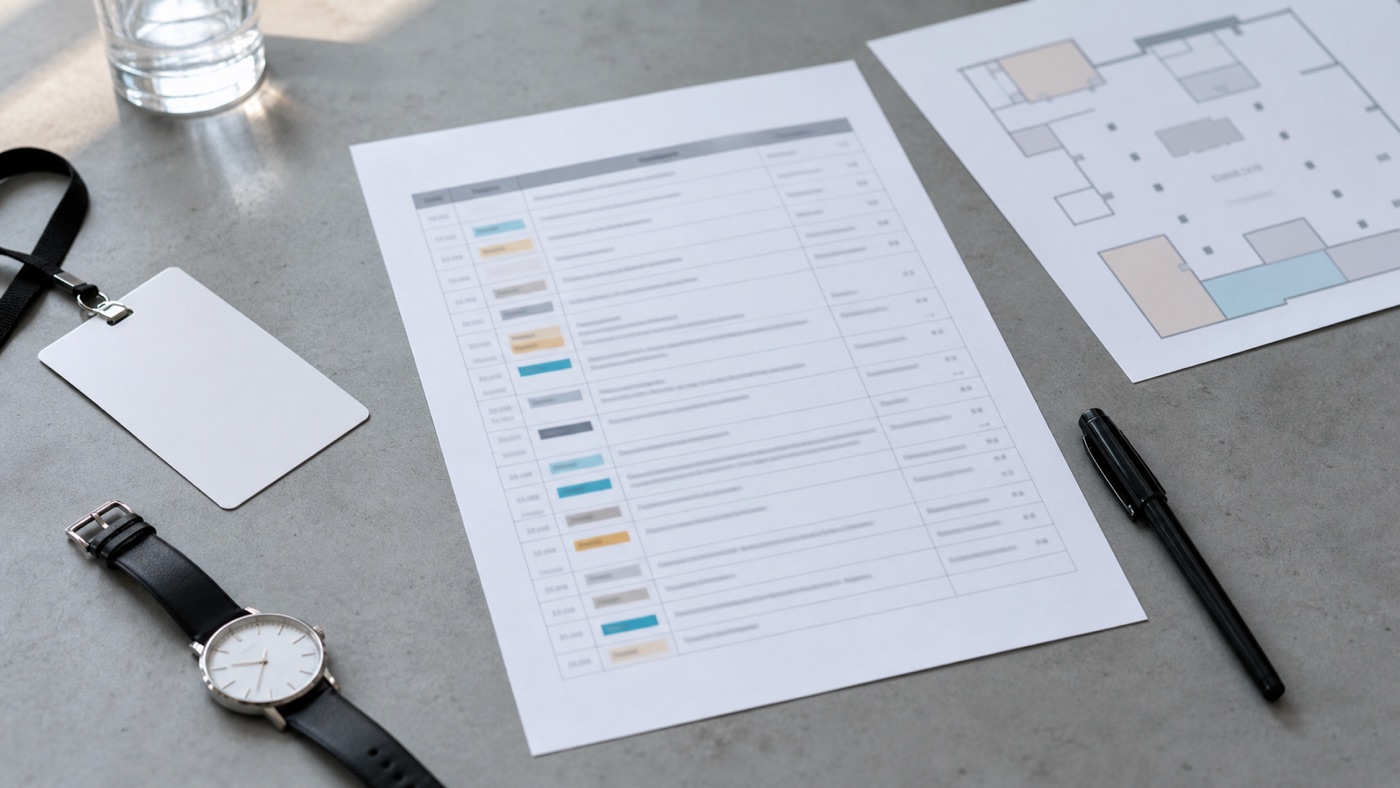
A useful run of show reveals the rooms, audio needs, overlaps, and unrepeatable moments that turn an event schedule into a real coverage plan.
Read Article →
A useful first content set is smaller than the platform list. Build recognition, explain the business, show proof, and skip the twelve-platform circus.
Read Article →
The expensive stuff in the bag is the easy stuff to replace. A working pro's framework for sorting gear by recovery time — and the six habits that keep the danger zone empty.
Read Article →
Stop scrambling for last-minute photography and video. How to plan your corporate visual content needs a year ahead—budgeting, scheduling, and avoiding the content gaps that make marketing teams panic.
Read Article →
What separates professional corporate photography gear from consumer cameras—and why it matters for your business photos. The equipment breakdown without the gear obsession.
Read Article →
Client appreciation events done right create content that strengthens relationships. How to use event photography for actual relationship marketing—fast delivery, personalized follow-up, strategic content use.
Read Article →
Holiday party photography that doesn't make your team cringe. How to document the event professionally without awkward poses, forced smiles, or photos no one wants to see.
Read Article →
The wardrobe choices that make headshots look polished vs amateur—solid colors, proper fit, minimal distractions. What works, what doesn't, and how to coordinate your team.
Read Article →
Stop wasting budget on the wrong coverage. Learn when to hire a photographer, videographer, or both for your NYC event—based on actual content strategy, not guesswork.
Read Article →
Color in corporate videos isn't about being trendy—it's about not accidentally telling your audience the wrong story. Here's what actually matters and what's just overthinking.
Read Article →
Office photography that attracts top talent in NYC's competitive job market. Learn how workspace visuals impact recruiting, employer branding, and candidate conversion rates.
Read Article →
The difference between retouching that enhances credibility and over-editing that damages trust. What professional headshot editing should (and shouldn't) look like.
Read Article →
Pre-event briefings, shot lists, VIP coordination, and day-of logistics that make professional event photography seamless and effective.
Read Article →
The honest breakdown of conference photography pricing—why cheap packages fail, what premium photographers deliver, and how to calculate actual ROI.
Read Article →
Aerial photography can make your NYC business stand out—but it's not always the right move. Here's what you need to know about drone photography for commercial use.
Read Article →
A Chief AI Officer's first content set has to define the job before it can prove anything about the person. Here's the order that actually works.
Read Article →
ESG and environmental advisory firms need headshots that read as rigorous to boards and regulators, not product-forward like a climate tech startup's.
Read Article →
One event, one address, two lighting environments. Here's what actually adds cost to an indoor-outdoor event day, and what genuinely doesn't.
Read Article →
Interior design firm headshots need warmth over authority. How wardrobe, backgrounds, and expression direction change for a taste-driven design studio.
Read Article →
How Core Visuals covers recurring induction ceremonies for private clubs and membership groups: the ritual moment, portraits, and year-over-year consistency.
Read Article →
How private K-12 schools handle faculty and administration headshots: two registers, term-time scheduling, admissions timing, and directory consistency.
Read Article →No sales pitch. No mystery pricing.
Send us the details, we'll send you options.