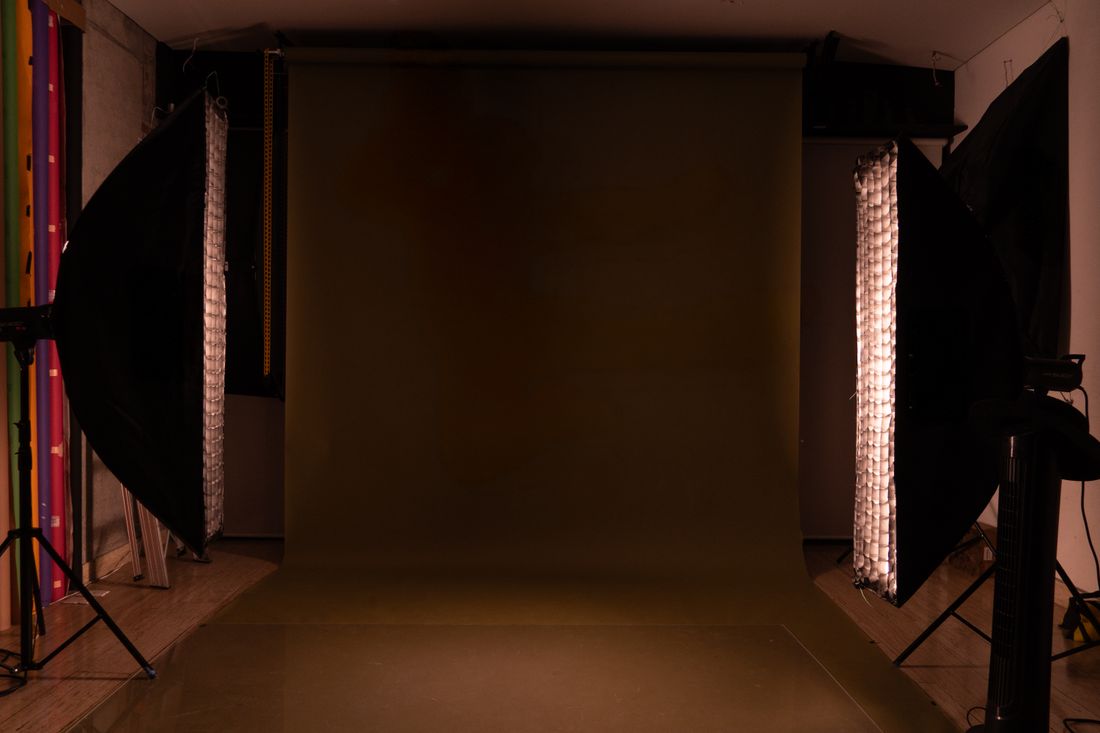
Photo: Core Visuals NYC
Here's the problem nobody names when a company grows past one office: nobody photographed everyone on the same day, in the same room, under the same light. New hires get shot wherever the nearest photographer works. A second location does its own thing. Two years later, someone lines up every headshot on the team page and the set doesn't read as one company. It reads as several. The fix isn't a better photographer. It's a written standard specific enough that any competent photographer can hit it.
Consistency across offices comes from a written portrait standard, not a shared memory of "the old photos." Document background, lighting direction and ratio, lens and camera distance, crop, expression register, and retouching level as explicit values. Any photographer who can hit those six numbers produces a portrait that belongs in the same set, regardless of city or date.
Table of Contents
- Why "match the existing ones" isn't a standard
- The six variables an actual spec has to pin down
- Which variables actually break the grid when they drift
- Why background is the least forgiving variable of all
- How a written spec lets a second photographer match it
- What to do about the people shot in the old style
- Folding in new hires without reshooting the whole team
- Perfectly uniform vs. deliberately consistent (the real tradeoff)
Why "match the existing ones" isn't a standard
Telling a new photographer to "match the existing ones" isn't a standard. It's a guess based on whatever they can see in a handful of reference photos. Multi-office and remote teams need six explicit variables written down: background, lighting direction and ratio, lens and camera distance, crop, expression register, and retouching level.
"Match the existing ones" assumes the new photographer has access to unlimited reference photos, good judgment about lighting ratios, and time to reverse-engineer decisions nobody wrote down. In practice, they get three or four sample photos, a deadline, and whatever gear they normally shoot with. Every gap in the instructions gets filled in by that photographer's own habits (a slightly warmer white balance, a marginally tighter crop, a softer light source), and each gap compounds across offices and years.
That's true whether the second photographer is a hire two years from now or a different vendor Core Visuals brings in for a satellite office. The standard has to live outside any one person's memory.
The six variables an actual spec has to pin down
A written portrait standard needs specific values for six variables: background color and material, lighting direction and ratio (how bright the fill side is relative to the key), lens focal length and camera-to-subject distance, crop and framing, expression register, and retouching level. Vague language doesn't survive a handoff to someone who wasn't in the room.
Background means an exact color value or material, not "something neutral," but a paint swatch, a backdrop-paper roll number, or a wall the team can point to and say "that one." Lighting direction and ratio means naming where the key light sits relative to the subject and how much softer the fill side is, expressed as a ratio a lighting kit can actually reproduce. Lens and distance means the focal length and roughly how far the camera sits from the subject, since a wider lens closer in changes facial proportions in ways a longer lens further back does not.
Crop, expression register, and retouching level round out the six, each one small on its own, but together they're what makes a headshot recognizably part of the same company set.
Which variables actually break the grid when they drift
Lighting ratio and crop are the variables that quietly wreck a matched set, while expression register and exact retouching intensity turn out to matter less than people assume. A grid of headshots reads as inconsistent long before anyone can say why. It's usually the ratio between key and fill light shifting from office to office, not who smiled more.
Lens and distance drift almost as quietly. Swap a 50mm shot close-in for an 85mm shot from across the room and the same person's face reads structurally different, even with identical lighting. What barely registers, in practice, is a slight difference in expression warmth or retouching intensity from one sitting to the next; viewers read those as personality, not inconsistency. That asymmetry is useful: it tells a team exactly where to spend enforcement effort and where a little natural variation is fine.
Core Visuals treats lighting ratio and crop as the two non-negotiables on every headshot job precisely because they're the ones a viewer notices without being able to say why.
Why background is the least forgiving variable of all
Background is the least forgiving variable in the set because it's the one part of the image with zero ambiguity. A viewer's eye clocks a color or texture mismatch in a fraction of a second, before it even registers the face. Every other variable has a tolerance range; background barely has one.
Lighting can shift a little softer or harder and still read as "professional portrait lighting." A crop that's a touch tighter or looser still reads as a headshot. But a background that's warm gray in one office and cool gray in another sits two photos apart and reads as two different companies, even if every other variable matches exactly. Paint fades, walls get repainted, and printed backdrops age unevenly, none of which shows up until two portraits land on the same page.
That's the practical case for naming an exact swatch or paper number in the spec rather than a color description, and for checking it against a physical reference each time a new location gets set up.
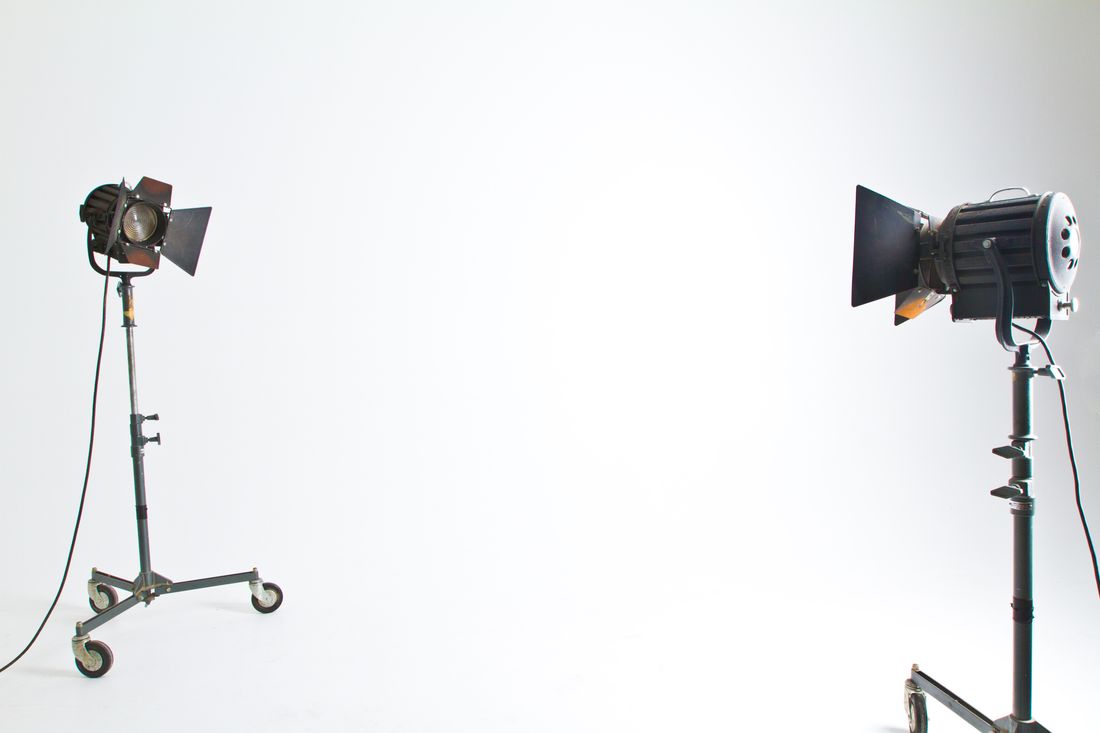
Photo by tyler hendy via Pexels.
How a written spec lets a second photographer match it
A written spec lets a photographer who's never seen the original shoot (in a different office, a different city, months later) produce a portrait that belongs in the same set, because they're matching numbers instead of memory. Handing over reference photos alone forces guesswork; handing over documented values removes it.
The practical version of this is a one-page reference: background swatch or paper number, key-to-fill lighting ratio, lens focal length and approximate camera distance, crop guide with a sample framing, expression direction ("relaxed, slight smile, no teeth," or whatever the company chose), and retouching notes. A photographer working a satellite office or a rolling new-hire session can shoot against that sheet without ever seeing the original session, and the output holds up next to portraits taken two years and one time zone apart.
This is the same logic we use at Core Visuals whenever a job spans more than one shoot day or location. The reference sheet is the deliverable that makes a second session possible at all.
What to do about the people shot in the old style
The people already photographed in the old style don't need an immediate reshoot. They need a decision, made once, about whether the set stays mixed until the next natural refresh or gets brought current in one pass. Reshooting piecemeal, one person at a time, is usually the option that costs the most for the least visible improvement.
In practice, most teams land on one of two honest answers: freeze the roster as-is and only apply the new standard going forward, treating the mix as a known, acceptable seam; or schedule one dedicated pass to bring the whole current staff current, then hold the line strictly from that point on. What doesn't work well is reshooting a few people whenever someone happens to notice they look dated. That produces a rolling patchwork that never actually resolves and spends the same budget with none of the visual payoff of a single clean pass.
Either choice is defensible; the indecisive middle (reshooting reactively, one person at a time, forever) is the one that costs the most and fixes the least.
Folding in new hires without reshooting the whole team
New hires get folded into an existing standard by shooting them against the documented spec whenever there's a small enough batch to justify a session, not by waiting for a full team reshoot. A team of any real size has rolling hires, so the spec has to support one-off and small-batch sessions as the default, not the exception.
The practical mechanism is a standing quarterly or as-needed session against the written spec, sized to whoever's new since the last one, five people or fifteen, same setup, same photographer if possible, same reference sheet if not. Because the spec is documented rather than remembered, that new batch matches the people hired three years earlier without either group needing to be in the room at the same time, which is the entire point of writing it down in the first place.
A quarterly cadence also keeps any one session small and low-friction to schedule, which matters more for retention of the standard than for the headshots themselves. Infrequent giant reshoots are exactly where a spec quietly drifts.
Perfectly uniform vs. deliberately consistent (the real tradeoff)
A perfectly uniform set, where every photo is functionally identical in lighting and crop, costs more in production discipline than most teams want to spend. A set that's consistent enough to look deliberate gets most of the perceived value for a fraction of the effort. The honest goal for most teams is the second, not the first.
Chasing perfect uniformity means controlling variables that are genuinely hard to control across locations and time (exact color temperature, identical light modifiers, matched camera bodies) and it means treating any small deviation as a failure worth re-shooting for. Chasing deliberate consistency means locking the handful of variables that a viewer actually notices (background, lighting ratio, crop) and letting the rest breathe a little. Most companies don't need the first; they need the second, executed without exceptions on the variables that matter.
The honest version of this tradeoff, in my read, is that a team chasing pixel-level uniformity is usually solving a problem the audience never actually perceives, at the direct expense of budget that could fund a proper written standard and enforce it consistently instead.
Frequently Asked Questions
Do all offices need the exact same backdrop and lighting gear to stay consistent?
No, the spec needs to specify values (background color and texture, lighting ratio, distance, crop), not a specific product. A different backdrop brand in a color match, or a different softbox that produces the same ratio, holds the standard just as well as identical gear shipped to every office. What breaks consistency is undocumented judgment calls, not different equipment achieving the same documented result, and chasing identical gear across cities wastes budget better spent on the written spec itself.
What about remote employees who don't have access to a professional photographer at all?
Remote employees without local access to a photographer are the hardest case, and the honest answer is that a phone photo against a plain wall, shot with the documented crop and lighting direction in mind, gets closer to the standard than most teams expect. It won't match a studio session exactly, but a company can note it as an interim portrait and schedule a proper session at the next travel opportunity or team gathering.
How often should the written portrait standard get updated?
A portrait standard should get revisited whenever the brand itself changes (a new logo color, a rebrand, or a shift in how the company wants to present itself), not on a fixed calendar. Outside of a brand change, the spec should stay fixed for years; revising it constantly defeats the purpose, since every update effectively starts a new visual generation that older photos won't match.
What's the minimum a portrait standard needs if we're just getting started?
At minimum, write down the background (specific color, not just "neutral"), the lighting ratio between key and fill, the lens and approximate camera-to-subject distance, and the crop (head-and-shoulders vs. waist-up). Expression register and retouching level matter less at the starting line and can be refined later. Those four values alone stop the widest, most visible drift between sessions and photographers, which is where most of the visible inconsistency actually comes from in a mixed-office team.
Should every employee's retouching level look identical?
Retouching level should be documented as a consistent intensity (how much skin smoothing, how much blemish removal, whether stray hair gets cleaned up), but the result on each face will look different because faces are different. Identical retouching intensity applied evenly is the goal, not identical-looking output; forcing every portrait toward one same look erases the person the headshot is supposed to represent, not manufacture a uniform face.
Related Reading
Booking headshots or a brand video for your team?
Tell us how many people and whether you need photo, video, or both, and we'll send back a fixed price with the volume discount already applied.
See Headshots & Brand Videos