What an Hour of Event Coverage Actually Pays For
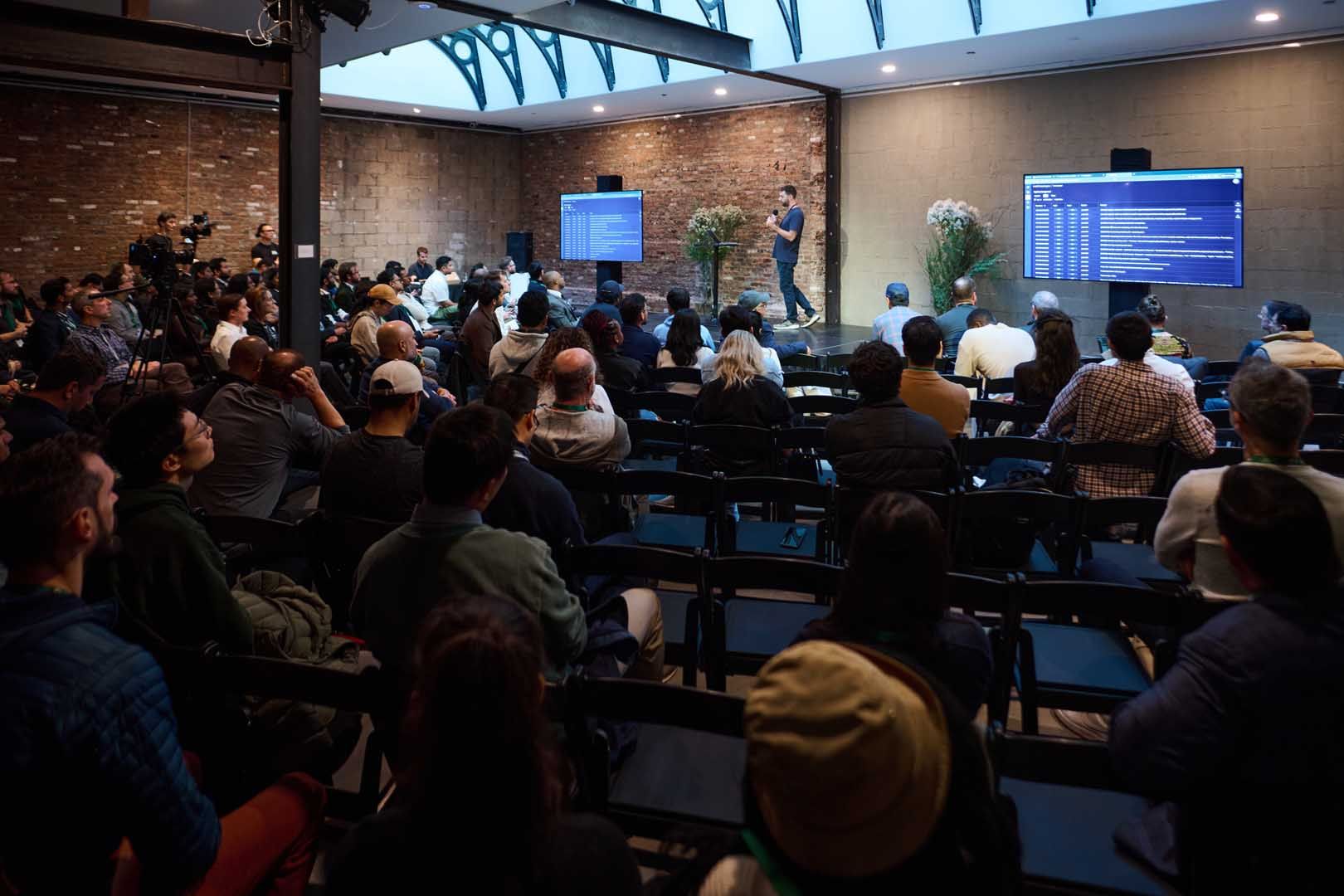
The hour on the quote is the only one you'll actually see. Doors open, the first speaker walks up, and a camera is already rolling at the back of the room, so it looks like the job just started. It didn't. By then I've been in the room for an hour or two, and the longest part of the job hasn't even begun.
The short answer
An hour of event coverage pays for far more than the time a camera is recording. It covers prep before the day, one to two hours of setup before the program, the stretch after it ends, and roughly three to eight hours of editing for every hour of footage. The rate is priced to carry all of it.
01A two-hour booking, drawn to scale
A two-hour event booking is roughly a day of work, and the two hours on the quote are the smallest visible piece of it. Before them sits prep and setup. After them sits the tail of the program and, much bigger, the edit. Here is what that looks like when you draw it honestly.
A two-hour booking, drawn to scale
Before the dayCalls, run of show, gear prep, travel.
Setup and wrap1 to 2 hours before doors, then the Q&A tail and load-out.
The booked hoursThe part everyone sees.
Editing6 to 16 hours for 2 hours of footage.
The gold slice is what you booked. It's also the only part anyone watches me do, which is a little like judging a restaurant by the thirty seconds it takes to carry the plate to the table.
None of this is a complaint. It's just how the work is shaped. A coverage hour is the time we're on site capturing your program, and the rate attached to it is priced to carry everything on either side of it, so you never get a separate bill for the parts you didn't see. The rest of this post walks through each block, left to right.
02What happens before the first speaker
I arrive one to two hours before the program starts. That window is where most of the quality of the recording gets decided: where the cameras stand, what the sound will be, and whether anything is going to surprise us once people are in the room.
The first part is physical. Gear comes in, cases open, tripods go up. Camera positions get picked so they hold the stage without blocking anyone's view, then framed and exposed for the actual stage light, which is rarely the light you had during the walkthrough.
Then sound, which is where events are won or lost. I talk to the AV team or the DJ, figure out where the microphones run, and when the venue allows it take a clean feed straight from their board, the approach event audio guides treat as standard. Speakers who walk around get a lavalier. Then a test recording, played back, before a single guest has found their seat. All of this happens before anyone says a word into a microphone, and nobody in the audience will ever know it did.
03The prep that happens before the day
The work starts days before the event, in small pieces that add up. We read the run of show, learn who the speakers are, and build a shot list around what the footage is actually for, whether that's a highlight reel for next year's sponsors or a clean record of every word from the stage.
A few venue questions save a lot of pain later. Where does load-in happen? Is there power near the back of the room? Will the stage lights change between the keynote and the panel? Every answer shows up on the day as a problem that didn't happen.
Then the gear itself. Batteries charged, cards cleared and formatted, backups packed, audio kit tested, all of it carried across the city to your venue. It's unglamorous, and it's the reason the camera is rolling the moment your first speaker walks up instead of five minutes later. You'll never see this part on an invoice or in the final video. You'll only notice it if someone skips it.
04The program ends, the job doesn't
When the last speaker thanks everyone, there's almost always more to capture. Q&A runs longer than the agenda said it would. It nearly always does, and it's often the best material of the night, because people stop reciting and start talking.
Then come the things that only happen after the program: speaker portraits while they're still dressed and energized, group shots of the team, sponsors who want their moment on the record, a quick testimonial if one was planned, and the networking crowd that finally relaxes once the formal part is over. A good event record has all of it.
And then the load-out, which is setup in reverse, minus the adrenaline and plus a few tired arms. Cases get packed, cables coiled, and the room goes back to the venue the way we found it. If your event genuinely runs past the booked time, we've written up how overtime actually works, but the ordinary spillover is part of the job, not a surprise line item.
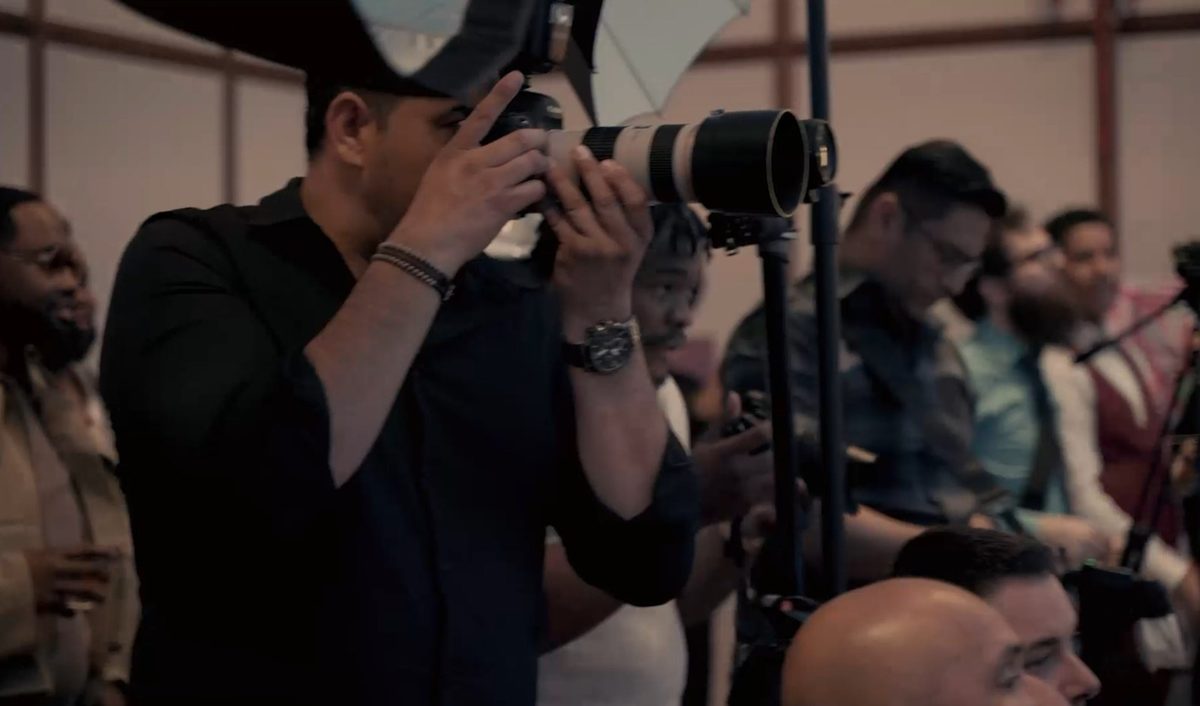
The camera rolling is the easy part. It's also the only part anyone sees.
05One hour of footage, three to eight hours of editing
For every hour of footage we bring home, editing takes somewhere between three and eight hours. That's the biggest block in the drawing above, and it's the one clients are most surprised by, because by the time it starts the event is already over.
We're not unusual here. Editors measure the work in hours per finished minute, and a common rule of thumb puts it at two hours of editing per minute of final video, climbing toward ten for footage from several locations. Other studios put post-production at roughly three hours for every hour on site. Nobody has run a formal study on this, but the practitioner numbers land in the same place.
Where your event lands in that range depends on a few honest variables: one camera or two, clean board audio or a noisy room, a straight record or a cut highlight reel with titles, and how many versions you need at the end. A single-camera panel sits near three. A multi-camera conference highlight with graphics sits near eight.
06What editing actually means for event video
Editing sounds like one task. It's closer to eight, done in order, and skipping any of them shows up in the final video. Here's the actual sequence once the cards come out of the camera:
- Offload and back upEvery card copied twice before it's cleared, because footage only exists once until it exists twice.
- SyncLine up every camera angle with the clean audio.
- Watch everythingAll of it, to find the moments worth keeping.
- Build the storyPick the moments and cut them into something with a shape.
- Fix the soundClean noise, even out levels between speakers.
- ColorMatch cameras to each other and make the room look like it felt.
- Titles and captionsNames, lower thirds, and captions for the people watching muted.
- Export and deliverWidescreen for the website, vertical for social, sized for where each one will live.
Somewhere in the middle there's also a review round, where you watch a draft and tell us what to change. We've written separately about how editing rounds work in a quote, since that's the step most likely to stretch a timeline.
07Event photos go through the same pipeline
Photography runs on the same shape: a visible shoot, then a much larger block of work nobody sees. The shutter is the fast part. What you actually receive is the result of choosing, correcting, and polishing, and that takes longer than the event did.
It starts with culling. A few hours of coverage produces far more frames than anyone should have to scroll through, so we pick the ones worth keeping: eyes open, expression right, the moment actually caught rather than a half-second late. On our Essential package that means narrowing everything down to 150 to 200 finished photos.
Then each keeper gets corrected. Exposure and color are matched across rooms, so the ballroom shots and the hallway shots look like the same evening. Light retouching handles what a camera exaggerates. Then exports, sized for web and print, and an organized gallery you can hand to your marketing team without a single explanatory email. The gallery that lands in your inbox looks effortless. That's the point of all the effort.
08Why it's one number instead of an itemized bill
We could bill setup, prep, the Q&A tail, and every hour of editing as separate lines. We don't, because an itemized bill makes you do math you shouldn't have to. The rate, $850 an hour with a two-hour minimum, or a fixed package for longer events, already carries all of it.
That's also why the packages exist. Past about four hours, the hourly math stops making sense, and the crossover is written up here. Either way, you approve one number before the event and nobody watches the clock during it.
If you're comparing quotes from a few vendors, the useful questions aren't about the hourly figure. Ask what time they arrive, whether editing is included, how many versions you get, and what the file formats are. Two rates that look identical can buy very different days, which is the whole idea behind reading a day rate line by line.
So the hour on the quote is real. It's just the part of the job that happens in front of you. The rest happens before you arrive and after you've gone home.
09Frequently asked questions
Does an hourly videography rate include editing?
It depends on the vendor, so ask before you book. At Core Visuals it does. The $850 hourly rate and every event package include arrival and setup before the program, the time after it ends, and all the editing needed to deliver finished files. Some videographers quote a low shooting rate and bill editing separately, which is why two similar-looking hourly numbers can produce very different final invoices.
How long does it take to edit an hour of event video?
Plan on roughly three to eight hours of editing for every hour of footage. A single-camera panel with clean board audio sits near the low end. A multi-camera conference highlight with titles, captions, and several export formats sits near the high end. Editors often measure it another way: about two hours per finished minute of video, rising toward ten for footage shot across several locations.
Why does an event videographer arrive so early?
Because the recording quality gets decided before anyone speaks. Arriving one to two hours early leaves time to carry in gear, set camera positions that don't block sightlines, match exposure to the stage lighting, coordinate with the AV team or DJ, mic the speakers, and run a test recording. Arriving at doors means discovering sound problems on camera, after the moment you needed has already happened.
Why is event videography so expensive?
Because the hour you book is only the visible part of the work. Around it sit the prep calls and gear before the day, one to two hours of setup, the Q&A and portraits after the program, and three to eight hours of editing for every hour of footage. Priced honestly, an hourly rate is paying for a full day of skilled work, compressed into the number on the quote.
Is setup time billed separately from event coverage?
Not at Core Visuals. Setup, sound checks, and load-out are built into the hourly rate and every package, so the hours on your quote are the hours we cover the program itself. Other vendors handle this differently, and some bill setup as extra time or a flat fee. When comparing quotes, ask directly what time the crew arrives and whether that time appears on the invoice.