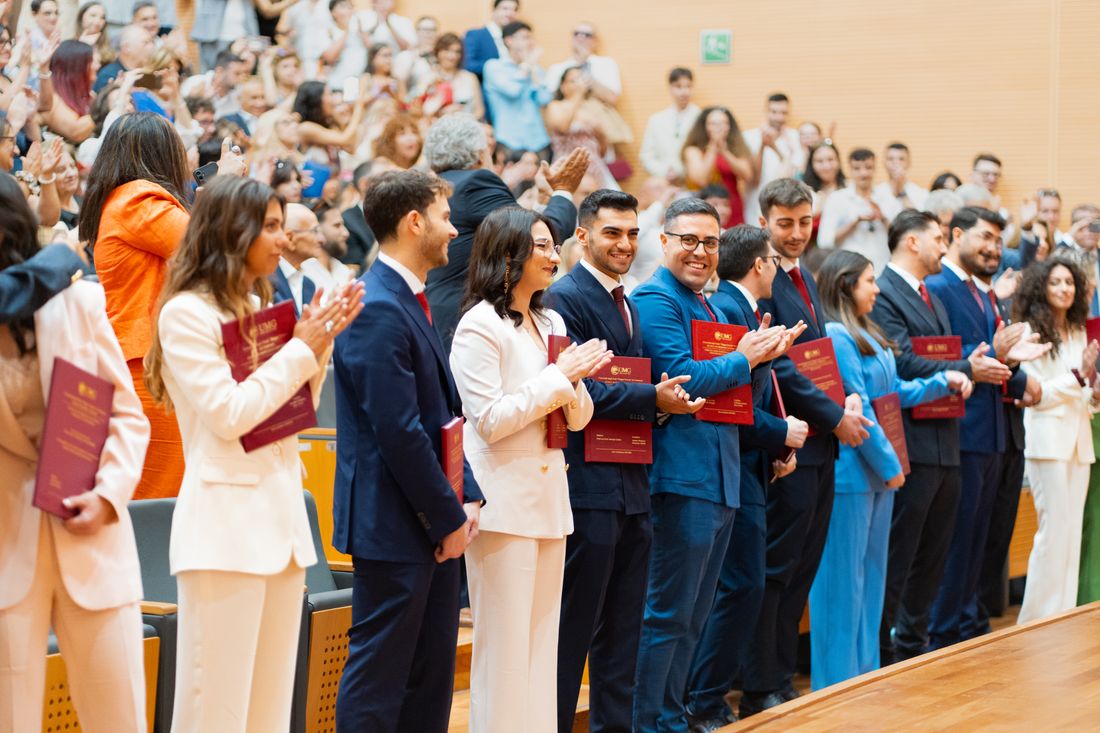
Photo: Core Visuals NYC
Alumni and university events are unlike almost anything else on the corporate event calendar, because they're never really for one audience. Advancement is in the room building next year's case for support. Admissions is thinking about the prospective student who'll see these photos on a viewbook page. Communications needs the dean at the podium looking like a leader, not a hostage. Nobody tells the photographer any of this up front, so the photographer shoots the safest possible version of everything. That's how you end up with a gallery that reads like a yearbook insert instead of usable content for three different teams.
University and alumni events serve three internal audiences (advancement, admissions, and communications), each needing different photos for a different purpose. Coverage looks stiff and generic when nobody reconciles those needs before the shoot. The fix is a single merged shot list, built from each department's actual priorities, that the photographer carries into the room.
Table of Contents
- Why University Events Come Back Looking Like a Yearbook
- Reconciling Three Shot Lists Before the Day
- Photographing Donors and Honorees Without Making It Feel Transactional
- Consent and Student-Photography Sensitivity
- Capturing a Room That Spans Four Generations
- Getting the Dean at the Podium Without Every Shot Looking the Same
- What Admissions Actually Wants Out of the Same Event
- What Advancement Actually Reuses for the Next Campaign
Why University Events Come Back Looking Like a Yearbook
University and alumni events serve three departments at once (advancement, admissions, and communications), and each one needs different photos for a different purpose. When nobody reconciles those needs before the event, the photographer defaults to safe, generic coverage that satisfies none of them well and reads like a yearbook.
Advancement wants proof for next year's ask: specific donors, honorees, and named seats that can go straight into a stewardship report or a case-for-support deck. Admissions wants warmth aimed at a seventeen-year-old deciding where to apply (current students actually enjoying themselves, not posed). Communications wants leadership visibility: the dean mid-sentence at the podium, a usable frame for the press release and the alumni magazine. Tell a photographer to just "cover the event" and they guess at all three at once, which usually means wide establishing shots, a handful of grip-and-grins, and the podium from one angle for ninety minutes. It isn't bad work. It's just work built for nobody's specific use case, which is exactly why so much of it ends up filed away instead of reused.
Reconciling Three Shot Lists Before the Day
The fix isn't shooting more. It's collecting one short list from each department before the event, tagging every request with who asked for it, and merging duplicates into a single working document the photographer actually carries. That merged list is what keeps the day from becoming three photographers' worth of guesswork inside one person's coverage window.
In practice, we ask each stakeholder for five to eight must-have shots ranked by priority, not an exhaustive wish list. Nobody reviews a forty-item list on event day. Advancement's list usually centers on specific honorees, table hosts, and the moment names get read aloud. Admissions wants candid current-student energy, unposed and genuinely social. Communications wants a clean, well-lit frame of the remarks with the podium signage visible and the speaker's expression usable in print. We merge all three into one document organized by the event's actual run of show, not by department, so on the day it reads like a schedule instead of a wishlist pinned to a clipboard nobody has time to consult.
Photographing Donors and Honorees Without Making It Feel Transactional
Donor photography reads as transactional when the camera only shows the handoff (staged handshake, forced grin, plaque changes hands, done). It reads as generous when the photographer treats the moment as a real interaction: the applause building before the name is even called, the honoree's actual reaction, the people around them who clearly know this person.
We try to arrive at the recognition moment early, not right as it starts, so there's time to find the honoree's table beforehand and get one honest frame of them mid-conversation, before the formal spotlight hits. That frame usually ends up more usable than the podium shot, because it shows a person rather than a role. During the actual presentation, we shoot wide enough to catch who's standing and clapping, then move in for the handshake or hug once it's already happening rather than posing it after the fact. Nothing here needs a specific case study to explain. It's a sequencing choice any event photographer can apply, and it's the difference between a photo that documents a transaction and one that documents a relationship.
Consent and Student-Photography Sensitivity
Universities have their own photo-consent policies, and those policies vary by institution, by event type, and sometimes by which students are in the room (some events include minors, some include students who've opted out of institutional photography entirely). A photography team's job is to follow the client's stated rules exactly, not to assume a public-event standard covers everything.
Before the day, we ask the event coordinator how opt-outs are communicated on-site (a wristband, a seating-chart flag, a verbal heads-up at check-in), and we ask what to do if someone approaches us directly during the event. That second scenario happens more than people expect: a student or alum simply asks not to be photographed, and the answer is always to comply on the spot, not to negotiate. We're not going to cite a specific law here, because the right answer isn't a legal citation. It's whatever the client's own consent policy says, applied consistently, with photos flagged for exclusion pulled during the edit rather than left for someone else to catch later.
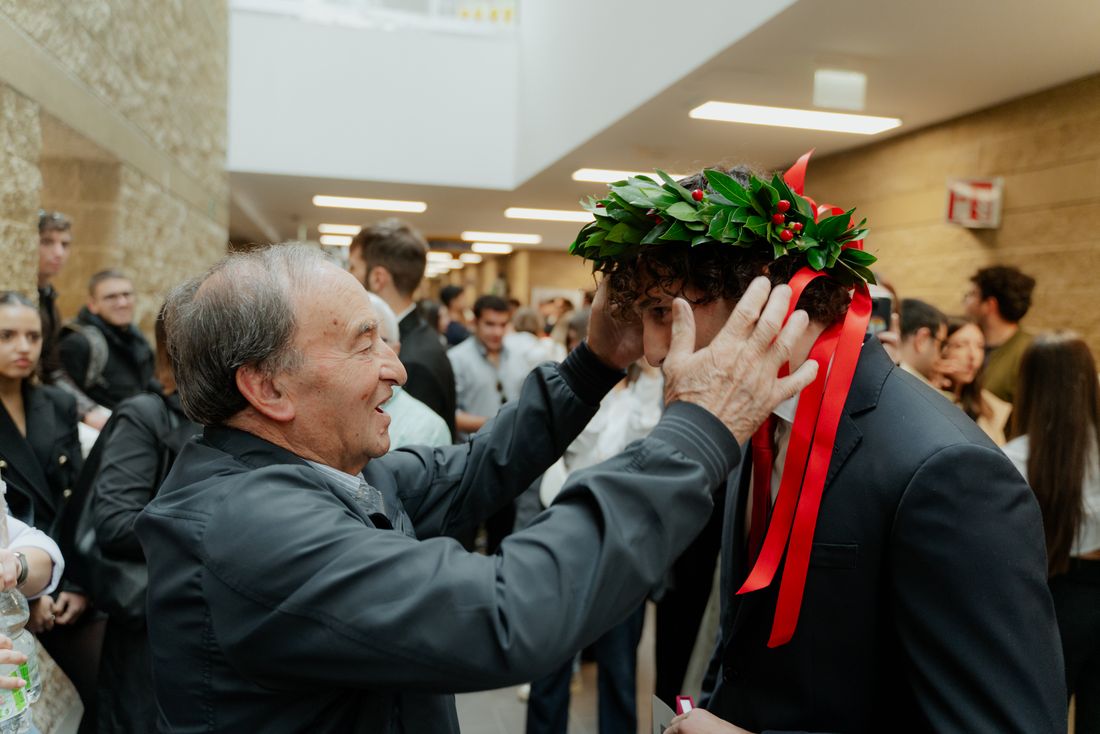
Photo by Riccardo Vespa via Pexels.
Capturing a Room That Spans Four Generations
Alumni events routinely put a twenty-two-year-old recent graduate, a mid-career alum in their forties, and someone from a fiftieth-reunion class in the same room, alongside current students and faculty. Treating that room as one uniform crowd produces flat, generic coverage that flatters no one particularly well.
In practice, that means not defaulting to one shooting style for the whole event. Younger alumni and current students tend to photograph well in loose, in-motion moments (mid-laugh, mid-conversation, camera not the center of attention). Older alumni often appreciate a beat of acknowledgment, a moment where the photographer is visibly there for them rather than shooting past them for a better angle on the room. The best frames from these events are usually the ones where generations are actually interacting (a current student talking with a reunion-class alum, a parent and a graduating senior) rather than posed cohort-by-age lineups that make the age gap the whole story instead of one detail in a bigger room.
Getting the Dean at the Podium Without Every Shot Looking the Same
Communications teams need clean, usable remarks photography for the press release, the alumni magazine, and social. But a room full of near-identical podium shots gives them one usable frame and nineteen throwaways. The difference between a generic podium photo and a genuinely useful one usually comes down to timing and angle, not equipment.
We shoot from a couple of positions rather than parking in one aisle seat for the whole speech, because a slightly off-center angle reads less like a security-camera frame and more like an actual photograph. We also wait for the gesture or expression that lands mid-sentence instead of firing continuously and sorting later (a raised hand, a genuine laugh at their own joke, eye contact with a specific section of the room). And we make sure the branded backdrop or podium signage is actually in frame and legible, because that's usually the detail that determines whether communications can use the photo standalone or has to caption around what's missing.
What Admissions Actually Wants Out of the Same Event
Admissions isn't looking for proof of donor engagement or a usable remarks photo. They want images that make a prospective student picture themselves on this campus. That means candid, unposed shots of current students genuinely enjoying the event, not a lineup smiling at the camera on cue.
The images that work for a viewbook or an admissions landing page usually aren't the ones that work for anyone else's list: a student laughing mid-conversation at a reception table, a small group walking together between event spaces, someone genuinely engaged during a Q&A rather than posed for it. We try to shoot a handful of frames specifically with this use in mind rather than assuming the general event coverage will happen to contain them, because it usually won't. A wide room shot doesn't do the same job as a close, warm, candid frame of two or three students who look like people you'd want to sit next to in a lecture hall. It's a different brief hiding inside the same event.
What Advancement Actually Reuses for the Next Campaign
Advancement's real use case isn't the event recap. It's the annual report, the next solicitation mailing, the case-for-support deck, and donor stewardship follow-ups that need photos of specific named people, tagged and findable months after the event is over, not just in the week after it wraps.
That reuse timeline changes what we deliver and how we organize it. A flat folder of five hundred untagged images is nearly useless to an advancement office trying to find the photo of a specific scholarship donor at last spring's dinner eleven months later for this year's ask letter. We keep a simple shot log that pairs honoree and donor names with file numbers as we shoot, so the handoff includes a way to search by person, not just by folder date. We also flag the handful of frames per honoree that read as usable "hero" images on their own, since those get pulled far more often than the wide room shots. Advancement reuses individuals, not crowds.
Frequently Asked Questions
How do we handle a shot list that has three different priorities from advancement, admissions, and comms?
Collect a short, ranked list from each department separately (five to eight must-haves, not an exhaustive wish list) and tag each request with who asked for it. Merge the three lists into a single document organized by the event's actual run of show, not by department. That merged version is what the photographer carries into the room, so priorities are already reconciled before the first photo is taken.
Do we need student consent to photograph on campus at an alumni event?
Follow your institution's own photo-consent policy rather than assuming a general public-event standard covers everything. Universities set their own rules, and they vary by event type and by which students are in the room that day. Ask the event coordinator how opt-outs get flagged on-site, whether that's a wristband, a seating-chart note, or a verbal heads-up at check-in, and comply immediately if a student or alum asks directly not to be photographed.
How is photographing a donor or honoree different from general event coverage?
Recognition photography works best when it documents a relationship, not just a transaction. Arrive at the honoree's table before the formal moment for one honest, unposed frame while they're still just a guest at dinner. During the presentation itself, shoot wide enough to catch the room's genuine reaction (the applause, the people standing) before moving in for the handshake or hug once it's already happening naturally, rather than staging it afterward for a cleaner frame.
How many photographers does a large, multi-generational alumni event actually need?
It depends on the run of show more than on headcount. A single photographer can usually cover one continuous space well, following the room as it moves from reception to remarks. Concurrent moments change that math (a reception running in one space while remarks start in another, or a headshot station operating alongside the main event), and those situations generally need a second shooter so neither commitment gets shortchanged waiting on the other to finish.
How soon after the event does advancement actually need the photos?
Faster than most people assume for a same-day or next-day social recap, but the bigger deadline is less visible: advancement keeps reusing tagged, named individual photos for stewardship letters, annual reports, and next year's campaign materials for up to a full fiscal year after the event. A quick highlight turnaround matters for momentum, but a searchable, name-tagged final delivery is what actually gets reused months down the line.
Related Reading
Not sure if hourly or a package makes more sense for your event?
Tell us the expected length, and we'll run the actual numbers before you book.
See Event Coverage Packages