Photo by Kindel Media via Pexels.
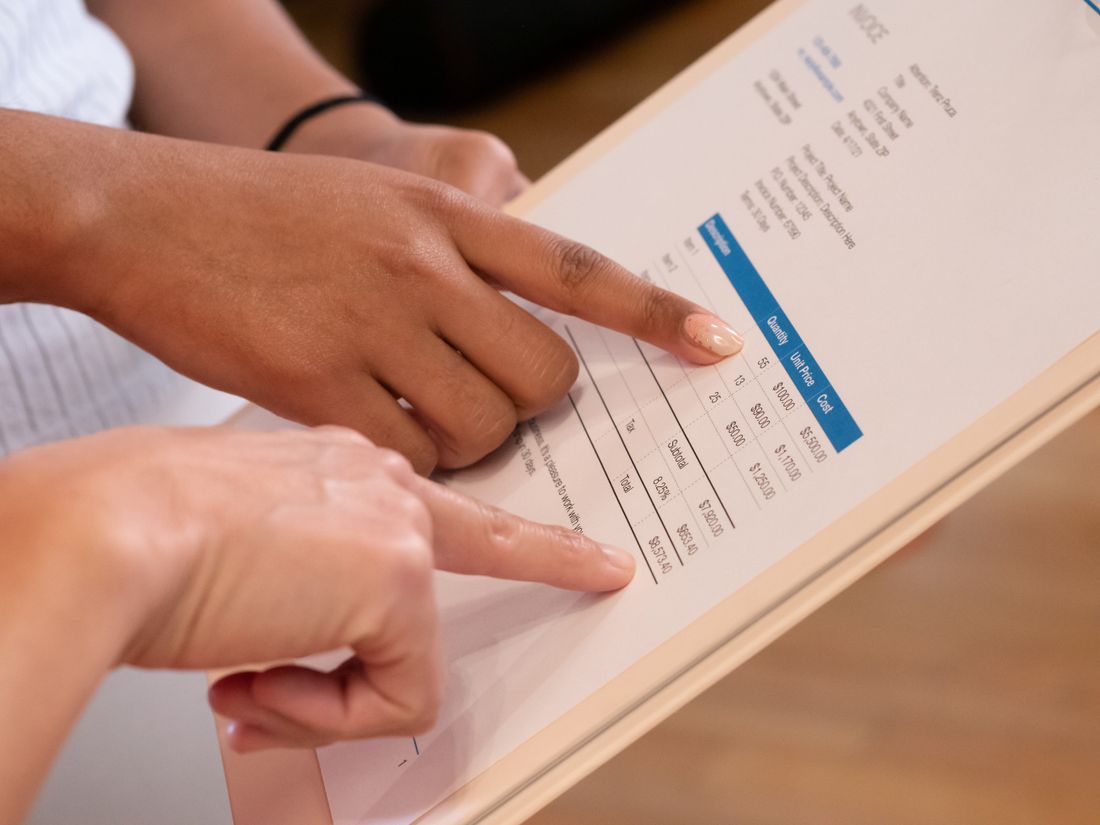
I get the same question from people staring at two quotes for what should be one event: why does the video number look nothing like the photo number? The honest answer is that they were never pricing the same job. A photo quote is built around shooting, culling, and retouching a set of still images. A video quote is built around all of that plus post-production editing, audio, and sometimes a second camera (work a stills quote never has to account for). Here's what's actually inside each one, line by line.
A video quote and a photo quote for the same event price different work. Photo pricing is dominated by shooting, culling, and retouching time. Video pricing carries post-production editing, audio capture and mixing, and sometimes a second camera and crew (costs a stills-only quote never has to include), which is why the totals don't match.
Table of Contents
- Why a video quote and a photo quote for the same event don't line up
- Where the photo side of a quote actually spends its hours
- Where the video side of a quote spends its hours instead
- Audio is a line item a photo quote never has to carry
- The gear and crew a moving picture needs that a still one doesn't
- Why the same dollar amount can still buy two different things
- Usage rights show up as one more line, not the whole story
- What actually changes in the quote once you want both formats
Why a video quote and a photo quote for the same event don't line up
A video quote and a photo quote for the same event rarely match, and that's not a vendor padding one or shorting the other. The two disciplines spend their hours in different places. Photo pricing is dominated by shooting, culling, and retouching time; video pricing carries post-production editing, audio work, and motion-specific gear that a stills quote never touches.
I get asked about this constantly by people comparing two quotes side by side for what looks like the identical booking (same date, same venue, same guest count). The dollar gap looks arbitrary until you look at what each line item is actually paying for. A photo quote is buying a finished set of still images: the photographer's time in the room, the hours spent picking the best frames out of thousands, and the retouching pass on each one. A video quote is buying a finished, edited film: the same time in the room, plus every hour it takes afterward to build a sequence that actually plays (cutting footage down, syncing and mixing sound, color-matching shots from different angles). Neither quote is wrong. They're pricing two different production processes that happen to start from the same afternoon.
Where the photo side of a quote actually spends its hours
A photo quote is priced around three blocks of time: shooting the event itself, culling thousands of frames down to a final set, and retouching each image that makes the cut. None of that work happens on camera. The room time is often the smallest piece of the total hours billed.
Culling alone can take longer than the shoot did (sorting through duplicate frames, closed eyes, and near-misses to find the handful that actually represent each moment). Retouching adds another pass on top: color correction, skin and blemish work, cropping, and consistency across the whole set so a gallery doesn't look like it was edited by five different people. On our own event coverage, an Essential package delivers 150-200 edited photos and a Professional package delivers 200-300. That photo count is the number the client is actually paying for, not the hours spent standing in the room. A photographer who shoots fast but culls and retouches slowly can end up more expensive than one who works the opposite way. The room time is real, but it's rarely the line item driving the number on a photo quote.
Where the video side of a quote spends its hours instead
A video quote is priced around a different center of gravity: post-production editing time. Raw footage from an event runs for hours; a usable highlight reel runs for minutes. Getting from one to the other means reviewing every clip, building a sequence, cutting it to pace, and finishing the audio and color before it's watchable.
That editing pass is where most of a video quote's hours actually live, not the time behind the camera. Our own Essential package turns up to five hours of coverage into a 2-3 minute highlight reel; Professional turns 6-8 hours into 4-6 minutes. The finished minutes are short on purpose (nobody wants raw footage, they want the story pulled out of it), but building that short, tight result from hours of source material is genuinely slower than culling a photo set, because every cut has to work in sequence with the one before and after it. A photo can be judged and fixed in isolation. A video edit can't; changing one cut ripples through pacing, sound levels, and the whole sequence around it. That's the labor a video quote is actually pricing.
Audio is a line item a photo quote never has to carry
Sound is the one production element that exists in a video quote and doesn't exist in a photo quote at all. Capturing clean audio at a live event (a toast, a keynote, a panel discussion) takes dedicated microphones, a recordist watching levels, and a mixing pass afterward, none of which a stills camera needs.
A room full of speeches and applause sounds nothing like a clean recording without real work. Background noise, room echo, and distance from the speaker all have to be managed while it's happening, then cleaned up afterward so dialogue actually reads clearly against music or ambient sound. A photo never has an audio track to get wrong; a finished event video does, every time, and a bad one is as noticeable as a blurry photo. That's why a video quote for a keynote or panel often carries a wireless lavalier mic and a dedicated audio pass that a photo quote for the identical room simply doesn't need. The picture only has to look right, the video has to look and sound right, and sound is its own separate job.
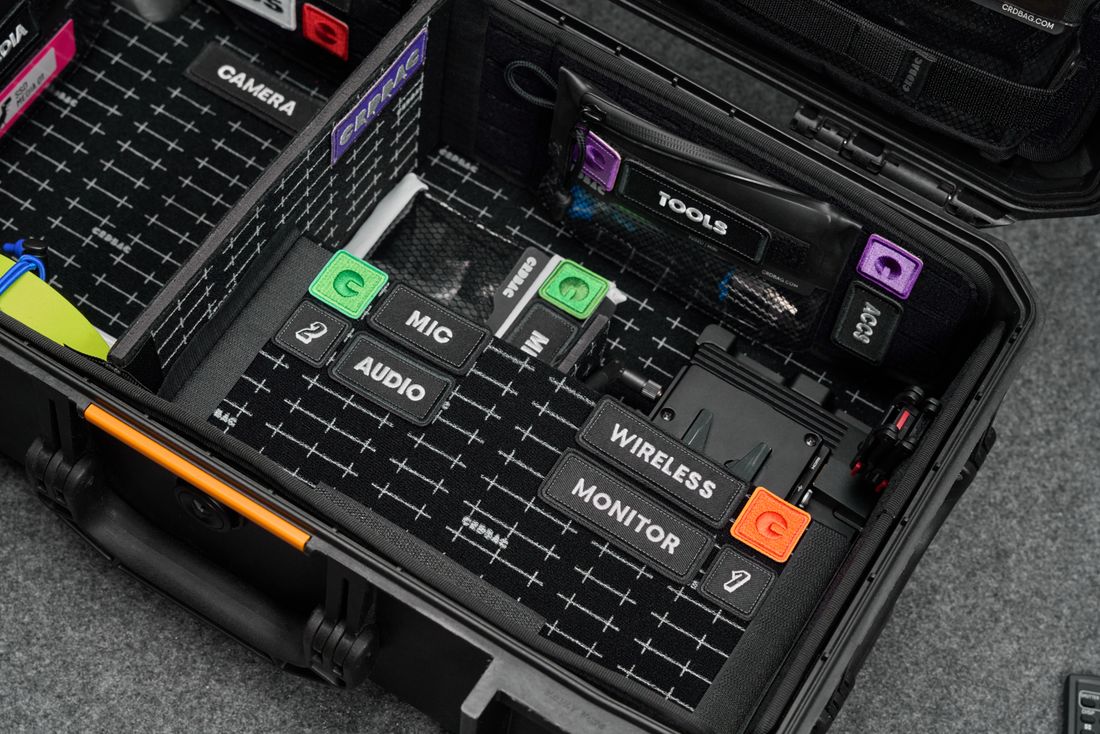
Photo by Andreas Näslund via Pexels.
The gear and crew a moving picture needs that a still one doesn't
Video coverage of anything with a program (a keynote, an awards moment, a panel) usually needs more than one camera running at once, because cuts between angles are what make an edited video watchable instead of static. That second camera, plus the crew running it, is equipment and labor a photo-only quote never has to include.
Our own Premium package, which bundles photo and video for complex events, is built around two-camera coverage specifically because one static angle reads flat once it's cut into a sequence. A single photographer can move freely through a room and capture a moment from wherever they're standing; a video crew has to pre-plan camera positions, run cable or wireless feeds, and sometimes add a monitor station so a second operator can check framing without watching through a viewfinder. None of that changes what a photo needs. A photographer with one body and one or two lenses can cover most events completely on their own. It's specifically the demands of cutting between angles, and holding a shot steady while it moves, that pull in the extra bodies and hardware a still camera was never going to need in the first place.
Why the same dollar amount can still buy two different things
Here's the part that actually confuses people: at Core Visuals, a photo package and a video package at the same tier cost the same amount. The gap people expect to see in the price shows up somewhere else instead, in what the deliverable is actually measured in, photos versus finished minutes.
We price it that way because the real cost is professional coverage plus editing to a usable standard, and that labor is roughly equivalent whether we're clicking a shutter or running a camera for footage. The Essential tier is $3,500 either way, Professional is $6,000 either way. What changes is the shape of the output: choose photo and an Essential booking becomes 150-200 edited images; choose video and the same hours in the room become a 2-3 minute highlight reel instead. Neither is a bigger or smaller job than the other, but they don't compare on a shared scale, which is exactly what makes two quotes for what looks like the same event feel mismatched at first glance. The price can be identical and the deliverable still needs its own explanation, because 'photos' and 'minutes of finished video' aren't the same unit of value.
Usage rights show up as one more line, not the whole story
Usage rights belong on both quotes, not just video, but they tend to get more attention on a video line because motion content often gets boosted, licensed for ads, or reused across platforms in ways a still photo usually isn't. It's one line item among several, not the reason the two quotes differ overall.
Our own packages include unlimited usage rights by default, so this doesn't show up as a separate charge on a Core Visuals quote. But plenty of vendors price licensing separately, and it's worth confirming on any quote before you sign it, especially if the plan is to run video as a paid ad rather than just post it organically. That distinction matters more for video because ad platforms and broadcast placements often carry their own rights structure that a photo almost never touches. If usage rights are the piece you're actually trying to untangle (what you're allowed to do with the files once you have them), that's a deeper topic on its own, worth reading through separately rather than folding into a pricing comparison. Here, it's enough to know it's one factor among several, not the explanation for the whole gap.
What actually changes in the quote once you want both formats
Booking photo and video together does raise the number, but not for the reason people assume. It's not two separate quotes stapled together, it's the added setup time and equipment it takes to run both crews in the same room without one getting in the other's shot.
On our own event coverage, that's the Premium tier (two-camera video coverage plus full photo coverage), running from the same booking rather than two vendors coordinating separately. It costs more than either format alone, starting around $9,500 rather than the $3,500-6,000 range for a single format, but it comes in lower than hiring separate photo and video teams for the same event, since the room-time and coordination overhead only get paid for once. That's really the only place a photo-plus-video quote looks meaningfully different from a single-format one: not photo pricing versus video pricing stacked on top of each other, but one additional line for the logistics of running two crews in parallel. If a quote for combined coverage reads like simple addition of two separate numbers, that's worth asking about. It usually shouldn't.
Frequently Asked Questions
Why does a video quote for an event cost more than a photo quote for the same event?
It's not automatically more. At Core Visuals, a photo package and a video package cost the same at the Essential and Professional tiers, since the real cost driver is professional coverage plus editing time, roughly equal for both. What differs is what that time produces: an edited photo set on one side, a finished highlight reel with audio and sometimes multi-camera cuts on the other. The price can match while the production process underneath still looks completely different.
What does a video quote include that a photo quote doesn't?
The main additions are post-production editing time, audio capture and mixing, and (for anything with a program, like a keynote or panel) a second camera and the crew to run it. A photo quote is built around shooting, culling, and retouching time instead. Both quotes can include usage rights, but video pricing carries more of these motion-specific line items overall, which is the actual source of the difference, not arbitrary markup.
Does a photo quote include editing time too?
Yes. Culling and retouching are both editing, they're just a different kind than video editing. Culling means sorting thousands of frames down to the strongest set; retouching means color correction, skin and blemish work, and cropping on each image that makes the cut. That work often takes longer than the shoot itself. It's just not called 'post-production' the way video editing is, even though it's the same category of labor: turning raw material into a finished, deliverable set.
Do I get charged extra for usage rights on a video quote?
Not with Core Visuals. Our packages include unlimited usage rights on both photo and video by default, with no separate licensing fee. Other vendors price this differently, and it's worth confirming before you sign, especially for video that might run as a paid ad, since ad and broadcast placements sometimes carry their own rights structure a photo rarely touches. Usage rights are their own topic worth reading up on separately rather than folding into a general pricing comparison.
Does booking photo and video together cost double?
No. Bundling costs more than a single format but less than booking two separate vendors, because the room-time and coordination overhead only get paid for once. At Core Visuals, combined coverage starts around $9,500 versus $3,500-6,000 for a single format, and it typically saves money compared to hiring separate photo and video teams. The added cost comes from extra setup time and equipment for running both crews at once, not two quotes simply stapled together.
Related Reading
Not sure if hourly or a package makes more sense for your event?
Tell us the expected length, and we'll run the actual numbers before you book.
See Event Coverage Packages