A headshot answers "what do you look like." A short video answers "what are you like." Those are different questions, and most personal branding requests that come in only need one of them answered well, not both, and not necessarily the one the request originally asked for.
Photos and video solve different problems for a personal brand: a photo delivers a credible, consistent look across every platform it appears on; video delivers tone, pacing, and how someone explains themselves, things a still image can't carry. Most founders and executives need one of those solved before they need both, and booking both without a clear reason for each usually means neither gets enough attention.

Photo: Core Visuals NYC
Table of Contents
Photos and Video Solve Different Problems
A personal branding photo and a founder video aren't two versions of the same deliverable. They answer different questions for whoever's looking at them. A photo answers what someone looks like, once, consistently, wherever it appears. Video answers what they're like: tone of voice, pacing, how they explain something under no pressure.
Framing the choice as "which format is better" tends to go in circles, because the honest answer is that it depends entirely on which question the content needs to answer. Framing it as "which question needs answering" almost always resolves the format on its own.
When a Strong Portrait Is Actually Enough
A strong portrait is enough on its own when the goal is credibility and consistency across a still surface (a LinkedIn profile, a website bio page, a press mention, a speaker directory). Most executives and professionals only need this solved, and adding video doesn't make any of those surfaces work better.
This is the most common request we get, and it's usually correctly scoped from the start: someone needs one good, current, consistent photo that looks like them across every place it gets used. An Executive Portrait Session covers exactly this (a half-day session with multiple setups and 10-15 final edited portraits, sized for web, print, and PR use).
The reason a single strong portrait travels so far is that it doesn't need to be re-shot every time it's needed somewhere new. The same edited portrait can appear on a website bio, a speaker page, a press mention, and a LinkedIn profile without looking mismatched, as long as the original session covered enough setups to give it a bit of range.
When a Short Video Earns Its Cost
A short video earns its cost when someone needs to hear a person before meeting them: an investor watching a 60-second intro ahead of a call, a prospective client comparing consultants, or a landing page that needs a human moment instead of another paragraph of text. These are situations a photo genuinely can't cover, no matter how good the photo is.
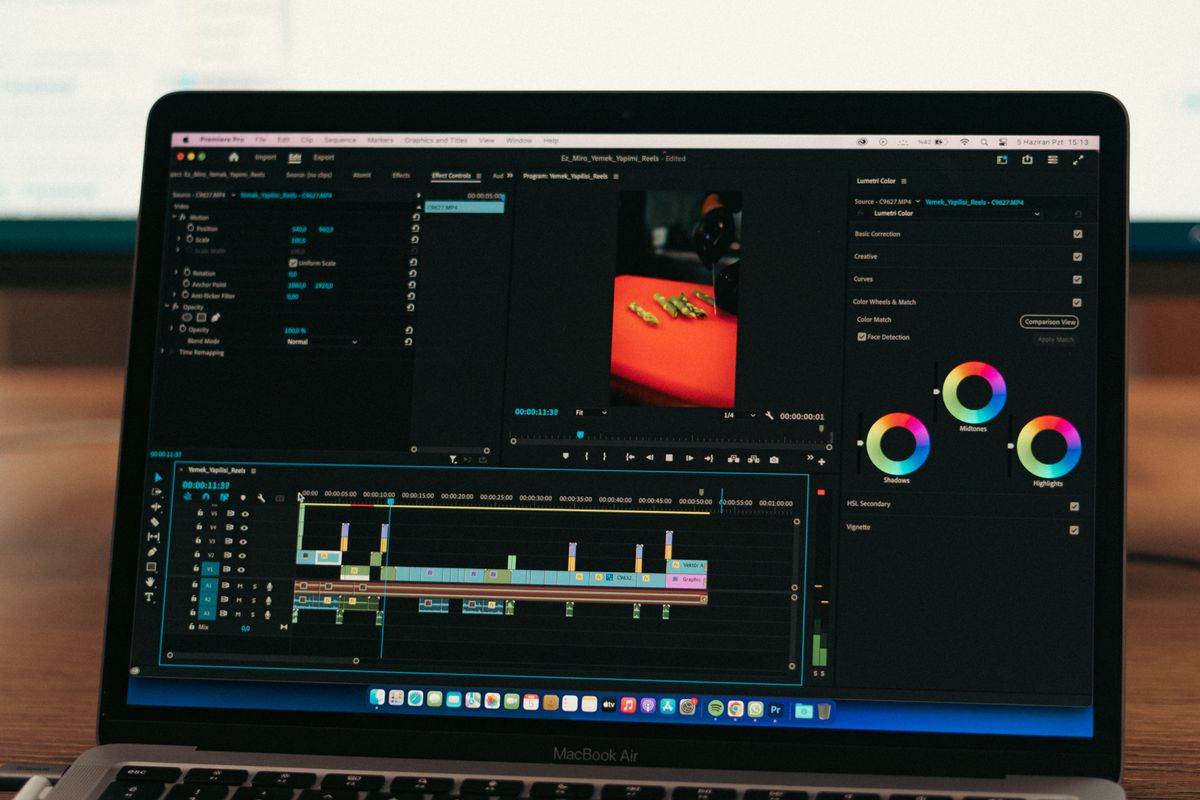
A 30-60 second video business card is the common shape of this deliverable: short enough to actually get watched, long enough to carry tone and a real sentence or two, and reusable across an email signature, a proposal, or a landing page for months after it's shot.
The length matters more than it seems. A two-minute video asks for a real time commitment from someone deciding whether to work with you; a 30-60 second one asks for almost nothing, which is exactly why it gets watched. Longer isn't a more thorough introduction. It's usually just a longer video nobody finishes.
When Both Actually Makes Sense
Both makes sense when photo and video are solving genuinely separate problems in the same project, not when one format feels safer to skip. A launch is the clearest example: press coverage needs a still portrait, while the announcement itself needs a video moment. Two different surfaces, two different jobs, at the same time.
The same logic applies outside of launches. A founder building a speaker profile might need a portrait for the conference program and a short clip for the event's own promotional page. Again, two separate uses rather than one format standing in for both.
Where this goes wrong: booking both because it feels more complete, without naming what each one is specifically for. If nobody can say where the video will live that the photo can't already cover, that's a sign the video isn't solving a separate problem yet. It's just extra scope.
What Changes the Cost, Not Just the Format
Coverage time, number of setups or locations, whether the project needs photo, video, or both, and how many final deliverables are needed affect price more than the format itself does. A single portrait session and a single video business card land in a similar range. It's adding locations, setups, or both formats together that moves the number up.
At Core Visuals, an Executive Portrait Session starts at $2,500 for a half-day with 10-15 final portraits; a Video Business Card or similar quick project also starts at $2,500. Ongoing recruitment or culture content, which is a different need entirely (regular fresh photos for hiring and internal use rather than a one-time personal brand asset), runs from $3,500 a month.
How We'd Ask You to Decide
Name the specific place the content will live before naming a format: a LinkedIn profile, a pitch deck cover, a website homepage, an email signature, a press kit. The use case usually makes the format obvious once it's named. Trying to decide on format first, before naming the use, is what makes this choice feel harder than it is.
If two or more genuinely different uses show up on that list, that's when both formats earn their place in the same project. If one use dominates the list, that's usually the only format worth booking right now.
Tell Us Where This Content Needs to Live
Name the platform, the pitch, or the page. We'll tell you honestly whether that calls for a portrait, a short video, or both.
See Personal Branding & Launch ProjectsFrequently Asked Questions
Should I get personal branding photos or a founder video?
It depends on the question you need answered. A photo answers what you look like (useful for LinkedIn, a website, press, or a bio). Video answers what you're like to work with (tone, pacing, how you explain something). Most people need one of these solved well before they need both.
When is a personal branding photo enough on its own?
A strong portrait is enough when the goal is credibility and consistency across a profile, a website, or press materials (situations where someone sees a still image once and needs it to look right every time). Most executives and professionals only need this solved, not a video as well.
When does a founder video actually earn its cost?
A short video earns its cost when someone needs to hear you before they meet you: an investor watching a 60-second intro before a call, a client deciding between consultants, or a landing page that needs a human moment instead of another paragraph of text.
When does it make sense to get both photos and video?
Both makes sense when the photos and video are solving genuinely separate problems at the same time, for example, a launch that needs a still portrait for press coverage and a short video for the announcement itself. Booking both without two distinct uses usually means neither gets enough attention.
What actually changes the price of personal branding content?
Coverage time, number of setups or locations, whether the project needs photo, video, or both, and how many final deliverables are needed all affect price more than the format itself. A single portrait session and a single video business card land in a similar range; combining them or adding locations moves the price up.
How do I decide between a portrait session and a video business card?
Name the specific place the content will live first (a LinkedIn profile, a pitch deck, a website homepage, an email signature) and work backward from there. The use case usually makes the format obvious once it's named, which is why deciding on format before naming the use tends to go in circles.