Aerial footage shows up in a lot of brand and launch conversations the same way: someone has seen a sweeping drone shot of a skyline and wants "something like that" for their project, without a specific reason attached to the request. That's the wrong starting point. The right one is asking whether scale (the size of a site, a property, a crowd, a build-out) is actually part of what this project needs to prove.
Aerial work belongs in a personal branding or launch project when showing scale, location, or the relationship between a property and its surroundings genuinely helps the message, think a large outdoor launch event, a real estate or development story, or exterior brand content where the building or site is part of the point. It's a supplement to ground-level coverage, not a replacement for it, and it comes with real permit and airspace rules that have to be planned for, not assumed away.
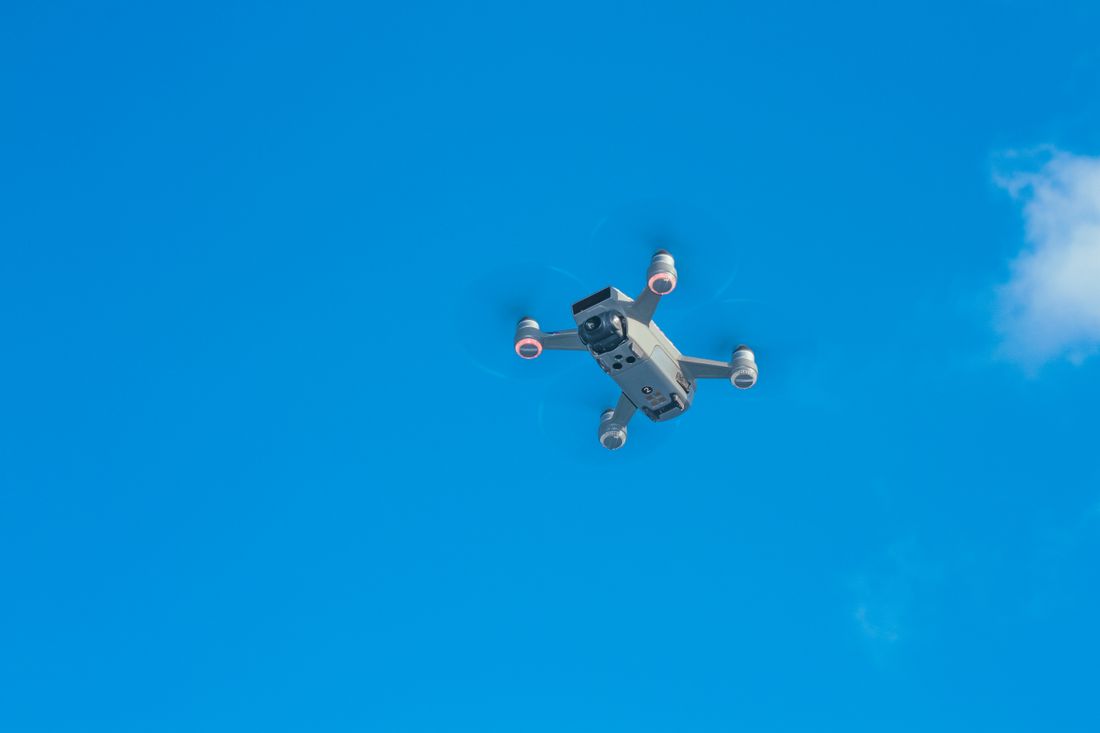
Photo: Core Visuals NYC
Table of Contents
When aerial genuinely helps the message
Aerial footage earns its place in a launch project when the story genuinely depends on scale or context that a ground-level camera can't show, cases like a large outdoor product launch where the size of the setup is part of the announcement, a real estate or development project where the building's relationship to its surroundings is the actual subject, or brand content where an exterior location is a meaningful part of the company's identity. In each of these, the aerial shot isn't decoration; it's answering a question a ground shot literally cannot answer.
This is consistent with how Core Visuals frames the Personal Branding & Launches service: aerial work can support an exterior, property, or large outdoor project specifically when showing scale genuinely helps, not as a default add-on to every launch. If a founder is announcing a new headquarters, a developer is documenting a build-out, or an outdoor event needs to communicate real attendance size to sponsors, the aerial angle is doing actual work.
When it's just an expensive add-on
Aerial work is the wrong call when the goal is vaguely "looking impressive" rather than answering a specific question about scale or location. Most indoor launches, most portrait-driven personal branding projects, and most office-based brand content don't have anything a drone shot would clarify. A founder announcing a product inside a conference room gains nothing from an aerial pass of the building; the story is inside the room, not above it.
The quick test: if removing the aerial shot from the final deliverable wouldn't change what the project communicates, it wasn't earning its place. If the aerial shot is the only frame that shows scale, location, or context the rest of the coverage can't, it belongs.
The real NYC permit and airspace rules
A drone permit is legally required to fly in New York City. The NYPD requires a permit for any drone takeoff or landing within the five boroughs, applied for through the official portal at nyc.gov/dronepermits, with applications generally needed at least 30 days before the planned flight. This is separate from and in addition to FAA registration and pilot certification. Both have to be in place, not one or the other.
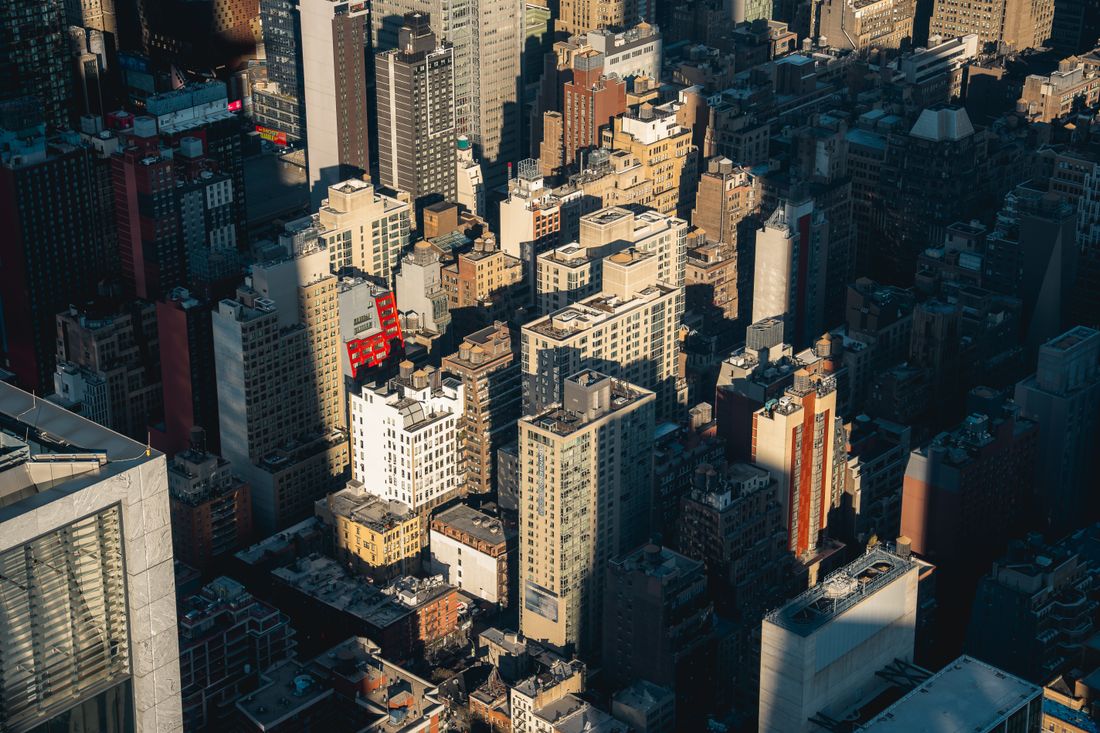
Photo by Willian Justen de Vasconcellos via Pexels.
On the FAA side, commercial drone photography requires the operator to hold a Part 107 remote pilot certificate, earned by passing an aeronautical knowledge test at an approved testing center. The certificate itself doesn't expire, but the operator has to complete recurrent training every 24 months to keep flying commercially. Our existing aerial commercial photography guide covers the LAANC airspace clearance process, liability insurance minimums, and altitude restrictions near JFK, LaGuardia, and Teterboro in more depth. This post focuses on the decision of whether aerial belongs in a launch project at all, not the full regulatory picture. This is production logic and publicly available regulatory information, not legal advice; anyone with a specific compliance question should confirm current requirements directly with the FAA and NYPD.
Why aerial is a supplement, not the coverage
Aerial work doesn't replace ground-level coverage for a launch. Footage from above shows scale and context well, but it can't capture faces, reactions, product detail, or the actual energy of a room the way ground-level photo and video can. A launch project that includes aerial work still needs a full ground crew; the aerial shots supplement that coverage rather than standing in for it.
This changes how the aerial piece should be scoped and budgeted. It's not typically priced as a standalone product, since it depends on airspace clearance, permit timing, and how many locations need coverage. It should be planned into the quote from the start as part of the larger personal branding or launch project, the same way any other specialized deliverable would be, rather than requested as a same-day add-on once the ground crew is already booked.
The permit timeline is the practical reason aerial can't be a last-minute decision the way an extra ground-level camera sometimes can. A 30-day advance filing window means an aerial component has to be identified and requested during the initial planning conversation for the project, not added once a launch date is already close. A founder who decides two weeks before an outdoor announcement that "an aerial shot would be great" is, in practice, deciding against having one. There simply isn't enough runway left to file, wait for approval, and still shoot on schedule. Building the aerial question into the very first planning call, even just to rule it out, avoids that dead end entirely.
Weather adds a second layer of planning that ground-level coverage doesn't usually need to worry about as heavily. Drones don't fly safely in rain, high wind, or fog, and a launch date with a permit already filed for a specific window doesn't automatically get a second flight day if conditions don't cooperate. Any launch project that includes an aerial component should have a backup plan already discussed, either a flexible flight window within the permit's allowance, or an accepted understanding that the aerial piece might not happen if the weather doesn't hold, without that risk derailing the rest of the ground coverage.
Have a launch or brand project where scale is actually the story?
Tell us what the aerial shot needs to show, and we'll scope it alongside the ground coverage from the start, permits included.
See Personal Branding & LaunchesFrequently Asked Questions
When does a launch or brand project actually need aerial photography?
A launch or brand project needs aerial photography when showing scale, location, or the relationship between a property and its surroundings genuinely helps the message, think a large outdoor launch, a real estate or development story, or exterior brand content where the building or site is part of the point. It's a supplement to ground-level coverage, not a replacement for it.
Is a drone permit legally required to fly in New York City?
Yes. The NYPD requires a permit for any drone takeoff or landing within New York City's five boroughs, applied for through the official portal at nyc.gov/dronepermits, in addition to FAA registration and pilot certification. Applications generally need to go in at least 30 days ahead of the planned flight.
What FAA certification does a commercial drone operator need?
Commercial drone photography in the US requires the operator to hold an FAA Part 107 remote pilot certificate, earned by passing an aeronautical knowledge test. The certificate itself doesn't expire, but the operator must complete recurrent training every 24 months to keep operating privileges active.
Does aerial work replace ground-level coverage for a launch?
No. Aerial footage shows scale and context well but can't capture faces, reactions, product detail, or the room's actual energy the way ground-level photo and video can. A launch project that includes aerial work still needs a full ground crew. The aerial shots are a supplement, not the coverage itself.
How much does aerial photography add to a launch or brand project budget?
Aerial work is typically scoped as an addition to a personal branding or launch project rather than priced as a standalone product, since it depends on airspace clearance, permit timing, and how many locations need coverage. It should be planned into the quote from the start rather than requested as a same-day add-on.