
Photo: Core Visuals NYC
"Do we get the RAW files?" comes up on almost every intake call, usually asked in a tone that expects the answer might be no. It usually is. This isn't an attempt to hold anything back. It's a production reality that's worth explaining plainly instead of leaving as an unexplained line in a contract.
Most event photography and video quotes don't include RAW camera files or unedited footage by default because those formats aren't actually usable on their own. RAW files need specialized software just to open, and unedited footage includes every duplicate, missed exposure, and test take alongside the small percentage that's actually good. The edited delivery is the usable product; the raw material behind it is a production input, not the deliverable.
Table of Contents
RAW files and unedited footage aren't usable on their own
A RAW photo file is a camera's raw sensor data. It needs specialized editing software just to open and view properly, and it looks flat and undercooked compared to a finished edit even once opened. Handing over RAW files means handing over files that need significant additional work before anyone could actually use them for a website, a social post, or a print piece.
Unedited video footage has the same problem in a different form: a two-hour event might generate several hours of footage across multiple cameras, including setup and breakdown time, technical checks, and multiple takes of the same moment. Almost none of it is meant to be watched as-is. It's raw material for an edit, not a finished product.
Sorting through that volume of raw footage without editing experience is also a genuinely time-consuming task in its own right, separate from the technical file-format problem. Even someone with the right software installed would need to scrub through hours of clips just to find the handful of usable moments, work that's already been done once by the time a finished edit is delivered, which is part of what the finished deliverable is actually paying for.
Even the file formats themselves work against casual use. Professional cameras often record in codecs and container formats optimized for editing software, not for playback in a standard media player. Someone handed a folder of unedited camera files might not even be able to open them without installing specific software first, regardless of how much sorting they're willing to do.
The ratio nobody talks about
For a typical event, the ratio between total captured material and final delivered material is large. A photographer might take several thousand frames to deliver 150-200 final edited images, and a video shoot might capture hours of footage for a few minutes of finished recap. That gap isn't waste; it's how professional coverage actually works, since getting the right handful of moments requires shooting far more than what ends up being usable.
Handing over everything captured, unedited, would mean handing someone a haystack and calling it delivery. The editing and selection process is where a shoot actually turns into something usable. It's not an optional finishing touch layered on top of the "real" product.
This is also why the final gallery size, typically 150-200 images for a standard event, isn't an arbitrary number picked for marketing purposes. It reflects a genuine curation process: reviewing every frame, discarding duplicates and technical misses, and keeping the images that actually represent the event well. A smaller, carefully chosen set is almost always more useful to a client than a much larger set that includes everything regardless of quality.
A useful way to think about it: a chef doesn't hand you the unprepped ingredients when you order a finished dish. The raw material and the finished product are related, but they're not the same thing, and most clients are actually paying for the second one.
This isn't a pricing tactic
Withholding RAW files or unedited footage isn't a way to charge more later. It's a production and brand-consistency decision. The value in professional photography and video work is largely in the editing, color correction, and selection process, not just in the moment the shutter clicks or the camera rolls. Delivering only finished work protects the quality and consistency of what actually represents the client publicly.
There's also a practical brand-safety angle: an unflattering blink, a missed exposure, or a rough take that never should have left the editing room is a real risk if raw material circulates outside the finished, reviewed set. Editing is partly quality control, not just polish.
It's also worth separating this from usage rights, since the two get confused. Every finished gallery and edit we deliver comes with commercial usage rights included, and that's true whether you book Essential, Professional, or Premium coverage. What you don't get by default is the ability to use unreviewed material, which is a different thing entirely from usage rights on the finished work.
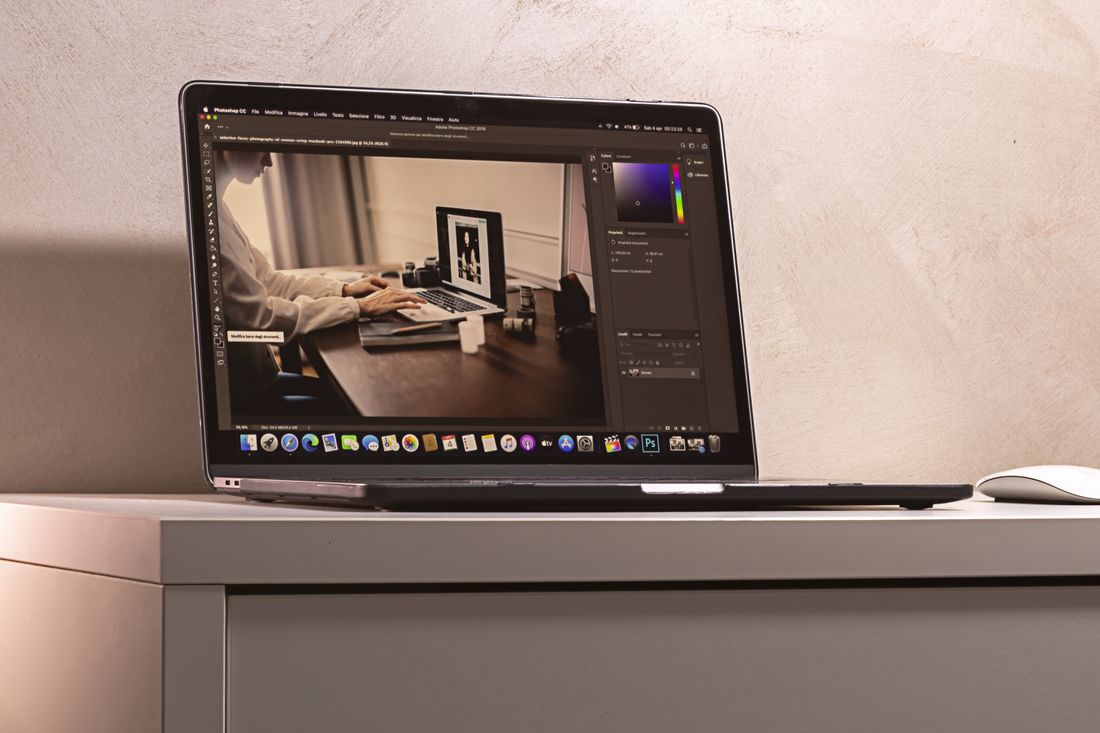
Photo: Core Visuals NYC
Can you ask anyway?
It's possible to raise RAW files or unedited footage as a custom arrangement outside our standard packages, but it's a separate conversation about cost and usage terms rather than something bundled into a normal quote. This comes up occasionally for clients with specific archival or legal-hold needs, and we're open to discussing it. It's just not the default because most clients don't actually need it once they understand what it involves.
When this arrangement does happen, it's usually driven by a specific institutional requirement, a legal team that needs to preserve original files as a matter of policy, or a corporate archive with its own long-term retention rules, rather than a general preference for having "everything." Knowing the actual reason behind the request helps us structure the right arrangement rather than defaulting to a blanket handover of every file captured.
Related, and worth settling before you sign rather than after: what you're permitted to do with the finished images, for how long, and whether paid advertising is included. That one has real licensing prices attached.
What you actually get instead
Standard delivery across our event coverage packages is an edited, color-corrected photo gallery, typically 150-200 images for the Essential package (up to 5 hours) or 200-300 images for Professional and Premium coverage (6 or more hours), and a finished video edit where applicable, delivered through a private online gallery within 5-10 days. Video delivery follows the same logic: a 2-3 minute highlight reel on Essential, or a 4-6 minute reel with a second camera on Professional and Premium, not the raw camera files those edits were cut from.
This is the deliverable the package pricing actually covers, and it's built to be immediately usable, not a starting point for further work. If you need something faster than the standard window, rush turnaround is something we can scope on a per-job basis. Ask when you're booking rather than assuming the standard timeline is fixed.
This isn't unique to photography and video
This same logic shows up across other creative and professional services once you look for it. An architect doesn't hand over every discarded sketch alongside the final blueprint. A writer doesn't deliver every draft alongside the finished copy. The working material behind a finished piece of work is rarely part of the deliverable in any craft where selection and refinement are part of the actual skill being paid for. Photography and video work the same way, even though cameras happen to produce a lot more raw material per project than most other crafts.
Understanding this context sometimes helps the conversation land better than the production explanation alone. It's not that event photography is unusually protective about its raw material. Finished, curated work has always been the actual product across creative fields, and the raw inputs behind it were never really the thing being purchased in the first place.
Related Reading
Booking a photographer for an event and still weighing hourly versus a package?
Send over the run of show and we'll price both options out before you commit to either.
See Event Coverage Packages