Book the same photographer for a gala and an annual meeting, and they'll walk into two completely different jobs wearing the same badge. A gala wants energy, candid warmth, and a highlight reel that makes someone who wasn't there feel the room. An annual meeting wants something closer to a deposition of the year: who said what, what got approved, and who was recognized for it.
A nonprofit annual meeting is a business-meeting format (board reports, financial highlights, and often a formal vote) where the coverage has to function as a usable record afterward, not just a mood piece. That means legible presentation content, clean audio on anyone speaking from the podium, and photo or video specific enough that someone reviewing it in six months can tell exactly what was reported and to whom.
We've written before about gala coverage's two audiences (the room, and the sponsors who missed it). An annual meeting has a third audience galas don't: the organization's own future self, checking back on what was actually said.
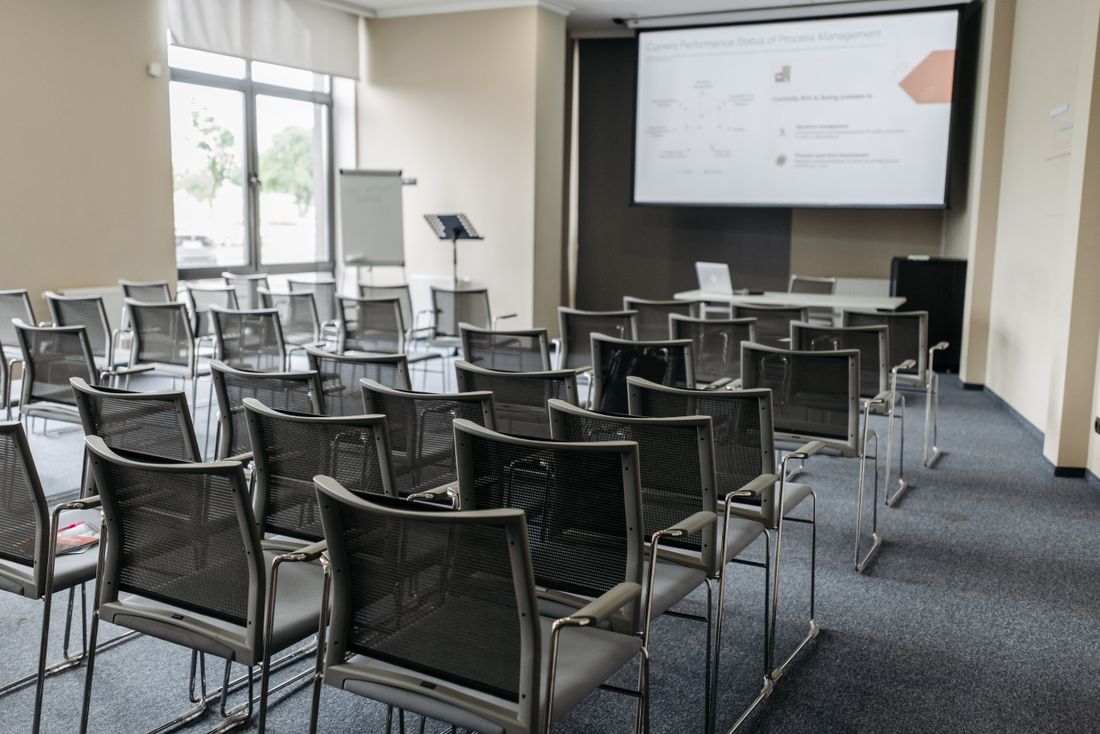
Photo: Core Visuals NYC
Table of Contents
Why this is a different format than a gala
An annual meeting runs on an agenda, not a room's energy (a board chair's remarks, a treasurer's report, committee updates, and usually a vote on officers or bylaw changes), all of it happening in sequence rather than building toward one emotional peak the way a gala's honoree moment does. Coverage built for atmosphere misses most of what actually needs documenting.
The two formats also draw different guests. A gala fills a room with donors and supporters there to be entertained. An annual meeting's room is smaller and more functional (board members, staff leadership, sometimes members with voting rights), people who are there to conduct business, not to be photographed having a good time. The photographer's job shifts from capturing a mood to capturing a meeting.
What has to be legible, not just lit
Presentation slides, financial figures, and any screen content shown during an annual meeting need to actually be readable in the final photo or video, not just present somewhere in a well-lit frame. A wide, atmospheric shot of a presenter standing next to a glowing but distant screen looks fine as a photo and fails completely as a record.
In practice this means a second camera or a screen-capture feed dedicated to the presentation itself, synced with the room-wide coverage, rather than relying on one wide angle to do both jobs. It's a small production add, and it's the difference between a video someone can actually use to confirm what the treasurer reported and one that only proves a meeting happened.
Board recognition and votes are the moments that matter
Board recognition and awards segments need a clean, well-lit shot of each honoree, a legible shot of any certificate or award, and audio clear enough to use the honoree's name and the reason for recognition later. These are the clips that get pulled into newsletters and social posts for months after the meeting, often long after anyone remembers the meeting happened at all.
Votes need something different: a clear photo or video record that a vote occurred and what the outcome was, not necessarily a dramatic hands-up moment. This is documentation, not theater. The goal is a usable record for the minutes and the archive, not a highlight-reel beat.
Photo by Leandro Alamino via Pexels.
Full-session recording versus a highlight reel
Most annual meetings benefit more from a longer session recording covering the key agenda items than from a tightly-cut highlight reel, because the recording's job is answering "what exactly did the board report and decide," and a 3-minute highlight can't hold that much specific information. A short highlight cut still has a place (for the website or a member newsletter) but it's a companion piece, not the primary deliverable.
Where this trips up organizations: booking gala-style coverage for an annual meeting because it worked well last time at the fundraiser, then discovering afterward there's no usable recording of what the treasurer actually reported, only an attractive highlight reel that skips past it.
This is close to the same lesson from choosing between photo, video, or both for any event. The right answer depends on the job the footage needs to do afterward, not on what looked good at the last event of a different kind.
Where this footage actually gets used afterward
Annual meeting photos and video typically end up in the nonprofit's annual report, on the website's leadership or governance page, and in onboarding materials for new board members who weren't in the room. That's a different afterlife than gala footage, which mostly does its job in the few weeks right after the event, serving sponsor renewal and donor follow-up before its usefulness fades.
A new board member joining eight months after the annual meeting can watch the recording to understand what was reported and decided before they arrived. A gala highlight reel doesn't carry that same weight a year later. It's a snapshot of one good night, not a governance record.
Booking and turnaround for this format
Most nonprofit annual meetings run 2-4 hours and fit the $3,500 Essential package (up to 5 hours of coverage, photo or video) while longer sessions with multiple agenda segments or a full board retreat attached typically move up to the $6,000 Professional tier for 6-8 hours. Photos deliver in 5-10 days and video in 7-15 days, the same turnaround as any other event package.
The planning conversation worth having before booking is less about hours and more about what the recording needs to prove afterward (a full agenda record, a recognition segment cut for the newsletter, or both). That answer decides whether photo, video, or a combination actually earns its place in the coverage plan.
Planning your organization's annual meeting?
Tell us what the board needs this recording to prove later, and we'll build coverage around that instead of a generic event package.
See Event Coverage PackagesFrequently Asked Questions
What's different about photographing a nonprofit annual meeting versus a gala?
A gala is a social event where coverage serves the room and the donors who missed it. An annual meeting is a business-meeting format with votes, financial reports, and board recognition. The coverage needs to function as a usable record of what was said and decided, not just a highlight of the mood in the room.
Does a nonprofit annual meeting need full video recording or just a highlight reel?
Most annual meetings benefit from a longer session recording covering the key agenda items (the board chair's remarks, financial highlights, and any votes) plus a short highlight cut for the website or newsletter. A highlight reel alone often can't answer "what exactly did the board report" the way a gala reel can skip that question entirely.
What should be captured during a board recognition or awards segment?
A clean, well-lit shot of each honoree at the podium or being recognized, a legible shot of any award or certificate, and audio clear enough to use the honoree's name and the reason for recognition in later communications. These clips get reused in newsletters and social posts long after the meeting ends.
Is slide or financial data actually visible in annual meeting video, or just the room?
It should be legible, which usually means a dedicated camera or screen-capture feed pointed at the presentation alongside the room-wide shot. A wide shot of a presenter next to a distant, blurry screen doesn't hold up when board members or funders review the recording later for the actual figures.
How is nonprofit annual meeting coverage typically used afterward?
The footage and photos usually end up in the annual report, on the nonprofit's website, and in onboarding materials for new board members who weren't there. That's a different afterlife than gala footage, which mostly serves sponsor renewal and donor follow-up in the weeks right after the event.
How much does nonprofit annual meeting photography and video coverage cost?
Most annual meetings run 2-4 hours and fit the $3,500 Essential package (up to 5 hours, photo or video) or the $6,000 Professional package for longer sessions with multiple agenda segments. Photos deliver in 5-10 days and video in 7-15 days.