Photo: Core Visuals NYC
"We need video for the event" is one of the least specific briefs in event production, because it usually means one of two very different things. A recap video is a short, edited highlight reel built to sell someone on the fact that your event mattered. A full-session recording is a long, mostly unedited capture built so someone can actually review what was said. Both are video. They serve different people, cost different amounts, and fail in different ways when you book the wrong one.
Neither format is a smaller or bigger version of the other. They're built for different jobs. A recap video answers "what happened here?" in three minutes for someone who wasn't there. A full-session recording answers "what exactly did the speaker say?" for someone who wants the whole thing, unabridged. Picking between them, or deciding you need both, comes down to who's watching and what they need from the footage. An event recap video is a short, edited highlight reel that compresses an event into a few watchable minutes for marketing and follow-up, while a full-session recording is a longer, largely unedited capture of a specific talk or panel meant for review or reference. The recap sells the event to people who missed it. The recording documents the content for people who need it in full. Choosing between them depends on your primary audience. Sponsors and prospects on one side, attendees and future viewers who need the material itself on the other.
Table of Contents
Who's actually watching each one
A recap video's audience is people who weren't in the room and don't need to be convinced to watch something long. Think sponsors deciding on renewal, prospects evaluating your company, a marketing team pulling clips for next year's promotion. That audience gives you three to six minutes of attention, maybe less on social. Every second has to earn its place, which is exactly why the format is short and heavily edited.
A full-session recording's audience is people who were either in the room and want to review something specific, or people who couldn't attend that specific session and need the actual content, not a summary of it. Think attendees requesting continuing education credit, a team member who had a scheduling conflict during a key talk, or a training program that needs the complete material for future new hires. This audience wants completeness over polish. They'd rather have the whole 45-minute talk than a beautifully cut 90-second version that leaves out the part they actually needed.
The most common mismatch is booking recap-style coverage for an event where the real value was in the content of individual sessions. Nobody can go back and watch the panel that actually mattered to them, because all that exists is a three-minute highlight reel that shows ten seconds of it.
Edit time and audio needs aren't the same
A recap video takes more editorial time per finished minute than a full-session recording, because every cut, transition, and music cue in a 3-6 minute reel is a deliberate choice pulled from hours of raw footage. Building that from scratch is closer to writing than to trimming. It means selecting the handful of moments that represent the whole event, then pacing them so the video doesn't feel like a highlight-reel cliché.
A full-session recording needs a different kind of work: audio leveling, a clean title card, maybe a light color correction pass, but not scene-by-scene editorial judgment. The value is in capturing it correctly the first time, not in shaping it afterward. Recap videos are edit-heavy. Full recordings are capture-heavy.
Full-session recording also has a stricter audio bar. A recap can tolerate rougher ambient audio in places, because music and pacing carry the moment. A full-session recording lives or dies on clean, consistent speaker audio for the entire talk, usually a direct feed from the venue's soundboard or a lav mic on the speaker, not a camera-mounted mic picking up room noise. Get that wrong on a recap and you cut around it. Get it wrong on a full recording and the deliverable is unusable.
A note on mixed formats: Multi-track conferences with genuinely valuable individual sessions are the clearest case for booking both. That means a recap video for marketing and a set of full-session recordings for the content itself. Single-track events rarely need both. Picking the one that matches your primary use case is usually the right call.
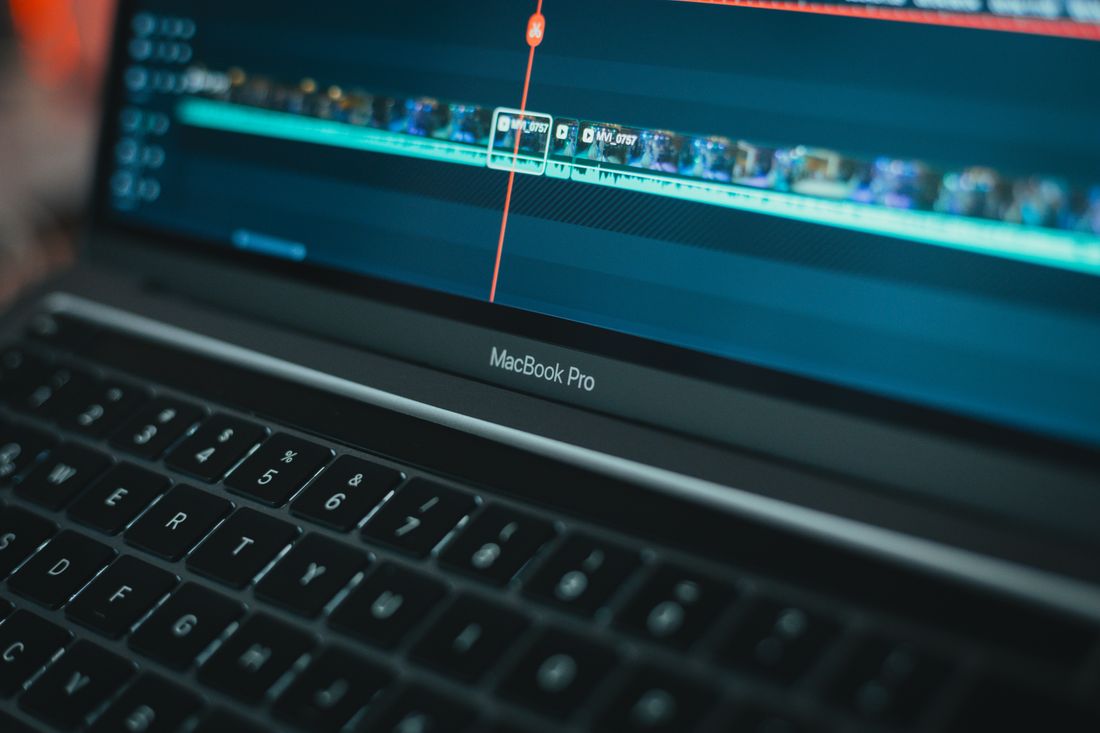
Photo: Core Visuals NYC
What each format actually costs
Recap video pricing lives inside Core Visuals's published event coverage packages, because a highlight reel is one of the two deliverable options in each tier. Photo and video are priced the same when you choose one format. Full-session recording isn't its own line on that price list. It gets scoped as an add-on to a video booking, the way a panel recording gets priced alongside camera coverage rather than sold as a separate product.
| Package | Coverage | Recap video deliverable | Turnaround | Rate |
|---|---|---|---|---|
| Essential | Up to 5 hrs | 2-3 min highlight reel | 5-10 days | $3,500 |
| Professional | 6-8 hrs | 4-6 min reel | 7-15 days | $6,000 |
| Premium | 8+ hrs, photo and video together | 4-6 min reel plus social clips | 7-15 days | From $9,500 |
Bundling photo and video into Premium saves more than $2,500 against booking them separately, which matters if the real comparison is a recap video against a photo package rather than against a full recording. Full-session recording gets quoted the way a panel recording was priced on a recent event booking, alongside the video coverage rather than off a fixed card. If cost is the deciding factor, ask for both numbers before booking. A full recording of one short session can cost less than a heavily edited three-minute reel, and a full day of multi-track recordings can cost more.
Crew, camera setup, and turnaround timing
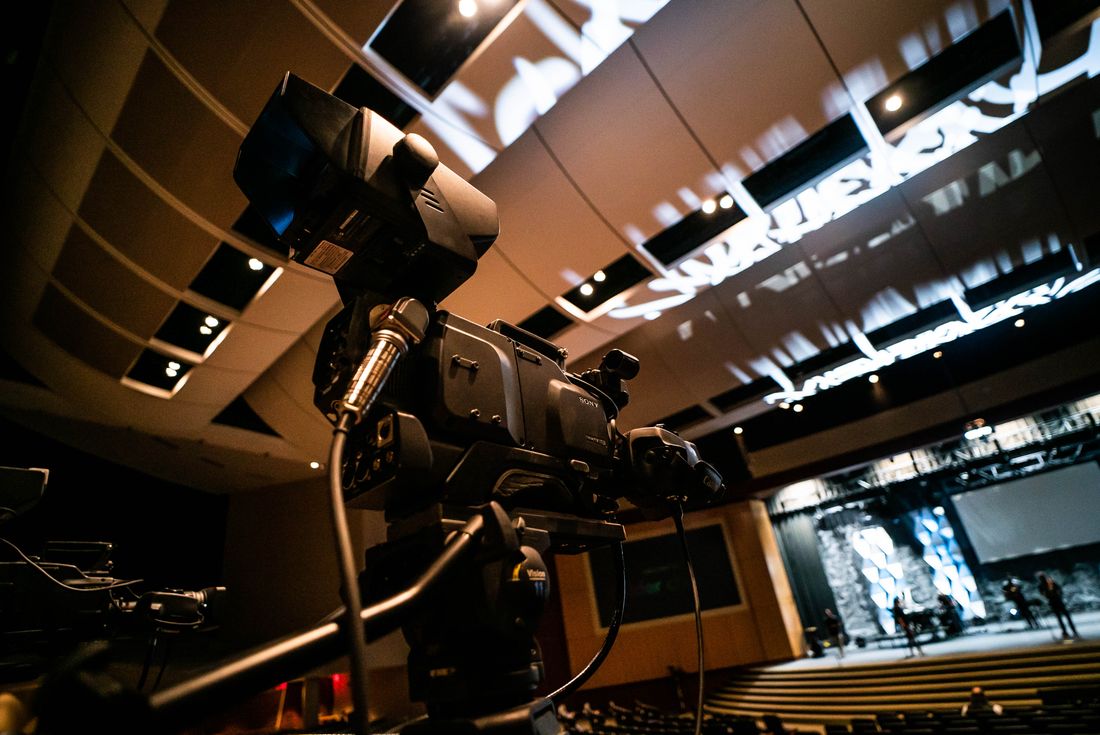
A recap video crew typically works multiple cameras and angles across the whole event. That means wide shots of the room, close coverage of reactions, and b-roll of details, because a good highlight reel is built from variety. A full-session recording usually needs less camera movement and fewer angles per session. A locked wide shot of the stage plus a tighter shot of the speaker is often enough, since the goal is capturing content clearly, not creating visual interest through editing.
Turnaround also runs differently. A recap video's editorial complexity means it typically takes longer to deliver than a straightforward full-session recording, even though the recording itself might be many times the length. A 45-minute session recording with basic audio cleanup can turn around faster than a 4-minute recap video built from footage across an entire day, simply because there's less creative decision-making involved.
Which one still gets used a year from now
A recap video's shelf life is tied to how current it feels. It stays useful as marketing and sponsor proof for roughly a year, until the next event replaces it as the up-to-date example. Nobody wants to send a prospect a highlight reel from three events ago. It reads as evidence the company hasn't run anything recent.
A full-session recording of genuinely useful content ages differently. A technical talk, a training session, or a panel with lasting relevance can stay valuable for years, because its worth comes from the information itself rather than how recently it was filmed. A training session recorded in full can still onboard new hires long after that year's marketing recap has been retired. The content keeps doing its job even after the highlight reel from the same event stops getting used for anything.
That's the practical test worth applying before booking either one. If you'd be embarrassed to show this footage to someone next year, it's marketing material and belongs in a recap. If it would still answer a real question next year, it's content and belongs in a full recording.
Frequently Asked Questions
What's the difference between an event recap video and a full-session recording?
A recap video is a short, edited highlight reel (2-6 minutes) built for people who weren't in the room, using music, pacing, and selects to compress an event into a watchable story. A full-session recording is a longer, mostly unedited capture of a specific talk or panel, built for attendees who want to review content or watch what they missed in full. A recap serves marketing and sponsor follow-up. A full recording serves training, continuing education credit, and reference material.
How much does an event recap video or full-session recording cost in NYC?
Recap video pricing runs inside Core Visuals's event coverage packages. Essential, up to 5 hours, is $3,500 for a 2-3 minute reel. Professional, 6-8 hours, is $6,000 for a 4-6 minute reel. Full-session recording isn't a fixed line item. It gets scoped as an add-on within a video booking, the way a panel recording was priced alongside camera coverage on a recent event. Ask for both numbers before booking if cost is the deciding factor.
Do we need both a recap video and full-session recordings?
Most single-track events only need one format. Marketing and sponsor follow-up call for a recap. Training, continuing education credit, or reference material call for full recordings. Multi-track conferences with valuable individual talks are the main case where booking both earns its extra cost, since a short recap video can't substitute for the individual session content that sponsors, attendees, and future viewers actually need to see in full.
Related Reading
Booking a photographer for an event and still weighing hourly versus a package?
Send over the run of show and we'll price both options out before you commit to either.
See Event Coverage Packages