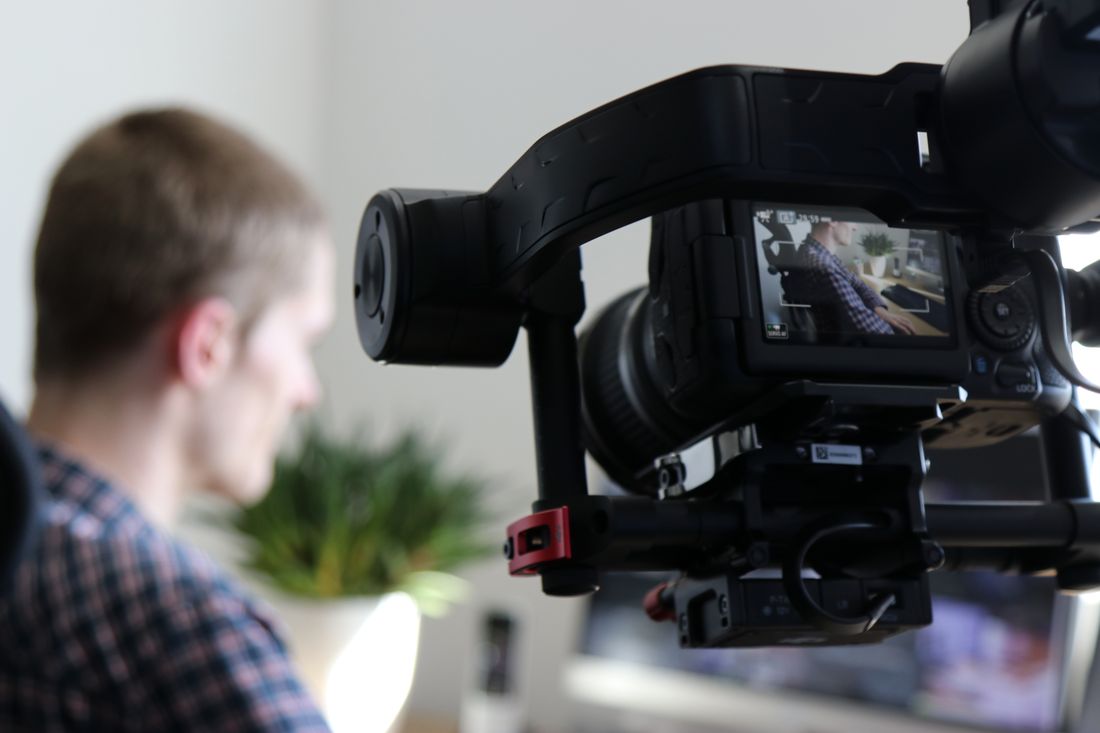
Photo: Core Visuals NYC
Every case study video conversation I've had starts the same way: a marketing team wants to turn a great client relationship into a film. Almost none of them start by asking what happens if the client says no to the one sentence that makes the whole thing worth watching. That question is the actual production. Lighting comes later.
The hard part of a case study video isn't the shoot. It's that the credibility carrying the film belongs to a client who doesn't work for you. What they agree to before anything gets scheduled, in writing, determines whether the finished film gets used or shelved. The interview is the spine; proof footage is the evidence.
Table of Contents
- Why the hardest part of a case study video isn't the shoot
- What the featured client has to agree to before anything gets scheduled
- Why getting that agreement in writing early beats catching it later
- The interview is the spine the whole film is built around
- Proof footage is the evidence, not the decoration
- The credibility killer: reciting benefits instead of describing before and after
- Interview craft: stepping out of the room, and cutting words instead of scripting them
- Shooting at the client's site, and the honest scope note worth saying out loud
Why the hardest part of a case study video isn't the shoot
The hardest part of a case study video isn't lighting, sound, or the edit. It's that the credibility carrying the film belongs to someone who doesn't work for you. A featured client can go quiet on approval, walk back a specific result, or simply decline to be filmed, and none of that is a problem a better camera fixes.
Most other video formats keep the risk in-house. A brand anthem, a founder piece, a recruiting video. In each, the subject works for the company commissioning the film, so their calendar, their comfort on camera, and their willingness to say something specific are all things you can manage directly. A case study video flips that. The person whose words make the film credible is a customer, doing you a favor, on their own schedule, with their own legal and communications team involved. That dependency is the actual production risk, and it shows up before a camera gets booked, in whether the client agrees to be filmed at all, whether they'll name a real result, and whether their team will let the honest version survive review. Solve that first.
What the featured client has to agree to before anything gets scheduled
Before a shoot date gets picked, the client has to agree to four separate things: appearing on camera at all, naming a specific measurable result instead of a vague compliment, routing the final cut through their legal or communications review, and accepting how long the finished film will stay in active use.
Each of those is its own negotiation, and none of them collapse into one yes. A client can agree to be interviewed and still balk at naming a number once they see it in a rough cut (a growth figure, a time saved, a problem solved) because that number is now attached to their name in public, not yours. Their legal team will want a pass before anything ships, which is normal, but it needs a known timeline, not an open-ended one. Usage matters more than people expect going in, too: a film approved for a landing page for a year is a different commitment than one licensed for paid ads indefinitely. Skipping this conversation because the interview went well is how a finished film ends up stuck in review for months.
Why getting that agreement in writing early beats catching it later
Getting the client's agreement in writing before scheduling is what separates a finished case study video from an expensive shelf project, because a verbal yes from one enthusiastic contact can quietly become a no once legal, comms, or a new manager gets involved after the footage already exists.
A single enthusiastic marketing contact can say yes to an interview in a five-minute call, and that yes can feel like enough to schedule a shoot. It usually isn't. Once footage exists, it has to survive review by people who weren't on that call (legal counsel checking what can be claimed publicly, a communications team protecting the client's own brand, sometimes an executive who's never heard of the project). If those approvals were never confirmed before the shoot, the production is now asking strangers to approve something that already cost time and money, with no leverage to shape it earlier. A short written agreement (what will be shown, what result gets named, who signs off, and by when) moves objections before the crew shows up. It costs one email thread. Skipping it costs a finished film nobody will let you publish.
The interview is the spine the whole film is built around
A case study video is structured around one long, honest interview with the client, with every other element (proof footage, b-roll, graphics) built to support what gets said in that conversation rather than decorate around it. Get the interview wrong, and no amount of polish on the rest fixes it.
That means the questions matter more than almost anything else in the production. Broad prompts like "how has it been working with us" produce a testimonial, a string of compliments a viewer has heard a hundred times and trusts less each time. Story-producing questions ask about a specific before state, the moment something had to change, and what's different now in terms someone outside the company could actually picture. What was happening right before you started looking for a solution. What did the old way actually cost you, in time or money or stress. What's different now that you'd notice walking into the building. Those questions pull out sequence and detail, the two things a testimonial never has and a story always does. The interview isn't a formality before the good footage starts. It is the good footage.
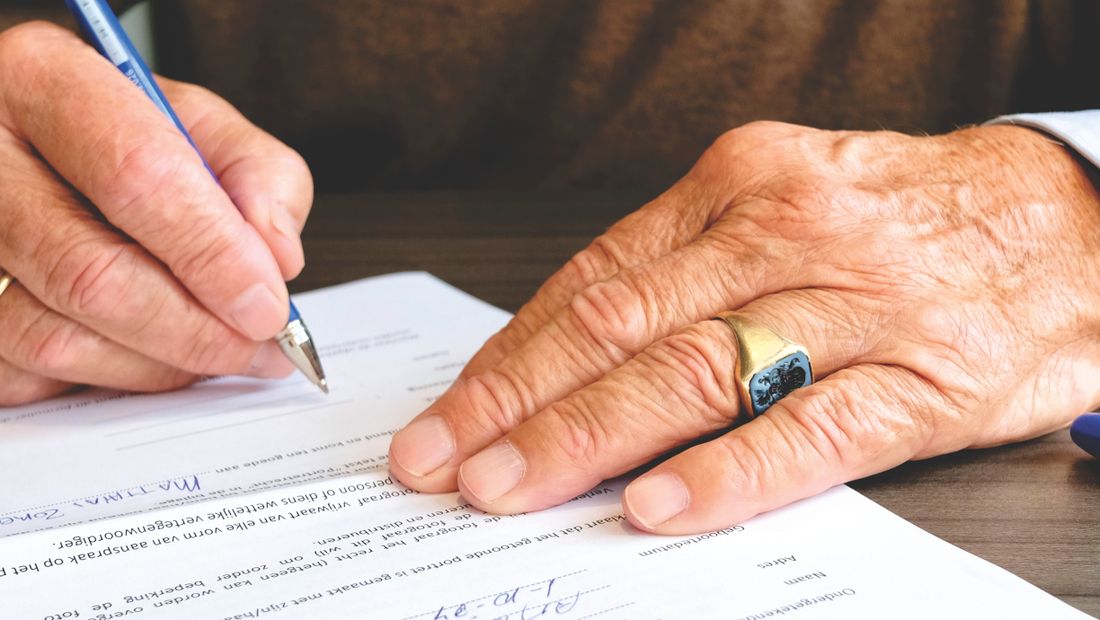
Photo by Matthias Zomer via Pexels.
Proof footage is the evidence, not the decoration
Proof footage (the product in use, the space where the work happened, the document or dashboard the result actually lives in) backs up specific claims made in the interview with something a viewer can see for themselves. It doesn't exist to fill time between talking-head shots or make the film look busier.
There's a real difference between b-roll that's decorative and b-roll that's evidence. A shot of someone typing on a laptop over a vague claim doesn't prove anything. It's wallpaper. A shot of the actual dashboard the client mentioned, the specific space they described changing, or the team meeting they said now runs differently is proof, because it ties directly to a sentence the client just said. Planning proof footage means going through the interview transcript, or at minimum the pre-interview conversation, and asking what the visual version of this specific claim is, then shooting that instead of generic activity. A film with strong proof footage lets a skeptical viewer check the interview against what's on screen. A film without it is asking for trust on the interview's word alone, which is a much harder sell.
The credibility killer: reciting benefits instead of describing before and after
The fastest way a case study video loses a viewer's trust is a client reciting benefits in marketing language ("the platform streamlined our workflow and saved us time") instead of describing an actual before and after in their own words, because recited benefits sound coached even when they're sincere.
Viewers can't verify "streamlined our workflow." They can believe "we used to spend a full day every Friday reconciling three spreadsheets by hand, and now that same task takes about twenty minutes." The second version isn't better copywriting. It's a different kind of statement, built from a specific before state and a specific after state instead of an adjective. This is usually not the client's fault. Ask someone an open question about a vendor relationship and they'll often reach for the language they'd use in a written testimonial, because that's the register they assume is expected. The fix lives entirely in the questions asked during the interview, not in the edit afterward. A benefit-shaped answer can't be rescued in post, because there's no before-and-after material there to cut to in the first place.
Interview craft: stepping out of the room, and cutting words instead of scripting them
Two craft choices make the interview honest instead of promotional: having the vendor's own team step out of the room for part of the conversation so the client isn't performing for the person who booked the shoot, and building the script afterward entirely from what the client actually said rather than handing them lines beforehand.
A client being interviewed by the person whose company benefits from the answer is, whether anyone intends it or not, a small performance for an audience of one. Handing the questions to a neutral interviewer, or simply having the account team step out for the harder before-and-after questions, changes what comes back. People are more candid with someone who isn't the one who'll be reading the results. The other half of this is resisting the urge to write the client's lines in advance. A scripted answer sounds like a scripted answer no matter how good the writing is; the specific, believable version of a sentence only exists after it's actually been said out loud, unscripted, and then selected in the edit. The writing happens after the interview, never before it.
Shooting at the client's site, and the honest scope note worth saying out loud
Filming a case study on the client's own site means working around their access rules (badge escorts, restricted areas, other people's meetings, a facilities contact who has to approve where a tripod goes) and none of that is unusual. It just has to be planned before the crew arrives, not discovered that morning.
A client's office or facility isn't a rented studio. Someone there has to grant access, and that person is usually not the marketing contact who agreed to the interview. It's often facilities, security, or an office manager with their own list of what's off-limits that day. Confirming that access, along with what parts of the space can appear on camera, is a logistics conversation worth having a week out, not a surprise on shoot day. The honest note belongs earlier, before a shoot is booked: if the result can't be described in specific, concrete terms (a real number, a real before and after, a real change someone would notice), the finished film sounds like an advertisement no matter how well it's shot. Good production can't manufacture specificity that was never in the story.
Frequently Asked Questions
What does a client have to agree to before a case study video gets scheduled?
Four separate things: appearing on camera at all, naming a specific measurable result rather than a general compliment, letting their legal or communications team review the final cut on a known timeline, and accepting how long the film stays in active use. A one-year landing page license is a different commitment than an indefinite paid-ads license. Getting explicit agreement on all four in writing before a shoot date is picked prevents finished footage from stalling in approval.
Why does a written agreement matter more than a verbal yes from the client?
A verbal yes from one enthusiastic marketing contact can unravel once people who weren't on that call get involved (legal counsel checking public claims, a communications team protecting the client's brand, or an executive hearing about the project for the first time). A short written agreement covering what gets shown, what result gets named, and who signs off by when moves those objections before a shoot happens, not after footage already exists and has cost time and money.
What makes an interview question produce a real story instead of a testimonial?
Broad prompts like "how was your experience" produce compliments (great, smooth) a viewer has heard before and trusts less each time. Questions built around a specific before state, the moment something had to change, and a concrete after state pull out sequence and detail instead. "What did the old way cost you" gets a real answer. "How was it working with us" gets a testimonial. The difference is in how the question gets asked, not the edit.
Why shouldn't the vendor be in the room for the whole interview?
A client interviewed by the person whose company benefits from the answer is, even unintentionally, giving a small performance for an audience of one. Stepping the account team out for the harder before-and-after questions, or using a neutral interviewer, tends to produce more candid answers, because the client isn't shaping the response for someone who'll be reading the results. It's a small logistical choice with a real effect on how honest the footage sounds once it's cut.
What if the client's result can't be described in specific, concrete terms?
Then say so before booking a shoot, not after. If a client can't point to a real number, a concrete before-and-after, or a specific change someone would notice, the finished film is going to sound like an advertisement no matter how well it's shot or edited. Production craft can't manufacture specificity that was never part of the actual story. It's an honest scope conversation worth having early, even if the honest answer is that the piece isn't ready yet.
Related Reading
Booking headshots or a brand video for your team?
Tell us how many people and whether you need photo, video, or both, and we'll send back a fixed price with the volume discount already applied.
See Headshots & Brand Videos