Most trade show video is wide shots of a crowded aisle: people walking, a booth in the background, a logo passing through frame. It looks busy in the recap edit and answers nothing once the show closes and the booth comes down three days later.
Trade show video holds up after the event when it's built from three specific assets: short interview clips with your own team or a partner, a product demo captured cleanly instead of through booth noise, and a recap that shows scale without pretending the aisle traffic itself was the point. Generic floor footage looks good in the moment and rarely gets reused.
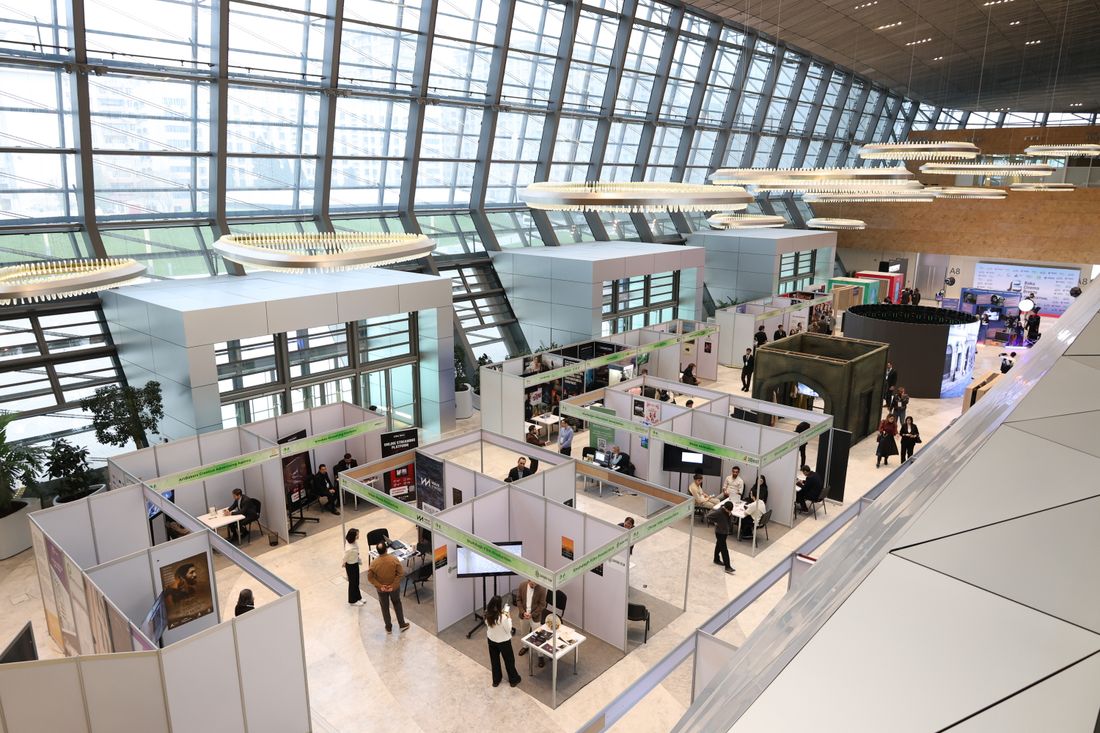
Photo credit: Photo by Tahir Xəlfəquliyev via Pexels.
Table of Contents
Why Generic Floor Footage Doesn't Survive the Edit
Generic floor footage (wide shots of a crowded aisle) communicates that a show was busy, which nobody needs proof of three weeks after it ends. It doesn't answer what your product does, who your team is, or why someone should follow up, so it rarely gets reused once the initial recap email goes out.
It's also the easiest footage to get by accident, which is exactly why so much trade show video ends up being mostly this. A camera pointed at the aisle for ten minutes produces usable-looking clips without anyone having to plan for them. That's also why they don't do anything once the edit is due.
None of this means wide shots of the floor are useless. A few seconds of a busy aisle still belong in a recap, as texture. The problem is when that's the entire deliverable, and the interview, demo, and recap footage that would have actually gotten reused never got shot because nobody planned time for it.
Interview Clips Are the Asset With the Longest Life
A short interview clip with your own team or a partner explaining one clear idea has the longest shelf life of any trade show asset, because it can be reused on a website, in sales outreach, or on social media without needing the context of the show it was filmed at. It travels because it isn't tied to the event that produced it.
This works best when it's planned before the show, not improvised on the floor: naming which two or three people will speak, and giving each one a single idea to cover in under a minute, produces something usable. Grabbing whoever's standing at the booth when the camera happens to be free usually doesn't.
A Clean Product Demo Beats Booth-Noise B-Roll
A product demo should be filmed cleanly, separate from the noise and foot traffic of the open floor (a quieter moment before doors open, a side area of the booth, or a controlled angle that keeps the product in focus). A demo shot through crowd noise and passing shoulders is harder to use later than one shot with intention.
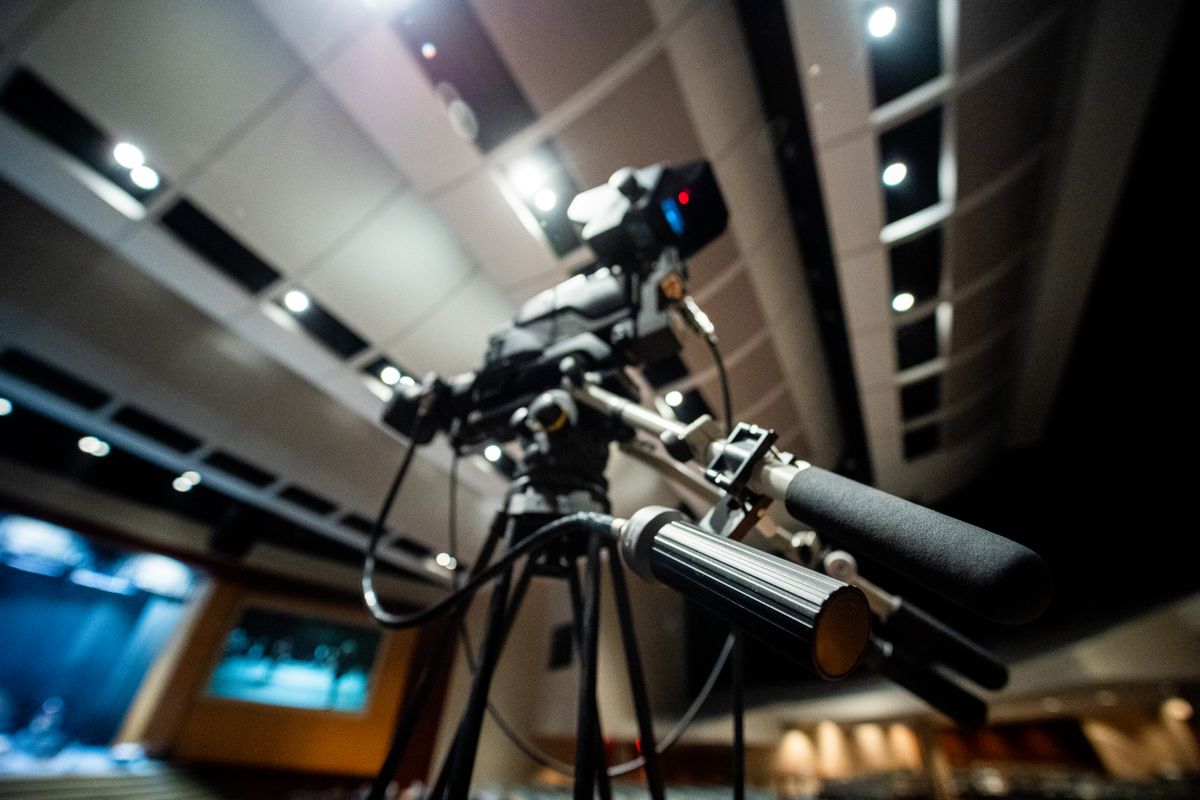
The fifteen minutes it takes to shoot a demo before the floor opens, or during a lull, is usually the difference between a clip that ends up on the product page and one that gets cut for being unusable. It's a small scheduling ask that has to be planned for, since it doesn't happen on its own once the floor is live.
A Recap Video Still Needs a Job, Not Just Energy
A trade show recap should give the team a specific reason to send it (a follow-up email to leads, a LinkedIn post confirming presence at the show, or a clip for next year's exhibitor pitch). A recap built only to convey energy or scale usually gets watched once internally and never opened again.
Where this goes wrong: treating the recap as the main deliverable instead of one of three. A recap alone answers "were we there and was it busy," which is a much smaller question than what a good interview clip or demo can answer on its own.
A recap with a named job also tends to be shorter and more useful than one built to impress. A 45-second cut that opens with the product demo clip and closes with a booth shot does more for a follow-up email than a two-minute highlight reel nobody has time to watch before replying.
Planning for the Floor Before the Show Opens
Deciding which team members will speak on camera, what the demo needs to show, and what the recap is for lets a crew capture all three deliverables during the show, instead of extracting them afterward from footage never planned for those uses. It's the same short planning conversation any event coverage needs, applied to a booth instead of a stage.
Multi-day shows add one more variable worth naming up front: whether coverage needs to happen every day or just the busiest one. A single strong day of planned coverage usually beats three unplanned days of aisle footage.
What This Actually Costs
Trade show coverage follows the same fixed-price structure as other event coverage, not a separate rate card: Essential ($3,500, up to five hours) and Professional ($6,000, six to eight hours) both cover video, 7-15 day turnaround. Premium (from $9,500, eight-plus hours) adds coordinated photo and video with social clips included. That's useful when interview, demo, and recap all need to come out of one multi-day show.
Naming the three deliverables up front (interview, demo, recap) before booking is usually enough for us to say which package fits the size and length of the show. A single-day show with one clear demo moment rarely needs Premium; a three-day show with multiple speakers and a partner interview schedule usually does.
Tell Us the Three Things You Actually Need
Interview clips, a clean demo, and a recap with a job. Name them before the show and we'll build coverage around getting all three, not just the aisle shot.
See Event Coverage PackagesFrequently Asked Questions
Why doesn't generic trade show floor footage hold up after the event?
Generic floor footage (wide shots of a crowded aisle) communicates that a show was busy, which nobody needs proof of three weeks after it ends. It doesn't answer what your product does, who your team is, or why someone should follow up, so it rarely gets reused once the initial recap email goes out.
What makes an interview clip from a trade show worth keeping?
A short interview clip with your own team or a partner explaining one clear idea has the longest shelf life of any trade show asset, because it can be reused on a website, in sales outreach, or on social media without needing the context of the show it was filmed at.
How should a product demo be filmed at a trade show?
A product demo should be filmed cleanly, separate from the noise and foot traffic of the open floor (a quieter moment before doors open, a side area of the booth, or a controlled angle that keeps the product in focus). A demo shot through crowd noise is harder to use than one shot with intention.
What should a trade show recap video actually accomplish?
A trade show recap should give the team a specific reason to send it (a follow-up email to leads, a LinkedIn post confirming presence at the show, or a clip for next year's exhibitor pitch). A recap built only to convey energy or scale usually gets watched once and never opened again.
Should trade show video planning happen before the show or during it?
Before. Deciding which team members will speak on camera, what the product demo needs to show, and what the recap is for lets a crew capture all three deliverables during the show instead of trying to extract them afterward from footage that was never planned for those uses.
How much does trade show video coverage cost?
Trade show coverage follows the same fixed-price structure as other event coverage: Essential ($3,500, up to five hours) and Professional ($6,000, six to eight hours) both cover video, and Premium (from $9,500, eight-plus hours) adds coordinated photo and video with social clips included for multi-day shows.