Photo: Core Visuals NYC
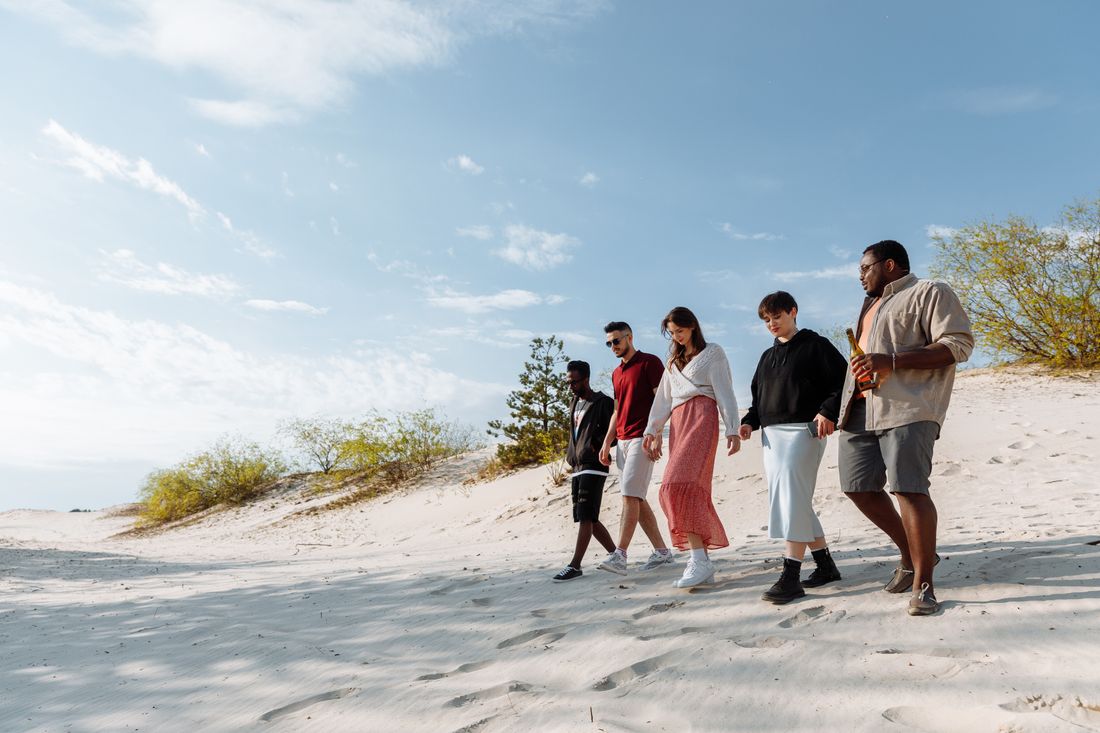
A President's Club trip doesn't have a call time or a run-of-show. It has three or four days of golf, pool time, a group excursion, one evening with an actual program, and a lot of unstructured hours in between where nothing is technically happening and everything worth photographing might happen anyway. The deliverable isn't coverage of an event. It's proof that the reward was worth earning, which changes how the trip gets planned, shot, and delivered from the ground up.
A sales incentive trip needs coverage built around loose windows instead of a fixed schedule, because most of the trip has no stage, no program, and no single room everyone is in at once. The one exception is the awards dinner, which behaves like a real event and needs a real shot list. Everything else gets covered the way a documentary gets covered: present, watching, not directing.
Table of Contents
- Why a Recognition Trip Isn't an Event With a Start and End Time
- What Actually Needs to Be Captured on a Recognition Trip
- The Awards Dinner Is the One Exception: Where a Real Shot List Applies
- How Travel Days and Day-Rate Structure Change an Incentive Trip Quote
- What Gear Actually Works for a Multi-Day Trip You Have to Fly With
- Consent and Comfort When Attendees Are Off the Clock and Drinking
- Why Turnaround Speed Matters More for Incentive Trips Than for Most Events
- One Trip, Three Deliverables: Recruiting Content, Internal Comms, and Next Year's Announcement
Why a Recognition Trip Isn't an Event With a Start and End Time
A sales incentive trip doesn't run on one schedule the way a single-venue event does. It's three or four loosely-connected days (a golf outing, a beach afternoon, a welcome dinner) with no run-of-show, no stage for most of it, and coverage that works in windows instead of call times.
A single-venue event hands a shooter a document to plan around: doors at nine, keynote at ten, breakout at eleven, awards at seven. An incentive trip hands you an itinerary with gaps left in on purpose (a free morning, an optional excursion, an evening nobody scheduled) because the whole point of the reward is that people get to relax. There's rarely one room everyone is in at once, and rarely a single directive moment the way a keynote gives you one. That changes the planning conversation before it changes anything on site. Instead of asking for a run-of-show, I ask for a loose outline of where the group will be and roughly when, then build coverage around windows (the outing, the group meal, the one evening with an actual program) and treat the rest the way documentary work gets treated: present, watching, not directing traffic.
What Actually Needs to Be Captured on a Recognition Trip
A recognition trip needs proof that the reward was worth earning: people genuinely enjoying an experience they didn't pay for, in a setting nicer than their everyday life, alongside leadership who showed up too. It doesn't need every activity documented equally. A trip photographed like a checklist produces a gallery nobody uses; a trip photographed like a story produces the handful of images next year's campaign actually needs.
The instinct on a first incentive trip is to cover everything, because everything is technically happening (the excursion, the free afternoon, the casual dinner, the closing brunch). In practice, most of that time is filler that feels like it should be documented because it's on the itinerary, not because it produces anything usable. What actually earns coverage time is the handful of moments that read as the reward itself: arrival at the resort, the activity everyone talks about afterward, genuine laughter at a shared table, someone visibly relaxed in a way they aren't at their desk. Skipping the filler isn't cutting corners. It's the judgment call that keeps the delivered set tight enough that a recruiter actually uses it instead of scrolling past four hundred near-duplicate poolside frames.
The Awards Dinner Is the One Exception: Where a Real Shot List Applies
The awards dinner or closing recognition night is the one part of an incentive trip that behaves like a normal event, and it's the one part that needs an actual shot list. There's a stage, a program, a sequence of names called out, and specific individuals who need a clean, usable photo of the exact moment they're recognized, the one piece of the trip most likely to get reused for a year.
Everything I've said about windows and loose coverage stops applying for these two or three hours. This segment gets planned the way any awards program gets planned: who's presenting, roughly what order winners go in, whether a slide or name card confirms who's on stage, and whether the room needs a flash or bounce setup instead of available light. A missed handshake-and-hold at a golf outing is a shrug; a missed one for the top earner of the year is a real problem, because that photo often ends up in a newsletter, a LinkedIn post, or next year's own invitation. The rest of the trip can absorb a missed moment. This segment can't, which is exactly why it gets treated differently.
How Travel Days and Day-Rate Structure Change an Incentive Trip Quote
A multi-day incentive trip prices differently from a local event because travel itself becomes billable time, not overhead absorbed into a flat fee. Flights, an arrival day with no coverage, and a departure day with maybe an hour of usable morning light all add real days to a quote that a single evening gala never has to account for, and a day-rate structure usually fits better than a per-hour or per-event rate.
In practice that means a three-day trip is rarely a three-day quote. If the destination requires a flight, the travel day itself often needs to be built into the schedule and sometimes the rate, since a shooter who lands exhausted the afternoon before an early group activity isn't shooting at their best the next morning. Location matters too. A resort with unpredictable weather or spotty cell service changes how much can be confirmed in advance versus adjusted on the ground. None of this is a reason to over-scope a trip that doesn't need it; a two-day domestic trip with a clear itinerary can run lean. It's a reason to ask the travel questions before the shoot-day questions, since they're usually what actually moves the number.

Photo by Pavel Danilyuk via Pexels.
What Gear Actually Works for a Multi-Day Trip You Have to Fly With
Gear for an incentive trip needs to fit a carry-on and cover conditions a studio kit never has to: bright midday sun by a pool, a dim dinner room at night, an outdoor activity with sand, water, or dust in play, all without a second body's worth of backup sitting in checked luggage that might not show up on time.
That reshapes the kit before it reshapes anything about shooting style. A smaller, more versatile lens lineup beats a full bag of primes when there isn't an assistant moving gear between locations. Most of an incentive trip gets covered on foot or from a golf cart, not from a fixed camera position. Backup bodies and cards still matter, arguably more than at a single-venue event, since there's no quick trip back to a studio if something fails on day two of four. Weather-resistant gear earns its keep outdoors, and a compact flash setup covers the one evening that actually needs it (the awards dinner) without hauling lighting gear meant for a ballroom to a beach.
Consent and Comfort When Attendees Are Off the Clock and Drinking
Attendees on an incentive trip are off the clock in a way they never are at a conference or a sales kickoff, which means coverage has to read the room differently: candid documentation of a group enjoying itself, not a photographer working a beat looking for a reaction shot at any cost. People drink more at these trips than at a typical work event, and a camera in the wrong moment reads as surveillance instead of a keepsake.
In practice that means staying visible rather than sneaking shots, giving people an easy way to wave off a moment they'd rather skip, and being conservative about what goes in the delivered set even if a frame is technically usable. A photo that's funny in the moment can look different to the person in it the next morning, or worse, in a recruiting video a year later. I lean toward capturing genuine enjoyment (real laughter, real relaxation) over anything that edges toward embarrassing, and I'd rather under-cover a loose, informal evening than hand a client a gallery someone in it is uncomfortable seeing used. That judgment matters more here than at almost any other event type I shoot.
Why Turnaround Speed Matters More for Incentive Trips Than for Most Events
An incentive trip's photos have a shelf life tied to next year's recruiting cycle, not just the week after the trip ends. A sales org planning next year's President's Club announcement, or a recruiter building a pitch deck for candidates, needs proof the reward is real well before the trip itself becomes a distant memory, which puts real pressure on delivery speed that a typical single-day event doesn't carry.
That timeline usually starts sooner than clients expect. A recruiting push or a next-quarter kickoff announcement often needs images within days of the group getting home, not the standard multi-week turnaround a full event gallery might otherwise get. In practice that means culling and delivering a fast, tightly-edited highlight set first (the arrival, the signature activity, the awards moment) with the fuller gallery following afterward for internal use. Waiting for a single, comprehensive final delivery risks missing the actual window the client needed it for: the recruiting email that goes out while the trip is still fresh, or the internal announcement that leans on this year's photos to sell people on earning next year's trip.
One Trip, Three Deliverables: Recruiting Content, Internal Comms, and Next Year's Announcement
A single incentive trip usually needs to serve three separate audiences from one shoot: recruiting content that shows prospective hires what winning looks like, internal comms that reinforces the program to employees who didn't earn the trip yet, and next year's own incentive announcement, which often reuses this year's best images to sell the next cohort on qualifying.
Those three uses don't need three different shoots, but they do need to be planned for before the trip starts, because they pull toward slightly different images. Recruiting content favors wide, aspirational shots of the destination and the group enjoying it, the kind of image that works without much context. Internal comms favors recognizable faces and specific moments that read as real to people who already know the attendees. Next year's announcement favors the awards-dinner segment specifically, since that's the moment that visually explains what the trip is for. Flagging this upfront changes how a shoot gets organized, since it's the difference between covering three separate needs deliberately and hoping one general gallery happens to serve all three later.
Frequently Asked Questions
How is coverage for a sales incentive trip different from coverage for a single-venue corporate event?
A single-venue event has one schedule and one shot list built around it, doors, keynote, breakout, awards. An incentive trip runs three or four loosely-connected days with no run-of-show for most of it, so coverage works in windows instead of call times: the outing, the group meal, the one evening with an actual program. Only the awards dinner behaves like a traditional event with a real shot list.
Do you need to photograph every activity on an incentive trip itinerary?
No. Most of the time on an incentive trip is filler that feels like it should be documented simply because it's scheduled, not because it produces anything usable afterward. What actually earns coverage is the handful of moments that read as the reward itself (arrival, the signature activity, genuine group moments) kept tight enough that a recruiter or comms team can actually use the final set.
How does a multi-day incentive trip change the price compared to a single event?
Travel becomes billable time rather than overhead: flights, an arrival day with little to no usable coverage, and a departure day all add real days a single evening event never accounts for. A day-rate structure usually fits better than an hourly or per-event rate. A two-day domestic trip with a clear itinerary can still run lean; a multi-day trip with flights and unpredictable conditions typically can't.
How do you handle photographing attendees who are off the clock and drinking?
By staying visible rather than working covertly, giving people an easy way to opt out of a moment, and being conservative about what makes the final delivered set even when a frame is technically usable. The goal is genuine enjoyment and real relaxation, not a reaction shot at any cost. A photo that reads as funny in the moment can look very different to that person later, so judgment matters more here than at most other event types.
How fast do incentive trip photos need to be delivered?
Faster than most single-day events, because the images usually feed a recruiting push or next quarter's incentive announcement that can't wait for a standard multi-week turnaround. A fast, tightly-edited highlight set (arrival, the signature activity, the awards moment) typically needs to go out within days, with the fuller gallery following afterward for internal use once the initial recruiting or comms window has been served.
Related Reading
Booking a photographer for an event and still weighing hourly versus a package?
Send over the run of show and we'll price both options out before you commit to either.
See Event Coverage Packages