Photo: Core Visuals NYC
Someone booking event video coverage will often ask for "just a quick 30-second cutdown" like it's the budget option next to a full highlight reel. It isn't automatically that. Runtime is the thing a client can see and count in seconds, so it feels like the natural place to peg the price. But an editor isn't billing for seconds of finished video. They're billing for editing decisions, and a tight 30-second cut can carry more of those per second than a relaxed 3-minute film does. Here's why length and cost don't move together, and what actually sets the number on a cutdown quote.
A 30-second cutdown can cost as much as a 3-minute film because price follows editing complexity and footage volume, not runtime. A short cut demands more decisions per second, tighter pacing, and often a harder search through hours of footage for the single best moment. That work doesn't shrink just because the final file is short.
Table of Contents
- Why Doesn't a Shorter Cutdown Automatically Cost Less?
- What Does 'Editing Decisions Per Second' Actually Mean?
- Why Does Finding the Right 30 Seconds Take So Long?
- Why Does a Tighter Cut Usually Need More Revision Rounds?
- Do Color and Sound Work Actually Get Cheaper on a Shorter Video?
- Where Does a Longer Film Actually Get the Easier Pacing?
- How Does the Amount of Source Footage Change the Price, Regardless of Final Length?
- How Should You Plan and Ask for a Cutdown When Booking Coverage?
Why Doesn't a Shorter Cutdown Automatically Cost Less?
A shorter cutdown doesn't automatically cost less because editing time doesn't scale with the length of the finished file. It scales with the number of decisions the editor has to make and defend. Thirty seconds of footage that already exists in a usable, in-order block takes minutes to trim. Thirty seconds built from scattered clips across a multi-hour shoot takes far longer, regardless of the final runtime.
Runtime is just the easiest thing to measure from the outside. A client can watch a 30-second cut and a 3-minute cut and reasonably assume the shorter one took a sixth of the work. That assumption treats editing like pouring water into a smaller glass. Less volume, less time. Editing doesn't work that way. Every second in a finished cut is the product of choices: which shot, which moment, which line of audio, where the cut lands. A short video with the wrong number of those choices per second is either sloppy or slow to make. There's no shortcut that lets a tight cut skip the decision-making a longer one goes through. It just compresses the same decision-making into a smaller window.
What Does 'Editing Decisions Per Second' Actually Mean?
Editing decisions per second is the real unit that drives cost. Every cut point, transition, and pacing choice packed into a short video takes as much judgment as the same choice in a longer one, just with less room to breathe between them. A 30-second cut with 15 edit points is denser, decision for decision, than a 3-minute film with 30.
A longer film has room for a shot to sit on screen for four or five seconds while a moment plays out naturally. A 30-second cutdown often can't afford that. If a shot runs long, the whole piece runs long, so the editor is constantly asking whether this exact frame earns its place before the next one arrives. That's not a difference in skill, it's a difference in density. Each cut in a short piece carries more weight relative to the whole, so getting it wrong is more visible and correcting it touches more of the timeline. The work isn't smaller. It's the same craft, compressed.
Why Does Finding the Right 30 Seconds Take So Long?
Finding the right 30 seconds out of hours of event footage is a search problem before it's an editing problem. An editor has to watch, log, and compare far more raw material than ends up on screen, and a shorter final cut doesn't reduce how much footage had to be reviewed to find it. A 3-minute film can absorb a wider range of decent moments; a 30-second cut can only fit the strongest ones.
That raises the bar on selection. With more runtime available, a good moment is good enough to include. With only 30 seconds to fill, only the best moment for each beat survives, which means the editor has to actually find the best moment, not just a usable one. That search runs across the full shoot (every speaker, every reaction, every angle a second camera caught) before a single second gets cut into the timeline. The shorter the target, the pickier the search has to be, and pickier takes longer, not less time.
Why Does a Tighter Cut Usually Need More Revision Rounds?
A tighter cut usually needs more revision rounds because there's less room to absorb a single change without reworking the whole piece. Swap one shot in a 30-second cutdown and the pacing, music sync, and transitions around it often need adjusting too, while the same swap in a 3-minute film barely touches its neighbors.
In a longer edit, one clip is a small fraction of the runtime, so replacing it is mostly a local fix. In a dense 30-second cut, one clip might be a tenth of the whole thing, and it's usually load-bearing for the pacing around it, timed to a beat, set up by the shot before it, paying off in the shot after. Change it and the ripple travels. That's why short-form feedback rounds tend to ask for more total adjustments even when the notes themselves sound minor. "Just swap this one shot" is a bigger request in a piece where every shot is doing more work.
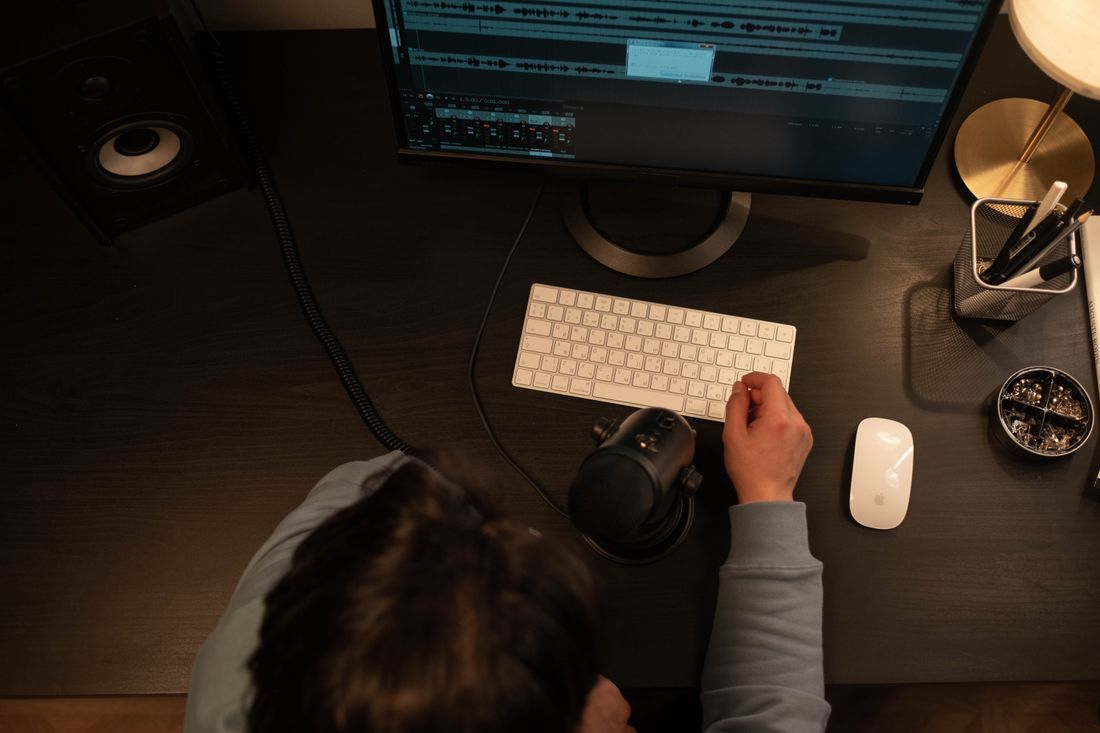
Photo by cottonbro studio via Pexels.
Do Color and Sound Work Actually Get Cheaper on a Shorter Video?
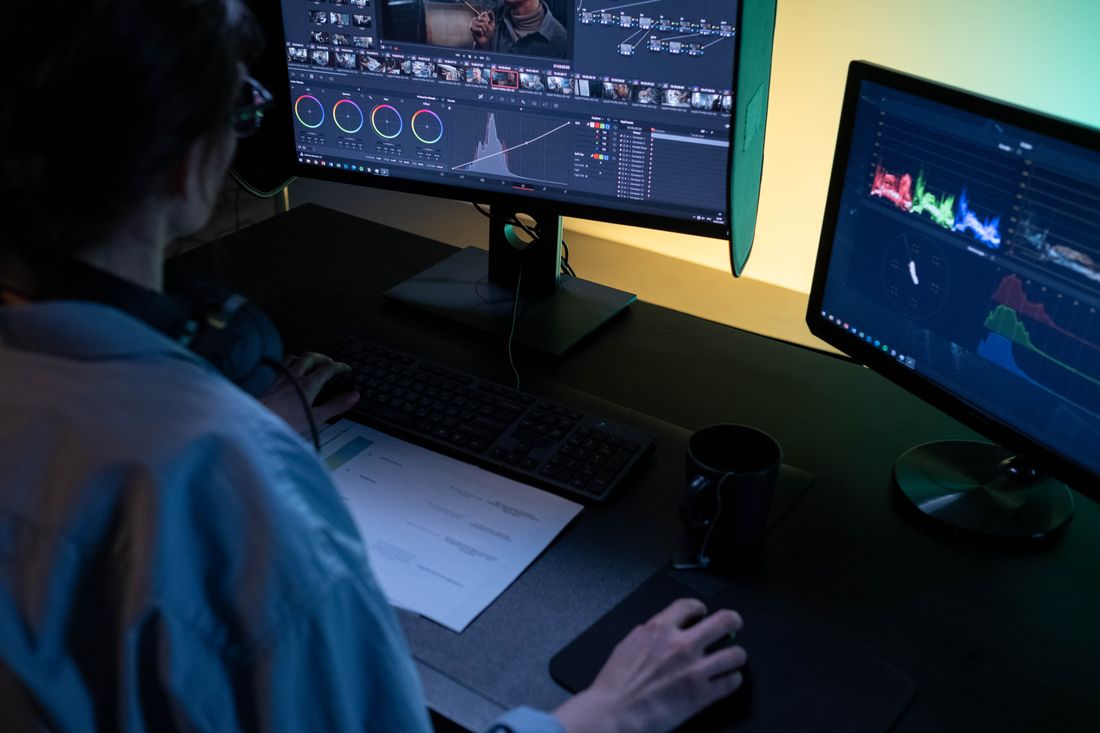
Color and sound work don't scale down proportionally with runtime, because most of that work is setup, not per-second labor. Building a consistent color grade or a clean audio mix takes a similar amount of technical groundwork whether it's being applied across 30 seconds or 3 minutes of footage.
Grading a shot means matching exposure and tone across whatever clips made the cut, and that matching has to hold together whether there are 8 shots or 30. A shorter piece with fewer shots doesn't mean less setup. If anything, a dense 30-second cut can draw from more distinct source clips (different cameras, different lighting in different rooms) than a slower 3-minute film that lingers longer on fewer setups. Audio works the same way: leveling and cleaning dialogue or ambient sound is a per-clip task, not a per-minute one. A short cut built from many short clips can carry more of that per-clip overhead than a longer, calmer film does.
Where Does a Longer Film Actually Get the Easier Pacing?
A longer film gets easier pacing in the sense that it has room to let footage carry itself (a wide shot of a room, a few extra seconds of a speaker mid-thought, a natural pause) without every second needing to justify its place. That forgiveness is real, and it's the one area where a 3-minute film genuinely asks less of the editor per minute than a 30-second cutdown does.
That's not the same as saying the longer film takes less total work. It usually takes more, simply because there's more runtime to fill with intentional choices. But the pressure per second is lower. A slightly-less-than-perfect transition in minute two of a film rarely derails the whole piece the way a weak cut point does in a 30-second spot, where the viewer's attention span and the runtime are both measured in single digits. Forgiving pacing is a real cost difference. It just runs the opposite direction from what runtime alone would suggest.
How Does the Amount of Source Footage Change the Price, Regardless of Final Length?
The amount of source footage shot changes the price on its own, independent of how long the finished video ends up being. A multi-camera, multi-hour shoot generates far more material to review, sync, and choose from than a single-camera hour does, and that review work happens before anyone decides whether the final deliverable is 30 seconds or 3 minutes.
Two clients could both ask for a 30-second cutdown and get two very different quotes, because one event was shot on one camera for an hour and the other was shot on three cameras across a full day with breakout sessions. The footage volume sets a floor on how much has to be watched, logged, and synced before editing even starts, a step that scales with what was captured, not with what gets delivered. A short deliverable pulled from a large shoot still requires processing the large shoot in full. Nothing about a tight final runtime lets that upstream review get skipped or shortened. That's the part of the bill a runtime-based assumption misses entirely.
How Should You Plan and Ask for a Cutdown When Booking Coverage?
Plan for a cutdown the same way you'd plan for any other deliverable at booking: name it early, describe what it needs to accomplish, and expect the quote to reflect editing complexity and footage volume rather than runtime alone. Asking "why does the short version cost what it does" is a fair question, and a straightforward quote should be able to answer it in those terms.
The clearest way to scope it is to separate two questions that often get collapsed into one: how much gets shot, and how much gets delivered. A 30-second cutdown pulled from a tightly-run, single-camera hour is a smaller job than the same-length cutdown pulled from a sprawling, multi-camera day, even though both end up the same length on screen. Naming the shoot's actual scope (camera count, hours, number of speakers or moments that need covering) lets a quote reflect the real work involved, instead of anchoring to the shortest deliverable on the list and assuming that's automatically the cheapest one too, the same logic behind what event videography costs in NYC before a cutdown ever enters the conversation.
Frequently Asked Questions
Is a 30-second video always cheaper to produce than a 3-minute video?
No. Price tracks editing complexity and the volume of source footage, not the runtime of the finished file. A 30-second cutdown pulled from a dense, multi-camera shoot can cost as much as a 3-minute film from a simpler one, because the editing decisions packed into each second and the amount of footage reviewed to find the right moments matter more than how long the final video ends up running on screen.
Why does a short cutdown need more editing decisions per second than a longer video?
A longer film has room to let a shot sit on screen while a moment plays out naturally. A short cutdown can't afford that. If one shot runs long, the whole piece runs long. So every cut point in a dense 30-second edit carries more relative weight than the same cut point spread across a 3-minute film, which is a difference in density, not in the underlying craft.
Does the amount of footage shot affect the price even if the final video is short?
Yes. A multi-camera, multi-hour shoot generates far more raw material to review, log, and sync than a single, simpler camera hour does, and all of that review work happens before anyone even decides on the final runtime. Two requests for the exact same 30-second cutdown can end up with noticeably different price tags, depending on how much source footage had to be watched and searched through to find the best moments for it.
Why do short cutdowns sometimes need more revision rounds than longer videos?
In a dense short cut, one clip can be a meaningful fraction of the whole runtime, often timed tightly to the shots around it. Swapping that clip out usually means adjusting the pacing, transitions, and music sync nearby too, so the ripple from a single note travels further than the same request would in a longer, roomier edit, where one clip is a much smaller piece of the whole.
How should I budget for a cutdown as part of my event video coverage?
Name the cutdown as its own deliverable at booking and describe the shoot's actual scope (camera count, hours covered, number of speakers or key moments) rather than assuming a short runtime automatically means a small job. A fair quote reflects footage volume and editing complexity for that specific cut, so ask what's actually driving the number if it doesn't match a runtime-based guess you brought in.
Related Reading
Booking a photographer for an event and still weighing hourly versus a package?
Send over the run of show and we'll price both options out before you commit to either.
See Event Coverage Packages