
Photo: Core Visuals NYC
An ERG event is one of the few corporate gatherings where the people in the room are genuinely the point. It is also, increasingly, an event that has to produce evidence for a report. Those two jobs pull in opposite directions about four minutes after the doors open.
ERG event coverage works when the room's own experience is treated as the primary job and the reporting need is served by a deliberate, smaller subset of frames. Shooting primarily for internal comms produces a stiff room; shooting only for the room leaves a report with nothing usable. The split has to be planned, not improvised.
Table of Contents
The Room and the Report Want Different Photos
The people at an ERG event want images that feel like the evening actually felt: conversation, laughter, the speaker they came to hear, the group photo they will send to their families. Those images circulate internally and they are what make people come back next time.
Internal comms, DEI reporting, and recruiting want something else (evidence that programming happened, that attendance was real, that leadership showed up, that the organization is doing what it says). Those needs are legitimate, but they are the needs of someone who was not there.
The tension is manageable as long as both jobs are named. What produces a bad night is a photographer briefed only on the reporting need, working the room like a compliance exercise, because attendees can tell instantly and the room closes up.
Shoot the Room First
The default priority should be the room's own experience: candid conversation, the speaker mid-thought, people actually listening rather than posing, the moments around the edges. Those frames are harder to get and impossible to reconstruct, and they are the ones that make an ERG feel like a community rather than an initiative.
This mostly requires a photographer who moves quietly and shoots at a distance for stretches of the evening. Flash in a small room, constant close approaches, and repeated requests to look at the camera all change the behavior being documented. An ERG event is one of the settings where a less intrusive approach materially improves the result.
It also requires accepting that some of the best moments will not be flattering in a conventional sense. A person laughing mid-sentence, someone visibly moved during a speaker's story. Those images are more valuable than another clean lineup, provided the person is comfortable with them being used.
It also helps to introduce the photographer at the start rather than letting them be an unexplained presence. Thirty seconds of context from an organizer (who this is, why they are here, how to opt out) measurably changes how a room behaves for the rest of the evening.
The Reporting Set Is Small and Specific
The internal comms need is usually satisfied by a much smaller set than people expect: a wide shot proving attendance, the speaker or panel, any signage or programming that names the event, leadership presence if that is part of the story, and one or two images of the actual activity.
Naming that list in advance turns it into ten minutes of deliberate work rather than an evening of hedging. It also means the photographer can stop worrying about it and spend the rest of the night on the harder material, which is where the value of a professional actually shows up.
One frame worth adding explicitly: something that establishes scale. Reports and recaps routinely claim turnout, and a wide frame that shows a full room is the difference between a claim and a demonstrated fact. It usually has to be taken at a specific moment (right as the programming starts) and it is easy to miss.
Signage and any printed programming are worth photographing early, before they get moved, covered by coats, or taken down. Those frames are how a gallery stays identifiable a year later when nobody remembers which event a particular set of photos came from.
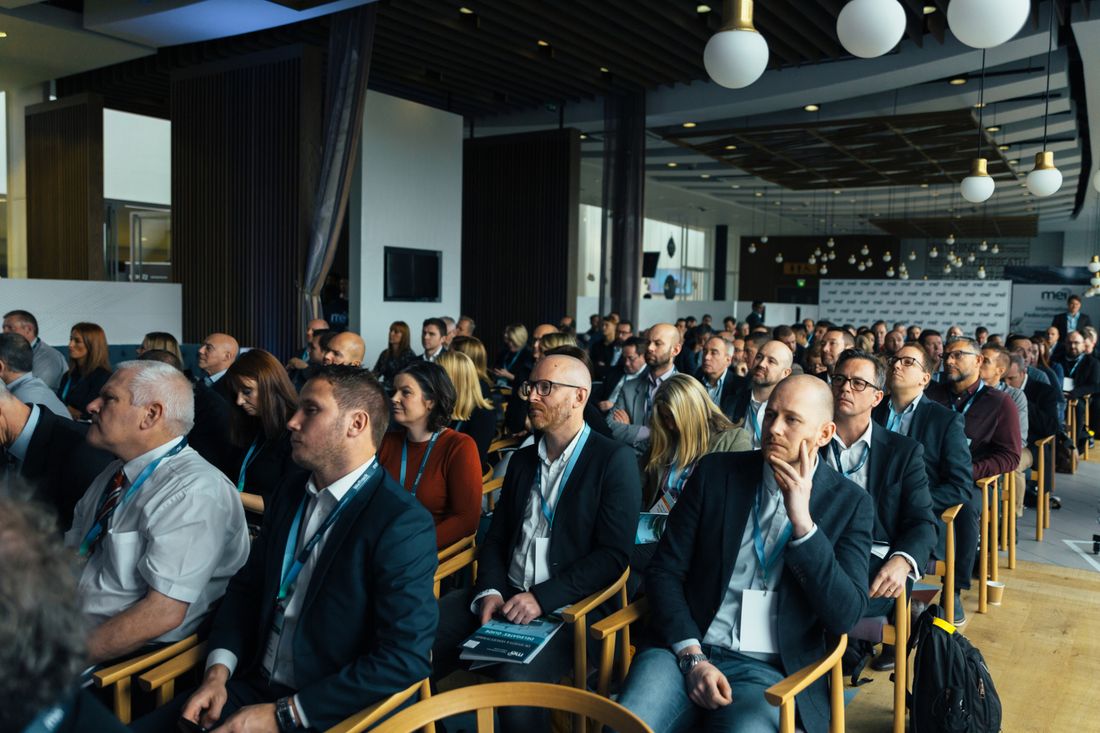
Photo by Loveleen Cherub via Pexels.
Visibility Is Not Automatic Consent
ERG membership can reveal things about a person that they have not chosen to disclose at work. Being photographed at an event for a particular group, and having that photo appear on a public careers page, is a meaningfully different situation from being photographed at a company holiday party.
That means consent handling deserves more care here than at a general corporate event. Practically: tell attendees at the start that a photographer is present and where images may be used, provide a visible and non-awkward way to opt out, and make sure the photographer knows how that opt-out is indicated before the evening starts.
Wider frames help here too. Images that document the activity and the turnout without identifiable faces remain fully usable for reporting regardless of individual consent status, which makes them the sensible default for anything headed to a public page. The close, personal frames can stay internal, which is usually where they belong anyway.
Photographing Leadership Without Making It the Story
Executive attendance at an ERG event is often part of what the organization wants documented, and that is reasonable. It becomes a problem when the coverage centers on it. A gallery where the most prominent images are all of senior leaders reads as an appropriation of someone else's event.
The proportion that works is roughly the proportion in the room. Leadership present, visible, engaged, and not the subject of every third frame. If an executive spoke, that gets covered like any other program moment; if they attended and listened, the photograph of them listening is worth more than a posed one.
The posed group photo with leadership is worth taking, briefly, because someone will ask for it. Taking it deliberately at a known moment is better than allowing it to consume the evening in a series of impromptu requests, which is what happens when nobody has planned for it.
Different ERG Formats Need Different Coverage
A speaker event, a heritage-month celebration, a mentoring mixer, and a panel discussion are structurally different rooms. A speaker event has a clear focal point and a predictable arc; a mixer has no stage and requires working the room continuously; a celebration usually has food, decor, and performance elements that are part of the record.
The scheduling implication matters most for events with no stage. Those need more photographer time per usable frame, because the good moments are scattered rather than concentrated, and a short booking window tends to produce a gallery of people holding drinks.
Events with a cultural or religious component deserve a specific conversation beforehand about what should and should not be photographed. That is not a generic sensitivity note. It is practical information the photographer needs, and the ERG's own organizers are the right people to provide it.
Food and decor are worth shooting properly at celebration-format events. They are frequently the part the organizers spent the most effort on, they photograph well, and they are the images that make an internal recap feel like a real occasion rather than a meeting with snacks.
Where the Photos Go Afterward
Splitting the delivery is usually the cleanest answer: an internal gallery with the full set for the group itself, and a smaller curated selection cleared for external or company-wide use. That structure respects the consent question and gives the ERG something that belongs to them.
It also solves a practical problem. Communications teams generally want a handful of images quickly, while the group wants everything eventually. Delivering a small selects folder first and the full internal set afterward matches how both audiences actually behave, and it removes the pressure that produces rushed edits.
Finally, it is worth deciding in advance who owns the follow-up. An ERG event that generates two hundred good photos and no plan for them tends to end with the images sitting in a shared drive, which is a fairly common way to make the whole exercise feel less genuine than it was.
Timelines matter more than usual here. ERG events often tie to a specific month or observance, and images delivered after that window has closed lose most of their internal usefulness, so a short turnaround on the selects set is worth agreeing before the event rather than requesting afterward.
Frequently Asked Questions
How is ERG event photography different from regular corporate event coverage?
It serves two audiences at once: the people in the room, who want the evening to feel documented rather than staged, and internal comms or DEI reporting, which needs evidence that programming happened. Shooting only for the report produces a stiff room that attendees notice immediately. The workable approach treats the room as the primary job and satisfies reporting with a deliberate, smaller subset.
Do you need consent to photograph employees at an ERG event?
Handle it with more care than at a general corporate event, because ERG attendance can reveal something a person has not chosen to disclose at work. Announce that a photographer is present, state where images may be used, and provide a visible, non-awkward opt-out the photographer knows how to recognize. Wider frames without identifiable faces stay usable regardless of consent status.
What shots does internal comms actually need from an ERG event?
Fewer than most people assume: a wide frame establishing attendance, the speaker or panel, signage that names the event, leadership presence if that is part of the story, and one or two images of the actual activity. Naming that list in advance turns it into about ten minutes of deliberate work, freeing the rest of the evening for the harder candid material.
How long should a photographer cover an ERG mixer with no stage?
Longer than a comparable event with a program, because the good moments are scattered rather than concentrated around a stage. Rooms without a focal point need continuous working time to produce real conversation frames, and a short booking window reliably produces a gallery of people holding drinks. Budget more hours for no-stage formats than for speaker events.
Should ERG event photos be delivered as one gallery?
Splitting works better: a full internal gallery for the group itself, and a smaller curated selection cleared for company-wide or external use. That structure respects the consent question and matches how the two audiences behave, since comms usually wants a few images quickly while the group wants everything eventually. It also removes the pressure that causes rushed edits.
Related Reading
Have ERG programming on the calendar?
Tell us what the room needs and what the report needs, and we'll plan the split before the doors open.
See Event Coverage