
Photo: Core Visuals NYC
Most people booking a headshot session assume they're choosing one look: plain background or environmental, studio or office. They're usually not choosing at all. The per-person rate on a standard team headshot session already includes more than one final option, and that opens a question worth pricing out honestly: what does it cost to walk away with both a clean studio-style portrait and a real environmental one from the same sitting, and when is paying for both actually worth it.
Getting both a plain-background headshot and an environmental portrait from one sitting doesn't cost extra on top of a standard team headshot booking. The per-person rate already includes 2-3 final edited options, and nothing in that scope restricts those options to one background. The real cost question isn't the combo itself, it's whether you need both looks for how the images actually get used.
Table of Contents
What "Two Looks in One Session" Actually Means
Two looks in one session means one continuous sitting where each person is photographed against a plain, studio-style setup and, without resetting the whole shoot, in a real environmental frame that shows the office around them. It's not two appointments, and it's not two invoices. It's one lighting rig doing double duty in one room.
The plain-background frame is the safe, uniform option: consistent backdrop, consistent light ratio, the kind of image that lines up cleanly on a team page or a directory grid. The environmental frame trades that uniformity for context, desk, window, a hint of the actual workspace, which reads better on a LinkedIn profile or a press page where a person, not a grid, is the point.
Getting both from one sitting means the photographer builds a setup that can pivot between the two without a second appointment, a second travel fee, or a second round of scheduling around someone's calendar. The person being photographed notices almost none of this. They step in, stand in one spot, then a slightly different one, and walk away having done a single, ordinary headshot session start to finish.
What It Actually Costs
On a standard team headshot booking, a second look doesn't add a line item. Pricing runs per person with volume built in: the first five people run $300 each, the next five drop to $240, people eleven through twenty run $180, and anyone past twenty runs $150. A ten-person session lands at $2,700 total, and that number doesn't change based on which backgrounds get used.
That's because the rate is built around 2-3 final edited options per person, not around a single fixed look. Whether those options are three variations on one plain background or a split between a studio frame and an environmental one is a styling decision, not a pricing one. The booking already covers on-location or studio shooting and a custom style suited to the organization, so a combo sits inside the scope that's already being paid for.
What does change the price is headcount and how many finished options each person actually needs, the same variables that would move the number regardless of background choice.
Why One Sitting Beats Two Separate Bookings
Booking a studio session and an environmental session separately means paying for setup twice, coordinating two dates twice, and pulling the same people away from their desks twice. One sitting removes all of that without removing either look.
Every session carries fixed overhead that has nothing to do with how long any one person spends in front of the camera: getting the crew into the building, building the lighting, briefing whoever's coordinating the day, breaking everything down afterward. Split that overhead across two bookings and it happens twice for the same total output.
It also means asking a busy team to clear their calendar a second time. Getting fifteen people back in front of a camera once is a real scheduling lift. Getting the same fifteen people back a second time, weeks or months later, for a look that could have been captured the first time, is the part that actually costs a company time, even when it doesn't cost more money.
When Paying for Both Looks Is Actually Worth It
Both looks earn their place when the images have to do two different jobs: a uniform team page or directory that needs every photo to match, and individual bios, press mentions, or LinkedIn profiles where a little real context helps. One look rarely satisfies both uses well.
A plain background is built for consistency across a group. Put fifteen people on one page and the eye reads the grid, not the room, which is exactly the point. That same plain background does less for a single executive's press bio, where a bit of environmental context signals a real person in a real workplace rather than a studio product.
If everyone on the team only ever appears in one place, the directory, say, or only ever appears individually, a founder's personal site, one look usually covers it. The case for both gets stronger the more a company's people show up in more than one kind of context at once, and it gets weaker the more a company can commit, in advance, to only ever needing one.
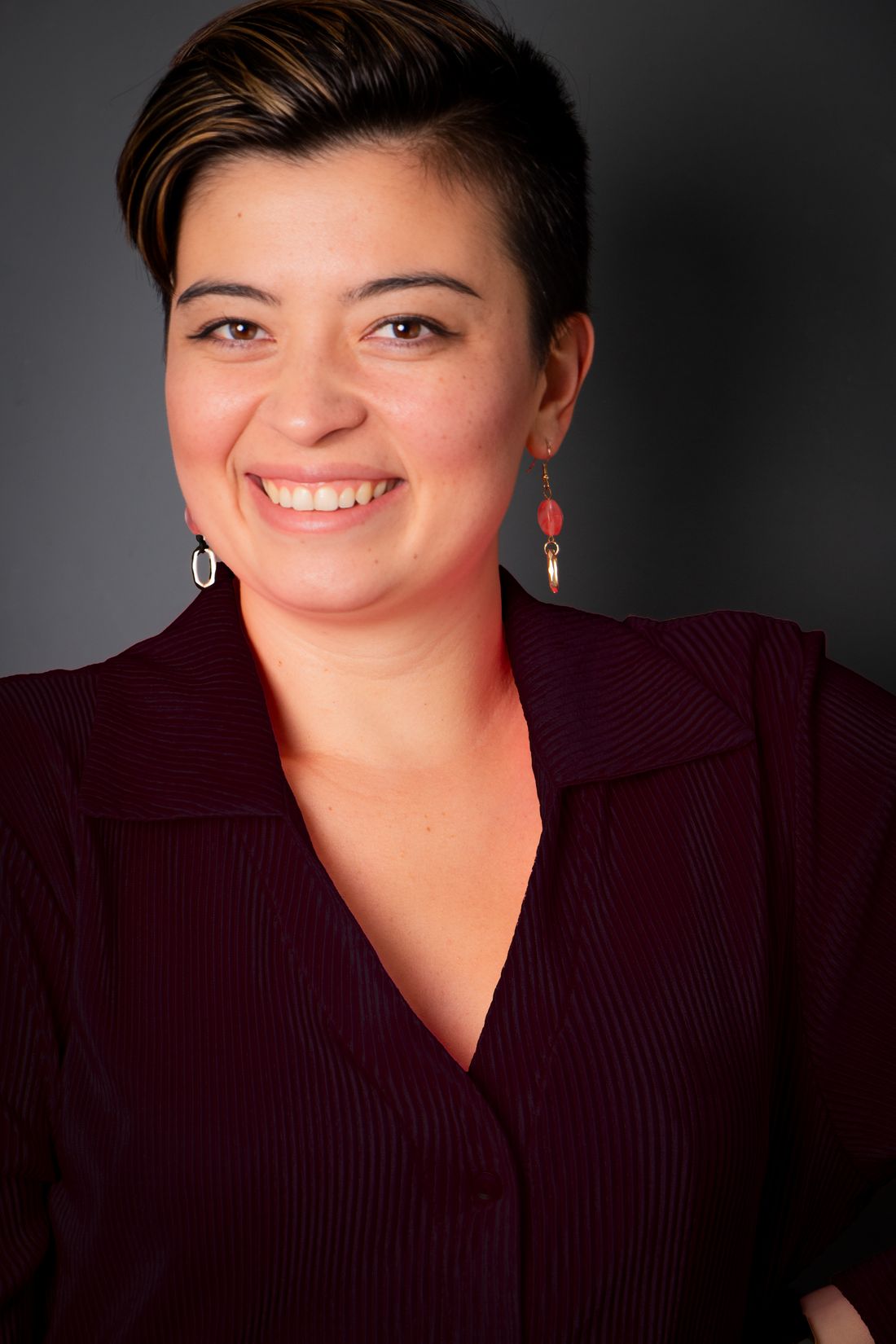
Photo by Tony Zohari via Pexels.
Who Usually Needs the Combo
Organizations with a public-facing leadership team and a larger staff underneath them are the clearest case: leadership needs environmental portraits for press and speaking bios, and the wider team needs a consistent directory look, and running both under one booking keeps the whole project on one calendar and one invoice.
Founders and executives who split their time between formal representation, board decks, investor pages, press kits, and everyday team-facing use also tend to reach for both. A single plain-background frame doesn't flex well between a press mention and an internal org chart, and re-booking a founder for a second session is its own scheduling problem months later.
Smaller teams with a single, simple use case for their photos, an internal directory only, a careers page only, are the group least likely to need the combo. There's nothing wrong with picking one look and staying there; the combo is a tool for a specific problem, not a default upgrade every booking should reach for regardless of how the photos end up getting used.
What Changes on Shoot Day
Capturing both looks means the crew sets up in a spot that can do two things at once: a plain wall or portable backdrop close enough to a window, desk, or workspace that the same setup can pivot to an environmental frame without moving equipment across the office.
Each person still moves through the session once. They step in front of the plain background for the studio-style frames, then the photographer repositions a step or two to bring the environment into frame for the second set, same person, same outfit, same light, different context. It's a pivot, not a reset.
The main planning difference is picking that spot before the day arrives. A plain wall with nothing usable behind it works fine for a studio-only session but leaves nowhere to go for the environmental half, so the location scout has to account for both looks from the start, not adapt on the fly once people are already lined up waiting outside the door.
How the Combo Scales With Team Size
The per-person volume pricing applies the same way whether every person gets one look or two, because the rate is built around finished options per person, not around how many backgrounds those options draw from. A twenty-person team choosing the combo prices out the same as a twenty-person team choosing one background throughout.
Where team size actually matters is time, not money. More people means more pivots between setups over the course of the day, and a photographer working through a long roster benefits from a simple, repeatable pattern: studio frame, step, environmental frame, next person. That rhythm is what keeps a two-look session moving at roughly the pace of a one-look session instead of dragging.
For very large teams, the practical limit isn't the pricing structure, it's daylight and calendar time. The combo doesn't change what a full day can hold; it just asks that the day's plan account for two frames per person instead of one from the start, so nobody's schedule gets a surprise at the end of a long roster.
How to Brief the Combo Before the Shoot
Getting both looks reliably means saying so before the day, not asking for it once everyone's already lined up. Naming the split upfront, plain background for the directory, environmental for bios and press, lets the crew scout a location that can do both and plan the pivot into the schedule instead of improvising it.
It's worth being specific about where each look will actually run: the team page gets the plain-background set, the executive bios and the press kit get the environmental set. That split tells the crew which frames need the most attention and helps everyone involved understand why they're stepping in front of the camera twice per person instead of once.
The other useful detail is flagging which handful of people, leadership, spokespeople, anyone likely to appear in press, most need the environmental option, in case time runs short and the studio-style frame has to take priority for the rest of the group before the day ends. A short written note covers all of this; a hallway conversation on shoot day usually doesn't.
Frequently Asked Questions
Does it cost extra to get both a studio headshot and an environmental portrait in one session?
Not on a standard team headshot booking. The per-person rate already includes 2-3 final edited options, and nothing in that scope limits those options to a single background. Splitting them between a plain-background frame and an environmental one is a styling choice within the booking that's already being paid for, not an add-on. What changes the price is headcount and how many finished options each person needs, the same variables that apply regardless of which backgrounds are used.
How much does a team headshot session with both looks actually cost?
Pricing runs per person with volume built in: the first five people run $300 each, the next five run $240 each, people eleven through twenty run $180 each, and anyone past twenty runs $150 each. A ten-person session totals $2,700. That number is set by headcount, not by whether the finished options are all one background or split between studio and environmental styles, so a two-look combo fits the same structure.
Do I need a second appointment to get an environmental portrait alongside a studio headshot?
No. Both looks come from one continuous sitting. The crew sets up somewhere that can pivot between a plain-background frame and an environmental one, near a window, desk, or usable workspace, without moving equipment across the office. Each person moves through the session once: studio-style frame, a short repositioning, then the environmental frame, same outfit and same light throughout. A second booking is only needed if the two looks weren't planned for on the original shoot day.
Can I use the environmental portrait on LinkedIn and the plain-background one on the team page?
Yes, and that's the most common reason to book both. A plain background is built for consistency across a group, which is exactly what a directory or team grid needs. An environmental frame carries context, desk, window, workspace, that reads better for an individual profile, a press mention, or a speaking bio. Splitting the two uses across the two looks from the same sitting is the whole point of pricing them as one combined session instead of one fixed style.
If I only want one look, do I still get multiple final options?
Yes. The 2-3 final edited options per person are included regardless of whether the session uses one background throughout or splits between studio and environmental styles. Choosing a single look just means those 2-3 options are variations within that one style, angle, expression, minor framing changes, rather than a split between two settings. The per-person rate and the number of finished options don't change based on that choice.
Related Reading
Not sure what photo or video coverage should actually cost?
Tell us the date, how long you need us there, and what you want delivered, and we'll quote it with the numbers broken out, not bundled.
Get a Quote