Your event isn't in New York this time. It's in Philadelphia, or Greenwich, or out past Southampton, and the question that shows up before any pricing conversation is whether you bring the crew that already knows your brand or hire someone local to the room. Neither answer is automatically right, and the honest version of this decision has a floor built into it.
Bring your NYC crew when the job needs a shooter who already knows your brand, matches a look you've built over time, or fits into a year with events across several cities and one point of contact. Hire local when the event is small, isolated, or needs same-day flexibility a travel schedule can't reliably promise. Most jobs sort clearly once you ask which of those actually applies.
Table of Contents
- Bring Your Team or Hire Local: The Real Decision
- What Traveling With Your Own Crew Actually Buys You
- What a Local Hire Genuinely Wins On
- Why We Publish a Minimum Engagement for Travel Work
- When a Local Photographer Is Plainly the Better Call
- The Hybrid That Usually Wins: One Traveler, One Local Hire
- The Coordination Cost Nobody Prices Into a Local Hire
- How to Decide Before You Book
Bring Your Team or Hire Local: The Real Decision
The real decision isn't NYC versus local. It's whether this specific job needs continuity with your brand more than it needs a photographer who already knows the room. A job that needs to match a look you've built, or slot into a year of events in several cities, usually wants the traveling crew. A job that's small, isolated, or genuinely local benefits from someone who's already in the market.
We're a New York production team. We don't have an office in Philadelphia, a staff in Fairfield County, or a local presence on the East End. We travel there, the same crew, on the road. That's a real constraint worth naming up front, not a marketing line. It shapes which jobs we're actually the right call for and which ones a local photographer handles better.
Most buyers don't ask this question deliberately. They default to whichever vendor answered first, or whoever shot last year's event, without checking whether the job's actual shape rewards continuity or rewards proximity. Both are legitimate answers. The mistake is not asking at all.
What Traveling With Your Own Crew Actually Buys You
Traveling your own crew buys you a known shooter, an established visual style, a delivery pipeline your marketing team has already used, and one point of contact across every city on your calendar. None of that is about the photography being better on a technical level. It's about not having to rebuild trust and process for every city an event happens to land in.
A known shooter has already seen how your brand wants to be photographed (how your executives like to be framed, what your gallery style looks like, how fast your team needs a turnaround before the recap goes out). A new photographer in a new city starts from zero on all of that, no matter how good they are individually.
The pipeline matters as much as the photographer. Same file-naming convention, same delivery platform, same person answering when someone on your team has a question at 9pm the night before the event. For a company running events in Philadelphia this quarter and Greenwich next, that consistency compounds. It's one relationship instead of a new one per city.
What a Local Hire Genuinely Wins On
A local hire genuinely wins on cost structure, venue familiarity, and same-day availability. Travel isn't inside the number at all, they've likely shot in that space before, and a scheduling gap that would sink a traveling crew is just a normal Tuesday for someone already living there. For a smaller or one-off job, those advantages are real, not a consolation prize.
Familiarity with a specific venue is worth more than it sounds. A photographer who's already worked the light in a particular hotel ballroom or a specific Philadelphia convention hall doesn't need a walkthrough to know where the good angles are, where the outlets are, or how the room fills. That's local knowledge a traveling crew has to build fresh every time.
Availability is the other real edge. A last-minute date change, an added rehearsal shoot, a second look at the space the week before. A local photographer can usually absorb that without touching a flight or a train schedule. For a single event with no brand-consistency requirement behind it, that flexibility often matters more than continuity does.
Why We Publish a Minimum Engagement for Travel Work
We publish a minimum engagement for work outside the NYC metro because a travel day genuinely costs more than a local day, independent of how long the actual shoot runs (portal-to-portal crew time, gear that has to move by car instead of a subway, and a buffer against the ordinary things that go wrong on a travel day). The floor exists so the quote reflects the real day, not just the hours on stage.
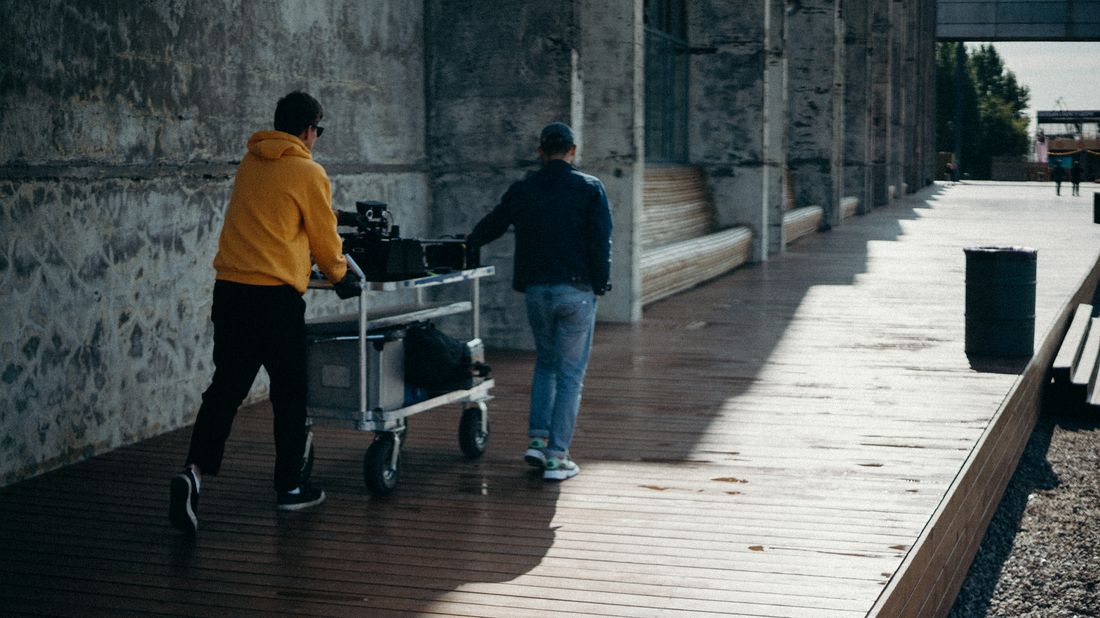
Crew time starts the moment someone leaves their door, not when the event starts. That's true locally too, but the gap is a subway ride versus a multi-hour drive or train. Camera bodies, lighting stands, and backup gear don't fit in a backpack for a train platform the way they fit in a car trunk parked outside a Manhattan building.
The other cost is what a delay actually means. A late train or a closed highway on a local job costs a few minutes. On a travel day, it can cost the shoot's start time entirely, with no easy way to reshoot next Tuesday because the crew is already back in New York. The floor prices that risk honestly instead of pretending it isn't there.
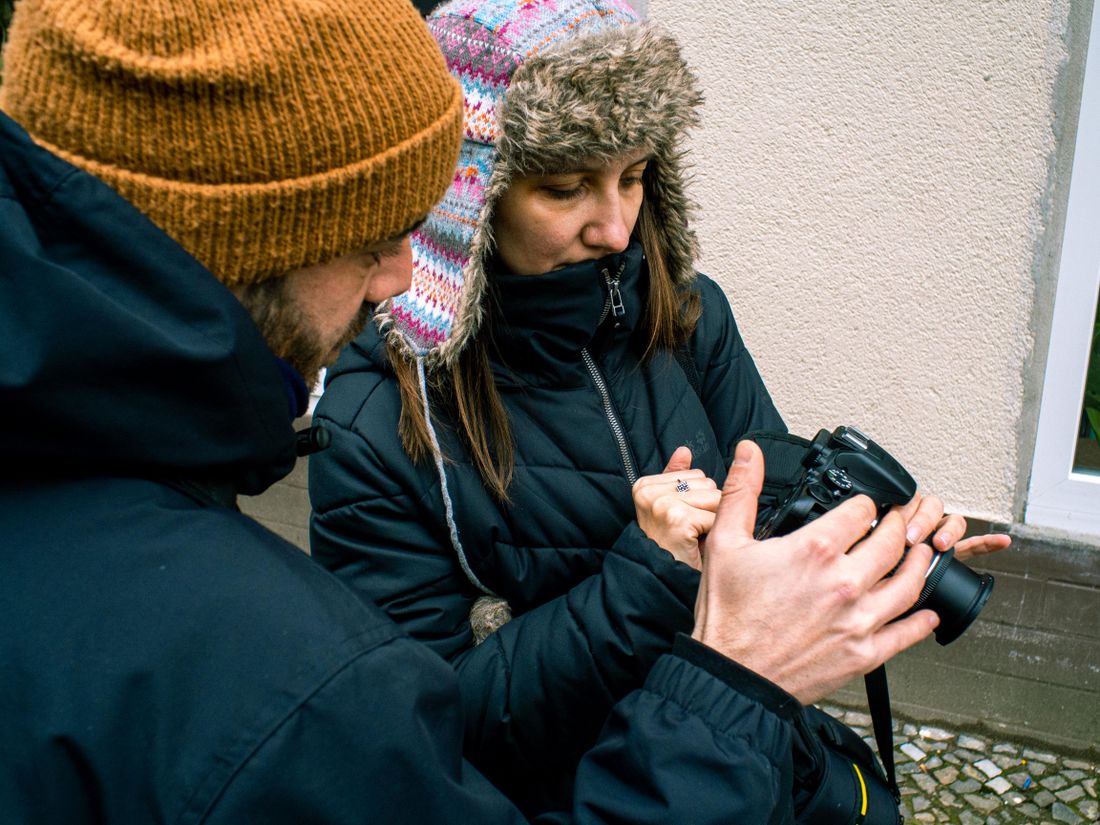
Photo by Emiliano Vittoriosi via Pexels.
When a Local Photographer Is Plainly the Better Call
Below that floor, a good local photographer is plainly the better call, and we'll say so rather than talk a small job into a travel booking it doesn't need. A single portrait session, a short one-off event with no brand-matching requirement, or a job where the budget genuinely doesn't support a travel day, all of those are better served locally, and pretending otherwise doesn't help anyone.
This isn't a hedge or a soft no. A traveling crew's value comes from continuity across a real relationship or a real production need (a matched look, a repeat client, a multi-city calendar). Strip those away and a travel day is just added cost for the same outcome a local photographer delivers without the drive.
In practice, most buyers with a single small event outside the metro are better off asking a local photographer directly, and most buyers with a recurring multi-city calendar are better off keeping one crew. The honest version of this conversation includes telling a prospective client to go local when that's genuinely the right answer for their job.
The Hybrid That Usually Wins: One Traveler, One Local Hire
The hybrid that most often wins on a mid-size out-of-market event is the lead shooter traveling with the crew that knows your brand, and a second shooter hired in-market to cover a second angle, a breakout room, or overflow coverage the lead can't be in two places for. It keeps continuity where it matters and adds coverage without a second travel day.
The lead shooter carries the brand knowledge (how your executives are framed, what the gallery needs to look like, who reviews the final selects). The in-market second shooter doesn't need to carry any of that. They need a clear brief for one specific slice of the day: a breakout track, a registration desk, a moment the lead is already committed elsewhere.
This model works because it separates what actually requires continuity from what doesn't. A second angle on a breakout session doesn't need to match your brand's established look the way a hero shot of your CEO does. Splitting the job that way usually costs less than two traveling shooters and covers more ground than one.
The Coordination Cost Nobody Prices Into a Local Hire
The coordination cost of a local hire is real and it's rarely priced into the decision: briefing a photographer who's never seen your brand, matching a look your team has built over several events, and chasing files afterward from a vendor you'll likely never book again. None of that shows up on the local photographer's quote, but it lands on someone's desk regardless.
Briefing a stranger takes longer than it sounds. A traveling crew that already knows your brand needs a run-of-show and a few notes. A new local hire needs the run-of-show plus a style reference, examples of past galleries, and probably a call to confirm they understood the brief the way you meant it, time your team is spending instead of the photographer.
Matching an established look is harder still. Two photographers shooting the same brand a year apart, with no shared reference beyond a folder of old photos, tend to produce galleries that read as different companies. And chasing final files from a one-off vendor after the event, with no ongoing relationship to lean on, is its own quiet tax on the calendar.
How to Decide Before You Book
Decide by asking three questions before you book: does this job need to match a brand look you've already established, does it sit inside a year with events in several cities, and does the event size clear the travel floor. Two or three yes answers point toward traveling your crew. Mostly no answers point toward a local photographer, and a mid-size job with mixed answers often points toward the hybrid.
The point of contact matters more than buyers usually weigh it. A company running events in Philadelphia, Greenwich, and the East End across one year benefits from one person who knows all three galleries, all three deliverable formats, and doesn't need re-briefing each time. That continuity is worth something real, separate from any single event's photography.
None of this is a sales pitch dressed as a framework. A single small event with no brand-matching need genuinely doesn't require a traveling crew, and we'd rather say that plainly than book a job that costs more than it needs to for coverage a local photographer handles just as well.
Frequently Asked Questions
Does Core Visuals have a local team in Philadelphia, Greenwich, or the Hamptons?
No. Core Visuals is a New York production team without an office, staff, or local presence in Philadelphia, Fairfield County, the East End, or anywhere outside the NYC metro. Work in those markets means the same NYC crew traveling there, coordinated through one point of contact rather than a different local vendor per city. That's a real limitation worth knowing before you book, not a detail to gloss over or discover on the day.
How do I decide whether to travel a photographer or hire someone local?
Ask whether the job needs to match a brand look you've already built, whether it fits inside a year with events across several cities, and whether its size clears the travel floor. Multiple yes answers favor traveling a known crew. Mostly no answers, especially for a single small event with no continuity to protect, usually favor hiring a local photographer directly instead of paying for travel.
What is a minimum engagement for travel photography, and why does it exist?
It's a floor below which a traveling crew won't book an out-of-market job, because a travel day costs more than a local one regardless of how long the shoot itself runs (portal-to-portal crew time, gear moved by car instead of a subway, and a buffer against delays that can't be fixed with a next-Tuesday reshoot). Below that floor, a good local photographer is usually the better call, and we'll say so.
What does the hybrid crew model look like for a multi-city event?
The lead shooter travels with the crew that already knows your brand, while a second shooter is hired locally to cover a breakout room, a second angle, or overflow the lead can't reach alone. The lead carries continuity and brand knowledge; the local second shooter just needs a clear brief for one specific slice of the day, not the full history of the account or the brand.
Is a local hire ever the better choice than a traveling photography team?
Yes, often. For a small, isolated event with no need to match a prior look, a local photographer wins on cost, venue familiarity, and same-day scheduling flexibility a travel calendar can't match. Traveling a crew only pays off when brand continuity, an established style, or a recurring multi-city calendar is actually part of the job. Otherwise you're paying travel cost for continuity you don't actually need.
Related Reading
Booking a photographer for an event and still weighing hourly versus a package?
Send over the run of show and we'll price both options out before you commit to either.
See Event Coverage Packages