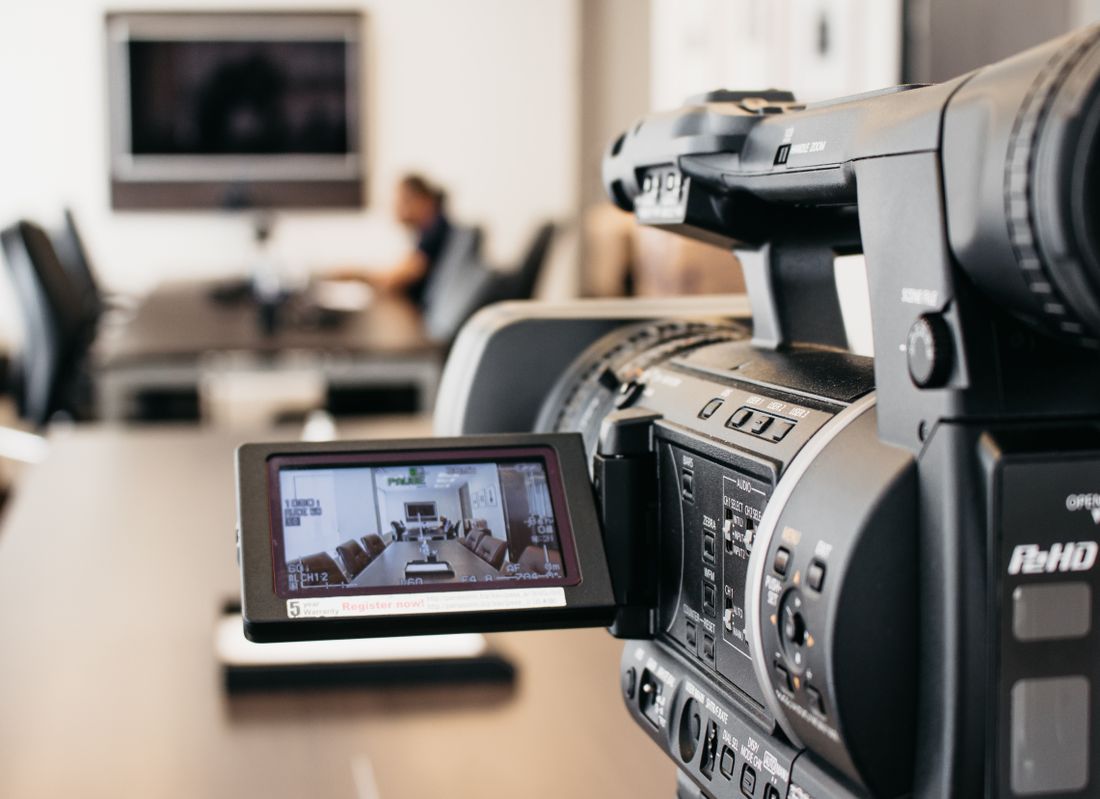
Photo: Core Visuals NYC
A law firm headshot page has one job: fifteen attorneys photographed in a consistent style, same lighting, same background, so the website doesn't look like it was assembled from five different photographers over three years. That work solves a real problem. It does not solve every problem. A page of even, well-lit portraits still can't answer the question a prospective client actually has once they've decided the firm looks credible on paper. What's it actually like to be in a room with these people.
A headshot proves an attorney looks the part. It can't show how a partner sounds explaining a practice area, what the office feels like, or whether the team works the way the site claims. A short, restrained brand video fills that gap. It's proof of presence, not just appearance, and it runs alongside the headshots, not instead of them.
Table of Contents
- What a brand video shows that a headshot page never will
- The most useful shot is a partner explaining what they actually do
- Why the video has to carry conviction without discussing an actual case
- Why the shoot schedule has to work around billable hours
- This is a companion to the headshot page, not a replacement for it
- Why the editing has to stay restrained, not flashy
- Why the sound design matters as much as the visuals
- Showing the office and team without turning it into a real estate video
- What confidentiality means for a firm shooting video in its own office
- Where a short firm video actually ends up living
What a brand video shows that a headshot page never will
A photo is a single frozen moment. It's useful for proving competence, not for proving comfort. Video adds the two things a still image can't carry: voice and duration. A prospective client hears how a partner actually explains a practice area, and watches long enough to register whether that explanation feels rehearsed or real.
That's not a knock on portraits. It's a description of what a still frame is built to do, and what it isn't. A headshot answers whether this person looks like someone worth trusting with the matter. It doesn't touch the follow-up question, usually unspoken: what's it actually like to sit across from them. Tone of voice, pacing, the small unscripted pause before someone answers a hard question honestly, none of that survives in a photograph, because none of it exists in a single instant. A minute of a partner talking through how they actually approach a matter carries information a portrait has no way to hold. That's the case for adding video to a firm's page. Not that photos aren't working, but that they were never built to do this particular job.
The most useful shot is a partner explaining what they actually do
The strongest law firm brand video isn't a montage of the building or a stock-style walk-and-talk. It's one or two attorneys explaining, in their own words, what a practice area actually involves and how they think about it. That single element does more credibility work than anything else in the piece.
It sounds almost too simple, which is probably why it gets skipped in favor of more "produced" ideas: sweeping drone shots of the building, a montage of people typing at laptops, stock-feeling handshakes in the lobby. None of that tells a prospective client anything they can use. A partner speaking plainly about how they approach a specific kind of matter does, because it's close to the actual consultation a viewer is deciding whether to book. It doesn't need to be long. Ninety seconds of someone explaining their thinking, unscripted or close to it, reads as far more credible than five minutes of polished but empty footage. The goal isn't to perform expertise on camera. It's to let real expertise be visible for a minute, which a resume line or a headshot caption can't do.
Why the video has to carry conviction without discussing an actual case
A firm can't put a real client matter on camera, and a partner talking about a practice area on camera knows that going in. That's a real constraint, and it shapes how the interview gets shot. The strongest version doesn't route around confidentiality by inventing a hypothetical case. It stays at the level a partner would explain to a new associate: how they think through a type of matter, what questions they ask first, what tends to go wrong when a client waits too long to call. None of that requires naming a client or describing a real dispute, and none of it reads as vague if the partner is specific about their own process instead of a case's details.
Attorney advertising is regulated, and what a firm can claim on camera isn't the same territory as an ordinary confident hallway remark. A line that sounds like plain confidence read off a page, "we win these," "we're the best in the city for this," can cross into a claim the firm's own marketing counsel would flag in writing. The safest brand videos let a partner describe how they approach the work rather than assert an outcome. Before a script or talking points go in front of a camera, it's worth a pass from whoever at the firm signs off on attorney advertising, the same review a print ad or a website bio already gets.
Why the shoot schedule has to work around billable hours
An hour with one partner in front of a camera is an hour that partner isn't billing a client, and firms feel that math immediately even when nobody says it out loud. That's different from most brand-video subjects. A founder at a startup or a shop owner loses time too, but not at an hourly rate a general counsel could point to on an invoice. Planning a shoot around a handful of partners means planning around their calendars first, not around a preferred shooting day.
In practice this usually means short, tightly scheduled blocks rather than pulling several attorneys out for a full day. Fifteen or twenty focused minutes with each person, scheduled around depositions and closings rather than through them, produces more usable footage than a loose half day that keeps getting pushed back. A brand video project runs $5,500 with a 20-day turnaround, and the biggest variable in whether that timeline holds isn't the crew. It's how many partners' calendars the shoot has to fit around.
This is a companion to the headshot page, not a replacement for it
A brand video and a headshot page do different jobs and neither substitutes for the other. Headshots give every attorney a fast, scannable, consistent reference point across the site, the thing a viewer glances at in two seconds. Video is the slower, deeper layer someone chooses to watch after the headshot already earned that click.
Keeping a firm's attorney headshots consistent takes a documented system: same light, same background, same retouching standard across everyone photographed over months or years, so the roster page doesn't look like it was stitched together piecemeal (see Attorney Headshots NYC: Consistent, Not Identical for how that system holds up across a growing roster). That guidance still stands, and video doesn't change it. A firm's bio grid still needs to load fast, scan evenly, and hold up at thumbnail size, which a video can't do. What video adds sits one layer deeper: the practice area page, the about page, maybe one attorney's individual bio if they're the face of a specific area. Think of it as an optional second step for a visitor who's already interested, not a redesign of the front door. Firms that try to make video carry the whole site usually end up with something slower and less useful than a good headshot page ever was.
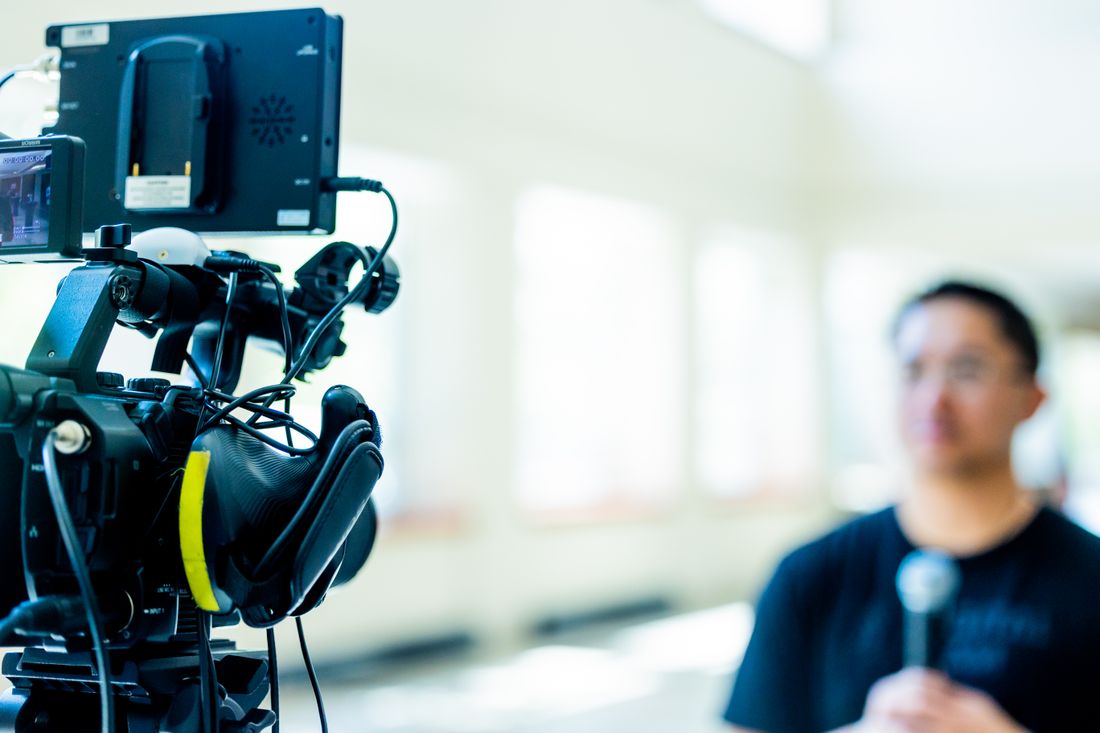
Photo: Core Visuals NYC
Why the editing has to stay restrained, not flashy
Law firm video works against a fast cut, a whip pan, or a trendy transition, all of it reads as a mismatch with the seriousness of the work being described. The safest editing choice is close to invisible: clean cuts, steady framing, no effect the viewer would consciously notice.
This is one of the clearest places where law firm video departs from most other corporate video work. A retail brand or a tech startup can get away with quick cuts and kinetic pacing because energy is part of the pitch. A law firm's pitch runs closer to the opposite. The pace of the edit is itself part of what it's selling, which is composure and judgment under pressure. A jump cut that would read as dynamic on a product launch reel reads as unserious next to a partner discussing a client matter. That doesn't mean the video has to be static or boring. It means every edit decision gets filtered through one question: does this cut draw attention to itself, or does it stay out of the way of what's being said. The second answer is almost always the right one here.
Why the sound design matters as much as the visuals
Music that would work fine on a hospitality or lifestyle reel can quietly undercut a law firm video. Anything upbeat, trendy, or emotionally manipulative fights against the tone the words are trying to set. The safer choice is often no music at all under the talking, or something so understated it's barely noticed.
It's an easy detail to get wrong because it doesn't show up when you're just planning shots. Sound only becomes a problem once footage is in an edit and a stock music track gets dropped under a partner discussing a serious matter. A bed that's slightly too bright or too rhythmic starts working against the words instead of supporting them, and the mismatch is more noticeable to a viewer than they'd be able to name. Clean, well-recorded room tone and a clear voice track usually do more for credibility than any music choice could. If music runs anywhere, it tends to work best as a short, quiet transition between segments, never under the parts where someone is actually explaining their thinking. The rule of thumb: if a viewer could hum the music afterward, it was too loud for this kind of piece.
Showing the office and team without turning it into a real estate video
A few seconds of the actual conference room, the library, or people working at their desks gives a viewer real information a portrait can't. Scale. Tone. Whether the space feels the way the website's language claims it does. The mistake is treating that footage as the main event instead of context around the people talking.
This is where restraint matters again, in a different direction. B-roll of the office earns its place when it's brief and honest, a real room being used the way it's used every day, not a slow, lingering pan meant to impress on its own. A viewer doesn't need thirty seconds of an empty conference table to understand a firm has a conference table. They need three or four seconds of it, cut in around the parts where someone's actually talking, so the space reads as a setting rather than the point of the video. The same goes for showing the team: a shot of people actually working, mid-task, tells a viewer more in two seconds than a posed group shot does in ten. The environment is context. The person talking is still the content.
What confidentiality means for a firm shooting video in its own office
Filming inside a working law office means being careful about what's visible in frame: case files on a desk, a whiteboard mid-strategy session, a screen with client information open, a conference room mid-meeting. None of that requires a special production process, just the same discretion a firm already applies to who walks through its own halls.
This isn't legal guidance and it isn't a compliance checklist. It's a production note, the same kind that applies to shooting inside any office that handles sensitive material. Screens get cleared or angled out of frame. Desks get a pass before the camera comes out. Filming happens around active meetings, not through them. None of this is complicated, but it's easy to overlook when the focus is on getting a good take of someone talking, and it's the kind of detail worth flagging to a crew before the day starts rather than catching it in review afterward. A firm doesn't need to shoot in an empty building or a rented set to protect confidentiality. It just needs the same habits of discretion it already applies to visitors, extended to whoever's holding the camera that day.
Where a short firm video actually ends up living
Most law firm brand video isn't built for a homepage hero slot. It's built to do double or triple duty: a clip on the practice area page, a piece of a pitch deck going to a specific prospective client, and increasingly, something the recruiting page can use too. Knowing all three destinations before the shoot changes what's actually worth filming.
A homepage hero video has to work for every visitor, which usually means it says very little specific to anyone. A practice area page or an individual bio only has to work for someone who's already narrowed their search, which means the video can afford to be specific, one partner, one area, a few real sentences about how they approach it. The same interview, or a different cut of it, often does real work in a pitch deck or an RFP response too, where it doesn't need broad appeal, it needs to answer the specific question that prospective client is asking. And the same partner talking plainly about the work is exactly what a recruiting page needs, because a candidate weighing offers is asking a version of the same question a client asks: what's it actually like to work with these people. Deciding upfront which of those jobs the video needs to do keeps the finished piece from trying to be everything to everyone and ending up useful to no one.
Frequently Asked Questions
Should a law firm shoot brand video instead of attorney headshots?
No. They're not substitutes. Headshots give every attorney a fast, consistent, scannable reference point across the site, which a video can't replicate at thumbnail size. Video adds a slower, deeper layer for a visitor who's already interested: hearing how a partner actually explains a practice area, or getting a sense of the office and team. The two work together, with headshots covering the whole roster and video covering a smaller set of specific, high-value moments.
How much shoot time should a firm budget when partners bill by the hour?
Plan for short, focused blocks with each attorney rather than pulling several people out for a full day. Fifteen to twenty minutes per partner, scheduled around depositions and closings, produces more usable footage than a loose half day that keeps slipping. A standard brand video project runs $5,500 with a 20-day turnaround. The real cost driver isn't crew time. It's how many partners' calendars the shoot has to work around.
Can a law firm's brand video reference an actual client matter?
No, and it shouldn't try to. The strongest interviews stay at the level a partner would explain to a new associate: how they think through a type of matter, what questions come first, what tends to go wrong when someone waits too long to call. None of that requires naming a client or describing a real dispute, and staying specific about process rather than a case's details keeps the answer from sounding vague.
Who needs to approve what a firm's brand video actually claims?
Attorney advertising is regulated, and a line that sounds like normal confidence out loud can cross into a claim the firm wouldn't put in writing elsewhere. Whoever already reviews attorney advertising, a marketing director, general counsel, or outside compliance counsel, should read the talking points before the camera rolls, the same review a website bio or a print ad already gets. This isn't legal advice. It's a production note pointing the script at the right internal reviewer.
Where does a law firm's brand video actually get used after it's produced?
Usually not a homepage hero slot. Most law firm video ends up on a specific practice area page, inside a pitch deck or RFP response for one prospective client, and increasingly on the recruiting page, since a candidate weighing offers is asking the same question a client asks: what it's actually like to work with these people. Knowing which of those jobs the video needs to do changes what's worth filming before the shoot starts.
Related Reading
Need headshots or a short brand video across the whole team?
Send the headcount and whether you want photo, video, or both, and we'll quote it with the volume discount built in.
See Headshots & Brand Videos