Photo: Core Visuals NYC
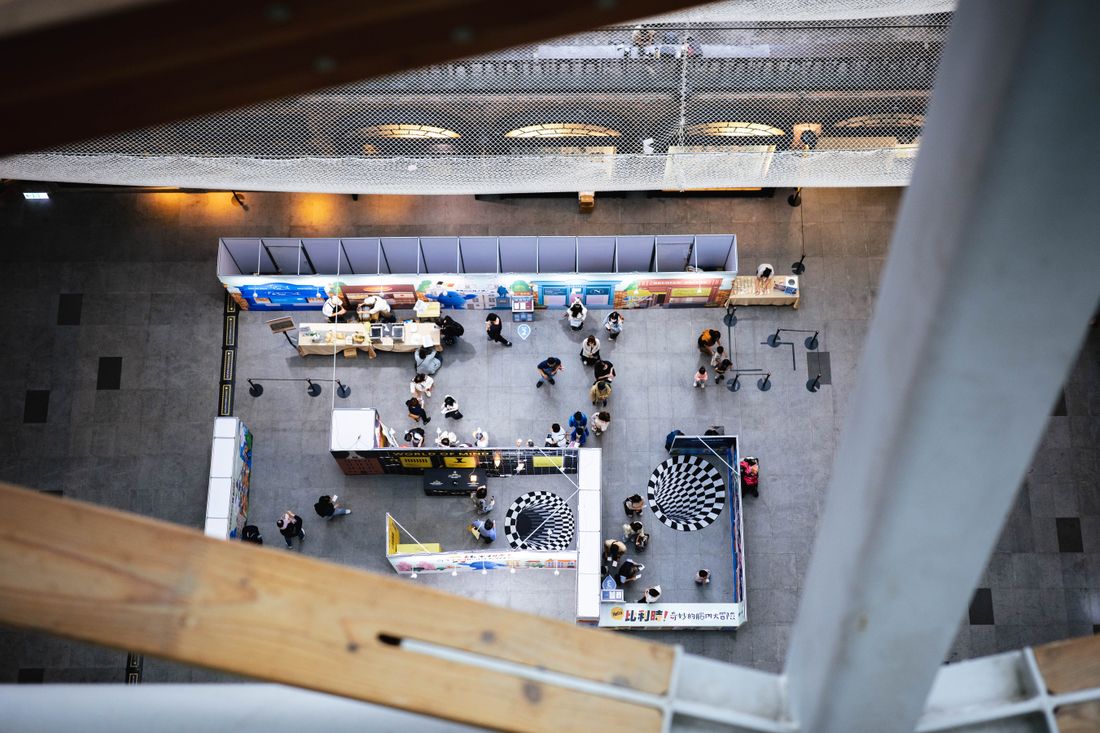
A headshot station at your booth doesn't need a special power drop, an extra staffer, or a redesigned floor plan. It needs about the same footprint as a folding table, one outlet, and a photographer who already knows how to run it without you managing a single detail of the shoot itself.
A trade show headshot station needs about 10 by 10 feet of space against a wall with one standard outlet, arrives 45 minutes before your show opens, and breaks down in 30 minutes after it closes. It comfortably photographs around twelve guests an hour, unhurried. A second station roughly doubles capacity, and a contact list of every guest photographed comes included with the booking.
Table of Contents
- The Footprint and Power Your Booth Needs to Set Aside
- Setup and Breakdown Timing That Doesn't Eat Into Your Show
- How Many Guests You Can Realistically Photograph in an Hour
- When a Second Station Actually Makes Sense
- How Lead Capture and the Contact List Handoff Works
- Working Backward From Your Show Dates to Book It
- What Your Own Booth Staff Still Need to Handle
- Planning for a Multi-Day Run or Parallel Stations
The Footprint and Power Your Booth Needs to Set Aside
A headshot station needs roughly 10 by 10 feet of your booth space (ideally against a wall, near foot traffic) plus one standard outlet within reach. That's the full physical requirement: no dedicated room, no special power drop, and nothing else to negotiate with the venue beyond confirming that footprint is free.
In practice that footprint tucks into almost any booth layout without displacing your main display or demo area. A wall backing keeps the backdrop clean and gives the photographer a fixed line of sight down the aisle, which is also what pulls people toward it in the first place. The outlet requirement is genuinely one standard plug, not a special power drop from show management, though it's worth confirming its exact location on your booth's electrical plan before the show instead of discovering it during setup. If your booth is an open, four-sided island with no wall, the station can still work backed by pipe-and-drape or a half-wall panel. Just flag that during planning so it doesn't turn into troubleshooting once the floor opens.
Setup and Breakdown Timing That Doesn't Eat Into Your Show
The station arrives 45 minutes before your show opens and breaks down in 30 minutes once it closes, both fall entirely outside your programmed hours, so neither setup nor teardown ever eats into the time your booth is actually staffed and open to visitors.
That timing holds regardless of how big your booth is or how many guests you're expecting, it's the same 45 minutes in, 30 minutes out whether you booked the half-day Station package or the multi-day Trade Show tier. Plan your own booth build-out around it rather than the other way around: if your team's setup starts at 7am for an 8am floor open, the headshot crew can slot in around 7:15 without competing for aisle space or dock access, since the setup itself is just a backdrop, lighting stands, and a laptop for tethering, nothing that needs a forklift or a long load-in window. Breakdown works the same way in reverse: once the floor closes, the station is packed and gone in half an hour, well inside whatever window the venue gives exhibitors to clear out.
How Many Guests You Can Realistically Photograph in an Hour
A single station comfortably photographs around twelve guests an hour, unhurried, with real posing direction for each person, not a rushed grab-and-go. That figure is a planning number, not a hard cap: quieter stretches allow longer sessions, and a sudden rush still gets everyone through without turning anyone into a number.
That twelve-an-hour figure comes from how the station actually runs: each guest gets two to four minutes in front of the camera, posed properly rather than told to "just be natural," then reviews the shot on a tethered laptop screen and picks the frame they want retouched before stepping aside. Time per person flexes with the room. A slow stretch means a longer, more considered session, while a rush means the line keeps moving without anyone getting skipped. At very high volume, or where a venue's space or power limits a tethered setup, the photographer may shoot untethered instead and send a private gallery for guests to pick from shortly after the event. Either way, plan staffing and queue space around that number, not a hard ceiling.
When a Second Station Actually Makes Sense
A second station makes sense once your expected traffic would outpace what one line can absorb. It roughly doubles capacity without doubling the wait. It's the right call for high-traffic trade show floors and multi-day runs, not for a half-day reception where one photographer comfortably keeps up on their own.
A second photographer and station is a straight add-on to any package. It adds a full second setup, not a shared line, so guests split naturally into two shorter queues instead of one long one. The value isn't only more people through in the same hours; it's keeping the wait short enough that people don't wander off before reaching the front. Multi-day trade shows are the clearest case, since the Trade Show package is built specifically for multiple days or parallel stations and larger guest counts, a second photographer is already part of that tier rather than a bolt-on. For a half-day reception, one station running the booked window is usually plenty. If you're weighing whether a second station pencils out, the cost-per-lead math lives on our page about what a headshot station at your booth actually returns (this piece stays on the planning side only).
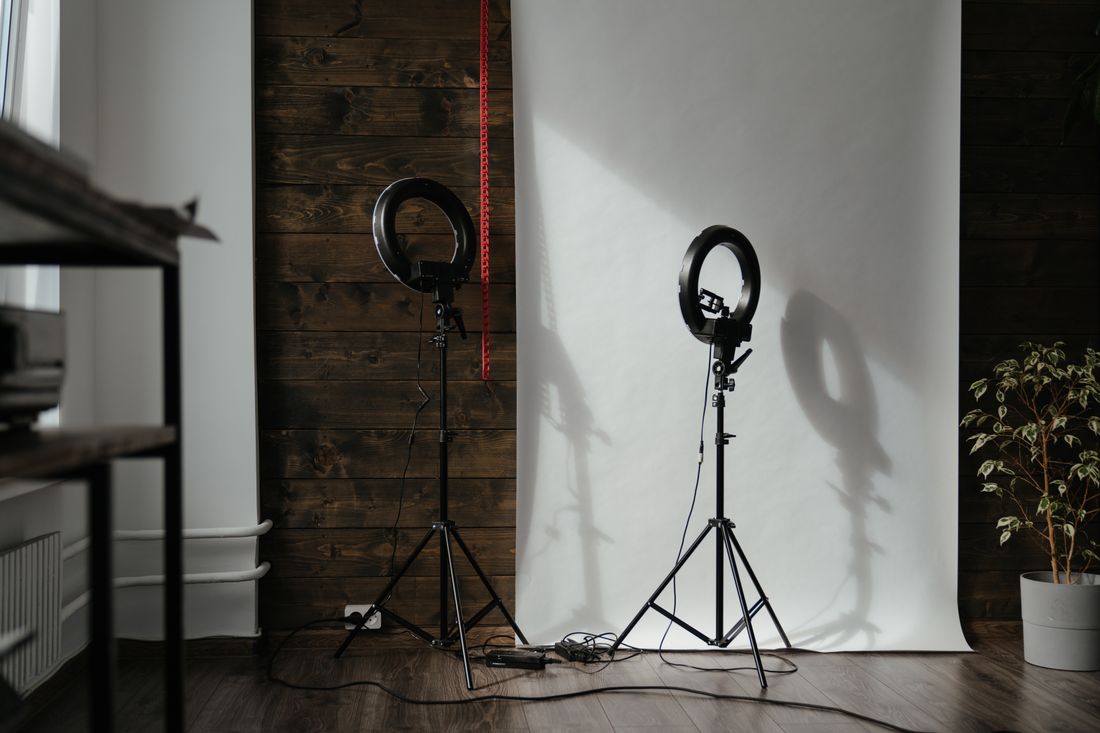
Photo by cottonbro studio via Pexels.
How Lead Capture and the Contact List Handoff Works
Every guest who sits for a portrait leaves a contact behind by default, a clean list of everyone photographed is included with every package, not an upsell, and it's handed to you along with the retouched images once the event wraps. That list is what turns booth traffic into a follow-up list you actually own.
Mechanically it's simple: each guest gives an email address to receive their retouched portrait, which is also exactly the contact info that ends up on the list you're handed afterward, no separate signup form or badge scan required, and no extra step for your booth staff to manage. The delivered images carry full commercial usage rights, so the same photo doubles as your own asset while it's also living on someone's LinkedIn with your brand's backdrop behind them. If the goal is same-day engagement rather than a post-show follow-up, same-day delivery is available as an add-on, so guests see the branded portrait while your booth is still open rather than days later. Either way, the exchange is simple for the guest: sit down, get photographed, get a portrait worth keeping, and hand over an email address to receive it.
Working Backward From Your Show Dates to Book It
Booking follows three steps regardless of show size: send the event, date, venue, and expected guest count; get a fixed quote back within one business day; then confirm by email to lock the date and coordinate space and power with your venue. None of it requires a phone call unless you actually want one.
The useful moment to start is once your booth space and floor plan are locked, since that's when you actually know whether you have a wall to work with and where the nearest outlet sits (details worth including in the initial email so the quote comes back accurate the first time). There's no minimum lead time built into the process itself; the real constraint is availability, especially during trade show and conference season when multiple exhibitors are booking the same weeks. Locking the date by email is what confirms it (nothing more elaborate than a written yes to the quote), after which what's left is mostly logistics: confirming the exact footprint and outlet with your venue contact, and making sure whoever runs your booth knows the station's arrival and breakdown times ahead of the show.
What Your Own Booth Staff Still Need to Handle
Your booth staff don't run the photography (the photographer poses every guest, tethers the camera, and handles image selection), but they still own directing traffic into the line, badge scanning, and any product conversation that happens while someone waits. The station runs itself; your booth's job is everything around it.
In practice this means your existing booth staff keep doing what they'd do anyway (greeting visitors, answering product questions, scanning badges) while simply pointing interested guests toward the station instead of personally managing it. No additional headcount is required just to run the shoot itself; the photographer handles posing, camera, and guest review independently. What's worth deciding ahead of time is who, if anyone, stands near the line during busy stretches to keep it moving and answer quick questions, since an unattended queue at a busy show can look uncertain even when it's simply working through guests in order. If your brand cares how guests look before they sit down, the hair-and-makeup add-on puts a professional doing quick touch-ups ahead of the camera, worth considering for a booth expecting a polished, on-camera crowd.
Planning for a Multi-Day Run or Parallel Stations
Multi-day trade shows and larger expo runs are built for their own package (Trade Show, from $8,000, covering multiple days or parallel stations and 150-plus guests) rather than stretching a single-day package across a longer run. It includes a second-photographer option and rolling delivery across the show.
Rolling delivery is the detail that matters most for a multi-day booking: instead of one batch of images arriving after the whole show wraps, guests get their portraits as the run progresses, which keeps the incentive for stopping by fresh on day two and three rather than relying on day-one momentum alone. The same setup and breakdown timing applies each day the station runs (arriving early and clearing out at close), so plan those windows into your daily booth schedule rather than assuming it stays up unattended overnight. If your footprint allows for genuinely parallel stations rather than one station running longer hours, that's worth flagging when you request the quote, since it changes both the crew and the space plan. For a show spanning several days with steady traffic throughout, this tier is built around exactly that kind of sustained booth presence.
Frequently Asked Questions
How much space and power does a headshot station need at my booth?
About 10 by 10 feet, ideally backed against a wall or pipe-and-drape panel so the backdrop stays clean, plus one standard electrical outlet within reach. That's the complete physical requirement, no special power drop, no dedicated closed-off room, and no equipment that needs a forklift or long load-in window. Confirm the exact spot and outlet location with your venue ahead of time so setup doesn't turn into troubleshooting once the show floor opens.
How many guests can realistically be photographed in an hour?
Comfortably around twelve guests an hour, unhurried, with real posing direction for each person, that's a planning figure, not a hard cap. Quiet stretches allow longer, more considered sessions; busy stretches keep the line moving without skipping anyone. At very high volume, or where a venue limits a tethered setup, the photographer may shoot untethered and send a private gallery for selection shortly after the event instead of reviewing frames on the spot.
Does the headshot station eat into our show hours for setup?
No. The station arrives 45 minutes before your show opens and breaks down within 30 minutes of it closing, both entirely outside your programmed floor hours. That timing holds regardless of package size or how many guests you expect. Setup is genuinely light (a backdrop, lighting stands, and a laptop for tethering) so it slots in alongside your own booth build-out rather than competing with it for time, aisle space, or dock access.
When should we book a second station instead of just running longer?
When expected traffic would outpace one line rather than when you simply want more total hours, a second photographer and station roughly doubles capacity without doubling the wait, splitting guests into two shorter queues instead of one long one. It's the natural fit for high-traffic trade show floors and multi-day runs, where the Trade Show package already includes a second station option. For a single half-day reception, one station running the booked window is usually enough.
What do we actually get from the lead capture, and how does the handoff work?
A clean contact list of everyone who sat for a portrait is included with every package, not sold separately. It's handed over with the retouched images once the event wraps. There's no separate signup form: the guest's email is simply where their portrait gets delivered, so capture happens automatically as part of getting the photo, not as an extra ask. Delivered images carry full commercial usage rights, so you can use them beyond just the guest's LinkedIn post.
Related Reading
Planning a headshot station for an upcoming event or trade show?
Give us the format, booth, conference, or company event, and we'll work out the throughput and the price before you commit.
See the Headshot Station