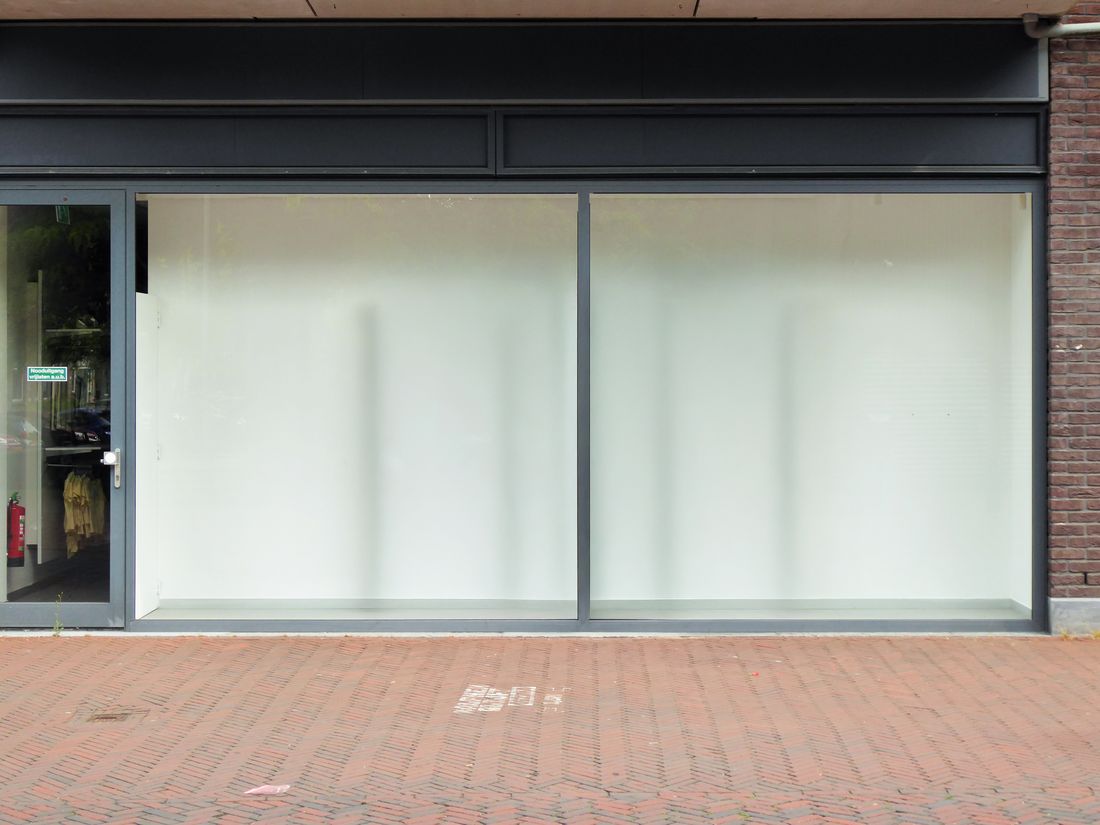
Photo: Core Visuals NYC
Ask a brand team what a pop-up needs covered and the answer is usually just "the event" (people arriving, a demo table, maybe a step-and-repeat). That misses the harder job. A pop-up is a temporary set that has to be photographed as retail space, event, and content shoot at once, and the build looks its best in the window before the first guest walks in. Getting that timing right (an empty-space pass, then activity) is the real decision, not an afterthought squeezed around the guest list.
A pop-up needs two passes, not one: an empty-space pass shot before doors open, documenting the build as designed, and an activity pass once people arrive. The build looks best empty; the event only exists once it's full. Scheduling the crew ahead of guest arrival, not at the same call time, is what makes both passes possible in one visit.
Table of Contents
- Why a pop-up needs a different coverage plan than a normal event
- Why the build looks best in the window before anyone walks in
- What the empty-space pass actually needs to capture
- What changes once the crowd actually arrives
- How to fit both passes into one booking without adding time
- What changes for a pop-up that runs more than one day
- How one shoot serves retail, event, and content needs at the same time
- What a pop-up's coverage plan can skip entirely
Why a pop-up needs a different coverage plan than a normal event
A pop-up or brand activation isn't one photography job. It's three running at once. The space has to read as retail: does this look like somewhere a stranger would want to walk into. It has to read as an event: is anything actually happening here. And it has to read as content: will these photos still do work once the space is gone. One coverage plan has to answer all three, and most event-photography plans are only built for the second one.
That's the gap I see most often with pop-ups specifically. A trade show booth or a conference stage already has a built-in visual language (booths look like booths, keynotes look like keynotes). A pop-up doesn't have that shorthand. It might be a shipping container, a storefront rented for six days, or a corner of a lobby dressed up for a weekend. The photography has to establish what the space even is before it can show what happened in it.
Why the build looks best in the window before anyone walks in
A pop-up's build looks best in the hour before doors open (every surface clean, every sightline open, nothing blocking the product wall or the signage the team spent weeks designing). That's the moment to photograph the space as it was actually built, because once the doors open, the room stops being a controlled set and starts being a crowd photo instead.
This is the judgment call I'd push back on if a client wanted to skip it: an empty-space pass isn't a nice-to-have, it's the shot that shows the design decisions clearly. A branded wall, a custom fixture, a floor treatment. None of that reads in a photo full of shoulders and bags. Once people are in the space, they're the subject whether the brief wanted that or not, because a camera pointed at a room with twenty people in it photographs the people first. The empty pass is the only chance to document the actual production work: what got built, how it was laid out, what the space looks like as a piece of design rather than as a backdrop for whoever happened to be standing in it that hour.
What the empty-space pass actually needs to capture
The empty-space pass needs two kinds of shots: wide, clean views that show the layout and flow of the whole build, and close detail shots of the specific things the design team cared about (a custom fixture, a material choice, signage, a lighting effect). Both usually get shot within the same twenty-minute window before doors open.
Wide shots are the ones that end up on a case study page or a partner deck. They show the space as a whole idea, the way an architecture photo shows a building rather than a room. Detail shots are the ones a brand team actually reuses on social, because a tight, well-lit shot of a specific fixture or product display often reads better in a square crop than a wide room shot does. In practice, the detail shots get more mileage than expected going in. A clean close-up of a branded surface holds up as a standalone post long after the wide shots have done their one job on a recap page. Skipping this pass to save fifteen minutes is the most common way a pop-up ends up with only crowd photos to work with.
What changes once the crowd actually arrives
Once the doors open, the coverage job changes from documenting a space to documenting an event (real people, real reactions, a line at the register or a crowd around a demo table). That's the second half of the same shoot, and it needs a different eye than the empty pass did: less about composition and layout, more about catching a specific moment before it's gone.
This is where a pop-up starts behaving like any other event: watch the room, not a checklist. The interesting moments (someone genuinely laughing at a product demo, a line forming outside, a staffer explaining something with their hands) happen on their own schedule, not a shot list. We treat this half of the coverage the way we'd treat any live event: stay mobile, stay close to where people are actually engaging, and let the room dictate the shots rather than working through a fixed sequence. The empty pass can be planned in advance down to the angle. The activity pass can only be planned as a posture (where to stand, what to watch for), not as a literal list.
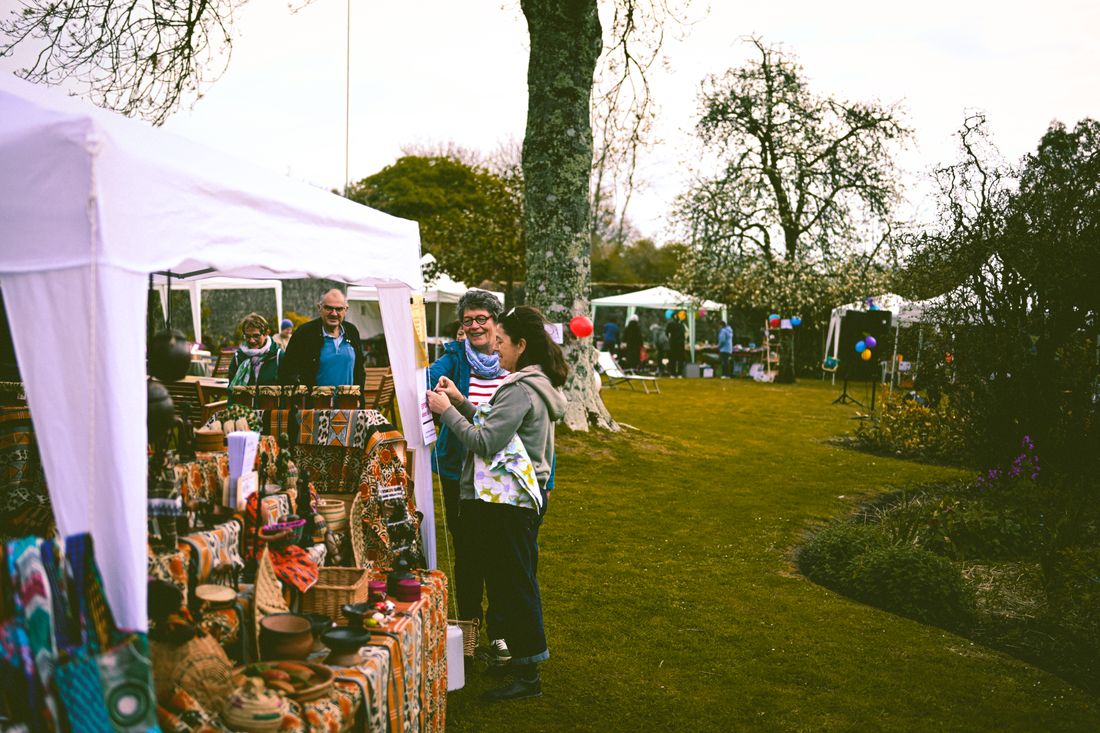
Photo by Kwami Heude Izawaki via Pexels.
How to fit both passes into one booking without adding time
The two passes (empty space, then activity) usually fit into one booking without extending it, because the empty pass only takes fifteen to twenty minutes and naturally happens before the doors open anyway. The scheduling question isn't whether to add time, it's making sure the crew is on site before the crowd, not arriving right as the first guests walk in.
This is a coordination detail that's easy to miss when an activation's run of show gets built around guest arrival time rather than crew arrival time. If the call time for photo coverage matches the doors-open time, the empty pass never happens. There's no clean window left. Building the schedule with even a short buffer before doors open, and briefing whoever's running the space that the crew needs those minutes uninterrupted, is the actual planning move. It costs nothing in additional hours. It just requires putting it on the schedule as its own item instead of assuming it'll happen naturally in between other things.
What changes for a pop-up that runs more than one day
A pop-up that runs multiple days needs a different plan than a single-day activation, because the space itself changes over the run (the product wall gets picked over, signage gets bumped, the floor gets scuffed). The version worth documenting as pristine is almost always day one, before the space has absorbed a few hundred visitors' worth of wear.
For a multi-day run, that means the empty-space pass belongs on day one specifically, not whenever there's a quiet moment, because there usually isn't a quiet moment after day one that looks like day one did. Later days are where activity coverage does more of the work instead. A Saturday crowd looks different from a Tuesday lunch crowd, and if the goal is showing the activation at different points in its run, that's where the real variation comes from. A multi-day plan worth following: lock the clean build shots to opening day, then treat every day after as activity coverage, varying time of day and crowd type rather than re-shooting an empty room that no longer exists in its original state.
How one shoot serves retail, event, and content needs at the same time
The three jobs (retail, event, content) need slightly different framing, even within the same shoot. Retail framing shows the space as a place: wide, clean, oriented like a location a customer could picture walking into. Event framing shows people and moments. Content framing thinks ahead to where the image lands (a square crop for social, a horizontal for a website banner, a vertical for a story).
We shoot with all three in mind from the start rather than picking one and hoping the others fall out of it, because a shot composed purely for the event often crops badly for social, and a shot composed purely for social often has too little context to explain the space to someone who wasn't there. That's less about extra shots and more about composition discipline during the shots already being taken, leaving room in the frame, not centering everything on one moment, thinking about what a specific image needs to do before pressing the shutter rather than after.
What a pop-up's coverage plan can skip entirely
A pop-up doesn't need a full trade-show-style booth package or a scripted product-launch keynote sequence. Those are different jobs with different visual logic, and pulling in that shot list usually means missing what actually makes a temporary space worth documenting. A pop-up isn't trying to look like a booth in a convention hall; it's trying to look like a real, specific place that existed for a week.
Skip a formal group photo lineup unless there's a genuine reason for one. A pop-up's team is often small and rotating through shifts, so a staged group shot can end up looking like an afterthought bolted onto real coverage. Skip over-scripting the activity pass with a shot list built for a keynote stage; a pop-up doesn't have a stage, it has a room full of people moving through it. And skip treating the empty-space pass as optional filler. It's the one part of the coverage that can't be recreated once the space is gone, unlike activity shots, which a busier day later in the run can often replace.
Frequently Asked Questions
What's different about photographing a pop-up versus a regular event?
A pop-up has to be photographed as three things at once: a retail space (does it look like somewhere worth entering), an event (is anything happening), and content (will the images still work after the space is gone). A regular event usually only needs the second one. A pop-up also lacks the built-in visual shorthand a trade show booth or conference stage already has, so the photos have to establish what the space even is.
Why shoot a pop-up's empty space before it opens instead of just covering the crowd?
Because it's the only moment the build can be documented as designed. Once people walk in, a camera pointed at a full room photographs the people first, not the fixtures, signage, or layout the design team built. A clean fifteen-to-twenty-minute pass before doors open captures the space itself; once the crowd arrives, that version of the room is gone for good and can't be recreated later in the run.
How much extra time does an empty-space pass actually add to a shoot?
Usually none. It fits inside a normal call time as long as the crew arrives before doors open rather than at the same moment guests do. The scheduling fix is simple: build the photographer's or videographer's arrival time a few minutes ahead of guest arrival on the run of show, and brief whoever's managing the space that those minutes need to stay clear of foot traffic.
For a multi-day pop-up, does the empty-space pass need repeating each day?
No, it belongs on day one. A build looks most pristine before a few hundred visitors have picked over the product wall or scuffed the floor, and that version doesn't come back later in the run. Later days are better spent on activity coverage instead, varying time of day and crowd type, since that's where genuine day-to-day differences in the activation actually show up.
Should pop-up coverage include a formal team photo or shot list like a trade show booth?
Not usually. A pop-up's team is often small and rotating through shifts, so a staged lineup can look like an afterthought next to real coverage, and a pop-up doesn't have a fixed stage the way a keynote event does. Skip a scripted trade-show-style shot list and a formal group photo lineup unless there's a specific reason for one, and let the activity pass follow the room instead.
Related Reading
Not sure if hourly or a package makes more sense for your event?
Tell us the expected length, and we'll run the actual numbers before you book.
See Event Coverage Packages