Most team headshot days don't go wrong because of the photography. They go wrong because nobody scheduled the fifteen minutes between people, so the afternoon slides by an hour, and three people who had a 2:15pm slot are now standing around a conference room at 3:30 wondering if they should just leave.
A team headshot day is a scheduling problem wearing a photography costume. The camera work is genuinely the fast, solved part. A good session runs 8-10 minutes per person once the light and backdrop are set. What breaks is everything around it: who's next, where they wait, what happens when someone's stuck on a call, and who actually approves the final image. Get the logistics right and a 15-person team is done in an afternoon without anyone losing more than 20 minutes of their day.
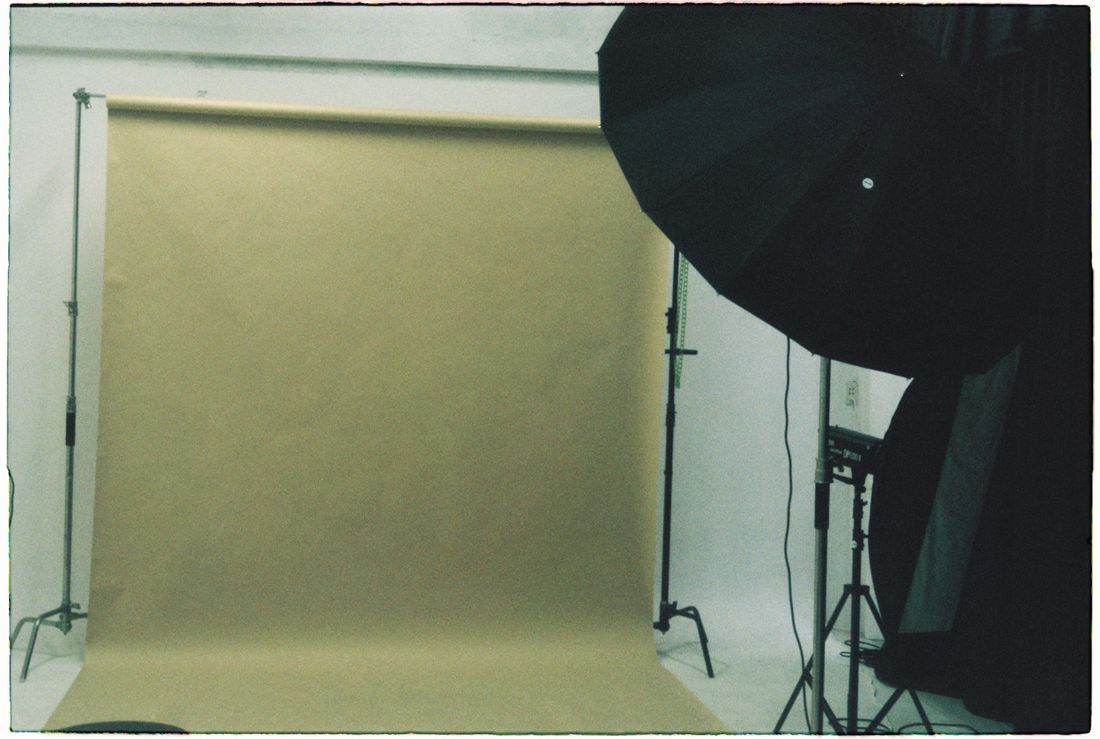
Photo: Core Visuals NYC
Table of Contents
Scheduling the slots, not just the day
Team headshot scheduling fails when it's treated as one block of time instead of a series of appointments. A team headshot day works best as 10-minute slots on a shared calendar, not a general "photographer will be in the conference room from 1-4pm" announcement. Named slots mean people show up when they're supposed to, instead of everyone drifting in around the same window and creating a line.
The math is simple once you build it this way. Fifteen people at 8-10 minutes each is roughly 2.5 hours of active shooting. Add 45-60 minutes for setup and teardown on either end and the whole thing fits inside a half-day. We build the slot sheet before we show up, send it to whoever's coordinating internally, and ask them to assign names to times. Not the other way around, because a photographer guessing at internal schedules always loses.
Team headshot day scheduling is the process of assigning fixed time slots to each person instead of running an open block, which is what keeps a 15-20 person session from expanding into a full afternoon of waiting around.
On-site or studio, and how to decide
On-site headshots work for most companies because removing travel time keeps people near their desks and their actual jobs between slots. A studio only makes sense when the office genuinely has no space that stays quiet and evenly lit for a few consecutive hours, which is rarer than most people assume, since a decent-sized conference room or an underused corner near a window usually does the job with a portable backdrop and two lights.
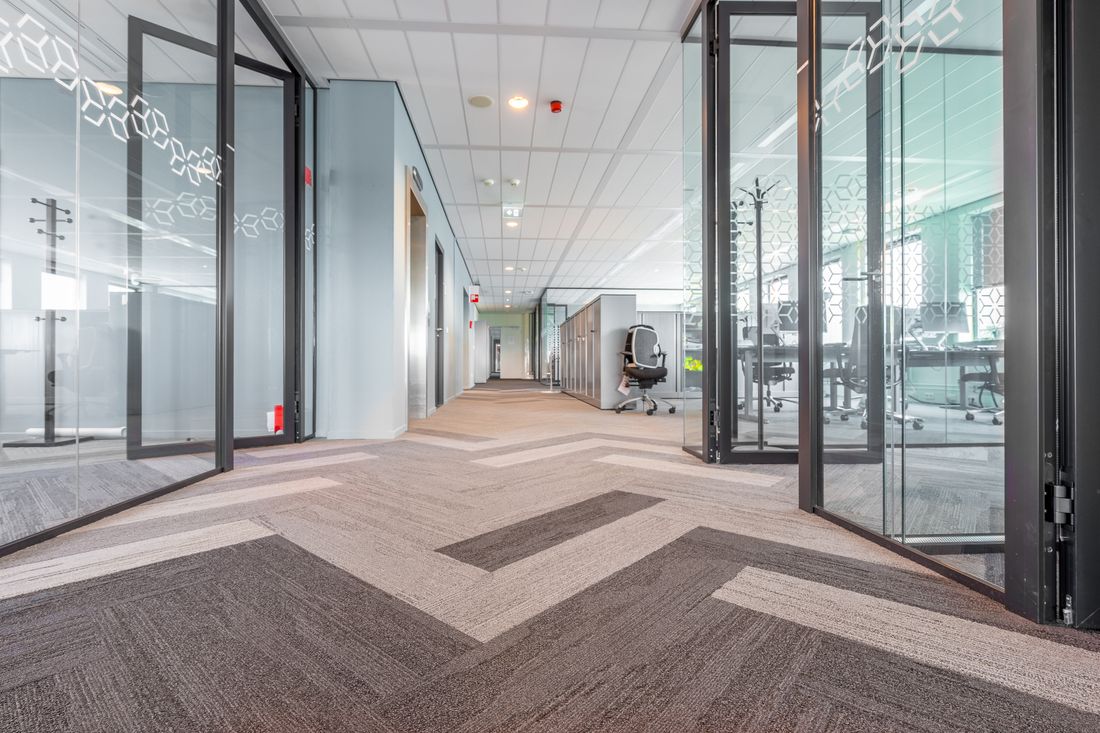
Photo by Kunno Jayson via Pexels.
The site walkthrough is the one step people skip and regret. We ask for a quick video call or set of photos of the proposed space before the day itself, not because the room needs to be perfect, but because finding out at 9am that the "quiet corner" is actually next to the espresso machine wastes the first 20 minutes of the shoot re-setting up somewhere else.
What actually matters in the space: a wall at least 8 feet wide with nothing hanging on it, an outlet nearby, and a door that closes. Natural light is a bonus, not a requirement. Most professional lighting setups make the ambient light in the room irrelevant anyway.
Keeping every headshot visually consistent
Headshot consistency across a team means every person is lit, framed, and posed the same way so the final set reads as one coordinated system rather than fifteen individually decent photos. That consistency comes from fixed camera position and lighting, not from asking each person to hold the same expression. People photograph differently even under identical settings, and that's fine as long as the technical setup stays locked.
We lock the camera height, the lens distance, and the light positions before the first person sits down, and we don't move them for the rest of the day. The only thing that changes person to person is the subject. This is also why we discourage "just squeeze in a few extra headshots" requests mid-session for people who weren't on the original list. A rushed extra person shot from a slightly different angle is the one image in the set that looks off two years later on the team page.
Handling no-shows without a second trip
A short backup list solves most no-show problems before they happen. Build a list of 2-3 people who can fill an empty slot during the actual scheduling phase, not as an afterthought on the day (someone traveling, someone in back-to-back external meetings, someone who's historically hard to pin down). When they no-show, the next person on the list steps in and the schedule barely notices.
What we try to avoid is the alternative: treating a no-show as an exception that gets resolved by negotiating a one-off return visit two weeks later. That return visit costs more in coordination time than it saves, and it usually means the last 1-2 headshots trickle in a month after everyone else's, which is its own small headache for whoever's updating the website or LinkedIn page.
Who approves the final image
Each person should pick their own final headshot from 2-3 delivered options, not a manager or HR contact choosing on their behalf. Individual approval front-loads the decision instead of creating a second round of "actually, can we swap mine" emails after the set is already published. People are far more forgiving of their own choice than of one made for them.
The delivery timeline matters here too. A standard team session takes 7-10 days to come back fully retouched and ready for web and print. Building that into the original plan (instead of assuming photos land the next morning) is what keeps the approval step calm instead of rushed. Rush delivery exists for launches and press deadlines, but it's worth asking for upfront, not after the fact.
Planning a team headshot day?
Team headshots start at $1,500 for the first 5 people, with volume pricing after that. We'll build the slot schedule with you before we show up.
See Headshot PackagesFrequently Asked Questions
How long does a team headshot day actually take?
A 15-person team fits into about 3 hours of active shooting once setup is done, at roughly 8-10 minutes per person including a wardrobe check and a look-back at the screen. Setup and teardown add another 45-60 minutes on either end, so budget a half-day even if the shooting itself is faster.
Should we shoot headshots on-site or send people to a studio?
On-site works for most teams because it removes travel time and keeps people close to their desks between slots, which matters more than studio polish for most companies. A studio makes sense only when the office has no space that stays quiet and consistently lit for a few hours, which is rarer than people expect.
How do we handle people who are out sick or traveling on headshot day?
Build a short backup list of names during scheduling instead of treating absences as an exception. A 15-person session with 2 no-shows on the day isn't a problem if you already know who's next in line; it becomes a problem only when the makeup session gets negotiated ad hoc a week later.
Who should sign off on the final headshot selections?
Each person should pick their own final image from 2-3 options, not HR or marketing on their behalf. Centralized approval slows delivery and creates a round of individual complaints after the fact; letting people choose their own photo from a short list front-loads that decision instead.
What's a realistic timeline from shoot day to usable files?
Expect 7-10 days from the shoot to fully retouched, web-and-print-ready files for a standard team session. Rush delivery is available for launches or press deadlines, but building the extra days into the original plan avoids a last-minute scramble that costs more than it needed to.
How much do team headshots cost for a company of 10-20 people?
Team headshots start at $1,500 for the first 5 people, with volume pricing bringing the per-person rate down as the group grows: $300 each for the first 5, $240 each for the next 5, and $180 each for people 11-20. A 15-person team lands around $4,200 total, not 15 times the 5-person rate.