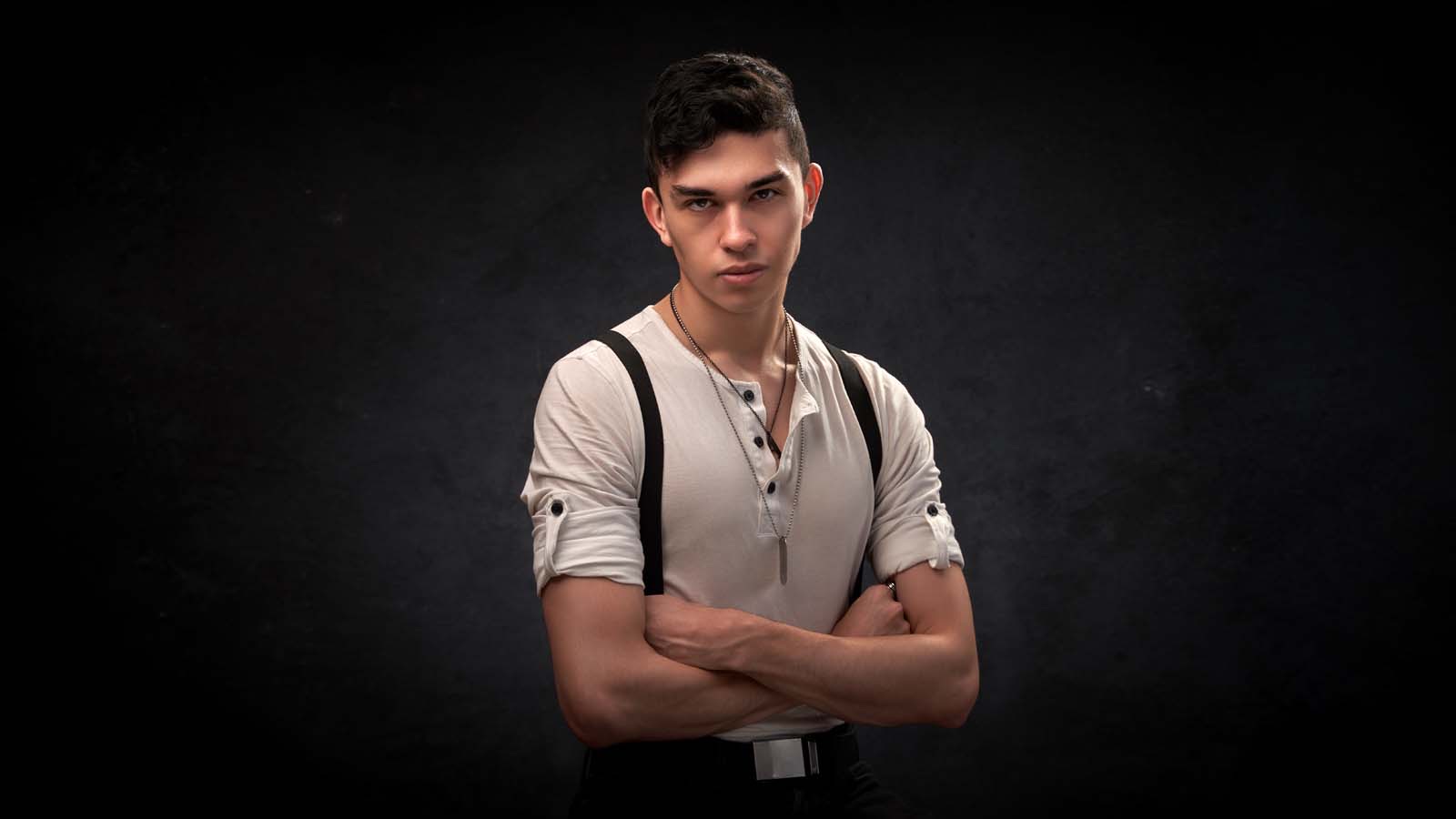
Photo: Core Visuals NYC
Most personal-brand advice is written for a CEO or a founder with a company to point the camera at. Everyone else gets the same advice in a different jacket. A CFO, a board chair, a physician and a talent agent all need a portrait and some video, but each has a different reason to be visible and a different thing they can't show. This guide covers the shared part once, then gives each role its specific problem and the fix. If you came here from one of our older role posts, your seat has its own entry below.
Personal brand content for anyone who isn't the CEO starts small: one current portrait, one short video on a topic the person already talks about, and a few working photos for posts and bios. What changes by role is the audience, the thing the person can't show (clients, deals, patients) and the moment that forces the content into existence.
Table of Contents
What every first personal-brand set shares
Almost every role below runs into the same moment. A panel organizer wants a bio photo this week, a reporter asks for a headshot, a promotion puts a name on a page, and the only photo on file is from three jobs ago. So the first rule is to build the set before the request arrives.
The minimum set is smaller than people expect: one current portrait built for the role, one short video on material the person already knows how to talk about, and a handful of working photos that can sit behind text on LinkedIn or in a deck. Comfort on camera comes from familiar material, not from a better script. If you want help building it, our headshots and brand video page is the place to start.
The second rule is that the content is about the person, not the company. Most of these roles can't show their best evidence, because clients, deals, patients and campaigns are confidential or belong to someone else. Show how the person thinks and works instead: a talking piece about a decision, the room they work in, a panel moment. Third, refresh on triggers, not on a calendar. A new title, a raise, a book or a board seat is when a set goes stale.
The C-suite beyond the CEO
CFO or COO. A CFO recruiting a finance team and a COO who is the company's face to vendors both have a visibility problem the founder's content doesn't solve. The tone is calm and exact, not personality-led. A portrait, a short clip on how they run the numbers or the operation, and a few working shots cover most of it.
CMO. Often the worst-photographed person at the company, because a CMO spends years approving everyone else's headshots. They resist this more than anyone. Keep it to the minimum set and keep the shoot from turning into a vanity project. Some CMOs need nothing beyond one current portrait.
Chief revenue officer. Two audiences watch: the sales team and the buyer in a long sales cycle, and LinkedIn is the real stage. Borrowing the CMO's storytelling register goes wrong, because a revenue leader should sound direct and specific. Give someone who has pitched products for years material about the work, not a script about themselves.
Chief product officer. A board or a recruiter wants to see how a CPO thinks when a roadmap gets cut in half. Show the reasoning, never the roadmap. Short formats about tradeoffs work best, filmed as a conversation so they don't go stiff, with nothing that exposes unreleased product.
New seats and seats nobody sees
Chief AI officer. The title means something different at every company, so the first piece has to explain the mandate before it proves anything about the person. Staff worried about their jobs and a board waiting for results watch the same video. Sell the person and the plan, not AI in general.
Chief people officer. Years of internal communication, then recruiting pages, panels and employer reputation suddenly need a public face. Choose the smallest set that makes the role legible: one current portrait, an introduction clip, then short conversation clips for panels. Skip executive-influencer theater.
New business unit leader. Handed a division that didn't exist last quarter, with no track record to point to yet. The content has to prove the unit is real, so show the leader with the actual team and the actual work in progress. Avoid launch-day claims the first quarter can't back up.
Chief of staff. The job is invisibility, until a promotion track or a leadership transition puts them on camera for the first time. The portrait should read as judgment, not authority borrowed from standing next to the CEO. Keep the first video short and about something they explain every day.
Founders and owners
Co-founder. Most teams end up with one public face by accident, and it stops working when an investor, a senior hire or a reporter asks where the other founder is. Shoot both on a normal shoot day, respect different comfort levels, skip the forced buddy photo, and don't chase a fifty-fifty split.
Franchise owner. The owner's portrait and video don't need a reshoot at every location, while location content does. Shoot the owner once so it works everywhere, pick the one site that photographs best, and check the franchisor's brand rules before anything is shot.
Fitness and wellness founder. A studio's feed can be full of classes and still never introduce the person who built the place. Show what they know: their coaching voice on video rather than class highlights, plus the certifications and specialties that make a stranger trust them with an hour of their week.
Real estate developer. Buyers of pre-construction units trust a person as much as the floor plans, and that trust has to exist before leasing opens. Start well before the ribbon-cutting, keep the developer's name separate from the building's marketing, and plan site visits around construction safety.
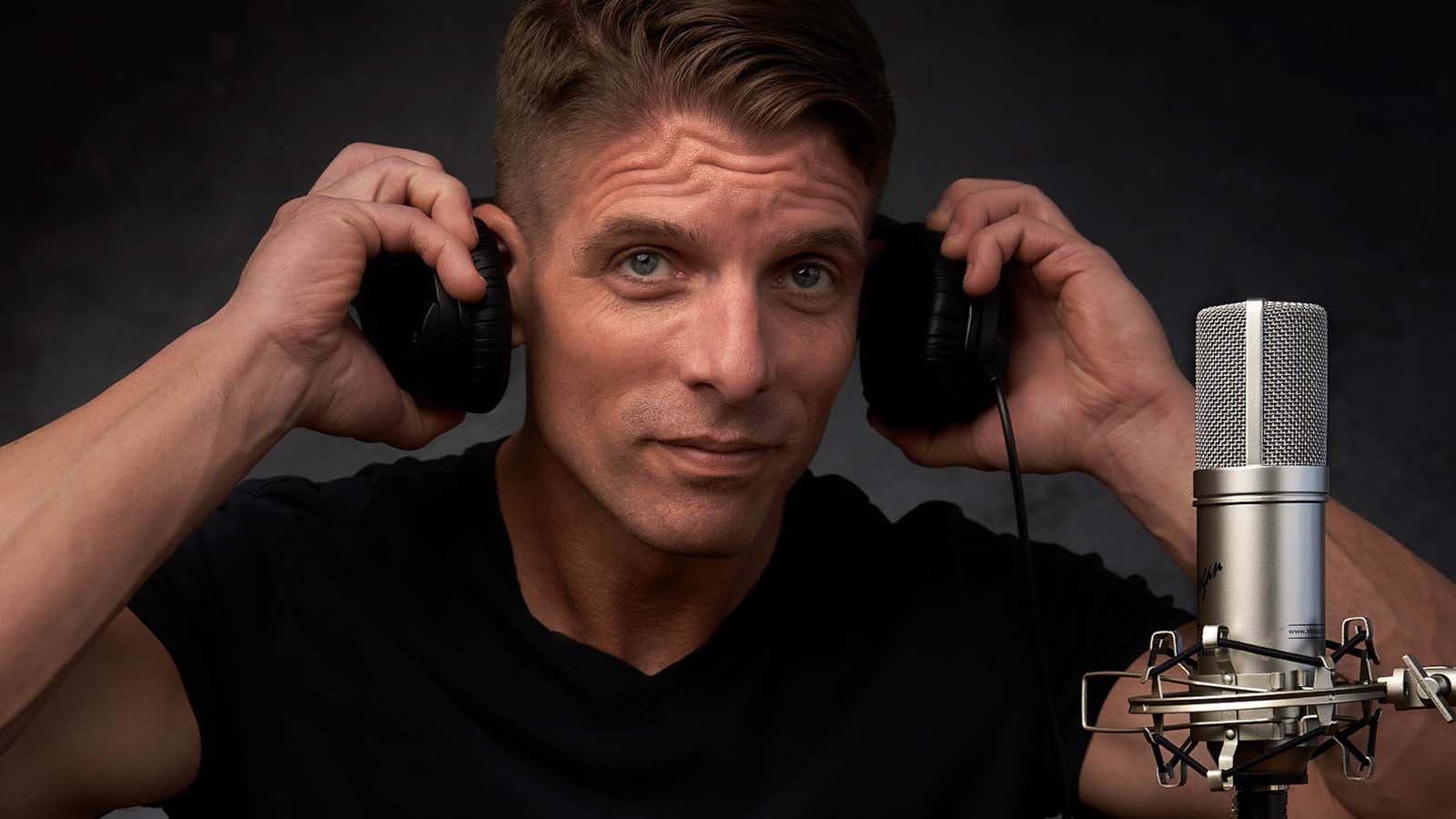
Photo: Core Visuals NYC
Advisors with no company to show
Startup advisor. There's no company to point a camera at, and often a portfolio they can't name. Photograph them as a peer to founders, not as a founder or an employee, in settings that don't say office job and sessions that never reveal an undisclosed deal. The set builds up over time.
Operator turned angel investor. The operator story proved "I built this." The investor story has to prove they spot someone else's version early. Show pattern recognition in talking pieces about how they evaluate, keep deal talk clear of advice, and don't overclaim a track record that's a year old.
Consultants and coaches. No company calendar forces new content, so the photos carry the whole brand. Shoot a year of variety in one session, with several outfits, settings and frames with room for text, in a real working space. If the offer involves teaching, capture the room. One good session usually beats a retainer.
Independent financial advisor. No firm name does the trusting, and compliance limits what the copy can say, so the photos and video carry more of the weight. Build the set for a referral-driven practice, keep video to how the process works rather than results, and shoot once for a year of use.
Roles whose best work is confidential
Agency creative director. The best work is client-branded, under NDA or credited to the team. Substitute a portrait that carries more weight, a talking piece on how they decide, a panel asset, and working shots that suggest scale without naming clients. What stays private is part of the strategy.
Talent agent or manager. The roster is the evidence and the one thing they can't trade on. Photograph how they work, not who they work with: the room they operate in, the calls they take. Watch for near-misses, like a poster or a phone screen in frame that quietly breaks confidentiality.
General counsel. Skipped until a panel wants a bio this week or a reporter wants comment on a regulatory shift. Keep a portrait and a short clip on standby, keep commentary general enough to create no exposure, and route everything through communications and compliance before it ships.
AI researcher. The work gets noticed before the person does, then a journalist, a conference and a podcast ask in the same month. Build a small kit first: a portrait that reads credible rather than polished, and a few short clips. Leave claims about the research to the papers.
Nonprofit leadership and donors
Board chair. Not the executive director's visual job. The ED's credibility comes from being in the work, and the chair's comes from stewardship and their standing elsewhere. Work around a volunteer's day job, settle what happens when the term ends, and deliver a portrait, a short video and a print set.
Development director. Organizations make the ED and the chair visible before a campaign, then send the person making the ask into a major-gift meeting with nothing behind their name. Build it before the ask: warm and specific, never triumphant, and clearly in support of the ED's voice.
Named-gift donor. The ceremony photographer documents the plaque and the room for the nonprofit's archive. The donor still needs a portrait they'd use in board decks and press. Book it as its own session before or after the unveiling, away from the podium, warm rather than victorious.
Professionals with a platform outside the firm
Physician. A hospital headshot is built to make every clinician interchangeable. Once a physician builds something of their own, like a practice, a book or media work, they need to read as one specific person. Shoot in a room that isn't an exam room, and record short talking pieces a producer can book from.
Law firm partner. A partner's personal video isn't the firm's brand film. It attaches a face and a voice to a name a client already searched, so it's built on the partner's own point of view and practice area, runs shorter, and sits next to the firm film instead of competing with it.
Professional speaker. Most speakers use one video for two years after the talk has changed. Film original footage rather than cutting a reel from one night, treat it as the sales asset event planners watch before booking, and refresh it whenever the talk changes.
Career transitions
Mid-career professional, first shoot. Fifteen years in, the reputation is real but nothing current shows it. This isn't an origin story or a new-executive launch. Build range from the real work life without inventing a narrative, and make one day cover the next year.
Retired athlete turned executive. Fans and sports media followed the career, and investors and employees are meeting the business side for the first time. Some of the athletic reputation carries over, but business credibility has to be built. Plan two content sets that overlap where they can and split where they must.
Family business successor. Nothing has been announced, and maybe no date exists. The successor needs to look credible now without implying a handover nobody made. Build on their own record, decide whether to shoot alone or beside the current principal, and update the set the day it becomes official.
Frequently Asked Questions
Who needs personal brand content besides the CEO?
Anyone whose name gets searched before a meeting: other executives, partners, advisors, board chairs, physicians and speakers. The trigger is usually outside their control, like a panel, a press request, a promotion or a fundraise. If the only photo on file is old or cropped from a group shot, the set is already late. One current portrait and one short video cover most of these moments.
What if I can't show my clients or my work?
Most roles on this page can't. Agents, advisors, counsel, creative directors and researchers all work under some form of confidentiality. Show the person instead: how they decide, the room they work in, a talking piece on their field, a panel moment. Check every frame for screens, posters, documents and logos before anything ships. What stays private reads as discretion, which is part of the pitch.
How often should personal brand content be refreshed?
On triggers, not on a calendar. A new title, a raise or acquisition, a book, a board seat, a launch or a visible change in appearance is when a set goes stale. Between triggers, a short yearly session for a few new working photos keeps the library from running dry. The core portrait and video usually carry a year or two. More on timing in our annual refresh guide.
Related Reading
Working on founder content or a launch and not sure what to shoot?
Tell us where the content needs to live (site, LinkedIn, press, or a launch page) and we'll come back with the scope and a fixed price before anything gets booked.
See Personal Branding & Launches