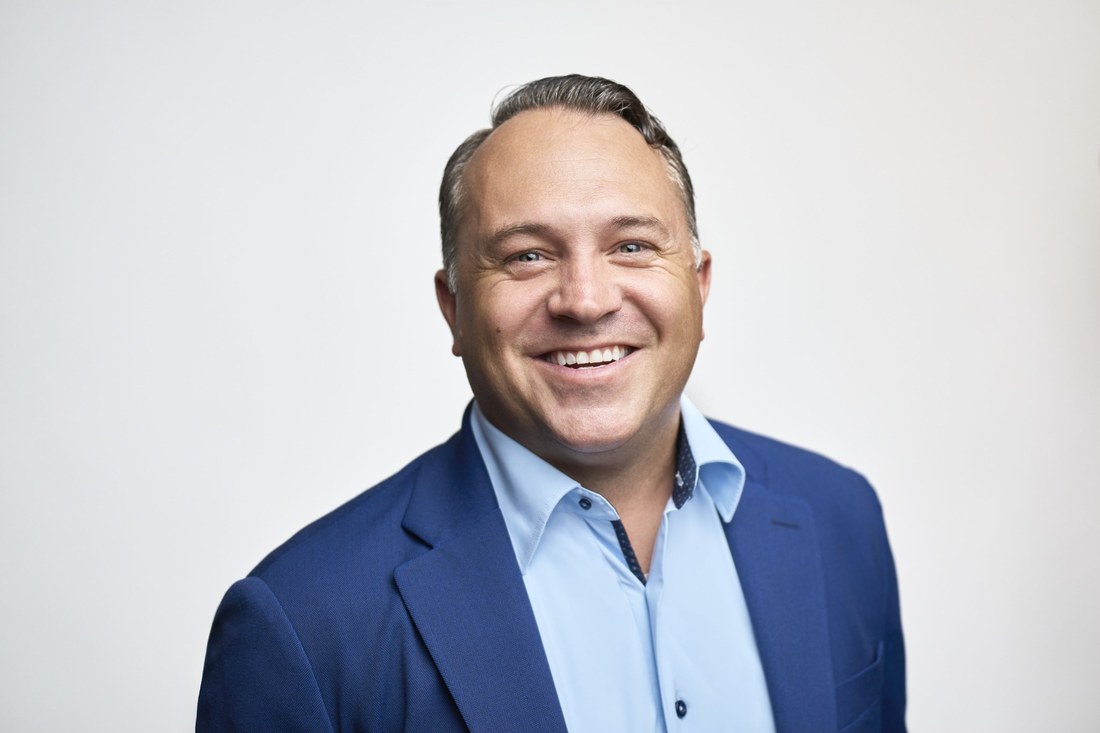
Photo: Core Visuals NYC
Booking the headshot station is the easy part. A crew and a backdrop show up, get set up in the space you paid for, and stand ready for the day, and none of that guarantees anyone actually steps in front of the camera. A station that photographs eleven people in a six-hour day usually isn't badly run. It's badly announced, badly placed, or scheduled against the one thing on the agenda nobody's going to skip. Here's the operator's plan for the day itself, not the argument for booking it in the first place.
An event headshot booth only gets used if guests know about it before they arrive, can find it without looking, and have a real window in the agenda to stop. Announce it ahead of time, place it on a path guests already walk, and schedule it against the day's real gaps, not against the keynote.
Table of Contents
Telling Guests the Booth Exists Before They Arrive
An event headshot booth that nobody heard about until they walked past it gets used by whoever happens to wander by, not by the room. The fix isn't a bigger sign at the door. It's telling people before the day, through whatever channels are already reaching them:
- A line in the pre-event or registration-confirmation email naming the exact hours the station runs.
- A named slot on the printed or digital agenda, not a footnote at the bottom.
- A checkbox on the registration form asking if a guest wants a portrait, so the ones who say yes already have it on their mind.
Most organizers assume a station announces itself once it's set up, the way a bar or a coffee table does. A portrait station doesn't work that way. Someone glancing at a backdrop mid-conversation isn't going to stop, fix their collar, and step into frame on the spot. They need a beat to decide they're up for it, and that decision has to happen before they're already holding a coffee and half-listening to a colleague.
Naming a specific window guests can plan around gets used. A passing mention that headshots will be "available somewhere" gets forgotten by the time they're in the building.
Where the Station Sits Decides Who Actually Uses It
A corporate headshot booth in a hallway nobody walks through photographs whoever got lost looking for the restroom, which is not the same as photographing the room. Placement on a path guests are already walking, near registration, the coffee table, the main networking area, gets used by people on their way somewhere else. A side room down a corridor gets used by almost nobody, because visiting it means leaving what they're doing to go find it on purpose.
The instinct to tuck the station somewhere quiet, out of the way of the main program, comes from a reasonable place: nobody wants a backdrop competing with the stage for attention. But quiet and hidden aren't the same thing. A station set slightly off the main flow, visible from the room but not blocking it, gets both: guests see it without directions, and it doesn't compete with whatever's happening on stage.
Sightline matters more than square footage. A guest deciding whether to step in front of a camera is watching the queue before they join it, so a station visible from twenty feet away, with a couple of people already in line, reads as an easy yes. One tucked around a corner reads as effort, and effort loses.
Scheduling It Against the Agenda's Real Gaps
On-site headshots at corporate events work best run against the moments guests actually have free time, not flat across the whole day. A station that opens the second the keynote starts photographs an empty room, because everyone who might have used it just sat down to listen to someone else. The agenda already has natural gaps built in: registration and coffee before the program starts, a break between sessions, the reception after the last speaker wraps.
Matching the station's hours to those gaps instead of running it start-to-finish across the day means the crew is shooting during the windows guests are actually free to step away, not sitting idle during the keynote and swamped the moment it ends. A half-day booking gets three hours of live time; spending all three against the busiest fifteen minutes of arrivals does less than spreading them across two or three real gaps in the day.
This is a scheduling decision, not a staffing one, worth making against the actual run of show rather than a generic start and end time. Whoever holds the final agenda should be the one setting the station's hours, even if that means moving them a week out once the program locks.
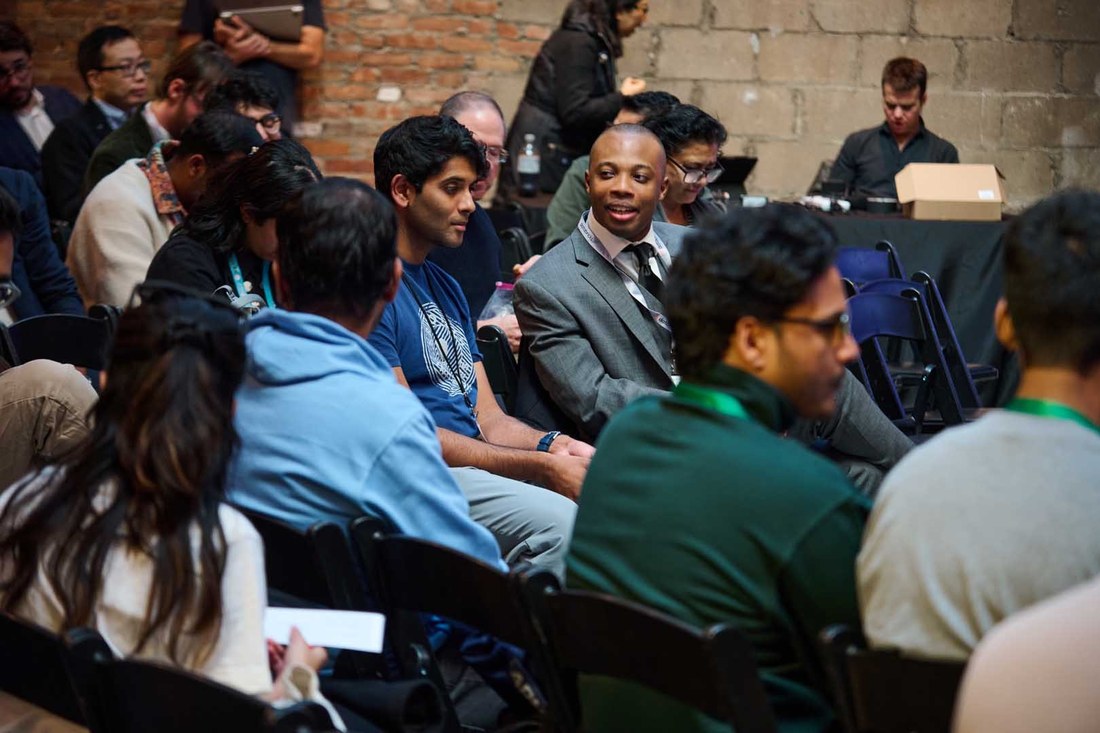
Photo: Core Visuals NYC
The One-Line Wardrobe Note (and Why a Dress Code Backfires)
Guests show up in whatever they packed for the event itself, not for a portrait, so a single wardrobe line sent ahead of time does more than any instruction posted at the booth. Solid colors photograph better than busy patterns, and a jacket helps even over a casual shirt, is a full note. Anything longer starts to read like homework.
A formal dress code backfires because it turns an optional five-minute stop into an obligation with a bar to clear. Guests who didn't bring what the email described skip the booth rather than show up "wrong," which shrinks the pool of people willing to step in front of the camera instead of growing it. The goal is a nudge, not a requirement.
The note works best folded into whichever message already tells guests the station exists, not sent as its own email. One line, sent once, read once. Anyone who ignores it still gets photographed. The point isn't compliance. It's giving the people who do care a useful heads-up before they're standing in line wishing they'd worn something else.
Keeping the Line Neither Empty Nor Overwhelming
A queue with nobody in it looks like nobody wants their photo taken, and a queue wrapped around the corner looks like a wait not worth joining. Both kill turnout for different reasons, and both are manageable with the same fix: someone near the booth, a colleague, a greeter, whoever's already working the registration table, gently pointing people toward it as they pass.
An empty stretch usually means the booth is running during a low-traffic window, the scheduling problem above, or that nobody's been reminded it's there since the opening announcement. A quick verbal nudge from a staffer standing nearby fixes it faster than any sign ever will.
A line that's grown too long for one station is a different problem, with a direct fix: a second station running in parallel with its own photographer, which exists as an add-on precisely for events where a single line can't clear the interested guests in the hours available. That's a staffing call to make once the queue starts backing up, not something to guess at before the event starts.
What Happens After the Booth Closes
A headshot station only earns its place on the budget if what comes out the other side actually gets used, which means delivery and access matter as much as the day itself. Every booking includes retouching, online delivery, commercial usage rights, and the contact list of everyone who sat for a portrait, so the organizer can follow up directly instead of guessing who showed up.
Turnaround runs three business days on a half-day booking and two business days, prioritized, on a full day. For an event where guests want their file sooner, same-day delivery to guests mid-event is available as an add-on, so people can walk away with a usable portrait before they leave the building instead of waiting on an email later that week.
The contact list is the part organizers underuse most. It's not just a delivery mechanism, it's a record of who engaged with the station at all, useful for a post-event thank-you or simply confirming the day was worth the line item. None of that happens automatically. Someone has to actually open the list and do something with it once the event wraps.
Related Reading
Booking headshots or a brand video for your team?
Tell us how many people and whether you need photo, video, or both, and we'll send back a fixed price with the volume discount already applied.
See Headshots & Brand Videos