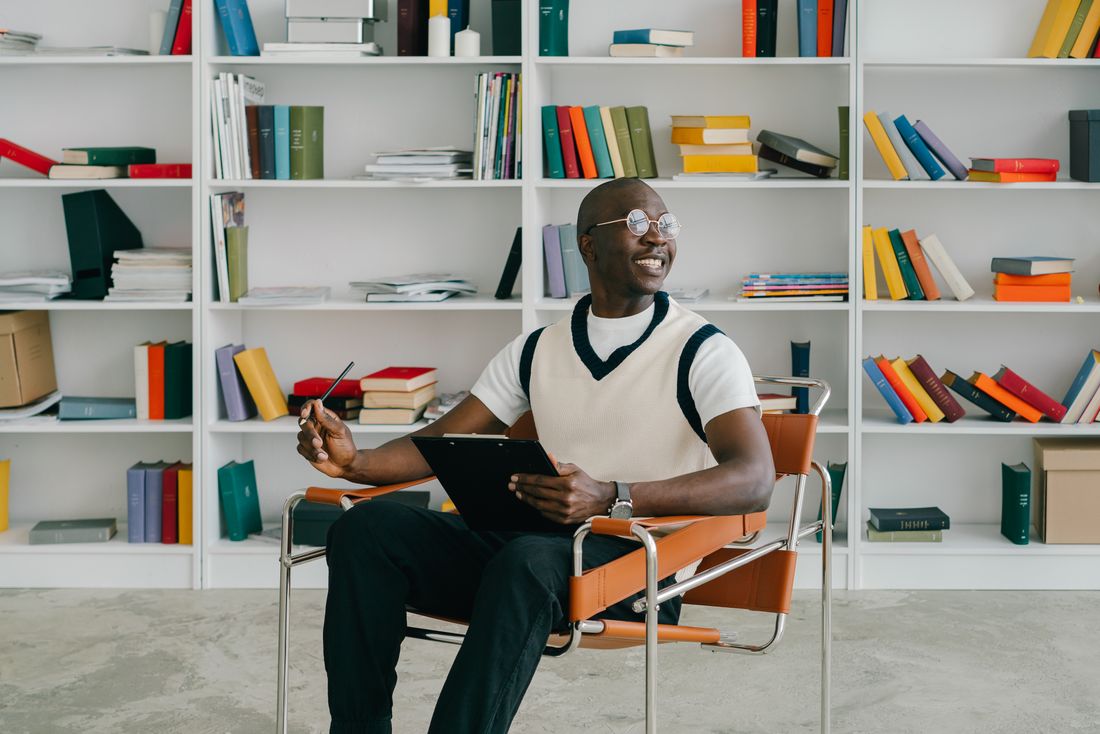
Photo: Core Visuals NYC
A faculty directory photo and a professor's media presence are solving two different problems, and the gap between them only shows up once someone starts getting quoted regularly. One is a static record for a department page, updated rarely if ever. The other is a working asset that gets requested by producers, editors, and panel organizers on short notice, and it ages differently because it gets used differently. An academic who does one op-ed a year can probably get by on whatever photo is already on file. An academic who's becoming a regular voice in their field, a go-to quote for reporters, a recurring guest on panels and podcasts, needs something closer to what a spokesperson or a founder maintains: a small, current library of portraits and clips, refreshed on a cadence tied to how often they're actually appearing, not how long it's been since the last shoot.
A professor doing regular media hits, op-eds, and panel appearances needs an ongoing library of current portraits and short talking-head clips, refreshed when their public profile changes, not a single faculty headshot revisited every few years. The difference is cadence: one photo session covers a directory page, but a recurring media presence needs content that stays current with how often a name is actually appearing in press.
Table of Contents
- Why a Single Headshot Session Stops Being Enough
- What Actually Triggers a Portrait Refresh Once You're the One Being Quoted
- What a Media Hit Actually Needs Beyond a Still Photo
- What a Recurring Content Session Actually Covers
- Why This Content Needs to Exist Before the Op-Ed Runs
- Keeping a Visual Library Consistent Across Years of Appearances
- How This Is Different from Covering a Talk or a Panel
- Who Actually Owns This: the Academic or the Institution
Why a Single Headshot Session Stops Being Enough
A single headshot session works when a photo gets used in one place, updated rarely, and never has to compete with how often someone's actual face is showing up elsewhere. That logic breaks down the moment an academic starts appearing regularly in press, on panels, or in op-ed bylines, because the photo now has to keep pace with a public presence instead of a department page.
A faculty directory photo is designed to be looked at occasionally, by students checking who teaches a course. A media photo gets used by an outlet on a deadline, dropped into a byline photo slot, or paired with a video clip a producer is cutting together same-day. Those are different jobs for the same face, and a photo built for the first job usually wasn't planned with the second one in mind.
The tell is usually a mismatch someone else notices before the professor does: a five-year-old headshot next to a current op-ed, or a photo that reads more formal or more dated than the person actually sounds in the piece. That gap is what a recurring content approach is built to close.
What Actually Triggers a Portrait Refresh Once You're the One Being Quoted
A portrait refresh for a public-facing academic should get triggered by a visible change in how they're showing up, a book launch, a new title, a recurring media slot, a noticeably different look, rather than a fixed number of years passing. A calendar-based refresh gets skipped when nothing feels urgent; a trigger tied to an actual change usually doesn't.
The same logic that applies to faculty directories generally, tie the refresh to an event with its own deadline, applies even more directly here, because a media appearance already has momentum behind it. A professor about to do a run of interviews for a new book has an obvious reason to want a current photo on hand. Waiting until the photo looks outdated to someone else is a worse trigger than acting on a reason that already exists.
This isn't about chasing every small change. It's about noticing when the public version of someone has moved further from the photo currently in circulation than is comfortable, and treating that gap as the actual signal, not a reminder on a shared calendar nobody set up in the first place.
What a Media Hit Actually Needs Beyond a Still Photo
A media hit increasingly needs more than a still photo: a short talking-head clip, ten to thirty seconds of someone speaking naturally to camera, gets requested for a podcast trailer, a social clip promoting an op-ed, or a producer's pre-interview reference before a TV segment. A photo alone covers fewer of those asks than it used to.
This isn't the same as a full video interview or a produced segment. It's closer to a content building block: a short, clean clip of someone speaking in their own voice, on a plain or lightly branded background, that an outlet, a publicist, or the academic's own team can drop into whatever they're building without scheduling a new shoot for it. A single sitting can produce several of these at once, covering different topics or framings.
What makes this distinct from a headshot session is the ask itself. Nobody requests a ten-second clip from a photo shoot. Once press outreach becomes a regular part of someone's work, a small stock of ready clips starts mattering as much as the photo does, sometimes more, depending on the request.
What a Recurring Content Session Actually Covers
A recurring content session for a public-facing academic typically covers a short portrait refresh alongside a handful of brief talking-head clips, shot in the same sitting rather than as two separate bookings. The goal is a small, current library, not a single hero image, so the session is built around variety within one setup rather than one perfect frame.
In practice that means a neutral portrait set for byline photos and press kits, plus a few short clips of the person speaking naturally about their work, not scripted lines, closer to how they'd actually sound answering a reporter's question. Both come out of the same booking, in the same setting, so nothing about the visual look drifts between the still and the video.
This is deliberately smaller than a full brand video shoot. It's built to be repeatable on a cadence, every year or so, or whenever a trigger from the previous section shows up, rather than a large production that only makes sense to schedule once. The scope stays modest so booking it again later isn't a hard decision.
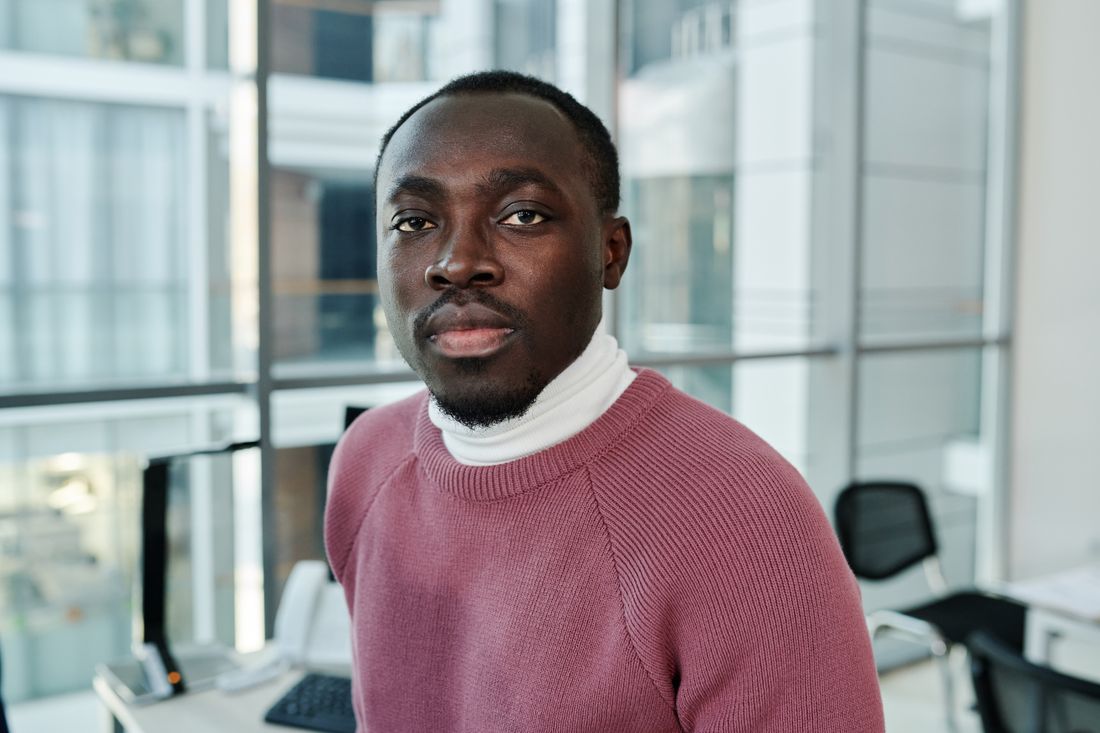
Photo by Tiger Lily via Pexels.
Why This Content Needs to Exist Before the Op-Ed Runs
A current portrait and a couple of ready clips need to exist before a press opportunity shows up, not after, because most media requests arrive with almost no lead time. A reporter or producer working on a deadline rarely has room to wait a week for a photo shoot, and the academic without something on hand loses the placement, or gets used with whatever photo the outlet finds on their own.
This mirrors the same pattern that shows up with executive press portraits generally: the request always seems to land at the worst possible moment, right as the opportunity itself is happening, which is exactly when there's no time left to produce anything new. The fix isn't reacting faster. It's having the material already sitting in a folder before anyone asks for it.
For an academic whose media appearances are still occasional, this can feel like planning for something that might not happen. But the pattern holds the same way it does for anyone doing press regularly: the first time a producer asks for a same-day headshot is usually the first time anyone realizes nothing current exists.
Keeping a Visual Library Consistent Across Years of Appearances
A public-facing academic's photos and clips need to look like they came from the same person and the same body of work even when they were shot years apart, which means keeping the background, lighting, and framing similar enough that a 2024 clip and a 2027 clip sit comfortably next to each other on the same media page or press kit.
This matters more here than it does for a one-time headshot, because the whole point of an ongoing library is that older and newer material both stay in circulation. An outlet might pull a photo from two years ago for a quick reference while a producer uses a clip from last month for a trailer. If the visual style drifts noticeably between sessions, that inconsistency becomes visible the moment two pieces of content appear side by side.
The fix is the same one that works for any recurring content library: write down the actual setup, background tone, distance, lighting approach, so a later session matches the earlier one closely enough that nobody scrolling a press page notices which year any given photo or clip came from.
How This Is Different from Covering a Talk or a Panel
Covering a lecture, panel, or symposium documents a specific event that already happened, while ongoing media content is built in a controlled sitting, independent of any one appearance, so it's ready before the next opportunity rather than a record of the last one. Both are useful, but they answer different questions.
Event coverage answers, what happened at this specific talk, and produces photos and video tied to that date, that audience, that room. It's valuable for a program page or a recap, but it isn't built to be pulled out of context later as a standalone press photo, since it usually shows the person mid-gesture, at a podium, or in a crowd shot rather than framed the way a byline photo needs to be.
Ongoing media content skips the event entirely. It's shot specifically to be reused anywhere, any outlet, any placement, without needing a caption explaining where or when it was taken. An academic doing regular press eventually needs both, but they solve different problems and shouldn't be planned as the same booking.
Who Actually Owns This: the Academic or the Institution
This kind of ongoing content usually sits with the individual academic rather than the department, since it tracks a personal media profile, not an institutional one, and a university communications office is generally set up to handle faculty directories and press releases, not a recurring personal content cadence tied to one person's op-ed schedule.
That doesn't mean a university never contributes. Some departments do support faculty who are building a public media presence, especially when it reflects well on the institution's visibility. But the ownership question is worth settling early, since a shoot planned around one person's actual media cadence looks different from one squeezed into a department's broader photo day, and paying for it out of the wrong budget can create friction neither side wanted.
Whoever owns it, the practical need is the same: a small, current, well-organized library that the academic or their team can pull from immediately when a request comes in, instead of tracking down whoever manages departmental photos and hoping something recent is on file.
Frequently Asked Questions
How often should a public-facing academic update their media portrait?
Not on a fixed schedule. A refresh makes more sense tied to a real change, a book launch, a new title, a noticeably different look, than to a set number of years, since a calendar-based reminder is easy to skip when nothing feels urgent. If someone's public appearance has drifted visibly from the photo currently in circulation, that gap is the actual trigger worth acting on.
What's the difference between a faculty headshot and ongoing media content?
A faculty headshot is a single session for a directory page, updated rarely. Ongoing media content is a small, recurring library, a current portrait plus a few short talking-head clips, built for someone whose public profile is active enough that press outlets, producers, or panel organizers request photos and video on short notice. One is a static record; the other is a working asset that needs to stay current.
What kind of video clips does an academic doing press actually need?
Short talking-head clips, roughly ten to thirty seconds, of the person speaking naturally to camera on a plain or lightly branded background. These get used for podcast trailers, social clips promoting an op-ed, or a producer's reference before a segment. They're not a full produced interview, just a ready building block that saves someone from scheduling a new shoot every time a request comes in.
Should the university or the professor pay for this kind of content?
It varies by department. This content tracks an individual's personal media profile, not an institutional one, so it usually sits with the academic rather than the university, though some departments do support faculty who are actively building a public media presence. Settling that question early matters, since a session planned around one person's actual press cadence looks different from one folded into a department's broader photo day, and it avoids friction over the wrong budget line later.
How far in advance should this content be ready before a media opportunity?
Before the opportunity exists, not after. Press requests typically arrive with little to no lead time, so a reporter or producer working on a deadline rarely has room to wait for a new photo or clip to get produced. The academics who handle these requests smoothly are the ones with a current portrait and a few ready clips already sitting in a folder, not the ones scrambling to book something same-day.
Related Reading
Working on founder content or a launch and not sure what to shoot?
Tell us where the content needs to live (site, LinkedIn, press, or a launch page) and we'll come back with the scope and a fixed price before anything gets booked.
See Personal Branding & Launches