Photo by SHVETS production via Pexels.
A New York event photographer can walk a Midtown ballroom on a Tuesday afternoon before a Saturday shoot. Ninety minutes down the corridor in Philadelphia, an hour into Fairfield County, or two and a half hours out to a tent on the East End, that Tuesday doesn't exist. The first time anyone on the crew sees the room is the morning of the event. The fix isn't hoping the space looks the way everyone imagined. It's a protocol: what to request ahead of time, who to call, and what changes about the gear list and the shot list when there's no walk-through to fall back on.
You replace the walk-through with documents and one phone call. A marked floor plan, ceiling height and color, window orientation, the AV team's lighting plan, and last year's event photos tell you nearly everything a Tuesday scout would, and unlike a scout, none of them require a travel day.
Table of Contents
- Why the Walk-Through Isn't Happening
- What to Send Ahead: The Floor Plan and the Room
- Last Year's Photos and the AV Lighting Plan
- The Venue's Own Event Photos
- The Phone Call: Four Questions Worth Asking
- What Changes on the Gear List
- Building a Shot List That Survives Surprises
- The Early Call Time, and When to Scout Anyway
Why the Walk-Through Isn't Happening
A walk-through works when the venue is a subway ride away. A Tuesday-afternoon visit before a Saturday shoot costs an afternoon. Once the venue is ninety minutes to Philadelphia, an hour into Fairfield County, or two and a half hours to the East End, a scouting trip stops making sense, and the first look at the room happens the morning of.
That's not a planning failure. It's the math of a one-day booking. A team built around traveling crews, not standing offices in every market, has no local scout to send ahead, and a dedicated site visit the week before usually costs more than the shoot justifies. The constraint stops being "get someone in the room early" and becomes "get the room's information to the crew early instead." That's solvable.
A ballroom, a tented lawn, and a pharma conference hall behave differently enough on camera that a photographer still needs specifics, not a photo of the building's exterior, but the details a scout would have noticed walking the space. The rest of this is that substitute: what to request, who to call, and what changes about the gear when the first look at the room is also the shoot.
What to Send Ahead: The Floor Plan and the Room
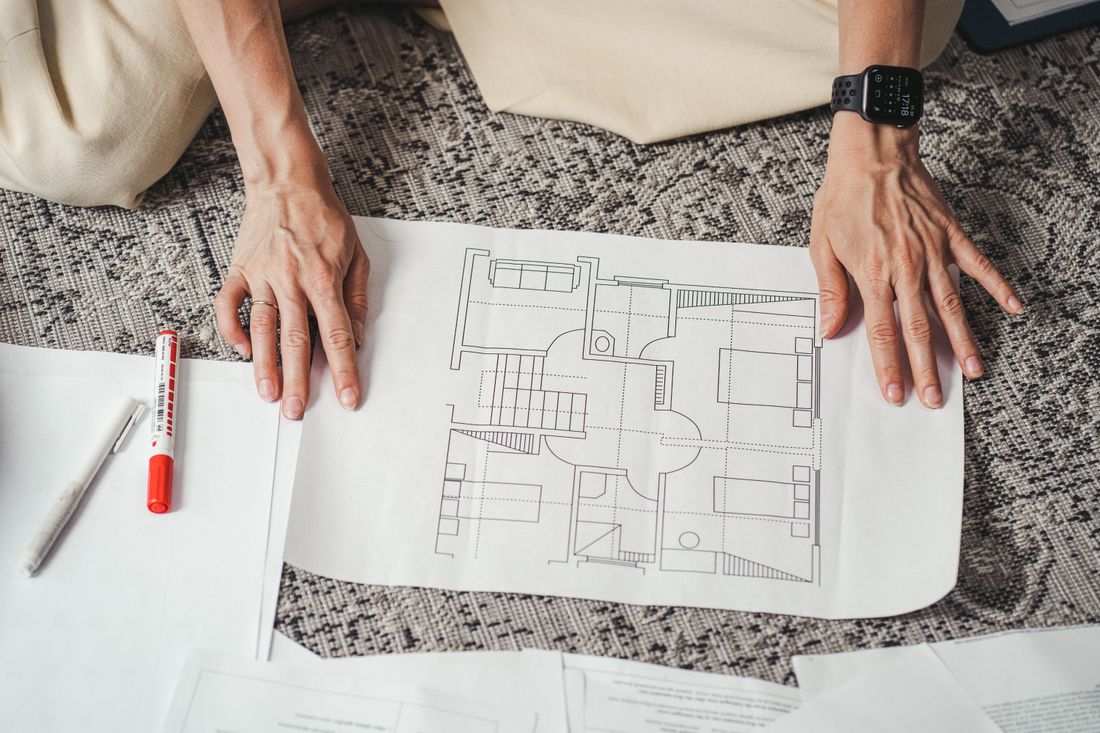
The most useful pre-shoot document is a floor plan with the head table, stage, or any raised platform marked. It tells a photographer where the formal shots will happen before anyone sees the room. Ceiling height and color, and which walls carry windows, round out the picture of how the space will actually behave on camera.
Ceiling height and finish decide whether bounce flash is even an option, a low white ceiling gives soft, even light almost for free; a high black-painted one means direct or off-camera light has to do all the work. Window orientation matters just as much: east-facing glass in a morning ceremony means fighting bright daylight, while a north-facing wall gives flat, usable light most of the day. None of this shows up in a venue's marketing copy, and it changes the plan more than any other single fact.
The floor plan itself solves a different problem, logistics, not light. Where the processional enters, where a podium sits relative to the seating, where a step-and-repeat or registration table will be: a marked plan answers all of it before the crew ever walks in, and it's usually already sitting in the venue's or planner's files.
Last Year's Photos and the AV Lighting Plan
If a client sends exactly one thing, it should be photographs from last year's event in the same room. They show the real light, the real color temperature, and the real crowd density, information no written description captures as well. The AV team's lighting plan is the next-best substitute, showing where key light, wash, and any color gel will land.
A real photo from a past event tells the truth in a way a room description can't. It shows whether uplighting is casting a color across faces that flash needs to correct for, how far light actually throws before it falls off, and how the ceiling reads once the room is full. A rendering or a marketing photo shot for the venue's own site does none of that. It's staged for the room, not for a working photographer.
Where photos from a past event don't exist, the lighting plan is the fallback. It won't show color the way a photo does, but it tells the crew whether the room will run warm or cool, whether lighting cues change through the night, and where the brightest and darkest zones will sit, enough to plan white balance before arriving.
The Venue's Own Event Photos
Most venues that regularly host events publish a photo gallery on their own site or social account, real photos from real events in that room, often labeled by season. That gallery is a free second opinion on everything the floor plan and lighting plan describe on paper: how large the room actually reads on camera, and how natural light shifts across the seasons.
It's most useful cross-referenced against the floor plan rather than read on its own. A recurring look across several posted events (the same uplighting color, the same stage position) usually means that's the room's default setup, not a one-off. A gallery photo shot in golden-hour light through the same windows the floor plan flags tells you what that window orientation actually looks like at 6pm in September, which is more useful than the compass direction alone.
This matters most when a client can't produce their own last-year photos (a new client, or the first event a planner has run in that specific room). The venue's gallery fills that gap, and it costs nothing but a search before the shoot.
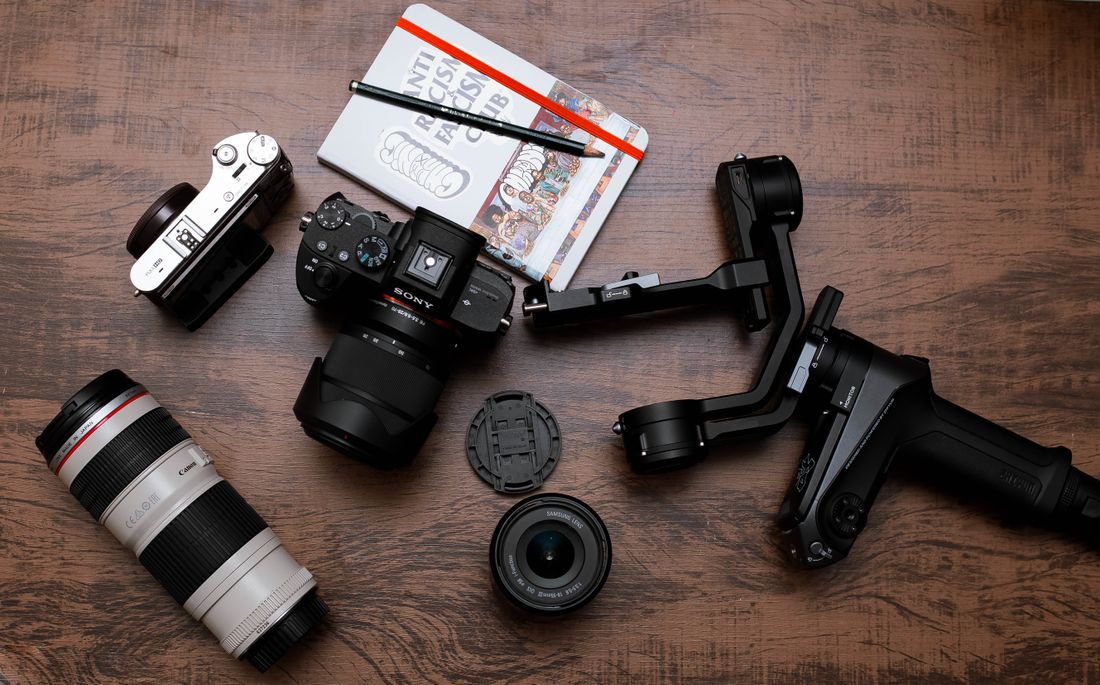
Photo by Wallace Chuck via Pexels.
The Phone Call: Four Questions Worth Asking
Documents answer what the room looks like; a short call with the venue's event manager or AV lead answers what changes on the day. The four questions worth asking: what time can the crew get in, is there a house team running lighting cues during the event, what's the backup plan if part of the event moves outdoors or to a different room, and where can gear stage without blocking guest flow.
Each answer changes the plan. Early access determines whether there's real setup time before doors, or whether the crew is working around caterers and a room still being flipped. A house AV team running cues means lighting will shift through the night in ways a static plan won't show, so it's worth knowing in advance rather than discovering it mid-toast. A weather-contingent backup (common for a tented lawn on the East End or a Fairfield County terrace) decides whether the shot list needs an indoor version ready to go.
None of this requires negotiating anything. It's a fifteen-minute call to get the operational facts a floor plan can't carry, from a person who already knows the room better than any document does.
What Changes on the Gear List
When there's no studio to run back to and no scouted answer for exactly what the room needs, the gear list shifts toward redundancy over specialization. That means two capable bodies instead of one plus a backup, lighting that works bounced or direct instead of a single dedicated modifier, and lenses covering a wider range than a scouted job would call for.
Specialized gear assumes a known room, a modifier sized for a specific ceiling height, a lens chosen because the venue's exact distances are already mapped. None of that holds when the floor plan is the best available guess rather than a confirmed layout. The kit trades a narrow, optimized setup for a broader one: batteries and cards doubled rather than padded, lighting that adapts to whatever ceiling shows up, and a lens range wide enough to cover a tight ballroom and an open tent without a mid-shoot swap.
It's a small shift in mindset more than a longer list, plan for the room you're guessing at, not the one you'd pick if you could choose. In practice, that guess is close enough most of the time to make the difference invisible in the final images.
Building a Shot List That Survives Surprises
A shot list built for an unscouted room needs two tiers: anchor shots that exist in every venue (the entrance, the stage or head table, wide crowd coverage, signage) and flexible shots described as intent rather than exact framing, so the photographer can adapt them to whatever the room offers.
Anchor shots don't change no matter what the room turns out to be. Every event has an entrance, a formal moment at a stage or head table, and a wide shot that establishes scale, those go on the list regardless of what the floor plan showed. Flexible shots are written differently on purpose: not "detail shot of the west window" but "a detail shot using whatever natural light the room offers," which stays useful even if the window turns out to face the wrong way or isn't there at all.
This is what keeps the list working when reality doesn't match the floor plan (a pipe-and-drape wall added late, a stage moved ten feet from where it was marked). A list built entirely around specifics breaks the moment one specific is wrong. A list built around intent survives the surprise and still gets the shots that matter.
The Early Call Time, and When to Scout Anyway
Without a scout, the first hour on-site does double duty: it's both setup and the scout that never happened, so the call time gets built with a real buffer before doors. That hour confirms the floor plan matches the actual room, checks whether the promised light is really there, and finds the two or three things no document could show.
This is also the honest part. A protocol built from documents and a phone call is not the same as standing in the room. It can't catch a pillar blocking a sightline the floor plan didn't note, or a stage repositioned after the plan was drawn, or a ceiling that reads warmer in person than any photo suggested. What it does instead is shrink the true unknowns down to a handful the crew can absorb in that first hour, rather than discovering all of them at once as guests arrive.
For most bookings, that's enough. It stops being enough for a genuinely complex venue (multiple rooms in play, a layout still being finalized, or a market the crew has never worked in at all). For those, a travel day the afternoon before is the right call, not a fallback.
Frequently Asked Questions
What should I send an event photographer before a shoot at a venue they haven't scouted?
Send a floor plan with the head table and stage marked, the room's ceiling height and color, which walls carry windows, the AV team's lighting plan, and (if you have them) photos from last year's event in the same room. A link to the venue's own event gallery helps too. Together, these replace most of what a photographer would notice by walking the room in person.
Can a photographer shoot a venue well without ever seeing it in person first?
In most cases, yes. A marked floor plan, real photos from a past event, the AV lighting plan, and a short call with the venue's event manager cover the specifics a walk-through would have provided. It isn't identical to standing in the room, but for a typical one-day booking it closes most of the gap. Genuinely complex or high-stakes venues are the exception worth a travel day.
What's the single most useful thing a client can send ahead of an unscouted shoot?
Photographs from last year's event in the same room, if they exist. They show the real light, the real color temperature, and how full the room looks in practice, details a written description or a marketing photo can't convey. A floor plan and lighting plan matter too, but a real photo from a real past event answers more questions in one file than anything else a client can provide.
How does the gear list change when there's no chance to scout the room first?
It shifts toward redundancy over specialization: two capable camera bodies instead of one plus a backup, lighting that works bounced or direct rather than one dedicated modifier, and a lens range wide enough to cover a tight ballroom or an open tent without swapping mid-shoot. Specialized gear assumes a known room, and an unscouted venue is a well-informed guess rather than a confirmed layout, so the kit trades a narrow, optimized setup for a broader, more adaptable one.
When does it make sense to send a photographer to scout a venue in advance anyway?
When the venue is genuinely complex (several rooms in play, a layout still being finalized close to the date, or a market the crew hasn't worked in before at all). In those cases the documents and the phone call narrow the unknowns but don't close them, and a travel day the afternoon before removes real risk from the shoot rather than adding an unnecessary step to the schedule.
Related Reading
Trying to lock down coverage for an event that's still taking shape?
Give us the rough schedule and we'll tell you whether hourly or a package actually saves you money.
See Event Coverage Packages