Photo: Core Visuals NYC
Every NYC event vendor list now has a line item called a "headshot station" or "headshot lounge" sitting a few rows below "photo booth," and most people request one without being totally sure how it's different from the other. Fair question. The two get lumped into the same "activation" budget line more often than they should, and the difference is bigger than most people expect walking in.
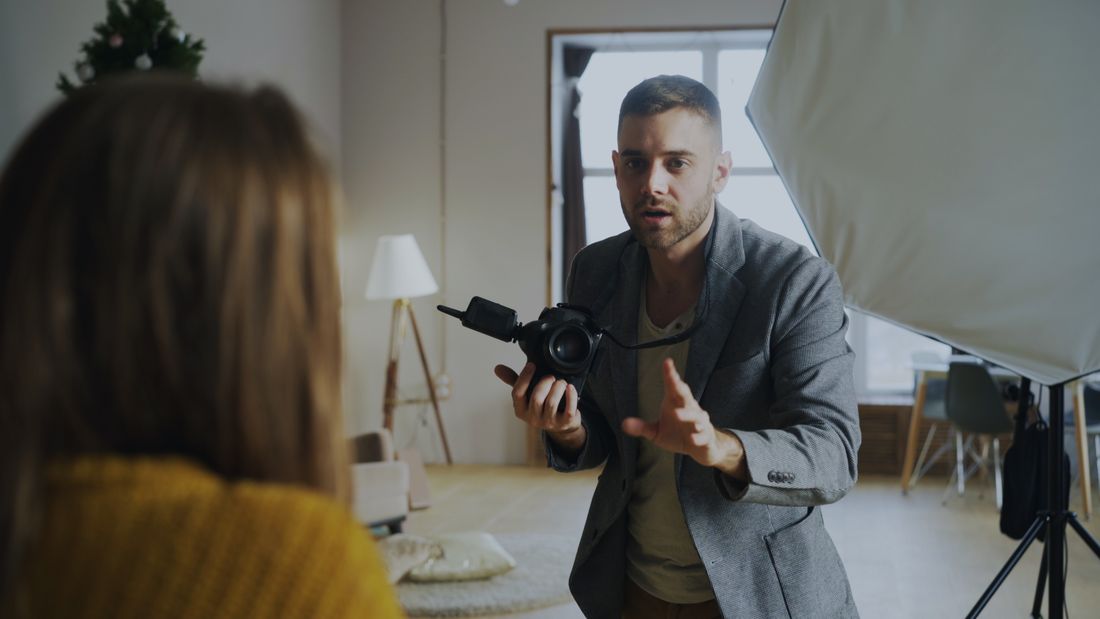
A headshot station is a staffed, on-site portrait studio: a real photographer, studio lighting, and a brand-matched backdrop, producing one retouched portrait per guest. A photo booth is a largely automated novelty setup producing prints, GIFs, or prop-based shots for fun. Different operator, different output, different category entirely.
Table of Contents
- Event Headshot Booth or Headshot Station: Same Thing, Different Word
- Why a Headshot Station Isn't a Photo Booth
- Headshot Station vs. Photo Booth, Side by Side
- What's Actually Inside a Headshot Lounge Setup
- Why Guests Actually Queue for an Event Headshot Booth
- What the Organizer Gets Beyond the Portraits
- Booking an On-Site Headshot Station for a Corporate Event
Event Headshot Booth or Headshot Station: Same Thing, Different Word
An event headshot booth and a headshot station are the same service under two different names, and most people searching for one are actually picturing the other. Both describe a staffed, on-site portrait setup: a real photographer, studio lighting, a backdrop, producing one retouched portrait per guest while an event runs around it. "Booth" borrows the familiar shape of a photo booth rental; "station" and "lounge" are the newer words vendors have started using to signal something closer to an actual studio session.
None of that changes what shows up when you book it. Whether the listing says headshot booth, headshot station, or headshot lounge, expect the same physical setup: a photographer directing poses, a brand-matched backdrop, and images good enough to use on LinkedIn the same week. The word that found this page matters less than confirming a real photographer is actually running it, which the next few sections cover.
What genuinely differs, and differs a lot, is the comparison this post is actually about: a headshot station (call it a booth if that's the word you searched) against an actual photo booth, the kind that prints strips and GIFs. That's a real category difference, not a naming one, and it's worth understanding before either line item goes on an event budget.
Why a Headshot Station Isn't a Photo Booth
A headshot station isn't a photo booth because a real photographer runs it, not a machine or a rented attendant, and the output is a single retouched portrait meant for LinkedIn or a company directory, not a strip of novelty prints, a GIF, or a prop-filled group shot. That distinction is what separates a professional event headshot booth from a party rental with a camera in it.
A photo booth is a machine, or close to it: a camera on a timer, sometimes an attendant swapping props, producing a strip of shots meant to be funny for a night and then forgotten in a drawer. A headshot station replaces the machine with a person, someone posing each guest, checking the light, and choosing retouching notes case by case, the same as a paid studio session.
That operator difference changes the category the whole thing sits in. A photo booth reads as an amenity, priced and treated like party rental. A headshot station reads as a professional activation, because the person running it and the image coming out the other end both belong to a real photography practice, not a novelty vendor's equipment list.
Headshot Station vs. Photo Booth, Side by Side
Laid out side by side, the two categories stop looking like variations on the same idea. Here's what actually differs on the ground at an event, from who runs it to what a guest walks away with.
| What you're comparing | Headshot Station | Photo Booth |
|---|---|---|
| Who runs it | A real photographer, directing each guest's pose | An automated camera, sometimes with a prop attendant |
| What guests walk away with | One retouched portrait for LinkedIn or a directory | A novelty print, GIF, or prop-filled group shot |
| Throughput | Roughly 12 guests an hour with individual direction | Faster per shot, but built for groups, not solo portraits |
| Lead capture | Contact list included, since guests give an email to receive the portrait | Not typically included, prints are handed over on the spot |
| NYC pricing (Core Visuals) | From $2,500 for a 3-hour half day, up to $8,000-plus for multi-day trade show coverage | Priced separately by photo booth vendors, not a Core Visuals service |
The pricing row is the one people skip past and shouldn't. A photo booth often looks cheaper walking in, but it isn't solving the same problem: a headshot station bundles a portrait session and a lead capture tool into one line item, and the price reflects a photographer's time, not a machine rental.
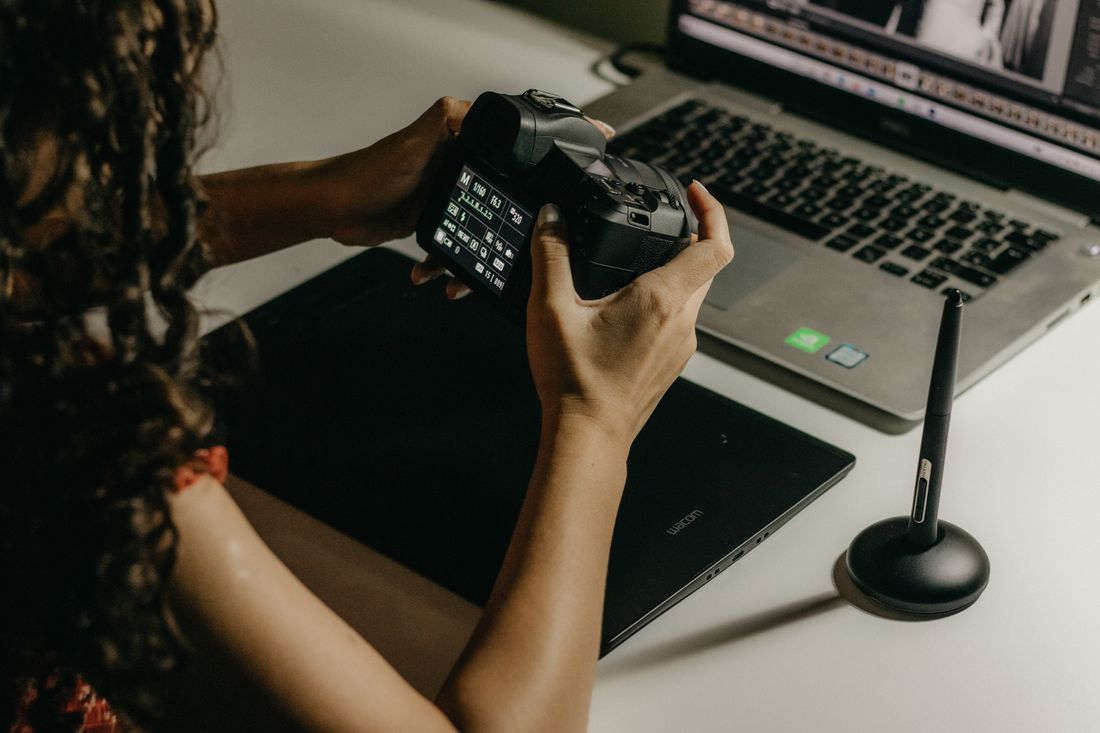
Photo: Core Visuals NYC
What's Actually Inside a Headshot Lounge Setup
A headshot lounge set up for on-site headshots at a corporate event includes a full lighting rig, a backdrop matched to the host company's brand colors, a photographer directing each pose, and a laptop tethered to the camera so guests can see their shot and pick the one that gets retouched, the same equipment and workflow as a paid studio session, just built to travel.
The tethered laptop matters more than it sounds. Instead of trusting a stranger to press the shutter once and hope, guests see the frame on screen within seconds and choose which one gets sent to retouching. At very high volume, or where a venue can't support a tethering setup, that step sometimes moves to a private online gallery guests review right after the event instead, but the review step itself doesn't disappear.
The whole footprint is compact: roughly 10 by 10 feet against a wall near foot traffic, one outlet for lighting, and a laptop. It sets up in under 45 minutes and tears down in about half that, which is why it works as a corner of an existing event rather than a separate production.
Why Guests Actually Queue for an Event Headshot Booth
Guests queue for an event headshot booth because the output is something they'll actually use, a current portrait for LinkedIn, a company bio page, or a conference badge, while a photo booth strip gets a laugh, a phone photo, and gets thrown away by the end of the night.
Most people's LinkedIn photo is years old, taken by a friend on a phone, or missing entirely. A free, professional portrait solves a problem guests already have, which is a very different pull than a novelty prop. That's also why the line forms on its own, nobody has to be talked into wanting a better headshot the way they might need convincing to try on a feather boa for a photo strip.
In practice, exhibitors and organizers running both a photo booth and a headshot station at the same event tend to see a steadier line at the station, because the value is obvious at a glance and doesn't depend on a group of friends deciding to go together. One person can queue alone for a headshot. A photo booth mostly can't.
What the Organizer Gets Beyond the Portraits
An organizer booking a headshot station gets every retouched image from the event with full commercial usage rights, a queue that holds attention at a booth or activation for the entire run, and a contact list of everyone who sat down for a portrait, included in the package rather than sold separately.
That contact list is the part a photo booth simply can't offer. Sitting for a portrait requires giving an email address to receive it, which turns a fun five minutes into a legitimate, opt-in lead capture moment, something no novelty prop can replicate, since nobody needs contact info to get a silly photo strip printed.
The images keep working after the event too. A branded backdrop or logo treatment can be applied to every delivered file for an extra $750, so a portrait a guest posts to LinkedIn weeks later still carries the event or company's presence with it. A photo booth strip, by contrast, is usually forgotten the moment the paper curls.
Booking an On-Site Headshot Station for a Corporate Event
Trade show exhibitors, conference organizers, and companies running holiday parties, all-hands, or brand activations are the three groups who book on-site headshots at corporate events most, each for a slightly different reason: booth traffic and lead volume, a genuinely wanted attendee perk, or solving the quiet problem of half a team still using a headshot from years ago.
Core Visuals prices a headshot station by time on-site, not by headcount. A half day runs $2,500 for 3 hours and up to 35 guests, a full day is $4,500 for 6 hours and up to 75 guests, and multi-day or multi-station trade show coverage starts from $8,000 for 150-plus guests. Every tier includes the photographer, studio setup, backdrop, retouching, online delivery, the contact list, and full commercial usage rights.
Add-ons cover what actually comes up on real event days: hair and makeup touch-ups for $1,350, a second photographer and station for $2,500 to roughly double capacity without doubling the line, and same-day delivery to guests while the event is still running for $650. For the cost-per-lead math behind these numbers, see what a headshot station at your booth actually returns.
Frequently Asked Questions
How much does an event headshot booth cost for a corporate event in NYC?
Core Visuals prices it by time on-site rather than per person. A half day runs $2,500 for 3 hours and up to 35 guests, a full day is $4,500 for 6 hours and up to 75 guests, and multi-day trade show coverage starts from $8,000 for 150-plus guests. Every tier includes the photographer, studio setup, backdrop, retouching, online delivery, and full commercial usage rights on the images, not just the portraits themselves.
How many guests can a headshot station handle in a few hours?
Comfortably around 12 guests an hour with real individual direction, a planning figure rather than a hard cap since actual pace depends on the room's flow and how many guests arrive at once during a busy stretch. A 3-hour half-day booking is built around up to 35 guests, and a 6-hour full day around up to 75 guests. A second station and photographer roughly doubles capacity without doubling the wait.
Related Reading
Planning a headshot station for an upcoming event or trade show?
Give us the format, booth, conference, or company event, and we'll work out the throughput and the price before you commit.
See the Headshot Station