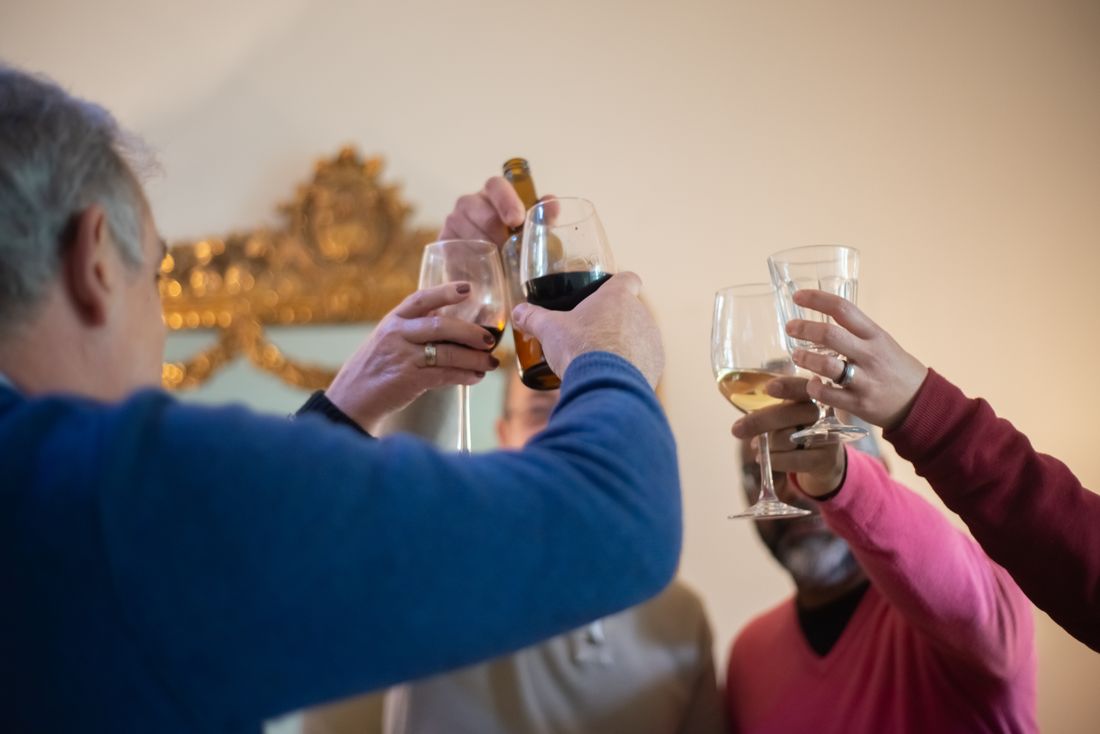
Photo by Kampus Production via Pexels.
Every other event a production company hires us for is about someone else's story (a client's launch, a brand's anniversary, a conference the company is only sponsoring). A wrap party is the one night the story is the production itself, and the crew that spent months pointing a camera at other people finally gets to be in front of one.
A wrap party is its own deliverable, not a themed office party. Coverage should prioritize crew candids, the closing toast, and behind-the-scenes callbacks to the shoot itself, because the footage usually serves several purposes afterward: recruiting, the production company's own reel, cast and crew keepsakes, and the client's wrap package.
Table of Contents
- What Makes a Wrap Party a Different Coverage Job
- Crew Candids: The One Night the Crew Is In Front of the Camera
- Covering the Closing Toast and Wrap Speeches
- Behind-the-Scenes Callbacks to the Production Itself
- How Wrap Footage Becomes Recruiting Content
- Building the Production Company's Own Reel from Wrap Night
- Cast and Crew Keepsakes: The Personal Deliverable
- The Client's Wrap Package: What Actually Gets Delivered
What Makes a Wrap Party a Different Coverage Job
A wrap party isn't a themed office party that happens to involve a production company. It's the closing scene of a shoot that ran for weeks or months, and the people in the room built everything the client is about to see. Treating it like a generic corporate mixer misses what actually makes the night worth documenting.
The difference shows up in who's in the frame. At a typical corporate event, the people being photographed are the audience (clients, executives, guests watching the entertainment). At a wrap party, the audience and the subject are the same group: the director, the gaffer, the sound mixer, the production assistant who's been running coffee since day one. They've spent the entire shoot pointing a camera at someone else. This is usually the only night that camera turns around.
We treat wrap coverage as documentation of a production's own ending, not a stock "team celebration" package. That means paying attention to who worked with whom, which departments barely crossed paths until tonight, and what the room actually looked like once the job that brought everyone together was genuinely over.
Crew Candids: The One Night the Crew Is In Front of the Camera
Crew candids matter at a wrap party because they capture people who are almost never photographed on the job. They're the ones who spend every shoot day facing the other direction. Getting real, unposed moments of a gaffer laughing or an AC finally sitting down is the whole point of covering this specific night.
On a normal shoot day, the crew's job is to stay out of frame. The AC pulls focus, the boom operator holds position just outside the shot, the PA is somewhere off to the side with a walkie. None of them expect to be the subject, and most aren't used to it. That unfamiliarity is actually useful. It tends to produce more honest reactions than a room full of people who pose for cameras professionally.
We prioritize candid, working coverage over posed group shots at this kind of event: people mid-conversation, someone genuinely caught off guard by a toast, a small cluster from the same department finally off the clock together. A formal group photo still has a place near the end of the night, but it isn't what separates a wrap party from any other party.
Covering the Closing Toast and Wrap Speeches
The closing toast is the one moment of the night guaranteed to matter later, because it's often the only point where someone stands up and says out loud what the production actually was. Missing it on camera is the biggest mistake at a wrap party. Everything else can be caught on the fly, but a toast only happens once.
Toasts at wrap parties tend to run differently than at a typical corporate event. They're shorter, less scripted, and more likely to reference specific in-jokes from the shoot that only land with people who were there (a location that flooded, a scene that took eleven takes, a producer who kept everyone fed). None of that context needs to make it into a caption. It needs to be visible on the faces of the people who get the joke.
In practice, that means positioning for reaction shots as much as the speaker, staying on someone mid-laugh or mid-eye-roll rather than only the person holding the glass, and treating the toast as a scene with more than one subject, because on a shoot like this, it always is.
Behind-the-Scenes Callbacks to the Production Itself
Behind-the-scenes callbacks are small visual details that tie the wrap party back to the shoot it's closing out (a call sheet taped to a wall, a slate signed by the crew, a prop from the last scene set out on a table). They're worth watching for because they're what separates wrap coverage from a generic party gallery.
These details are usually informal and easy to miss if you're only looking for the obvious moments (the toast, the cake, the group photo). A production that wraps often brings a piece of itself into the party without planning to: someone keeps the clapperboard from the final take, a printed call sheet gets passed around and signed like a yearbook, a wardrobe piece ends up on a hanger in the corner of the room. None of it is staged. It's just what happens when a group of people spend months inside a shared project and then, on the last night, stand around in the same room as themselves.
We watch for that kind of detail specifically, because it's what makes a wrap gallery read as this production's wrap party and not an interchangeable office party with catering.
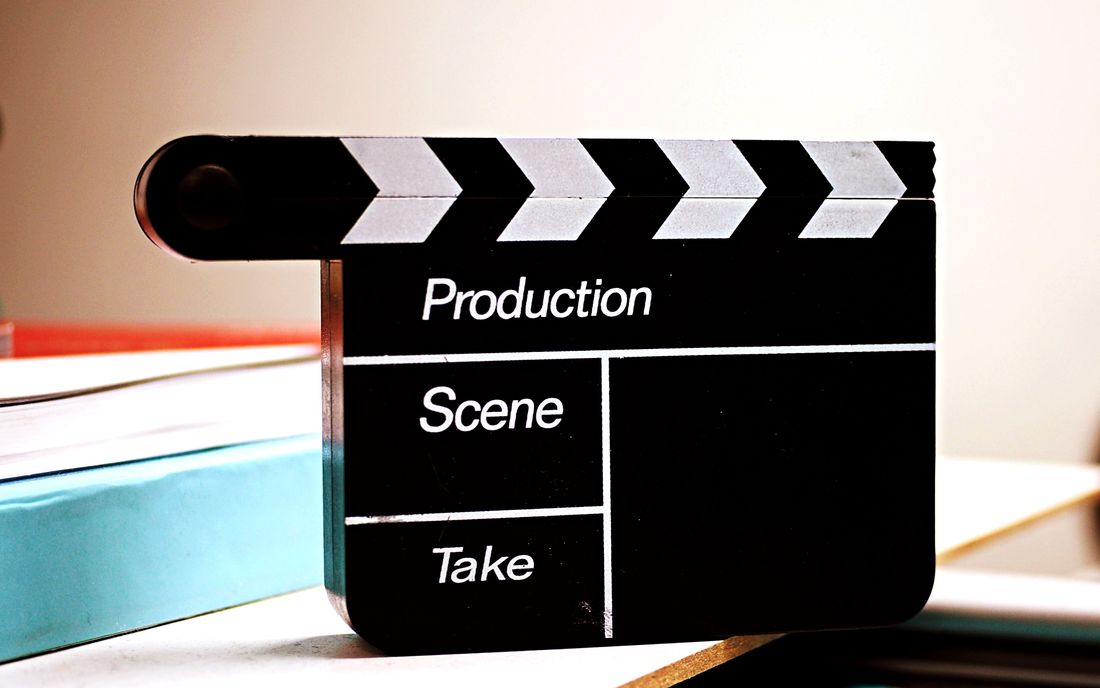
Photo by Obregonia D. Toretto via Pexels.
How Wrap Footage Becomes Recruiting Content
Wrap footage becomes recruiting content because it's some of the only honest evidence of what it's actually like to work on a given production company's sets, not a stock photo of a smiling office, but real footage of the specific crew a prospective hire would be joining. That makes it useful well past the night it was shot.
Production companies hiring crew are competing for people who already have other offers, and a job posting alone doesn't show much about the working culture. A short cut of genuine crew candids (people who clearly know each other, clearly like each other, and are visibly glad the shoot is over) tells a more convincing story than a paragraph about "collaborative environment." It's evidence, not a claim.
This is one reason wrap coverage shouldn't be treated as a throwaway event. The same footage that documents one production's closing night can end up on a careers page, in a recruiting deck, or in outreach to a department the company wants to grow, long after everyone in frame has moved on to the next job.
Building the Production Company's Own Reel from Wrap Night
A production company's own reel benefits from wrap night footage because it's proof of the company beyond any single client project. The wrap party shows a team that finishes what it starts, works well together, and has a track record worth celebrating. That's a different kind of asset than another client's finished video.
Nearly every other piece of footage a production company owns technically belongs to a client's story. Wrap night footage is the rare exception: it belongs to the production company itself, showing its own culture, its own crew relationships, its own history of shows that got made. Stitched into a reel or a "who we are" page, it does something a highlight reel of client work can't. It puts several real faces on the company doing the work.
We treat this as a real deliverable category, not an afterthought tacked onto event coverage. A production company that keeps its wrap footage organized by project ends up with a growing archive it can pull from for years, well past any one production's release date.
Cast and Crew Keepsakes: The Personal Deliverable
Cast and crew keepsakes are the photos and short clips each person on a production wants for themselves, not the company's marketing footage, but an image of them and the people they worked with on this job. They matter because they're often the only personal record anyone on set gets of a production that took months of their life.
Most crew members don't own footage from their own work. A DP might keep reels of finished projects, but rarely a candid photo of the sound department mid-shift or the whole crew together on the last night. A wrap party is usually the first and only chance to give people something personal: a portrait, a group shot with their specific department, a candid moment they'll actually want to keep and share.
We think about this as a separate goal from the production company's own marketing needs, even though the same night generates both. A gallery built only for company use will skip the shots crew members would actually want, and a gallery built only for keepsakes will miss what the company needs later. Wrap coverage should plan for both from the start.
The Client's Wrap Package: What Actually Gets Delivered
A wrap package is the finished set of photos and video handed back to the production company or the client who commissioned the shoot, organized so it's usable without anyone digging through raw files first (a curated gallery, a short highlight cut, and clearly labeled assets by category: crew candids, the toast, group shots, BTS callbacks).
What goes into that package should be decided before the party starts, not sorted out afterward. A production company that wants recruiting content needs different shot priorities than one that mainly wants a keepsake gallery for cast and crew, and both differ from a client who just wants documentation that the wrap happened. Naming those priorities in advance changes what gets shot, not just what gets delivered later.
We deliver wrap coverage the same way we deliver any other event job: a real turnaround window, organized folders instead of one long dump of files, and a highlight edit that can go straight into a recap email or a recruiting page without anyone having to re-cut it first. The wrap party is the last day of the production. The deliverable shouldn't feel like an afterthought.
Frequently Asked Questions
How is wrap party photography different from regular corporate event photography?
The biggest difference is the subject. At most corporate events, the audience is the guest list; at a wrap party, the guests are the crew who spent the shoot pointing a camera at someone else. Coverage should prioritize candid crew moments, the closing toast, and behind-the-scenes callbacks to the production, not the posed shots that work for a standard office party. The footage also tends to serve more purposes afterward: recruiting, an internal reel, and personal keepsakes.
What should be captured at a production wrap party?
Priority moments are candid crew interactions, the closing toast or wrap speech, and behind-the-scenes details that tie the party back to the shoot (a signed slate, a call sheet, a prop from the final scene). Formal group photos still have a place, usually near the end of the night, but they shouldn't be the main coverage. The goal is documenting a specific production's ending, not a generic office party with catering.
Can wrap party footage be used for recruiting?
Yes, and it's one of the more useful applications. A short cut of genuine crew candids shows what it's actually like to work with a specific team (people who know each other, work well together, and are visibly glad to have finished the job). That reads as more credible to a prospective hire than a job posting's description of company culture, because it's evidence instead of a claim.
Who owns the video and photos from a wrap party?
That depends on how the shoot was contracted, and it's worth confirming before the event rather than after. Some production companies keep wrap footage in-house for recruiting and their own reel; others fold it into the client's wrap package alongside the finished project. Either way, cast and crew keepsakes are usually a separate, smaller deliverable worth planning for regardless of who owns the broader footage.
How far in advance should a wrap party be booked for coverage?
As early as the production schedule allows, since wrap dates shift with shooting schedules more than almost any other event type. Booking early also gives time to decide what the footage needs to accomplish (recruiting content, a company reel, client keepsakes, or all three), which changes what gets prioritized on the night itself. A wrap date confirmed only a week out limits scheduling options and prep time alike.
Related Reading
Not sure if hourly or a package makes more sense for your event?
Tell us the expected length, and we'll run the actual numbers before you book.
See Event Coverage Packages