Photo by Team Picsfast via Pexels.
Every restaurant that books a photo shoot asks the same question before they ask about the shot list: does this mean closing? For a business that survives on covers, closing for even part of a day is a real cost, and it's rarely necessary. A full restaurant shoot covering food, drinks, the room, and the team usually fits into the rhythm the kitchen already runs on: a window before open, a lull between meal periods, or a slower shift if one exists. What changes is the plan. Core Visuals books restaurant photography around service specifically because the scheduling, more than the camera work, is what decides whether a shoot day goes smoothly.
A restaurant shoot works around live service, not through a closure, by using one of three real windows (before opening, between meal periods, or a slower shift) and building the shot list, kitchen labor, and duplicate plates around whichever window fits, so the room's natural light and the kitchen's real rhythm stay the priority.
Table of Contents
- The Real Windows for Shooting a Restaurant Without Closing
- What Each Shoot Window Costs You in Light and Kitchen Time
- Why Natural Light Dictates the Schedule More Than Anything Else
- Shooting the Room Empty vs. With Guests, and the Consent Question
- Staying Out of the Pass and the Server Path
- How Much Kitchen Labor a Shoot Actually Consumes
- Prepping Duplicate Plates So Service Never Stops for a Photo
- Sequencing a Shoot Day Around What Spoils First
The Real Windows for Shooting a Restaurant Without Closing
A restaurant shoot fits inside three realistic windows without shutting the dining room: before the doors open while the kitchen preps, the quiet gap between lunch and dinner service, or a slower shift if the operation has one. Each window trades something different in light, kitchen availability, and how much of the room is actually free to shoot in.
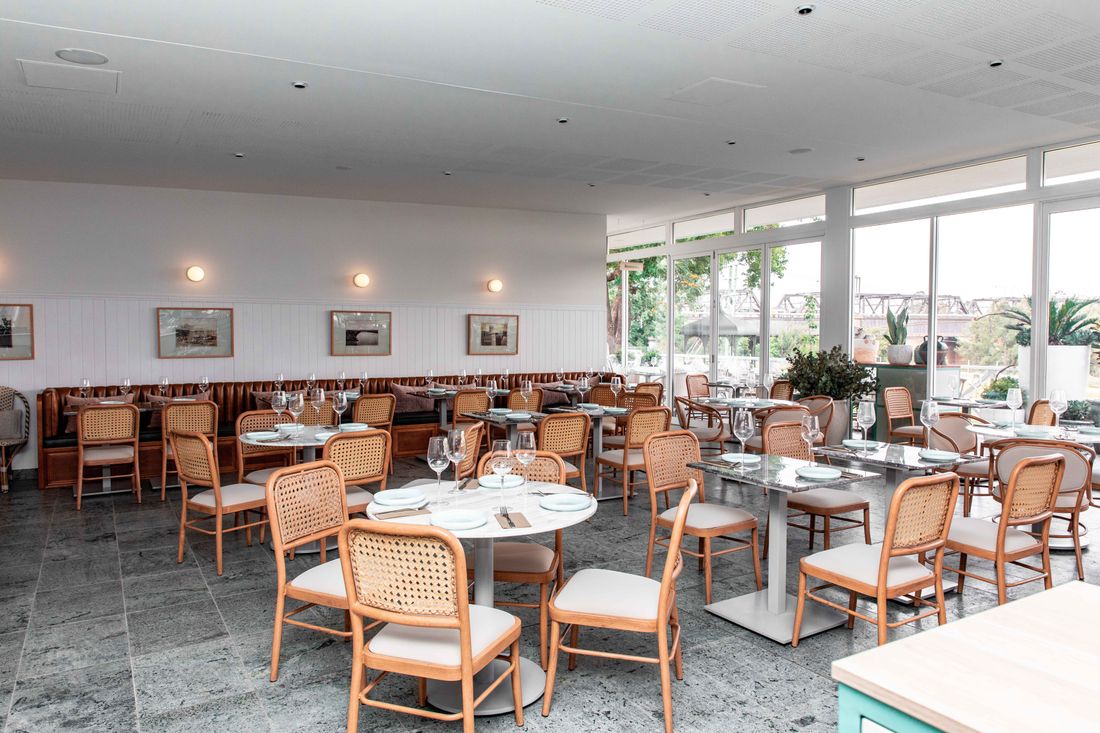
Before-open is the window most restaurants default to, since the room is empty and the kitchen is already there prepping for the day. The tradeoff is light. Early daylight through a restaurant's windows rarely matches the mood the same room has at dinner, so a strictly before-open shoot often needs supplemental lighting to approximate the evening feel guests actually see.
The lunch-to-dinner gap keeps the shoot closer to the restaurant's real character, since afternoon light is closer to what a guest experiences, but it asks kitchen staff to break from prep and can interrupt family meal or setup for the dinner rush. A dark day, where one exists, removes the time pressure entirely, but it's rare in a business that survives on covers.
What Each Shoot Window Costs You in Light and Kitchen Time
Every shoot window has a real cost, and it's rarely just time on a calendar. A before-open slot costs light quality and often the room's evening atmosphere; the lunch-to-dinner gap costs kitchen focus during prep; a dark day costs the operator revenue they'd otherwise be making. Naming the actual cost upfront, instead of treating the window as free, keeps the schedule honest.
Light is the least negotiable of the three. A dining room built to glow at 7pm under sconces and candles looks flat and administrative in 9am daylight, and no amount of retouching fully substitutes for the room actually looking like itself. If the interior shots need to read as evening, the schedule has to bend toward simulating that hour, through timing or lighting brought in for the day.
Kitchen time is the cost operators most often underestimate. Even a before-open slot pulls a cook or two away from mise en place to plate dishes for camera, and a mid-afternoon shoot competes directly with that night's prep. Treating kitchen labor as a real line item in the plan, not a free extra the staff absorbs, keeps a shoot from quietly running the kitchen behind for service.
Why Natural Light Dictates the Schedule More Than Anything Else
Natural light decides the shoot schedule before staffing or menu logistics get a vote, because a dining room's mood, the way a plated dish reads, and whether the space looks inviting or clinical all change hour to hour with the sun. Building the day around when the light is right, then fitting kitchen and service logistics around that, produces better images than the reverse.
Most restaurant interiors are designed around how they look at the hour they're actually busiest, which for a dinner spot is evening and for a coffee counter or lunch room is midday. Shooting outside that window means either accepting a room that photographs differently than a guest experiences it, or bringing in lighting that approximates the missing hour, which adds cost and setup time most before-open slots don't have room for.
Window-facing tables and any exterior shots compound this further, since direct sun creates harsh shadows a dining room rarely deals with during real service hours. Scheduling around light usually means shooting interiors and room shots earlier in a window and saving anything near a bright window for the narrower slice of time once the sun has moved past direct exposure.
Shooting the Room Empty vs. With Guests, and the Consent Question
An empty dining room is simpler to shoot and needs no one's permission, while a room with real guests in it can look more alive but raises a consent question the moment anyone is recognizable in frame. Deciding which one a shoot needs, and getting real consent if guests are included, has to happen before the day, not during it.
An empty room lets a crew work at its own pace, reset a table, and shoot the same angle more than once without worrying about a guest's face ending up in a marketing photo without their knowledge. Most menu, plate, and interior work is genuinely better shot this way, since the food and the room are the subject, not the crowd around them.
Guests in frame add energy a staged room can't fake, but any guest who's identifiable needs to actually agree to being photographed for the restaurant's use, not just tolerate a photographer being present nearby. That's a real operational step (a signed release or a clear verbal opt-in) and it belongs to the operator's own policy, not something a shoot can improvise on the day.
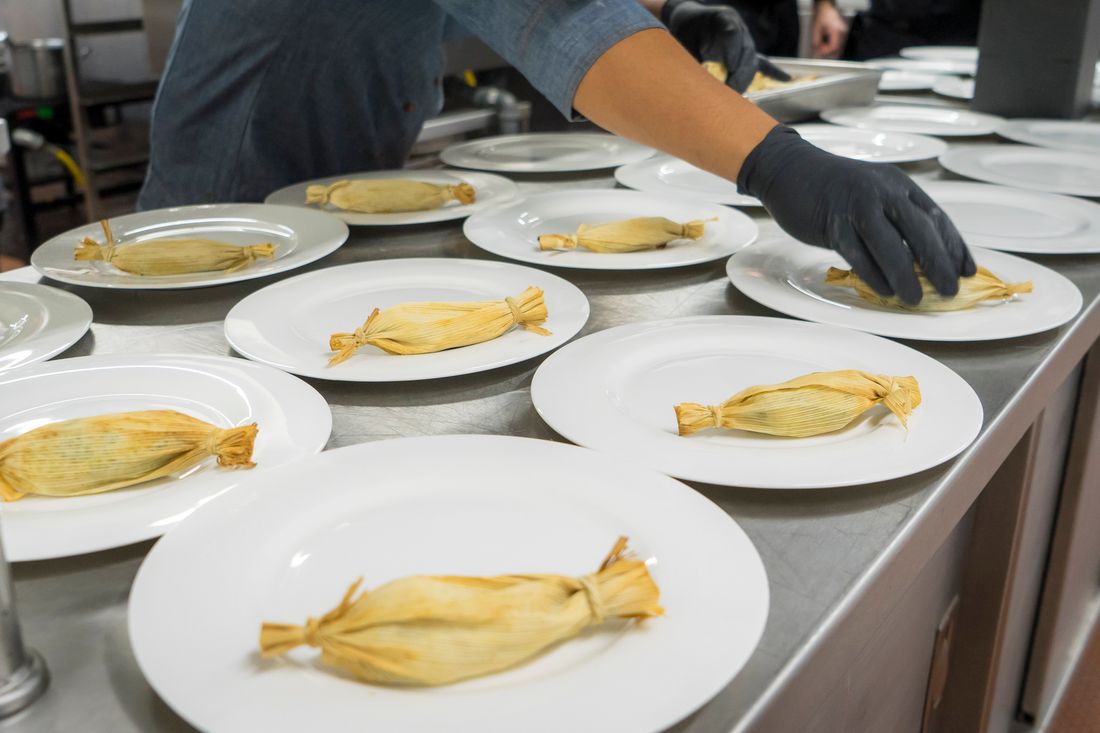
Photo by Luis Becerra Fotógrafo via Pexels.
Staying Out of the Pass and the Server Path
Shooting during any part of live service means staying physically out of two places no matter what: the pass, where the kitchen calls and expedites every ticket, and the path servers use to move between the kitchen and the floor. A crew that blocks either one slows the actual restaurant down, which defeats the point of shooting around service instead of closing for it.
The pass is the tightest choke point in most kitchens. It's narrow by design, and a photographer standing there to catch a plate the moment it's finished creates exactly the friction a shoot is supposed to avoid. Shooting a finished plate a few feet away, on a nearby prep surface or a dedicated stand, gets the same photo without anyone stepping around a camera mid-ticket.
Server paths are less obvious but just as disruptive. A crew member lingering in a doorway or a narrow aisle turns a normal walk from kitchen to table into an obstacle course during a real rush. Walking the space with the manager beforehand to mark the actual traffic lines, not just the convenient ones, is what keeps a shoot from becoming the thing that slows a table's food down.
How Much Kitchen Labor a Shoot Actually Consumes
A restaurant shoot pulls real kitchen labor even when it's scheduled around service. Someone has to plate each dish, often more than once, while everything else on the prep list waits. Treating that labor as a cost the shoot adds, not a favor the kitchen does for free, is what keeps the day realistic for the operator.
Plating for camera takes longer than plating for a ticket, since a dish gets checked, adjusted, and sometimes replated for a better angle or a garnish that shifted on the way from the pass. A cook doing that work isn't doing anything else during that stretch, which is a real opportunity cost on a day that still has dinner prep waiting.
The honest move is asking the kitchen how many dishes and how much cook time the shoot can actually absorb before drafting a shot list, rather than building the list first and hoping the kitchen finds the time. A list built around real kitchen bandwidth gets executed calmly; a list built around ideal menu coverage usually gets rushed through its last third.
Prepping Duplicate Plates So Service Never Stops for a Photo
Duplicate plates (a second, sometimes third version of the same dish, plated fresh specifically for camera) are what let a shoot happen without ever pulling a plate destined for a real table. Preparing them ahead of the shoot, not improvising them in the moment, is what keeps the kitchen's actual service rhythm untouched.
Grabbing a plate off the pass mid-service solves the photo once and creates a new problem: a guest now waiting on food that just got detoured for a camera. A duplicate made from the same ingredients, plated the same way on the kitchen's own timeline, removes that entirely, and it also gives the shoot room to adjust an angle or wait for better light without a real order sitting under a heat lamp getting cold.
The tradeoff is food cost and kitchen time on top of a normal prep day, worth naming honestly in the plan rather than treating duplicate plates as a free extra. A shot list that specifies which dishes need duplicates, and how many, lets the kitchen prep those portions in advance instead of reacting dish by dish once the shoot is already underway.
Sequencing a Shoot Day Around What Spoils First
A restaurant shoot day works best sequenced by what degrades fastest, not by convenience or room layout: anything frozen goes first, hot food and anything with steam or a sear goes right after plating, cold apps and salads hold up with more patience, and room or detail shots go last, since a table and a wall don't wilt.
Garnish is the detail that gets missed most. A sprig of herb or a delicate element that looked perfect at plating can visibly droop within minutes under shoot lighting, which often runs hotter and longer than a normal pass light. Shooting the most fragile element of any given dish first, before moving to broader angles, protects the shot that actually needed the freshest version.
Room and interior shots belong at the edges of the day on purpose (early before guests arrive, or late once the perishable work is finished) since neither the light on an empty room nor a table setting is racing a clock the way a plated dish is. That sequencing is what keeps a full day's shot list from turning into a scramble in the last hour.
Frequently Asked Questions
Can a restaurant get photographed without closing for the day?
Yes, most restaurant shoots happen inside real service windows rather than a closure: before the doors open, in the gap between lunch and dinner, or on a slower shift if one exists. Each window trades something different in light quality, kitchen availability, and how much of the room is usable at once. Planning around the window that fits the shot list, instead of forcing a closure, is how most restaurants handle a full shoot without losing a service period.
Does the kitchen have to stop cooking during a shoot?
No, but a shoot does pull real kitchen labor even when it's scheduled around service. Plating dishes for camera, sometimes replating for a better angle, takes a cook away from other prep for that stretch. The workable approach treats that labor as a planned cost, agreeing with the kitchen beforehand on how many dishes and how much time the shoot can realistically absorb, rather than improvising the request once the crew has already arrived.
Is it okay to photograph guests in the dining room during service?
Only with real consent, not just their presence in the room. An empty dining room avoids the question entirely and covers most food, plate, and interior needs on its own. If guests are included because the shoot wants a livelier room, anyone identifiable needs to actually agree to appear in the restaurant's photos, through a clear release or verbal opt-in, decided as policy before the shoot day rather than improvised in the moment.
Why do restaurant shoots use duplicate plates instead of real orders?
Pulling a plate destined for an actual table solves one photo and creates a new problem: a guest now waiting on delayed food. A duplicate plate, made from the same ingredients on the kitchen's own timeline, lets the crew shoot at its own pace, adjust an angle, or wait for better light without touching a real order. It costs extra food and kitchen time, which belongs in the shoot's plan rather than treated as a free extra.
What time of day is best for photographing a restaurant?
It depends on what's being shot, but light quality usually sets the order more than convenience does. Frozen and hot dishes get shot right after plating since they degrade fastest, cold items allow more patience, and interior or room shots work best early before guests arrive or late once the food work is finished. Matching the schedule to what the dining room actually looks like at its busiest hour matters as much as timing around service.
Related Reading
Planning a shoot for your restaurant, bar, or drink brand?
Tell us what's on the menu and where the images need to run (site, delivery listings, social, or press) and we'll build the shot list around that before anyone fires up the kitchen.
Ask About Your Shoot