
Photo: Core Visuals NYC
A leadership announcement is one of the few pieces of company content with a publication date set before the content exists. The press release is drafted, the date is locked, and the person the whole thing is about often hasn't started the job yet, hasn't relocated, or isn't allowed to be seen with the company until the news is public. That's not a scheduling inconvenience. It's the actual production problem.
A leadership announcement needs four specific assets ready by publication day: a press-usable portrait at more than one crop, a headshot matching the existing team's visual system, a short intro video, and content the new executive can post under their own name. Most companies plan for one asset and improvise the rest once the date is set.
Table of Contents
- The Content Set a Leadership Announcement Actually Consumes
- Why the Content Window Is Narrower Than It Looks
- The Scheduling Problem: Shooting Before Someone Has Actually Started
- Working Around Confidentiality Before the News Is Public
- Why the Portrait Has Two Jobs That Pull Against Each Other
- What Press Files Need vs. What Internal Comms Needs
- The Internal Audience Companies Forget to Shoot For
- What to Do When There's No Time to Shoot Before the Date
The Content Set a Leadership Announcement Actually Consumes
A leadership announcement needs four specific assets ready by publication day: a press-usable portrait at more than one crop, a headshot that matches the existing team's visual system, a short intro or first-message video, and content the new executive can post under their own name. Most companies plan for one asset and improvise the rest once the date is set.
The portrait is the one everyone remembers to book. The other three get discovered as gaps, usually a few days before the announcement goes out, when someone on the comms side asks for a video to put on the intranet or a version of the photo the executive can use on their own LinkedIn without it looking like it was lifted from a press kit. Each of these has a different job and a different file spec, and none of them are optional extras layered onto the portrait. They're the actual deliverable set a launch of this size consumes, and treating the portrait as the whole assignment is how the other three end up produced in a rush, or not produced at all.
Why the Content Window Is Narrower Than It Looks
A leadership announcement has a fixed publication date set months in advance by legal, board, or comms timelines, while the content that has to exist by that date usually gets planned in the final two or three weeks. The date doesn't move for a shoot schedule. The shoot has to fit around everything else that's already locked.
This is different from most company content, where a soft deadline can slip a week without real consequence. A press release with an executive's name in the headline and no current photo attached is a visible gap, not a quiet one. Companies discover the window is this narrow only after the date is already committed to press contacts or a wire service, at which point the content planning that should have started when the offer was signed is starting instead when there's a week and a half left.
The fix isn't more urgency once the date is close. It's treating the shoot as part of the announcement plan from the moment the hire is confirmed internally, not a task that gets assigned once someone notices the folder is empty.
The Scheduling Problem: Shooting Before Someone Has Actually Started
The person the announcement is about often hasn't started the job, isn't in the city yet, or is still finishing a notice period somewhere else, which means the shoot has to happen on whatever calendar the executive can offer, not the company's. That's a scheduling problem, not a photography problem, and it needs to be solved as one.
A relocating executive might have a single weekend in town before the official start date, or none at all before the news needs to go out. A remote hire might never set foot in the office before the announcement runs. Both cases mean the portrait and video session gets built around the executive's travel, not the studio's calendar or the internal team's, which usually means shooting somewhere other than the company's own office, or shooting in whatever city the executive currently lives in.
None of this is unusual once you expect it. It only becomes a crisis when the sequencing gets discovered late, after the announcement date is already fixed and there's no calendar flexibility left to work around.
Working Around Confidentiality Before the News Is Public
Most executive hires stay unannounced until a specific date, which means the shoot has to happen without tipping off the rest of the company, the executive's current employer, or anyone scrolling a photographer's public feed. That's a scheduling and logistics problem to plan around, not a legal question to answer here.
In practice, this usually means booking the session under a generic description, shooting somewhere other than the company's own office if staff would notice an unfamiliar face being photographed there, and asking whoever's involved, including the photographer, to hold the files without posting or sharing them until the announcement clears. None of that requires a formal agreement to be workable, but it does require someone to actually say it out loud before the shoot instead of assuming everyone will figure it out.
The practical risk isn't a leak from the studio. It's an assistant scheduling the session on a shared calendar with the executive's real name and new title visible to anyone who can see it. The fix is boring: a vague calendar entry, a private booking, and a clear ask to sit on the files.
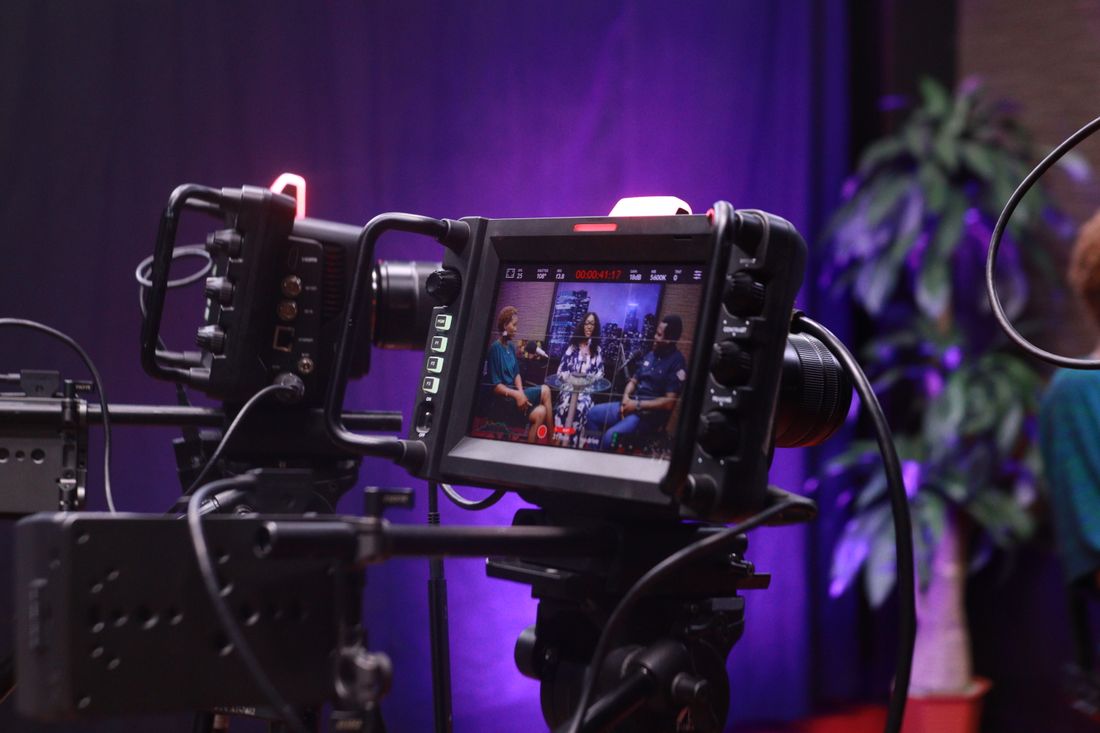
Photo by Isaiah Ekele via Pexels.
Why the Portrait Has Two Jobs That Pull Against Each Other
A new executive's portrait has to do two things at once that don't naturally agree: match the same lighting, crop, and backdrop as the rest of the leadership team's existing photos, while also carrying more individual presence than a standard team headshot, since this specific photo is the one running next to a press release and a company-wide announcement.
Match the system too closely and the photo looks like every other headshot on the team page, unremarkable at the exact moment it needs to stand out. Push for more individual presence, a different backdrop, more dramatic light, and the photo stops sitting cleanly in the team grid it's supposed to join later. Both jobs are real. A leadership photo that doesn't match the system reads as an outsider before anyone reads a word about who they are. One that matches too quietly wastes the moment a company actually has everyone's attention.
The way through is deciding in advance which one wins in the announcement crop versus the eventual team-page crop, rather than trying to shoot one photo that pretends both jobs are the same job.
What Press Files Need vs. What Internal Comms Needs
Press outlets and internal comms pull the same portrait for different jobs, so the file set has to cover both: press wants a high-resolution file with room to crop, a vertical and a horizontal option, and a plain or lightly branded background. Internal comms wants a file ready to drop straight into a slide or email header without further editing.
Outlets vary in the specifics they ask for, which is why the safer move is delivering more than the minimum rather than guessing what a specific publication wants. A wide crop can always be cropped tighter by someone else's designer. A tight crop can't be widened back out once it's the only file that exists. The same logic applies to format and size: deliver a large, high-resolution version and let each destination downsize from there, instead of producing several fixed sizes and hoping one happens to fit.
Planning this at the shoot, not after a press contact asks for a format nobody has, is what keeps the announcement from stalling on a file nobody thought to prepare.
The Internal Audience Companies Forget to Shoot For
Most leadership announcement planning is built entirely around the external audience, the press release, the LinkedIn post, the outside world finding out, while the employees who now report up through this person, sit in the same building, or simply want to know who just joined get whatever content is left over, if anything.
A short intro video does more for that internal audience than the press portrait ever will, because it answers a different question. The portrait answers what does this person look like. A thirty-to-sixty-second first-message clip, this is who I am, this is what I'm here to do, gives employees something closer to an actual introduction than a photo and a title ever can, and it works in an all-hands meeting, a Slack post, or an internal newsletter in a way a static image doesn't.
Skipping this piece isn't usually a budget decision. It's simply not on the list, because the announcement plan gets built by whoever's managing the press release, and the internal audience belongs to a different team that gets looped in after the shoot is already done.
What to Do When There's No Time to Shoot Before the Date
When the announcement date is fixed and there's no window left for a full session, scope down to the minimum usable set instead of skipping content: one solid portrait crop, and a short video shot quickly and simply. A smaller, real asset set beats a complete one that arrives after the news already ran.
This is exactly the gap a smaller, quick-turnaround project is built for rather than a full half-day session. Our own Video Business Cards & Quick Projects package exists for this kind of compressed timeline, covering short announcement videos and press-ready portraits without the full production of an Executive Portrait Session. If even that can't happen before the date, a well-lit photo taken on a phone by someone who understands framing and background is still better than a strained, awkward old photo pulled from a five-year-old event.
The date isn't moving. The scope is the variable that's actually flexible, and it's better to shrink it deliberately than to let the deadline shrink it by accident.
Frequently Asked Questions
What's the minimum content a company needs before announcing a new executive?
At minimum, one current, press-usable portrait crop and a short video introduction, even a simple one. The portrait covers press and internal use if nothing else exists. The video gives employees an actual introduction instead of a name and a photo. Everything beyond that, additional crops, a headshot matched to the team system, personal-post content, improves the launch but isn't the bare floor a publication date requires.
How do you shoot a portrait for someone who hasn't started the job yet or hasn't relocated?
Plan the shoot around the executive's calendar and location, not the company's office or the internal team's schedule. That often means shooting in whatever city the executive currently lives in, on a single available date before a move, rather than waiting for a first day that may come after the announcement itself. The session is scheduled like a shoot with one flexible participant, because that's what it is.
How do you keep a leadership hire confidential while still shooting the photos and video?
Book the session under a vague description, avoid the company's own office if staff would notice an unfamiliar person being photographed there, and ask everyone involved, including the photographer, to hold the files until the announcement clears. This is a logistics and scheduling question, not a legal one, and it works best when someone states the expectation directly before the shoot rather than assuming it's obvious.
Why can't the new executive's headshot just match everyone else's exactly?
It can, but an exact match sometimes undersells the moment. A leadership announcement photo has to carry more individual presence than a standard team headshot because it's running next to a press release and a company-wide introduction, not just sitting quietly in a team grid. The better approach is deciding in advance whether the announcement crop or the eventual team-page crop takes priority, rather than shooting one photo trying to serve both equally.
What if there's no time to shoot anything before the announcement date?
Scope down instead of skipping content: one solid portrait crop and a short, simply shot video beat a complete asset set that arrives after the news already went out. A quick-turnaround project built for compressed timelines, rather than a full half-day session, is usually the right size for this situation. A phone photo shot with real attention to light and background is still better than an old, mismatched one.
Related Reading
Planning founder content or a launch and unsure what to actually shoot?
Tell us where the images or video will run, site, LinkedIn, press, or a launch page, and we'll scope it with a fixed price before you book anything.
See Personal Branding & Launches