Photo: Core Visuals NYC
A book launch takes about six weeks. The gap to the next one takes about three years. Almost all author content advice is written for the six weeks, which is why so many writers have a beautiful jacket photo from 2022 and nothing else.
Between books, an author needs a small maintenance set rather than a launch package: one current portrait that survives a few years, a handful of environmental frames for interviews and festival programs, and a modest clip library for the platforms where readers actually find writers. The goal is staying findable, not staying visible daily.
Table of Contents
The Gap Is the Job, Not the Interruption
Publishing timelines mean most authors spend the large majority of their career between books. Agents, festival programmers, podcast bookers, and journalists all make decisions during that stretch, and they make them from whatever material is currently findable. For many writers, that is a jacket photo taken before the last book came out.
An author platform is the standing set of images, clips, and pages that let someone book, quote, or introduce a writer without asking for anything. It is not a content strategy in the marketing sense; it is closer to a kit that stays current. The distinction matters because trying to run a launch-intensity content plan through a three-year gap is how writers burn out on the whole idea.
What that means practically is a small refresh at a sensible interval rather than a constant feed. Most of the work is deciding what actually needs to exist, then keeping it from expiring.
One Portrait That Survives Three Years
The between-books portrait has a different brief from a jacket photo. A jacket image is tied to a specific book and can afford to be stylized; the platform portrait has to work on a festival program, a podcast thumbnail, a university event page, and a newspaper byline, often at small sizes and cropped by someone else.
That pushes toward a plainer frame: readable at thumbnail scale, enough space around the head that an unknown crop does not decapitate it, wardrobe and background that will not date obviously. Trend-heavy styling is exactly what makes a portrait feel three years old at year two, and a writer is the last person who benefits from looking like they stopped updating.
It is worth shooting a vertical and a horizontal version in the same session, plus a tight crop and a wider one. Event pages and press kits ask for different shapes, and having them from one sitting is the difference between answering a booking request in five minutes and stalling it for a week.
Black and white deserves a mention, since it is disproportionately common in author photography and does hold up unusually well over time. The tradeoff is that some outlets will convert it back or ask for color, so having both from the same frames is the safer position.
Environmental Frames Do the Work a Headshot Can't
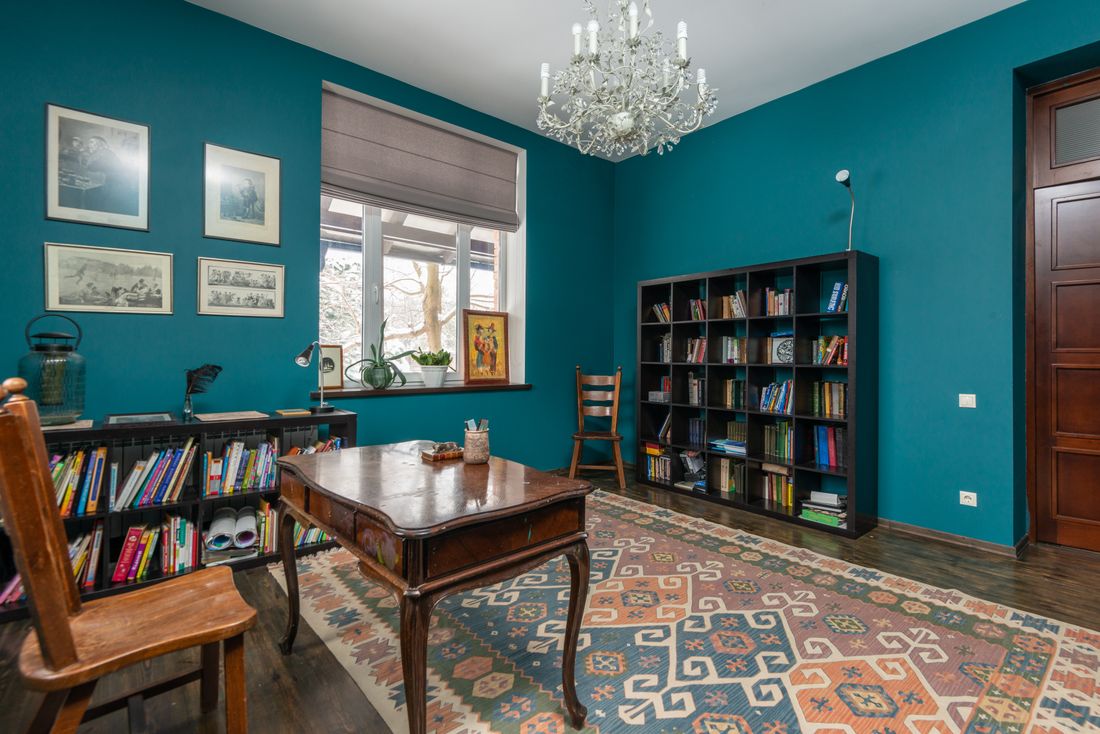
A plain portrait says who you are. An environmental frame (at a desk, among shelves, in a specific room or neighborhood) says something about the work, and it is what a features editor or a festival program tends to want when they have space for a larger image.
The setting does not need to be literal. A crime novelist does not need a dark alley. What helps is a place with some texture and some truth to it, since a writer photographed in an obviously borrowed generic office reads as a stock image of a person. The workspace, a regular walk, a library, a neighborhood a book is set in. Any of these give the image somewhere to be.
Practically, this is the part of the shoot that produces the most reuse. One session that yields a plain portrait plus three or four environmental variations covers most of what gets requested between books, and it keeps a writer from having to organize a shoot every time a magazine asks for something that is not the jacket photo.
Weather and season deserve a thought too, since an obviously autumnal outdoor frame quietly dates a portrait to a specific time of year and looks strange when it runs alongside a spring festival listing. Interior or seasonally neutral settings hold up longer for exactly that reason.
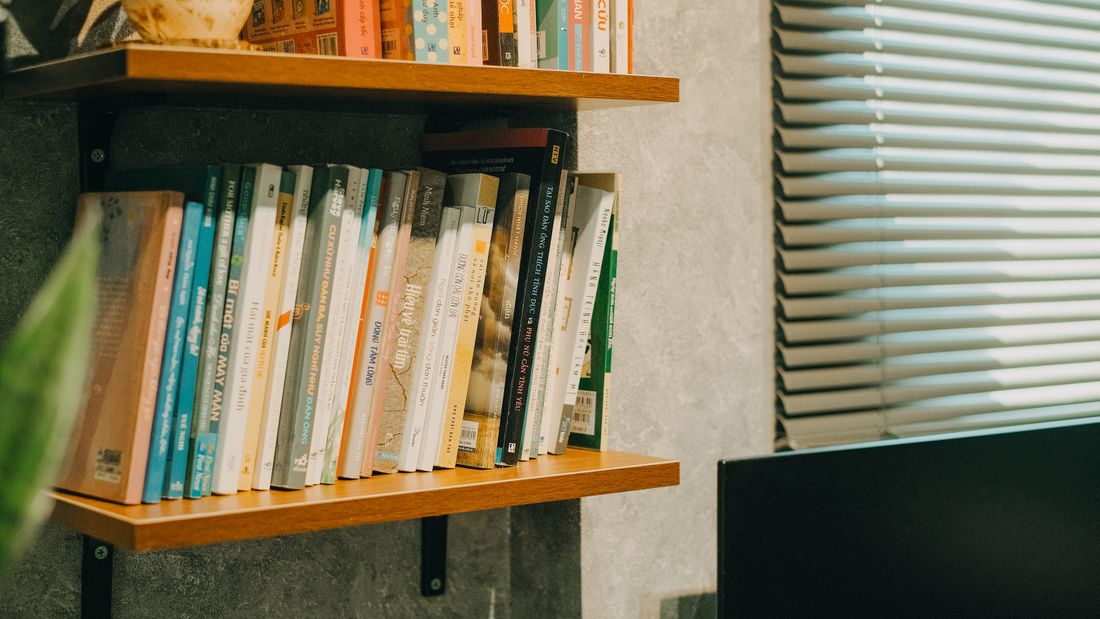
Photo by Pew Nguyen via Pexels.
The Minimum Useful Video, and Why Most Authors Overbuild It
Video is where between-books plans usually collapse, because the advice on offer is built for people selling a product weekly. An author does not need a channel. What is genuinely useful is a small set: one clear piece of the writer speaking about the work or a subject they are known for, and a few short clips that can carry a newsletter or a social post without being an event.
The speaking clip matters most because it functions as an audition. Podcast bookers, panel organizers, and event producers want to know whether someone is comfortable and interesting on camera before they commit a slot. A single well-shot three-minute piece answers that question, and it can be recorded in the same session as the portraits.
Beyond that, restraint is the correct instinct. Short clips shot during one session and released slowly across months hold up better than a burst of weekly content that stops after five weeks. The failure state for author video is not too little. It is a channel that visibly went quiet.
Audio is the part that decides whether a speaking clip is usable, and it is the part most often improvised. A clip shot on a good camera with poor room sound reads as amateur immediately, while decent audio over modest picture reads as fine. If one part of a small video budget deserves protection, it is that one.
What Festivals and Events Will Ask For
Festival and event programs have their own quiet requirements, and they arrive with short deadlines. A high-resolution portrait, a specific aspect ratio, a short bio, and sometimes a horizontal image for a banner, all requested at once, usually a few weeks out, usually by someone assembling forty of these at the same time.
Being the writer who answers that email in ten minutes with correctly sized files has a small but real compounding effect. Programmers remember it, and it removes a category of friction that otherwise makes a booking feel like work for whoever is organizing.
That is the practical argument for keeping the platform set current rather than assembling it per request. The material is the same either way; the difference is whether it exists before it is needed, which is exactly the thing the gap between books makes easy to postpone.
How Often to Actually Redo Any of This
A reasonable rhythm is a full session when appearance meaningfully changes or when the current portrait starts feeling untrue, and a smaller one keyed to the book cycle. In practice that lands somewhere around every two to three years for most writers, which is slower than marketing advice suggests and about right for how quickly a face and a body of work actually change.
The trigger worth watching is not the calendar but the mismatch: a portrait that shows a writer at a different stage than the one people are meeting. That mismatch is what makes an author page feel neglected, and it does more quiet damage than an unremarkable photo does.
There is a cheap middle option too. A short session that only refreshes the plain portrait, keeping the environmental frames from a previous shoot, costs a fraction of a full day and solves the most visible staleness. Not everything has to be replaced at once.
It also helps to keep the raw selects from each session rather than only the finished files. A different crop, a different expression, or a wider version of an existing frame often solves a new request without any shoot at all, and those alternates are usually sitting unused in the photographer's archive.
What an Author Can Safely Skip
Skip the book trailer unless a publisher is specifically asking for one and funding it. Skip the daily-posting plan. Skip a full brand video for a writing practice. An author's brand is the writing, and a three-minute film about a creative process is rarely what converts a reader or books a panel.
Also skip trying to match another writer's platform. Genre matters enormously here: the visual expectations for literary fiction, business nonfiction, and children's authors have very little overlap, and copying across those lines produces content that reads as slightly off to everyone in the actual audience.
What is left after the skipping is a short list (a current portrait, some environmental frames, one speaking clip, a few shorts) and that list is achievable in a single shoot day every couple of years. That is the whole point. A platform that requires constant feeding does not survive the gap, and the gap is where most of a career happens.
Frequently Asked Questions
How often should an author update their portrait?
Roughly every two to three years for most writers, or sooner when appearance meaningfully changes. The trigger worth watching is not the calendar but the mismatch between the photo and the person people are currently meeting at events or on podcasts. A short session that refreshes only the plain portrait, keeping older environmental frames, is a cheap way to fix the most visible staleness.
What is the difference between a jacket photo and a platform portrait?
A jacket photo is tied to one book and can afford to be stylized. A platform portrait has to work on festival programs, podcast thumbnails, event pages, and bylines, usually at small sizes and cropped by someone else. That pushes toward a plainer frame with room around the head, readable at thumbnail scale, and styling that will not date within a couple of years.
Does an author need video between books?
One clear speaking piece is genuinely useful because it works as an audition for podcast bookers, panel organizers, and event producers deciding whether to offer a slot. Beyond that, restraint is correct. A handful of short clips released slowly over months holds up better than a weekly channel, since the visible failure state for author video is a feed that obviously went quiet.
What should an author's environmental photos actually show?
A place with texture and some truth to it (a workspace, shelves, a neighborhood connected to the work). It does not need to be literal to the genre. What matters is avoiding an obviously borrowed generic office, which reads as a stock image of a person. These frames get the most reuse, since features editors and program designers usually want something other than the plain portrait.
Is a book trailer worth making?
Usually not, unless a publisher is specifically requesting and funding one. For most authors the same budget produces more durable value as a portrait session with environmental variations and a speaking clip, since those assets serve every booking request between books rather than one release window. Book trailers tend to be built for a launch moment that passes quickly.
Related Reading
Between books and overdue for a refresh?
One session covers the portrait, the environmental frames, and a speaking clip. Tell us what your next two years of requests look like.
See Personal Branding & Launches