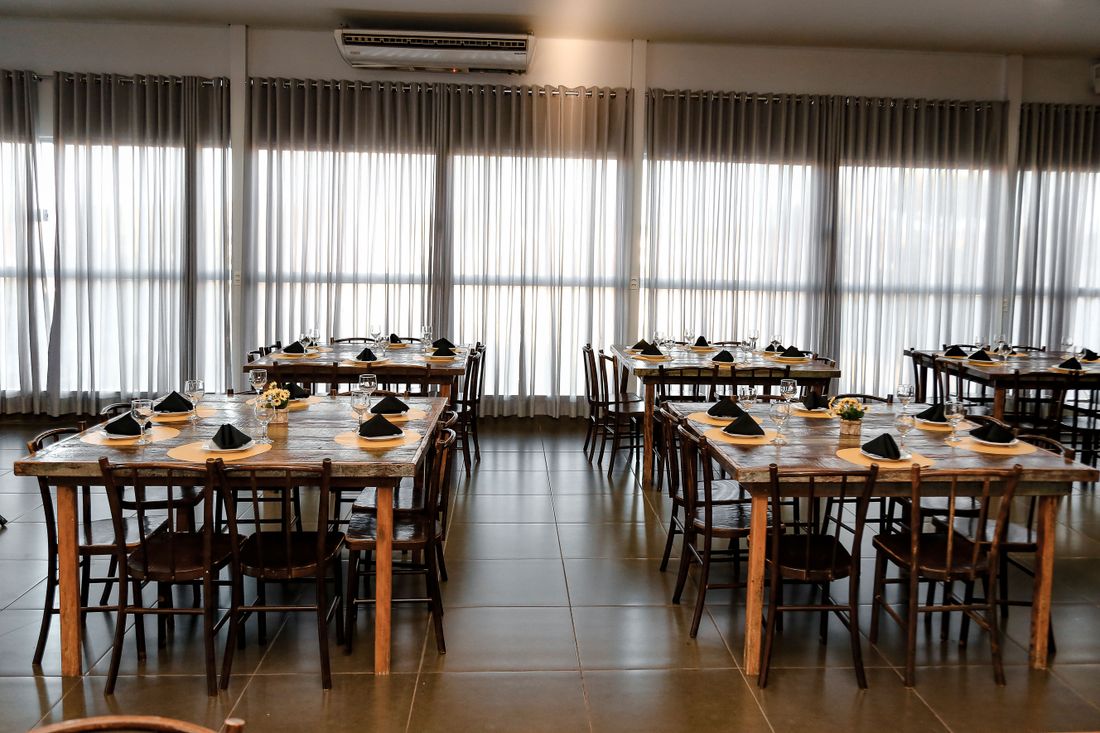
Photo by Vidal Balielo Jr. via Pexels.
Somewhere in the middle of almost every event, someone finds the photographer and asks for a favor. Can you also grab a few shots of the check-in table, the new sign, the CEO's parents who just walked in? It sounds like nothing. It is not nothing, and the honest version of that math is worth understanding before the next shoot, not during it.
A quick request during a booked shoot is not free just because it's quick. It draws on the same limited time, attention, and positioning the photographer allocated to the coverage you already paid for, which means something planned gets less of it. That trade is the actual cost, not the extra photos themselves.
Table of Contents
- Why “A Few Extra Photos” Isn't Actually Free
- What's Already Priced Into a Booked Shoot
- The Moment Scope Creep Actually Happens
- Why the Real Cost Is Attention, Not Just Time
- How a Photographer Actually Decides in the Moment
- The Fair Way to Handle an In-the-Moment Request
- One Small Ask Is Different From a Pattern of Them
- How to Avoid Scope Creep Before the Shoot Starts
Why “A Few Extra Photos” Isn't Actually Free
A quick add-on request during a booked shoot draws on the same finite hour a photographer already allocated to your planned coverage, so it isn't free just because no invoice changes. Something else on the shot list gets less time, less positioning, or gets skipped, even if nobody notices in the moment.
We think about a booked shoot as a fixed container: a certain number of hours, a shot list built around what actually matters for the event, and a rhythm the photographer has already planned before walking in. A new request doesn't expand that container. It reallocates from inside it. The photographer has to decide, on the spot and without much time to think it through, what gets less coverage so the new ask gets covered at all.
That's the part that's easy to miss from the planning side. The ask feels small because it takes thirty seconds to say out loud. Executing it well, in a way that doesn't look rushed or thrown together, rarely takes thirty seconds.
What's Already Priced Into a Booked Shoot
A day rate for event coverage is built around a specific, discussed shot list, not an open-ended promise to photograph anything that happens in the room. The price reflects the hours, the number of expected setups, and the coverage the client actually asked for before the event.
That planned scope is the baseline everyone is working from, and it's worth understanding on its own terms rather than re-litigating here what a day rate includes in the first place. What matters for this post is simpler: anything outside that discussed scope is, by definition, not already priced in. It doesn't matter how small the request is or how obvious it feels to the person asking.
We build every event quote around a real conversation about what the day needs to cover, because that conversation is what makes the rate make sense. A request that shows up mid-shoot skipped that conversation entirely, which is exactly why it behaves differently than anything already on the list.
The Moment Scope Creep Actually Happens
Scope creep on a shoot almost never arrives as a formal request. It arrives as a quiet aside between two other things the photographer is already doing, usually phrased as something small: can you also get a shot of this, while you're near that.
In practice, the timing is what makes it tricky. The person asking is often not the one who booked the shoot and doesn't know what's already on the list, so from where they're standing, the request feels reasonable and low-stakes. The photographer is mid-coverage, reading the room in real time, and has seconds to weigh saying yes against saying no to someone they'd rather not disappoint.
That's a bad moment to make a pricing decision, for both sides. There's no time to scope it properly, no time to check with whoever actually holds the budget, and no clean way to say "that's outside what we planned" without sounding difficult in front of a room full of people.
Why the Real Cost Is Attention, Not Just Time
The cost of an on-the-spot request isn't measured only in minutes. It's measured in the coverage that photographer was mentally tracking and now has to half-drop to handle something new, which is a different and more expensive kind of cost.
Event coverage works because the photographer is holding a shot list in their head while also watching for the moments nobody scheduled: a reaction, a handshake, a room filling up. That dual attention is most of the actual skill. A surprise request breaks it. The photographer has to stop scanning for the unplanned good moment, walk over, set up a new shot, and then re-orient to where the event actually is in its own rhythm.
In our experience, that re-orientation is where the planned coverage quietly thins out. Nobody skipped anything on purpose. The room simply moved on while attention was somewhere else for two or three minutes, and two or three minutes at the wrong point in an event can be the only window a moment existed in.

Photo by ROUDEY SANTOS via Pexels.
How a Photographer Actually Decides in the Moment
Most photographers weigh the same three things fast: how long the request will actually take once it's done properly, what it costs the planned shot list to do it now, and whether saying no in front of a room is worse for the client relationship than the coverage gap.
None of those are comfortable trade-offs to make alone, mid-event, without a clear answer from whoever is actually paying for the day. So the honest instinct is usually to say yes and absorb it, because refusing a small favor in front of colleagues or executives creates its own kind of damage that has nothing to do with photography.
That instinct is understandable, and it's also exactly how scope creep becomes normal instead of exceptional. Every yes teaches the room that the shot list is a suggestion. The fix isn't teaching photographers to say no more often in the moment. It's giving the day a version of "yes, and here's what that costs the plan" decided before the moment ever shows up.
The Fair Way to Handle an In-the-Moment Request
The fairest handling names the trade instead of hiding it: the photographer says yes to the new shot and, in the same breath, names what it's replacing or what it adds to the day, so the person asking understands there's a real trade being made.
That's different from either extreme. Refusing outright turns a small, human request into a confrontation nobody wanted. Absorbing it silently trains everyone in the room to keep asking, and trains the photographer to keep quietly shrinking the planned coverage to make room. Naming the trade out loud keeps the decision honest without turning it into a negotiation on the spot, and it does it in a sentence, not a debate.
We treat this as a scope conversation, not a billing dispute, in the moment itself. Anything that needs an actual rate change gets discussed afterward, with whoever booked the day, once there's time to talk it through properly instead of guessing under pressure with an audience watching. The person asking gets a clear, kind answer either way, and the photographer isn't left carrying a decision they had no real room to make.
One Small Ask Is Different From a Pattern of Them
A single unplanned request is a rounding error most shoots can absorb without anyone feeling it. A pattern of them across the same event is a different problem entirely: each one alone looks harmless, but together they quietly rewrite the day's actual scope.
This is where the math genuinely changes. Three or four small "while you're here" requests spread across a shoot can add up to something closer to a second, unplanned shot list running alongside the one that was actually booked. No single ask crossed an obvious line. The accumulation did, and nobody made that decision on purpose. It happened one small favor at a time, from different people who never talked to each other.
We watch for that pattern in real time, because it's the honest signal that the scope of the day has shifted, not any individual request. Once a shoot has clearly grown past what was booked, that's worth naming to whoever holds the budget before the day ends, while the reasoning is still fresh and specific rather than reconstructed after the fact, when it's harder for anyone to remember exactly what changed and why.
How to Avoid Scope Creep Before the Shoot Starts
The cleanest fix happens before the event, not during it: name who else might have last-minute requests, tell that person the shot list is set, and give them a way to route new asks through the person who actually booked the day instead of straight to the photographer.
Most scope creep comes from good intentions colliding with a gap in information. A colleague doesn't know the shot list was already discussed and priced. They just see a photographer standing there and a moment worth capturing. Closing that information gap ahead of time removes almost all the pressure from the moment itself, for everyone involved, and it means nobody has to make an awkward call in front of a room.
We ask clients, before every event, who besides them might try to redirect coverage on the day, and we build that answer into the plan. It's a five-minute conversation that prevents the harder, in-the-moment one, which is a trade worth making every time it's available. It also gives the photographer a clean, agreed-upon answer to reach for instead of improvising one under pressure.
Frequently Asked Questions
Will a photographer add a few extra photos to my event coverage for free if I just ask on the day?
Usually yes, in the sense that most photographers will try to accommodate a small request rather than refuse it in front of a room. But “free” isn't accurate. The time and attention it takes comes from somewhere else in the planned shot list, even when nothing gets billed differently. It's absorbed, not eliminated, and absorbing it too often quietly changes what the rest of the coverage actually looks like.
How is scope creep during a shoot different from what's already included in a day rate?
A day rate is built around a shot list discussed and agreed on before the event. Scope creep is anything that shows up after that conversation is already closed, usually mid-shoot, from someone who wasn't part of setting the original plan. The difference isn't size. A tiny request can still be scope creep if it wasn't part of what was priced and planned in advance.
Should I ask for extra coverage before the event or wait and see what comes up?
Before, whenever it's possible to know in advance. A request named during planning becomes part of the actual shot list, priced and scheduled like everything else, with time built in for it. The same request raised mid-event has to be handled on instinct, under time pressure, without input from whoever is actually paying for the day. Naming likely add-ons early removes almost all of that pressure from everyone involved.
Why does one quick photo request affect coverage that has nothing to do with it?
Because event coverage depends on a photographer holding two things at once: a planned shot list and open attention for the unplanned moments that make an event feel real. A surprise request interrupts both. The minutes spent handling it aren't just minutes lost; they're minutes where nobody was watching for whatever else was about to happen elsewhere in the room, and that moment doesn't come back.
What's the simplest way to prevent scope-creep pricing surprises on a future booked shoot?
Name it before the day, not during it. Tell your photographer who else on your team might want extra coverage, and give that person a clear path to route requests through whoever booked the shoot instead of asking on the spot. Most scope creep comes from a missing conversation, not a difficult person, and that conversation is easy to have in advance, well before anyone is standing in a room under time pressure.
Related Reading
Need a real number before you can plan the rest of the budget?
Give us the date, the run time, and the deliverables you're after, and we'll send back a quote with every line item spelled out.
Get a Quote