How Far Ahead to Book an Event Photographer

Lead time isn't about my calendar — it's about how much of the shoot has to be decided. Here's what each event type needs figured out first, and what can wait.

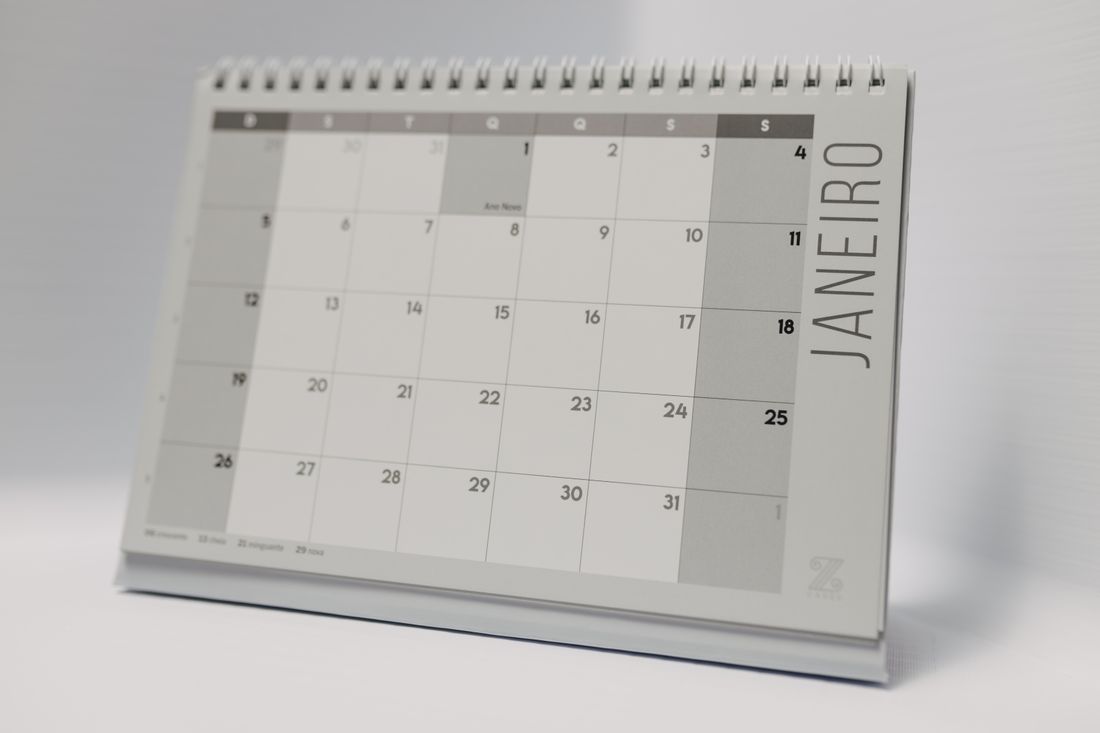
A spiral desk calendar open to a monthly grid, sitting on a table.

Photo by Matheus Bertelli via Pexels.

People ask me how far ahead they need to book like it's a single number, the same for a headshot refresh and a three-hundred-person gala. It isn't. The honest answer depends on how much of the shoot still has to get designed before anyone shows up with a camera.

Lead time tracks decisions, not availability. A headshot day needs a standard written down, which can happen fast if one already exists. A conference needs a run-of-show. A gala needs a venue walk. The event that needs the least figured out is the one you can book the latest, regardless of how big it looks on paper.

Table of Contents

Lead time is about decisions, not my calendar

How far ahead you need to book has almost nothing to do with when I'm free and almost everything to do with how much of the shoot still needs figuring out before the day. A headshot refresh with an existing standard can move fast. A gala still needing a venue walk cannot, no matter how open my calendar is.

I bring up my availability last, not first, when someone asks about timing. The real question is whether the event already has the pieces a shoot depends on: a documented look, a run of show, a floor plan. If those exist, booking is mostly a scheduling exercise, and scheduling is fast. If they don't exist yet, the lead time isn't the photographer's fault or the client's slowness — it's just how long it takes to design a shoot for something that hasn't taken shape yet. Treating every event as needing the same amount of notice ends up either rushing the events that need real design work or making people wait unnecessarily on the ones that don't.

A headshot day moves fast once a standard exists

A headshot day can be booked in a week or two once a written standard already exists — background, crop, lighting setup, retouching level. What actually eats time on a first-ever headshot day isn't the shoot itself, it's building that standard from nothing, which is a decision project, not a photography one.

The first time a company sets up headshots, we're deciding all of it together: gray or white background, how tight the crop is, whether retouching is light or heavier, how the files get named and delivered. That conversation takes real time, and rushing it means the first batch of photos sets a standard nobody actually chose on purpose. Once it's written down, a refresh for new hires or a title change is close to plug-and-play — the decisions are already made, so the only variable left is finding a date that works for the office. That's the honest short-notice case: not because headshots are simple, but because the hard part already happened once.

A conference needs a run-of-show before it needs a date

A multi-track conference needs a run-of-show before it needs a photographer on the calendar, because coverage decisions — which sessions get a shooter, when the keynote moves, where the breaks happen — can't be made against an agenda still shifting. That document firms up three to four weeks out, and that's what sets the real lead time.

Without a run-of-show, I'm guessing at what matters: is the panel on stage two worth full coverage, or is the real story happening in the expo hall during that same slot. Once the run-of-show exists, coverage planning takes an afternoon, not a week — the schedule is already telling us where the moments are. Conference organizers often have this locked earlier than they realize, sometimes six or eight weeks out, and in that case there's no reason to wait on starting the conversation. The document sets the pace here, not a blanket rule about how far ahead a conference generally needs to be booked.

A gala needs a venue walk before it needs a photographer

A gala's lead time is set by the venue walk, not the guest list — I need to see the room to plan where a step-and-repeat goes, where light is usable without extra gear, and where a shooter can move without blocking a sightline during dinner. That walk-through turns a gala into a plan instead of a guess.

A ballroom and a gallery space need almost opposite plans even for the identical program: different ceiling heights, different ambient light, different room flow between cocktails and the seated portion. Guessing that from a floor plan PDF produces a coverage plan that doesn't survive contact with the actual room. In practice that walk-through happens two to four weeks out, close enough to the event that the room is set up close to how it'll look, far enough out to still adjust the plan. A gala with a familiar venue, one we've already walked for a past event, moves faster — the room isn't the unknown anymore.

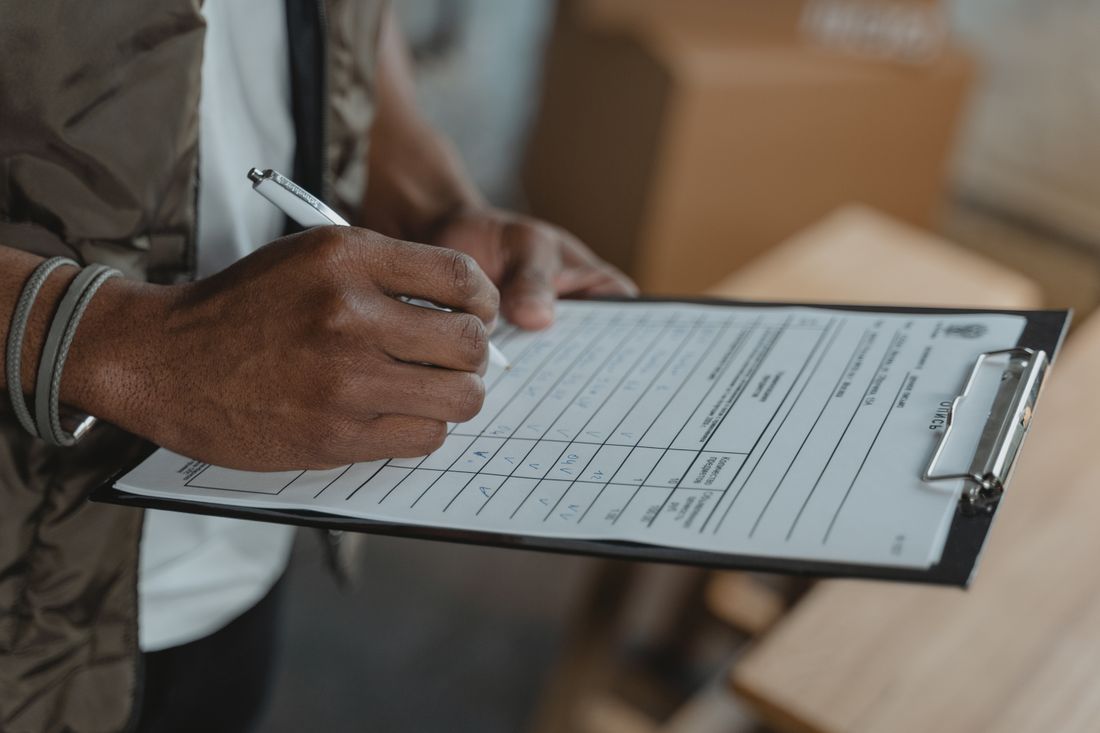
A close-up of a hand filling out a checklist on a clipboard with a pen.

A launch's lead time depends on how developed the reveal is

A launch's lead time depends entirely on whether the reveal moment is already designed — the unveiling sequence, what gets shown when, who's in the room for it — or whether that's still being worked out internally. A launch with a settled reveal can book close to the date; one still being designed needs the weeks that design takes.

Some launches are close to a scripted moment: a cover pulled off at a specific second, a slide that goes up on cue, a product handed to a specific person first. Once that sequence exists, shooting it is straightforward — I know exactly where to stand and when the moment happens, so the lead time is mostly logistics. Other launches are still fluid days before the event, with the actual reveal decided the morning of, sometimes on purpose, to protect the surprise. That's fine, but it pushes the real planning conversation later by definition, because there's nothing concrete to plan around until the reveal itself is settled.

What genuinely can be booked on short notice

A single-location event with a known agenda and no new decisions to make — a repeat headshot day, a small all-hands, a panel in a venue we've already shot — can often be booked inside a week or two without hurting the coverage. Short notice isn't a compromise here; it's just what happens when nothing new needs designing.

The events that move fast share a pattern: someone has already made the decisions that matter, even if it happened months ago for a different event. A returning client's headshot refresh, a company meeting in the same conference room as last quarter, a small product photo session with a shot list that hasn't changed — none of these need a new planning conversation, just a date. It's worth saying plainly because it cuts against the instinct to pad every ask with extra weeks out of caution: some jobs really are fine close to the date, and treating them like they need six weeks of lead time doesn't make the photos better, it just adds waiting for no reason.

What can't be booked short, honestly

Anything where the shoot's shape depends on a decision nobody has made yet — an undesigned gala in a new venue, a conference whose agenda is still moving, a launch where the reveal itself isn't settled — can't be compressed into a short window, because the missing piece isn't scheduling, it's design work that has to happen in order.

This is the flip side of the short-notice list above, and it's worth being direct about it rather than quoting a flat number of weeks for every single event that comes in. A first-time gala in a venue nobody's walked, with a reveal sequence still being debated internally, needs the weeks it needs regardless of how far out someone calls. Trying to compress that timeline doesn't make the room decisions happen faster — it just means they get made worse, later, under more pressure, or not at all, and the coverage plan is guessing instead of built on an actual walk-through or run-of-show.

How to tell your own event's real lead time

Before calling a photographer, ask three questions: is there a written standard or shot list, is there a run-of-show or agenda, and has anyone walked the actual room. A yes to all three means the event can likely be booked close to the date. A no to any means that gap, not the calendar, is the real lead time.

This reframes the whole booking conversation from a guessing game about weeks into something a client can actually check on their own. If the standard, the schedule, and the room are all sorted, reach out whenever — there's genuinely no reason to wait. If one of those three is still open, that's useful information too: it tells you what to go settle first, and settling it is usually faster than people expect once someone's actually working on it instead of leaving it for later. The event doesn't get more decided by booking earlier on the calendar. It gets more decided when someone actually sits down and decides.

Frequently Asked Questions

How far ahead should I book a conference photographer in NYC?

It tracks the run-of-show, not a fixed number of weeks. Once the agenda is set — which sessions matter, where the keynote sits, when breaks happen — coverage planning takes an afternoon. That document is often ready three to four weeks out, sometimes earlier if the organizer has run the event before. Reach out once the agenda exists rather than waiting for a specific week count; an early agenda means an early, easy booking conversation.

Do galas really need more lead time than a headshot day?

A first-time gala in a new venue usually does, because the venue walk that shapes the coverage plan — where the step-and-repeat goes, how the room handles light, where a shooter can move — has to happen in person, typically two to four weeks out. A headshot day with an existing documented standard skips that entirely. The gap isn't gala versus headshots; it's a room nobody's seen yet versus a standard someone already wrote down.

Can I book event photography with less than a week's notice?

Yes, for the right kind of event. A repeat headshot day, a small meeting in a familiar room, or any shoot where the real decisions were already made — for this event or a similar one before it — can move fast because nothing new needs designing. What can't move fast on a week's notice is a first-time event still figuring out its own shape, like an undesigned gala or a conference with a shifting agenda.

What's the single biggest thing that shortens my lead time?

Having the planning document already done before you call — a written headshot standard, a settled run-of-show, or a venue that's already been walked for a past event. That single piece of prep removes the design step entirely and turns the conversation into scheduling, which is fast by comparison. Companies that keep their standards and run-of-show templates from past events instead of rebuilding them each time consistently book closer to their actual event date.

Does a bigger event always mean more lead time?

No — size and lead time aren't the same thing. A three-hundred-person all-hands in a familiar conference room with a set agenda can book faster than a twenty-person launch event where the reveal moment is still being debated internally. What sets lead time is how much still has to be decided, not headcount. A big, well-planned event can move quicker than a small, undecided one.

Related Reading

December Corporate Events NYC BookingHourly Vs Package Event Photography NYCBrief Event Photographer NYC

Not sure if hourly or a package makes more sense for your event?

Tell us the expected length, and we'll run the actual numbers before you book.

See Event Coverage Packages