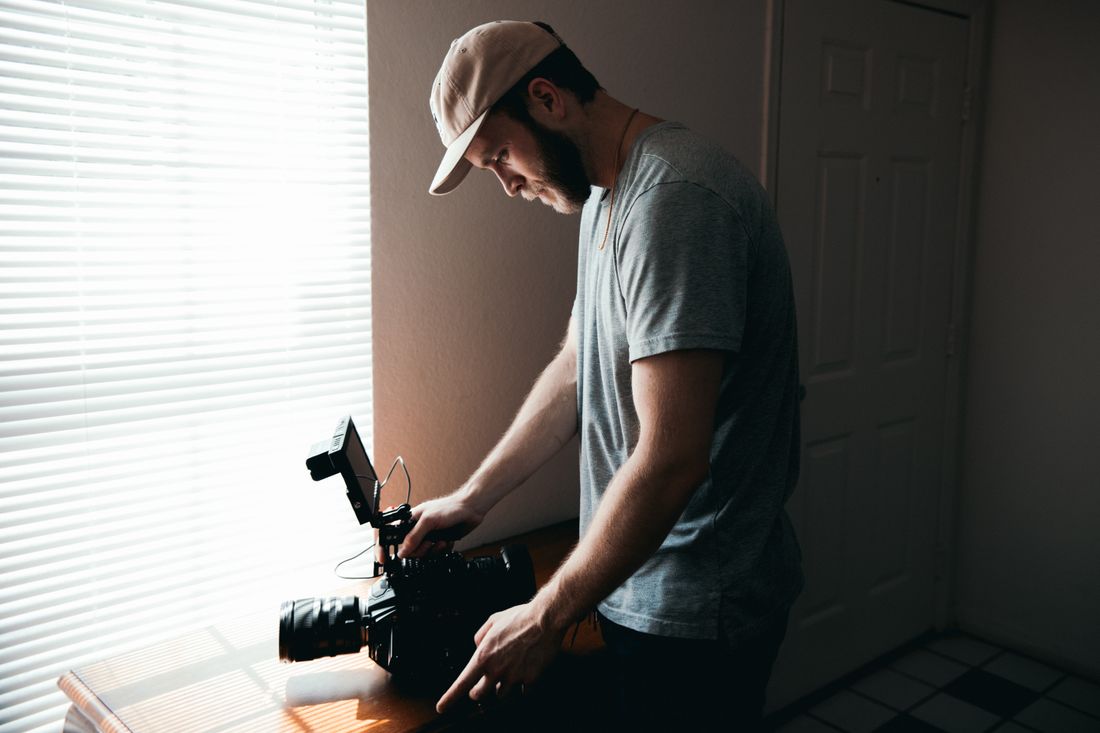
Photo by Nay Sa Muel via Pexels.
"Do you offer a nonprofit rate?" or "is there a startup discount?" comes up often enough that it deserves a straight answer instead of a maybe. There isn't a published rate card for either. But that isn't the whole story, and it isn't a door closing. What actually changes a price here is scope, not who the buyer is, and mission-driven or early-stage clients often have more genuine room to work that scope than a corporate buyer does. Here's the honest mechanism, and what to do with it.
There is no nonprofit rate card, startup rate card, or discount tied to buyer identity at Core Visuals. Being a nonprofit or a startup doesn't change the rate by itself, because crew hours, editing time, and equipment cost the same regardless of tax status. What does change the number is scope, and mission-driven or early-stage buyers often have real structural room to work with scope: flexible scheduling, fewer approval layers, and combining several small needs into one session.
Table of Contents
- Is There a Nonprofit or Startup Rate at Core Visuals?
- Why Doesn't Being a Nonprofit or Startup Change the Rate?
- What Scope Levers Does a Mission-Driven Buyer Actually Have?
- Why Is Scheduling Flexibility the Most Underused Lever?
- What Is the "Combining" Move, and Why Does It Help Most?
- What Should a Smaller Budget Buy First?
- What Can't Be Scoped Down Without the Deliverable Breaking?
- How Should You Actually Open This Conversation?
Is There a Nonprofit or Startup Rate at Core Visuals?
No. There is no published nonprofit rate card, no startup rate card, and no discount tier tied to who you are as a buyer. But "is there a discount" is actually two different questions: a lower rate for the same work, or a smaller price for less work. Only the second one is real.
People asking about nonprofit or startup pricing are usually reaching for the first version without realizing it. They picture the exact same shoot, the exact same deliverables, at a friendlier number because the buyer is mission-driven or early-stage rather than a corporate account. That version doesn't exist here, and it wouldn't be honest to imply it does.
The second version is where this gets genuinely useful instead of disappointing. Scope, not identity, is what moves a number. A smaller, tighter shoot costs less than a bigger one regardless of who's booking it. So the real question isn't whether nonprofits get a discount. It's how much room a mission-driven or early-stage buyer actually has to shrink the scope without losing what the deliverable needs to do. That room is often bigger than people assume, and the rest of this covers exactly where it lives.
Why Doesn't Being a Nonprofit or Startup Change the Rate?
Being a nonprofit or a startup is an identity, not a cost structure, and pricing here follows cost structure. Crew hours, editing time, and equipment cost the same whether the client is a Fortune 500 marketing team or a five-person nonprofit, so a tax status or a funding stage alone doesn't change what a shoot actually costs to deliver.
This is the same logic already published about returning clients: loyalty alone doesn't lower a price, because loyalty alone doesn't lower the cost of the next booking. The same principle applies here. A photographer standing in a room for three hours costs the same three hours whether the sign on the door says nonprofit, startup, or corporation. Editing a set of headshots takes the same review and retouching time regardless of the client's mission statement.
That can feel like an unsatisfying answer if you came in hoping identity would do the work. But it's honest, and it points somewhere useful: if identity isn't the lever, scope is. And scope is something a buyer actually controls, which is a more useful thing to know than whether a hidden discount exists somewhere behind a contact form.
What Scope Levers Does a Mission-Driven Buyer Actually Have?
Mission-driven and early-stage buyers often have more genuine room to shrink scope than a corporate buyer does: more flexible scheduling, fewer layers of internal approval slowing decisions down, a shorter and more realistic shot list, and more willingness to combine several small needs into one session instead of booking them separately.
A corporate client often can't touch these levers even if they wanted to. Brand guidelines dictate a long, fixed shot list. Legal and marketing both have to sign off before a date gets confirmed. Multiple departments each want their own separate coverage, booked on their own separate timeline. None of that is a criticism of corporate buyers, it's just a structural reality of how bigger organizations move.
A small nonprofit or an early-stage startup usually doesn't carry that weight. One person can often say yes to a date. The list of what actually needs covering tends to be shorter and more concrete. That's a real structural advantage, and it's one that actually changes the cost of a shoot, unlike identity on its own. The next few sections walk through how to use each lever well.
Why Is Scheduling Flexibility the Most Underused Lever?
Scheduling flexibility is the most underused lever because most buyers never think to offer it. Being open to an off-peak date, a weekday morning instead of a Thursday evening, or a slightly wider booking window gives more room to plan efficiently, and that efficiency is a real cost advantage most mission-driven and early-stage clients already have without realizing it.
Corporate clients tend to need a specific date locked to an event, a launch, or an executive's calendar, and that rigidity is simply the nature of the work. A nonprofit team photo or a startup's brand video usually isn't tied to a single immovable day the same way. That flexibility is genuinely valuable on the production side, even though it isn't a line item anyone quotes.
The catch is that this lever only works if it gets offered upfront, in the first conversation, not discovered after a quote already reflects a tighter date. Saying "we're flexible on timing, what works best on your end" does more for a smaller budget than asking whether a discount exists, because it hands over something with actual value instead of asking to be given something for free.

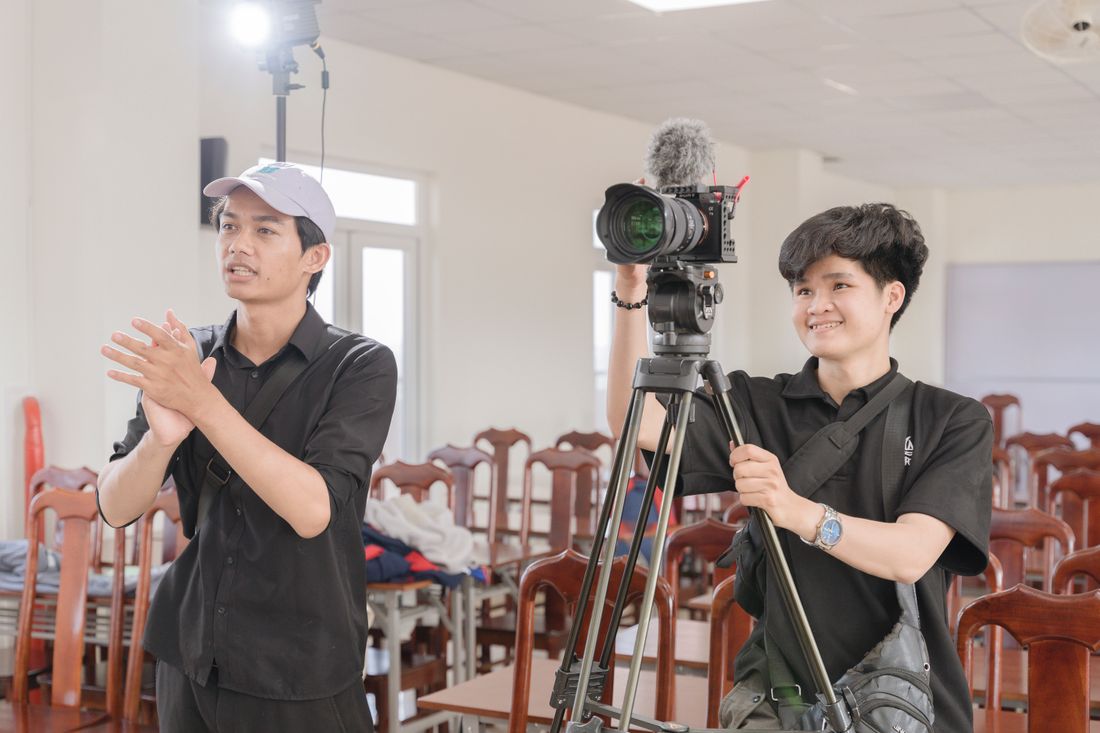
Photo by Kyle Loftus via Pexels.
What Is the "Combining" Move, and Why Does It Help Most?
Combining is booking several separate small needs, like team headshots, a few program photos, and a short interview clip, as one coordinated session instead of three separate bookings on three separate days. It's the closest thing to a real discount that exists here, because one setup, one crew day, and one travel trip genuinely cost less than three of each.
This mirrors exactly what already makes volume pricing work for returning clients: consolidated scheduling and less overhead per booking are real savings, not a favor. A nonprofit that needs an executive director headshot, a small team photo, and a few program shots for the website is, functionally, describing one afternoon of work if it's planned as one session, rather than three separate visits spread across a season.
The planning has to happen early for this to work. Naming everything that's needed for the year, or even the quarter, before the first booking gets scheduled is what lets a single session actually cover it all. Asking to add a second unrelated need after a shoot is already booked and scoped doesn't get the same benefit, since the crew and schedule were already planned around a smaller job.
What Should a Smaller Budget Buy First?
A smaller budget should buy the deliverable that gets reused the most before anything else: a clean executive director or founder headshot, a small, honest team photo, and a handful of program or workspace shots that can live on a website, a grant application, or a pitch deck for a long time. Volume of coverage should come last, not first.
This is exactly the shot-list question, and it's already been answered in detail elsewhere on this site rather than needing to be re-derived here: what a nonprofit should actually shoot on a limited budget, and in what order, is its own topic worth reading directly if that's the decision in front of you.
The pattern that holds across most mission-driven and early-stage budgets is the same: fewer setups, chosen deliberately, beat a longer list of shots that each get less attention. A single well-lit headshot and one honest team photo, used consistently everywhere they're needed, does more for a small organization's credibility than a longer shot list where nothing gets enough time to look right.
What Can't Be Scoped Down Without the Deliverable Breaking?
Some things can't be scoped down without the deliverable stopping working entirely: enough light to make a subject look genuinely presentable, enough time on each setup to get a usable frame rather than a rushed one, and enough crew to actually cover what's happening instead of missing it. Cutting past those points doesn't save money, it produces something unusable.
A rushed headshot that nobody can use on a website or a grant deck isn't cheaper, it's a wasted booking that has to be redone later at full cost anyway. The honest limit isn't about being inflexible for its own sake, it's that a shoot below a certain floor stops being a shoot and starts being a session that won't produce anything worth using.
Being direct about this upfront is more useful than letting a client discover it after the fact. If a budget genuinely can't cover what a specific deliverable needs, the honest move is saying so plainly and helping figure out what smaller, real deliverable it can cover instead, rather than quietly shrinking quality to hit a number that was never realistic for the ask.
How Should You Actually Open This Conversation?
Open with the budget number and the must-haves, not a question about whether a discount exists. Saying what you actually have to spend and what absolutely has to come out of the shoot starts the conversation on real scope immediately, instead of spending the first exchange establishing that no hidden nonprofit or startup rate is waiting to be unlocked.
A useful version sounds something like: here's the number we have, here's the one or two things we can't leave without, and here's what we're flexible on, including dates. That single message does more work than "do you offer a nonprofit discount," because it hands over the information that actually lets a quote get built around real scope instead of around a hoped-for percentage that was never on the table.
Questions about accounting for a discounted or reduced-rate service, or how it should be treated for grant or tax purposes, aren't ones to answer here. That's a conversation for an accountant or counsel who knows the organization's specific situation, not something to guess at inside a pricing conversation about a photo or video shoot.
Frequently Asked Questions
Does Core Visuals offer a nonprofit or startup discount?
No. There is no published nonprofit rate card, startup rate card, or discount tier tied to who a client is. What changes the price is scope, not identity, since crew hours, editing time, and equipment cost the same regardless of a client's tax status or funding stage. Mission-driven and early-stage buyers often have more room to shrink scope honestly than corporate buyers do, and that room is what actually moves the number.
Why doesn't being a registered nonprofit lower the price by itself?
Because a tax status doesn't change what a shoot costs to deliver. A photographer's time in the room, the editing hours afterward, and the equipment used cost the same whether the client is a nonprofit, a startup, or a corporation. Pricing here follows cost structure rather than buyer identity, which is the same logic already published about repeat clients not automatically earning a lower rate either.
What's the fastest way to make a smaller nonprofit or startup budget go further?
Offer scheduling flexibility upfront, and combine every small need into one session instead of booking each one separately. A weekday morning instead of a rigid date, plus a single visit that covers headshots, a team photo, and a few program shots together, does more for a tight budget than asking whether a hidden discount exists. Naming everything needed for the year early is what makes combining actually work.
What should a nonprofit or startup shoot first on a limited budget?
A clean executive director or founder headshot, an honest small team photo, and a handful of program or workspace shots that can be reused across a website, a grant application, or a pitch deck for a long time. Volume of coverage should come last. A separate post on this site walks through the full shot-list decision in more detail if that's the question in front of you.
Is there a minimum below which a shoot stops being worth booking?
Yes. Some things can't be scoped down without the deliverable stopping working, like enough light and enough time on a setup to get a usable frame instead of a rushed one. A shoot cut below that floor isn't cheaper, it's a booking that produces something unusable and has to be redone later. Being upfront about that floor is more useful than discovering it after the fact.
Related Reading
Have a launch or brand project where scale is actually the story?
Tell us what the aerial shot needs to show, and we'll scope it alongside the ground coverage from the start, permits included.
See Personal Branding & Launches