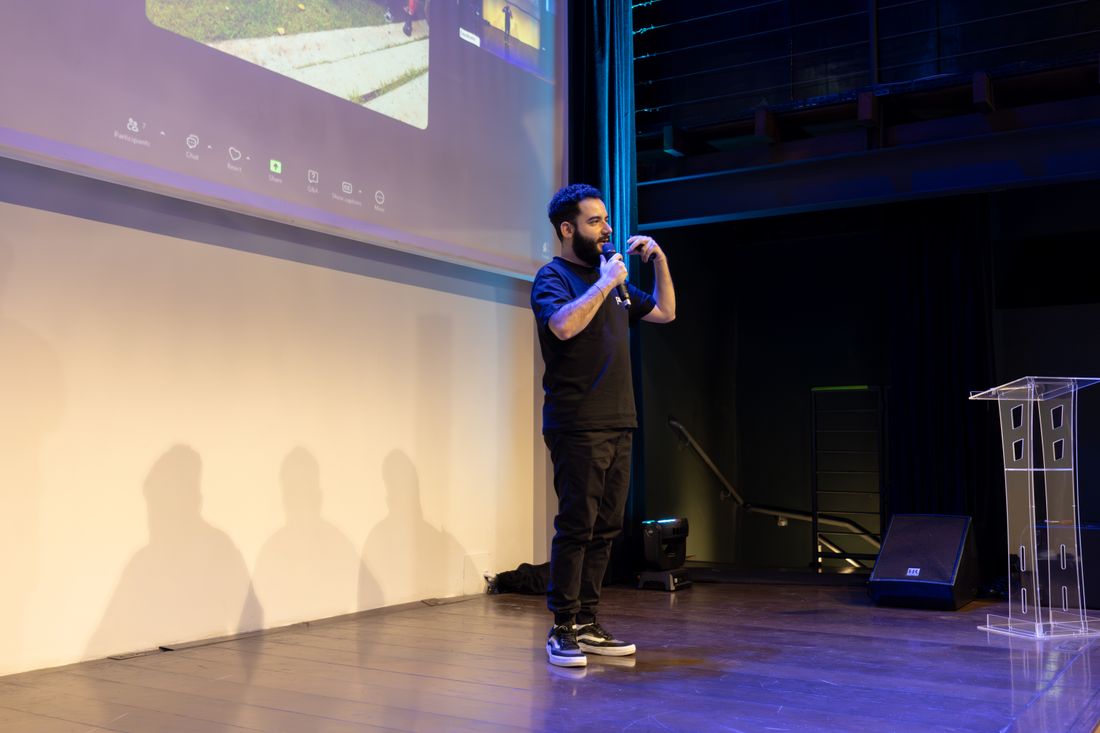
Photo: Core Visuals NYC
Getting booked to speak is the easy part. The photo people see next to your name, the clip that ends up on the event's marketing page, and whatever footage exists of you actually giving the talk all come from decisions made weeks before you walk on stage, not the week of.
Before a confirmed speaking engagement, plan three things in advance: an updated headshot that matches how you'll look on stage or camera, a few minutes of b-roll for intro slides and event marketing, and a plan for who films a short recap clip. Booking all three early beats scrambling the week of the event.
Table of Contents
- What Changes Once You Know the Format
- Why the Headshot Has to Match How You'll Actually Look
- Why the Week Before the Event Is the Wrong Time to Shoot
- B-Roll for Intro Slides and Event Marketing
- Planning the Recap Clip Before You Ever Walk on Stage
- In-Person Keynote or Panel vs. a Remote Podcast Slot
- What the Event Organizer Actually Needs From You
- Building the Timeline Backward From the Event Date
What Changes Once You Know the Format
A confirmed speaking slot comes with a format attached (in-person keynote, panel, or remote podcast), and that format decides what you need to shoot, not the topic of your talk. Lighting, framing, and how much control you have over your own image all shift depending on which one you've booked, so plan around the format first.
A stage keynote usually means venue lighting you don't control, shot from a distance by someone else's camera if there's a photographer there at all. A panel splits the frame with other speakers, so your face gets less screen time and less control over angle. A remote podcast flips that: you're on your own camera, in a room you picked, with full control and no excuse for bad lighting.
None of these formats are better or worse. They just need different prep. Knowing which one you're walking into first is what makes the rest of the planning specific instead of generic, and it's worth confirming directly with the organizer if the invite doesn't spell it out.
Why the Headshot Has to Match How You'll Actually Look
The headshot you send an event organizer or use on your own speaker page needs to match how you actually look right now (current haircut, current wardrobe), and ideally the kind of lighting you'll be under on stage or on camera, not a corporate headshot from three years and one beard ago.
Organizers often lift your headshot directly onto a printed program, a bio page, or a slide that introduces you to a room full of people about to compare the photo to your actual face in real time. A mismatch is a small credibility hit at exactly the moment you want to look put together. If the talk is on video, a portrait shot with softer, more natural light reads closer to how you'll look on camera than a hard studio backdrop from years ago.
We shoot headshots this way on purpose, as documented personal branding work rather than a generic add-on. The point isn't a flawless photo. It's a current one that still looks like you when someone meets you right after seeing it.
Why the Week Before the Event Is the Wrong Time to Shoot
Waiting until the week of a speaking engagement to sort out your content is the actual failure mode, because that's when you're stuck choosing between an outdated photo, a rushed session under whatever light happens to be available, and no time left to plan a recap clip at all.
The week before an event is already full: travel, slides, rehearsing, nerves. Adding a headshot session into that window means shooting at whatever hour you can squeeze in, with no room to reshoot if the first take isn't right. Recap clips are worse. They only work if someone knows in advance where to stand and when to hit record, and that decision doesn't get made well the morning of.
This isn't really about photography skill. It's sequencing. A headshot and a few minutes of b-roll shot with breathing room, weeks before the date, beats the same content shot in a hurry every time, because the lighting is better, you're calmer, and there's still time to fix anything that doesn't work.
B-Roll for Intro Slides and Event Marketing
B-roll shot ahead of a speaking engagement is short footage of you working, talking, or in your element (a few seconds of usable motion, not a produced video), meant to loop behind an intro slide, sit on an event's marketing page, or back up a speaker bio that would otherwise be a static photo and a paragraph.
Event organizers frequently ask for this kind of material once you're confirmed: something to promote the session before it happens, something to place behind your name on the agenda page, something more alive than a headshot alone. Having a few clean, silent clips ready to send (at a desk, mid-conversation, walking into a room) means saying yes immediately instead of scrambling to find or shoot something usable days before a deadline.
This isn't a full video production. It's a short, purpose-built set of clips shot in the same session as the headshot, so one shoot covers both needs instead of two separate scrambles.
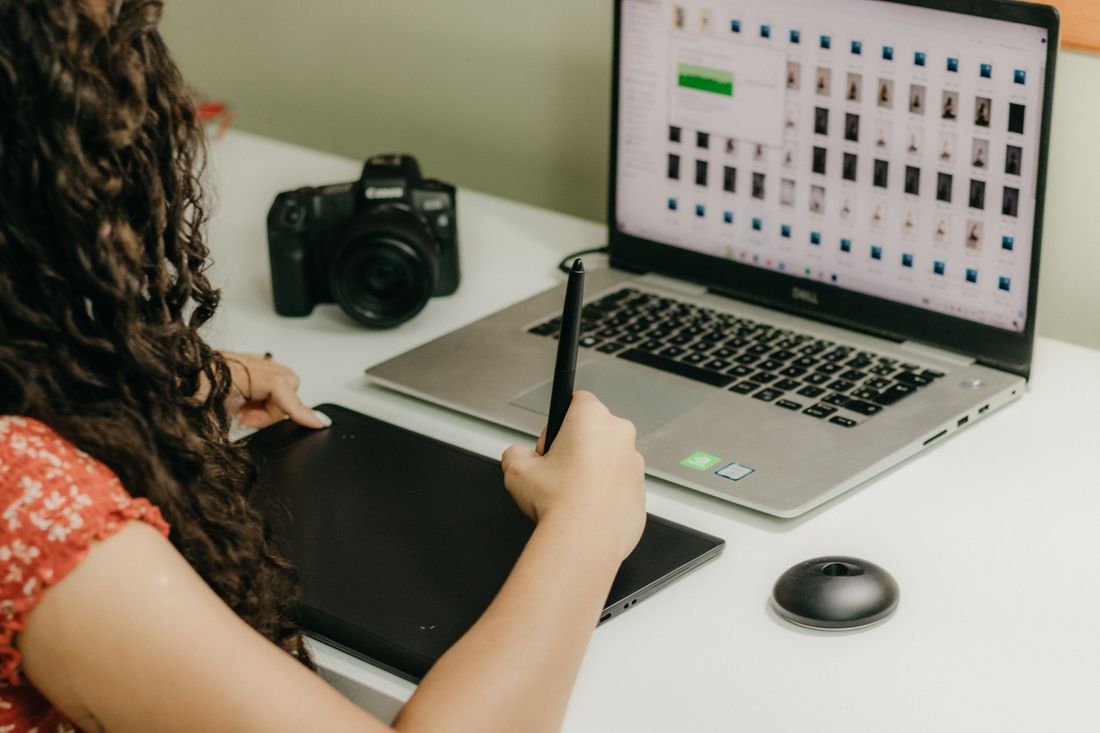
Photo by Kawê Rodrigues via Pexels.
Planning the Recap Clip Before You Ever Walk on Stage
A recap clip (the short highlight video from the talk itself) needs a plan made before the event, not during it: who's filming, where they're standing, whether it's a phone in the third row or someone hired for the session, and what happens to the footage afterward.
Decide this while planning the headshot and b-roll, not the morning of. If a friend or colleague is filming, tell them in advance where to stand and to hold the shot steady through the opening and closing lines, since those are what usually end up in the cut. If the budget allows for someone dedicated to capturing it, that person needs the run of show ahead of time (when you go on, how long the talk runs, whether there's audience Q&A worth keeping).
Skipping this step is how speakers end up with no usable footage from an event they were genuinely good at. The talk happened. Nothing exists to show for it. That's a planning gap, not a bad performance.
In-Person Keynote or Panel vs. a Remote Podcast Slot
An in-person keynote or panel puts your visual content in someone else's hands (the venue's lighting, the event photographer's angle, whoever's holding a phone for a recap), while a remote podcast puts it entirely in yours, since you're the one setting up the camera, light, and background before you click join.
That difference changes what's worth shooting ahead of time. For an in-person event, the headshot and b-roll matter more, because you have less control once you're on that stage. They're the version of you that exists outside the venue's own footage. For a remote podcast, the setup itself is the content: the lighting, framing, and background you build once can be reused across every remote appearance after it, which makes it worth getting right a single time rather than fixing it before every recording.
Panels sit in between. You're on someone else's stage, but usually seated and closer to camera, which makes you easier to light well even in a shared frame. Knowing which category the engagement falls into tells you where to put the prep time.
What the Event Organizer Actually Needs From You
Most event organizers ask a confirmed speaker for the same short list: a current headshot, a short bio, and sometimes a photo or clip for the marketing page, usually on a deadline that arrives faster than expected, often weeks before the event for a printed program or early promotion.
Having these ready the moment you're asked, instead of promising to send them soon, is a small but real signal of how you'll show up on the day. It also means the organizer uses the photo and footage you actually want representing you, rather than whatever they pull from an old conference bio or a dated profile photo because nothing else was on file in time.
None of this requires a big production. It requires having the headshot and a short b-roll clip already shot and saved before the request lands, so answering it is a two-minute email instead of a new task on top of everything else you're already juggling that same week.
Building the Timeline Backward From the Event Date
Once a speaking date is confirmed, the planning runs backward from it: book the headshot and b-roll session several weeks out, leave time for editing and retouching to actually land, and lock in who's capturing the recap clip well before travel and rehearsal take over the final week.
A useful rough order: as soon as the engagement is confirmed, book the shoot. As the date gets closer, confirm what the organizer needs and send it early rather than waiting to be chased. In the final week, confirm who's filming the recap and exactly where they'll stand (a five-minute conversation, not a shoot). On the day itself, the only job left is giving the talk.
Working backward like this turns a speaking engagement from a single looming deadline into a short, manageable sequence. That's really the whole difference between showing up with a usable content kit and showing up hoping something turns out. The order holds whether the engagement is a five-person panel or a stage in front of a few hundred people.
Frequently Asked Questions
How far in advance should I book a headshot before a speaking engagement?
As soon as the engagement is confirmed, ideally three to six weeks out. That leaves room to schedule the shoot around your calendar, get the images edited and delivered, and still have time to send them to the event organizer ahead of any program or marketing deadline. Booking in the final week leaves no room for a reshoot if the first session doesn't work, and no time to plan the recap clip at all.
What's different about content prep for a remote podcast versus an in-person keynote?
A remote podcast puts the setup entirely in your hands. Camera, lighting, and background are yours to build once and reuse for every future recording. An in-person keynote or panel puts more of the visual outcome in the venue's hands, so the headshot and b-roll you shoot ahead of time matter more, since they're the version of you that exists outside whatever footage the event itself produces.
Do I need new b-roll for every speaking engagement, or can I reuse footage?
A few minutes of well-shot, generic b-roll (you working, talking, in your element) can be reused across multiple speaking engagements without feeling repetitive, since it's rarely tied to one specific event. It's worth reshooting mainly when your setup, role, or appearance has changed enough that the old footage no longer looks like you. One good session can realistically cover several bookings before it needs a refresh.
Who should film my recap clip during the event itself?
Anyone can hold the camera, but they need a plan first: where to stand for a clean angle, when to start recording before you walk on, and to hold steady through the opening and closing lines, since those usually end up in the final cut. A colleague with clear instructions works fine for a simple recap. A hired videographer makes more sense if the recap needs to double as marketing footage afterward.
What if the event doesn't allow outside photographers or videographers?
Some venues and organizers restrict outside cameras, especially for closed or private events. In that case, the headshot and b-roll shot before the event become even more important, since they may be the only current, usable footage of you tied to that appearance. Ask the organizer directly whether they'll provide any coverage and whether you can get a copy. That answer should shape how much you invest in your own pre-shoot.
Related Reading
Got a launch coming up and no clear shot list yet?
Walk us through where the content needs to show up, site, LinkedIn, press, or a launch page, and we'll put together the scope and the price before you book anything.
See Personal Branding & Launches