
Personal-Brand Content for a Chief Product Officer
A Chief Product Officer's LinkedIn feed usually looks like one of two things: silence, or a repost of the company's own launch announcement with a line of agreement on top.
Read Article →Personal branding content usually gets discussed in general terms. These guides do not. They are built around specific career moments: a corporate spin-off's first content set, a retired athlete becoming an executive, a general counsel building a public voice, an operator turning angel investor. The content need is different every time.
Pick the guide that matches where you are. A new credential changes what your brand needs. So does moving from operator to investor, or being the technical co-founder who would rather be coding than posting. Start with the situation closest to yours.
A Chief Product Officer's LinkedIn feed usually looks like one of two things: silence, or a repost of the company's own launch announcement with a line of agreement on top.
Read Article →
There's a specific week that changes what a consultant's content has to do: the week the first hire's offer letter goes out.
Read Article →
A donor makes a named gift, the nonprofit plans an unveiling, a photographer gets booked, and everyone assumes the photo question is handled. It isn't.
Read Article →
A Chief Revenue Officer has spent a career selling — the product, the number, the story investors want to hear. Selling themselves is a different exercise, and most CROs have never had to do it.
Read Article →
A chief of staff's whole job description is invisibility. The role exists to make someone else look prepared, informed, and one step ahead, never to become the story itself.
Read Article →
An internal promotion at least starts with a photo on file, even a dated one. An external C-suite hire starts with nothing.
Read Article →
A corporate spin-off inherits almost everything a new company would want and almost none of what a new company actually needs. Real revenue. A staff that already knows the work.
Read Article →
A retired athlete moving into an executive role, an ownership stake, a front office job, a board seat, a founder title, doesn't step into a blank slate.
Read Article →
Most personal-brand advice inside a company is built for the CEO or the founder, which is exactly why an in-house General Counsel gets skipped — until a panel organizer asks for a bio.
Read Article →
An operator's personal brand runs on a simple proof: I built this, and here is what it looks like when it works.
Read Article →
Ask a company which executive needs a personal brand and the sustainability officer rarely comes up first.
Read Article →
A new professional credential doesn't ask for a new personal brand. It asks for a narrower, more precise update, the specific words that describe what changed, placed in the handful of surfaces.
Read Article →
Most founder-content advice assumes someone who wants to be on camera.
Read Article →
Most personal-branding advice for creative people boils down to one line: show the work.
Read Article →
A Chief People Officer can spend years communicating inside the company and then suddenly need a public voice.
Read Article →
Ask a CMO who at the company most needs personal brand content, and they'll name someone else before it occurs to them it might be their own answer.
Read Article →
An independent financial advisor starts every piece of marketing at a disadvantage a wirehouse advisor never thinks about: there's no recognizable firm name doing part of the work of being trusted.
Read Article →
Here's a pattern I keep noticing in nonprofit communications: an organization spends real effort making the executive director visible before a capital campaign.
Read Article →
A company that's added a CEO and a leadership bench but still looks like a one-person operation online has a content problem, not a branding problem.
Read Article →
Ask a talent agent or an artist manager what proves they're good at the job and most of them will start listing names, then stop themselves halfway through the sentence.
Read Article →
Somebody asks me at least once a month whether it's time to redo their personal brand photos, and almost every time the real answer has nothing to do with how long ago the last session was.
Read Article →
A hospital-issued headshot is built to make one clinician look interchangeable with every other name on the directory page — same backdrop, same crop, same lighting.
Read Article →
A professional speaker's brand video should work as a sales asset. How to plan the shoot, coverage, and refresh cadence that keep it booking work year-round.
Read Article →
Fifteen years into a career, the reputation is already real. What's usually missing is anything current that shows it — and the first personal brand shoot for someone at this stage is a different job.
Read Article →
Someone who spent years building a visible career and then stepped away for a while comes back to find their entire photo library out of date — the headshot on the old bio page, the panel shot.
Read Article →
National press coverage produces a specific kind of urgency: real attention, and often, not much usable visual material to meet it with.
Read Article →
A nonprofit's website usually treats every staff photo the same way: same backdrop, same crop, filed under "team." That works fine for a roster page and badly for two specific readers.
Read Article →
Ian Sowden crossed 100,000 followers, so we went out to make photos for it. The sharp, well-lit, perfectly correct ones were the wrong answer, and figuring out why changed how I shoot creator and founder content.
Read Article →
Here's something that gets missed on almost every nonprofit communications plan: the board chair and the executive director are not the same visual job.
Read Article →
Ask a company who needs a personal brand and the answer is almost automatic: the CEO. That instinct isn't wrong, exactly — it's just incomplete.
Read Article →
A founder's personal brand and a soon-to-be-public CEO's image library are not the same asset, and treating them as interchangeable is how comms teams end up scrambling.
Read Article →
Most founding teams end up with one public face almost by accident. One person is better on camera, more available for interviews, or simply got there first, and the habit sets before anyone decides.
Read Article →
A building launch has a date on the calendar. The developer's credibility doesn't get to wait for it. Buyers evaluating a pre-construction purchase are trusting a person as much as a set of floor.
Read Article →
An outside hire arrives with a blank slate. Someone has to build their public face from scratch, so a fresh portrait usually gets planned in as part of the announcement.
Read Article →
Most founder origin-story content overshares. A page meant to establish trust turns into a timeline of childhood interests, first jobs, and every pivot along the way, on the theory that more personal.
Read Article →
A multi-unit operator asked me a version of this question recently, not as a client, just in conversation: do I need new photos every time I open a location.
Read Article →
A board seat isn't a full rebrand and it isn't nothing either. Here's the short, specific content update a board appointment actually calls for.
Read Article →
A firm's brand film speaks for everyone. A partner's personal video has to speak for one person, one practice, and one name someone already searched.
Read Article →
A faculty headshot covers one session. A professor doing regular press and op-eds needs an ongoing portrait and clip cadence, not a single shoot.
Read Article →
Say the company is headquartered in Stamford, or Princeton, or a converted mill outside Philadelphia, and the audience it's trying to reach is national.
Read Article →
A leadership summit in the New Jersey pharma corridor or a town hall in the Fairfield County finance belt has one thing a scrappy startup's all-hands never had to deal with: someone outside marketing.
Read Article →
A fitness or wellness studio's own feed can be full of class schedules, group-workout shots, and promo graphics, and still never actually introduce the person who built the place.
Read Article →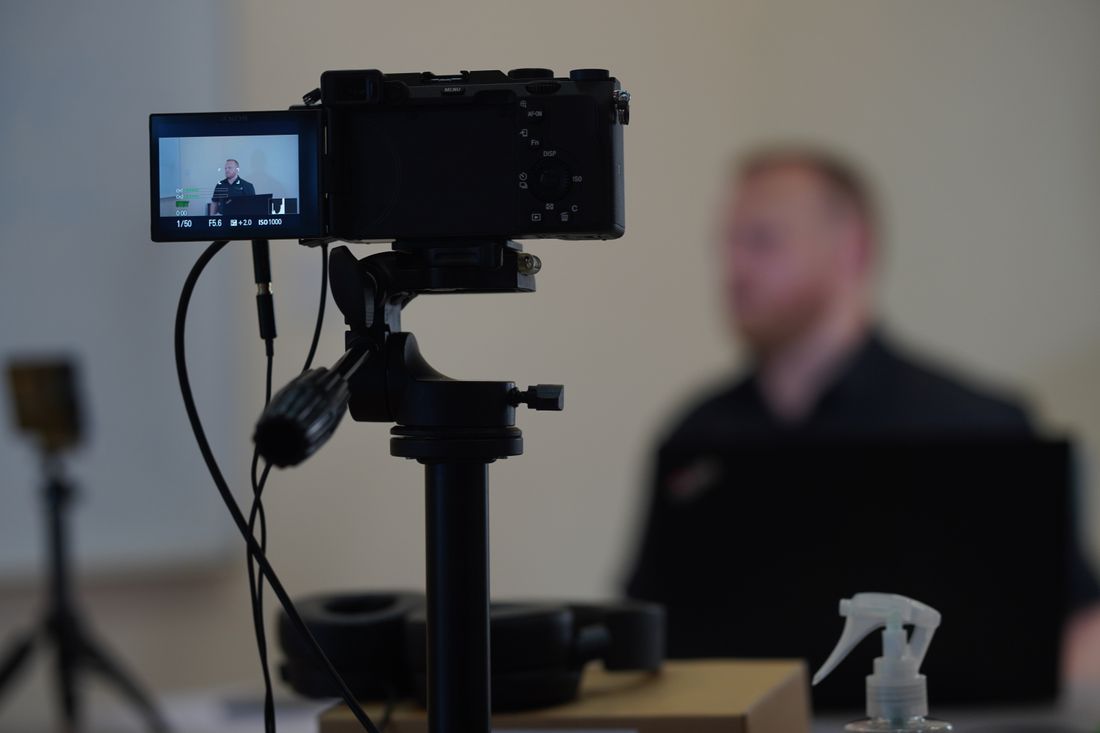
Every leader has said something at an all-hands that was better than anything from their last ten LinkedIn posts combined — sharper, funnier, more honest — and then let it disappear into an internal.
Read Article →
A funding round closes and the audience looking at your company changes overnight — press, job candidates, customers, other investors, most of them paying attention for the first time.
Read Article →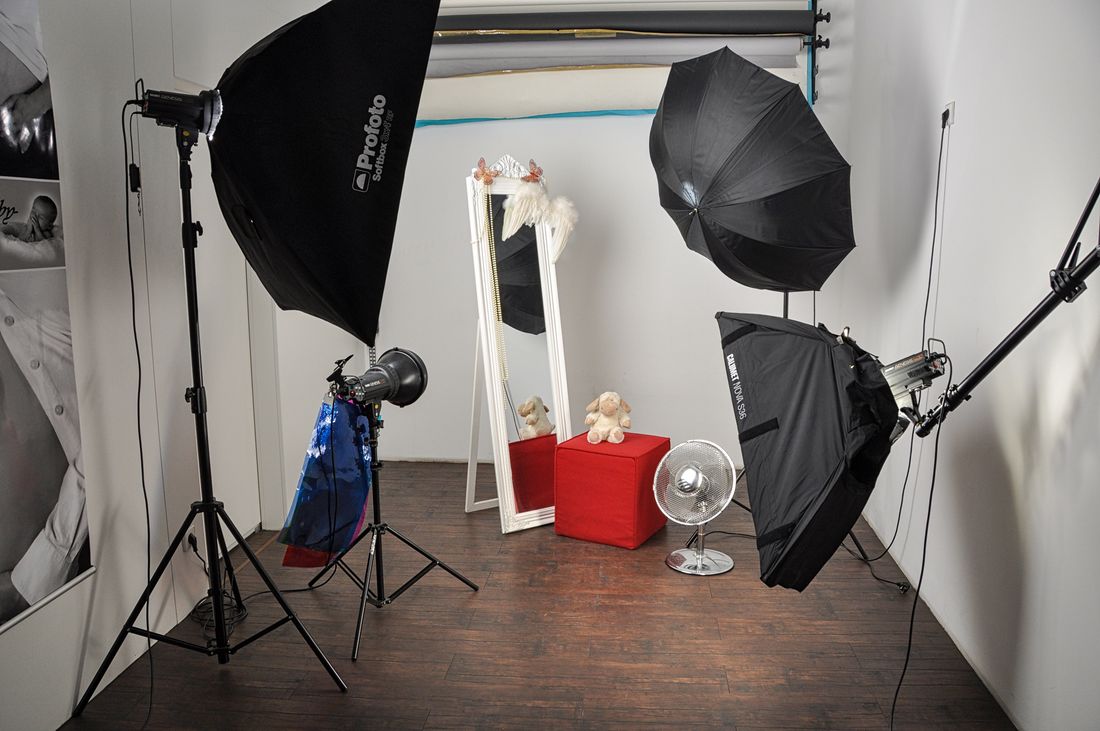
Somewhere between the deal closing and the public announcement, someone has to figure out how two companies with different visual identities, two headshot styles, and two leadership teams are.
Read Article →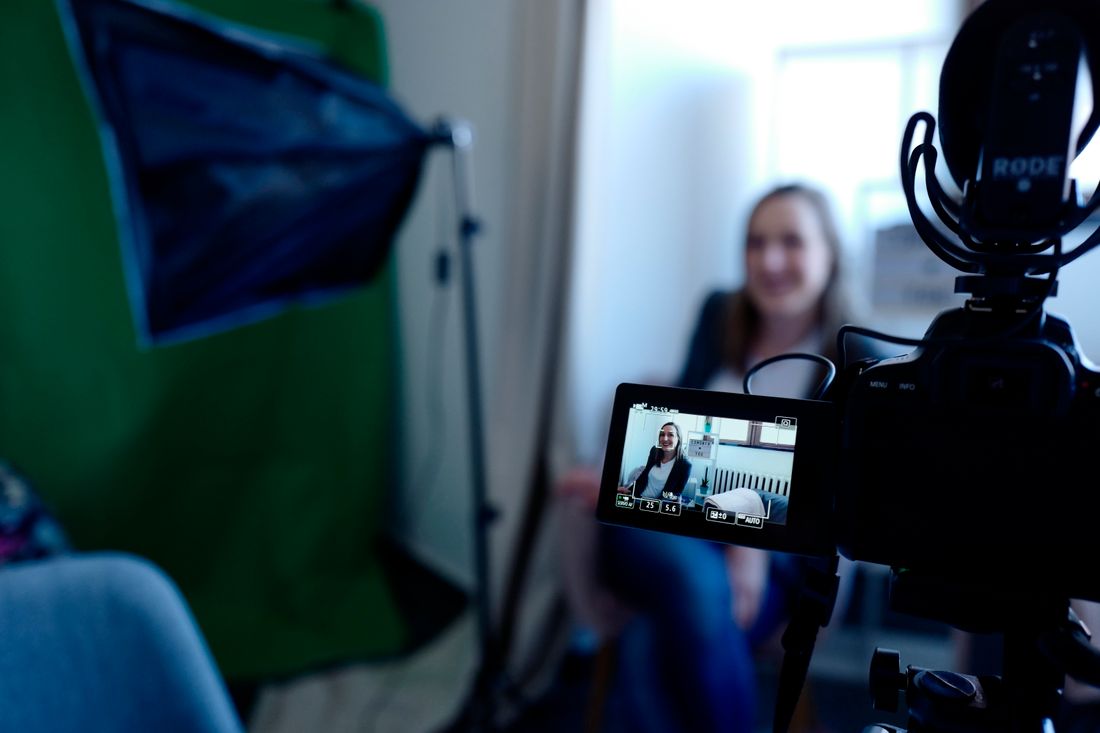
Major donors form an impression of an executive director before the ask ever happens — from a portrait on a case statement cover, a short video link sent ahead of a meeting, a photo of the person.
Read Article →
A restaurant group's venues already have someone shooting the food and the room. What the operator behind those venues needs is different: content built around the founder — for press, a.
Read Article →
Newsletters start with a stock photo in the header because starting matters more than branding. Two thousand subscribers later that photo is still there, quietly.
Read Article →
A book launch takes about six weeks. The gap to the next one takes about three years. Almost all author content advice is written for the six weeks, which is why.
Read Article →
An app and a physical product get pitched with the same words — launch, reveal, drop — and then need almost opposite content. One has nothing to photograph and.
Read Article →
Give a founder a script and watch what happens the second the camera rolls: the eyes drift up while they hunt for the next line, the cadence flattens into a read-through, and the person who was.
Read Article →
A written quarterly update gets skimmed for the numbers and filed. A five-minute video gets watched, often by the one partner on your board who actually reports upward to their own LPs — and once you.
Read Article →
Before anyone reads a word of your bio, they read the block behind you. Marble and glass says one thing, exposed brick says another, and a cast-iron storefront says a third — and that read happens.
Read Article →
The build phase is the one part of a launch nobody books a camera for. It's also the only part that can't be reshot once the thing is finished — the finished object stays around, but the version of.
Read Article →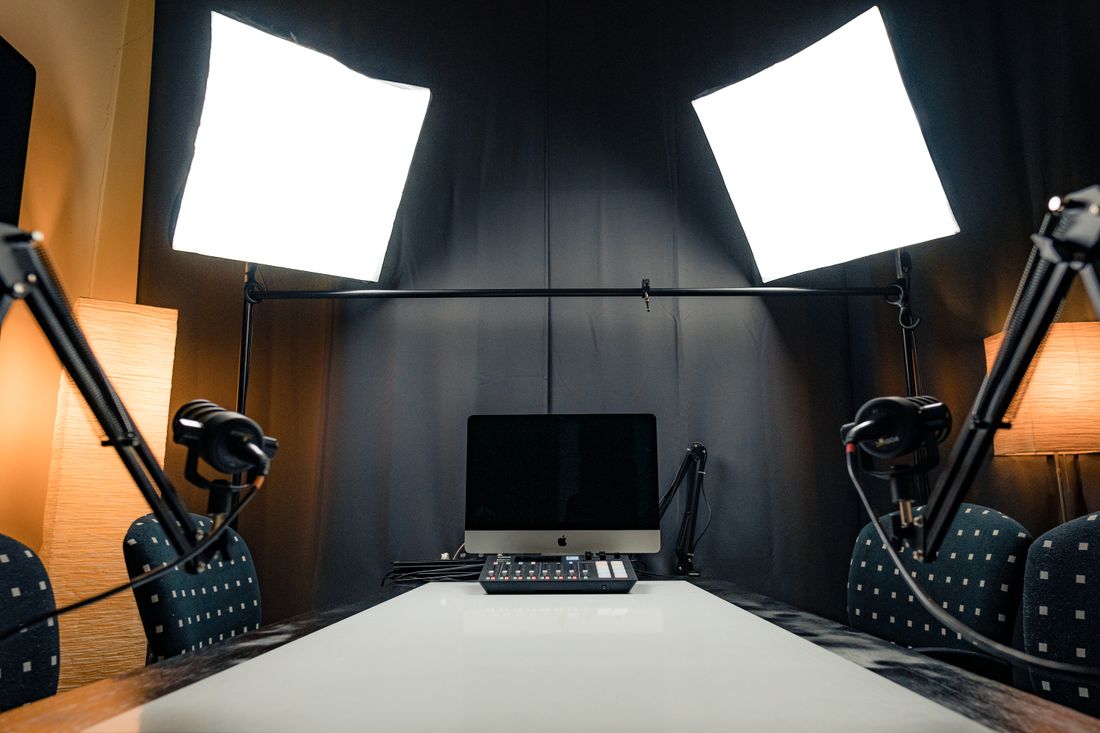
A podcast launch budget almost always goes entirely to the audio chain. Then the show launches into a directory, competing as a thumbnail against a thousand other thumbnails, and there's nothing on.
Read Article →
A founder's personal brand runs on a company's calendar — a raise, a launch, a new hire, with a business behind them absorbing everything else. A consultant or coach has none of that.
Read Article →
Nobody emails a founder to say the press kit photos didn't work. A reporter on deadline just doesn't use them, grabs a LinkedIn screenshot instead, or runs the story with no image at all.
Read Article →
Companies planning anniversary content usually start from the number — five years, ten, twenty-five — and work backward to find a reason it matters. That's the wrong order.
Read Article →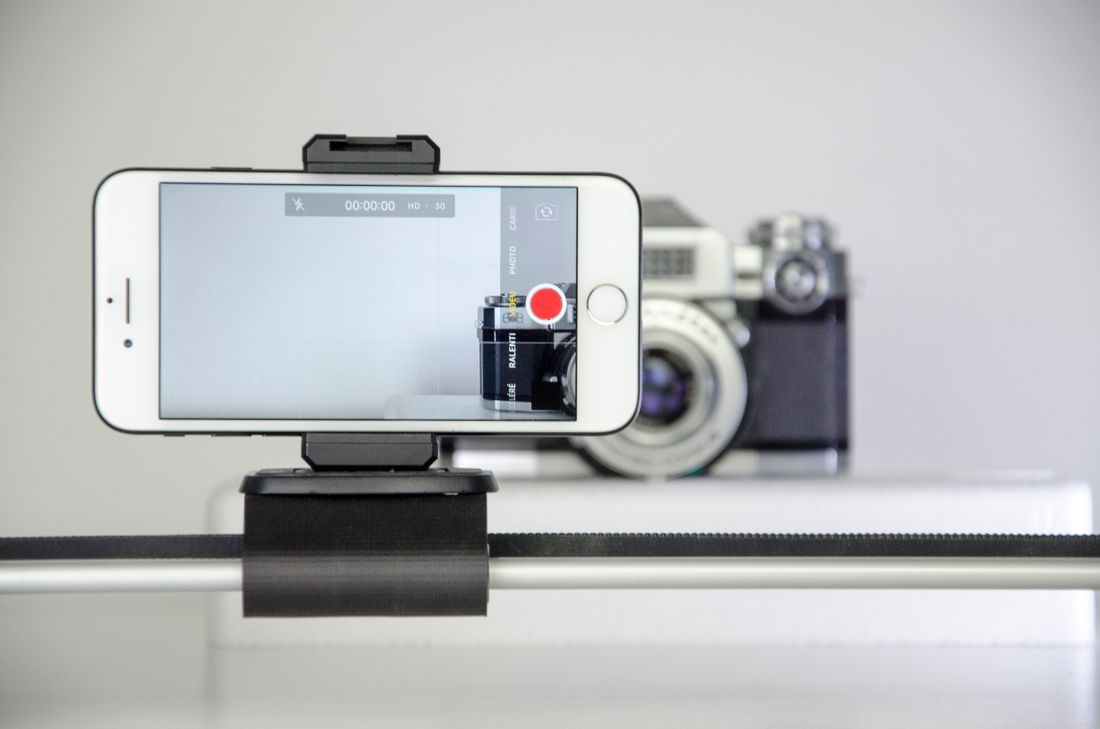
Every crowdfunding platform has the same visual accent by now: a founder on a stool, soft window light, an acoustic guitar swelling under a voiceover about a dream.
Read Article →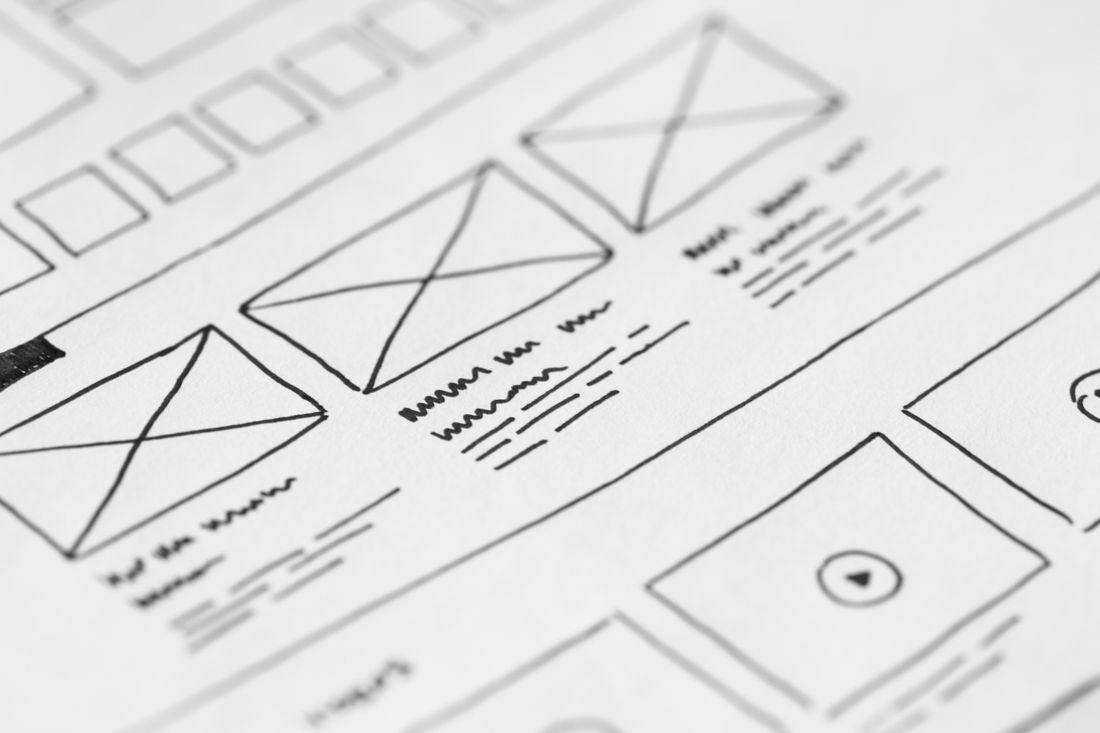
A website redesign isn’t really a design and development project with images added at the end — it’s a photography and video project that a designer and developer happen to be building the container.
Read Article →
A founder day-in-the-life video is one of the easiest formats to pitch and one of the easiest to get wrong.
Read Article →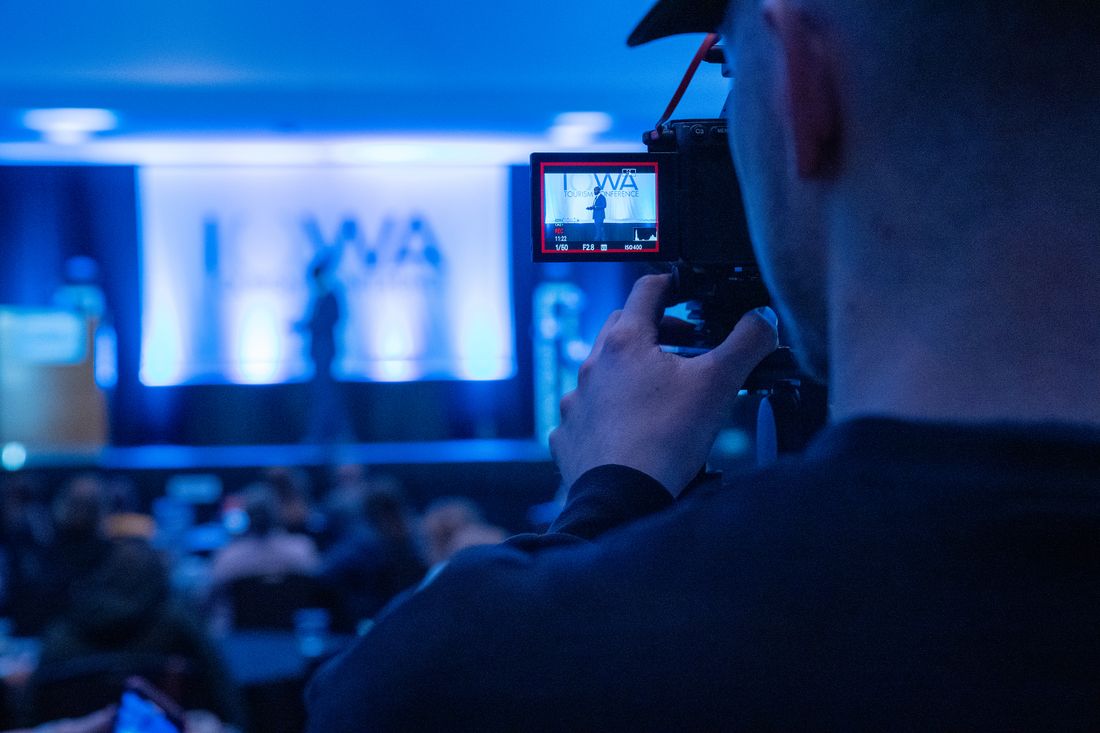
A great talk doesn't sell the next one on its own. The room that heard it remembers for a week, then moves on to the next thing — what keeps working after everyone's gone home is footage, and most of.
Read Article →
Most About pages that have a video get the video wrong in the same way: someone shot it like a miniature brand film, an opening shot of the office, a few seconds of b-roll, a founder narrating.
Read Article →
A leadership announcement is one of the few pieces of company content with a publication date set before the content exists. The press release is drafted, the date is locked, and the person.
Read Article →
Most founders book a shoot day expecting a quarter of LinkedIn content and walk away with three weeks of it, and the difference almost never comes down to who was behind the camera.
Read Article →
One podcast guest spot or panel seat can produce a portrait, video clips, and quote graphics — but only if you plan the capture before you show up.
Read Article →
A laptop and a video link aren't a webinar production. Here's the lighting, audio, framing, and backup-recording layer a virtual event still needs on the day.
Read Article →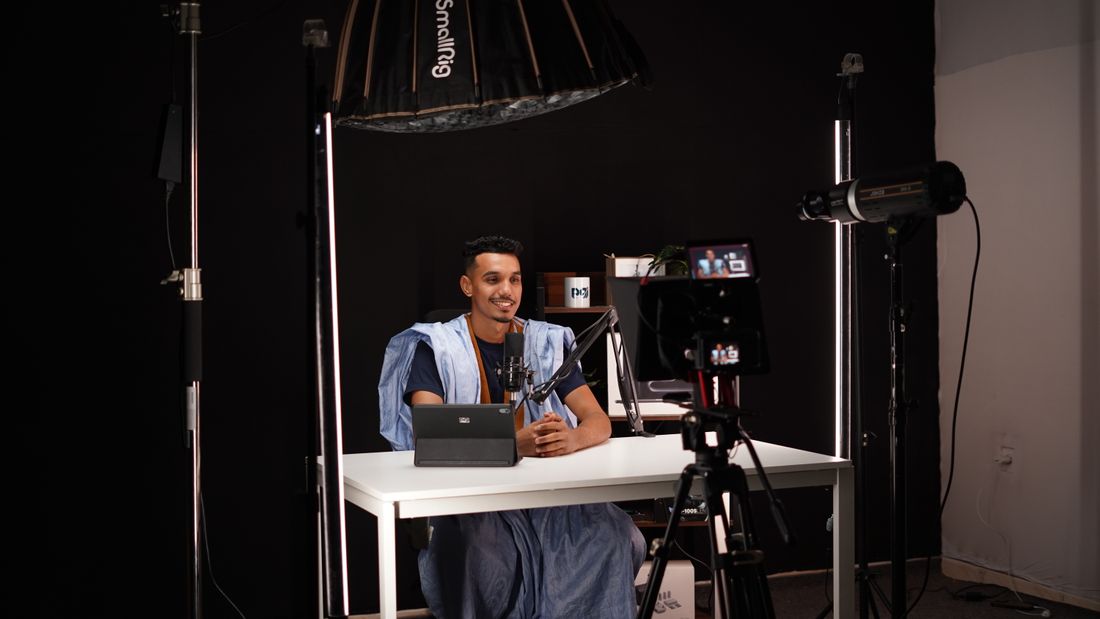
Before committing to a monthly thought-leadership series, one well-made video tells you if the format, the person, and the argument actually work.
Read Article →
Switching industries or going from employee to founder? Here's what to actually change in your personal brand photos and message, and what carries over.
Read Article →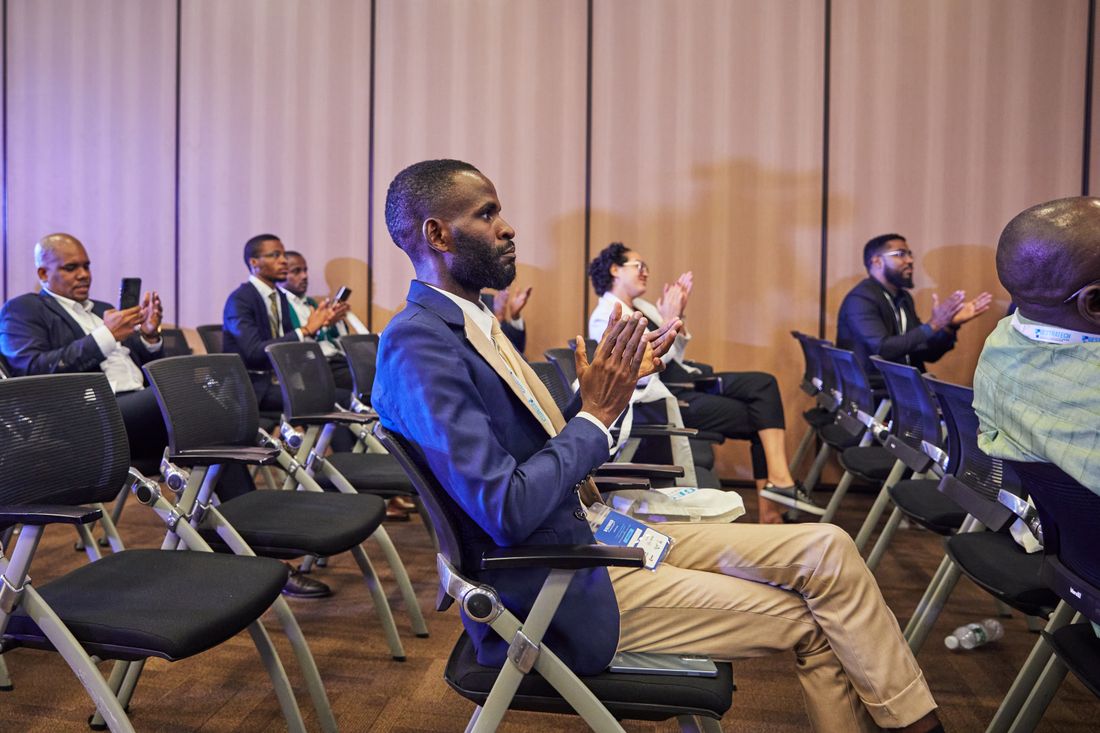
What a company rebrand needs on camera to prove the change is real: before/after contrast, the unveiling moment, and refreshed team, office, product content.
Read Article →
Before a raise, a short list of photo and video needs to exist — founder portrait, product footage, team shots. How to scope it. Production guidance only.
Read Article →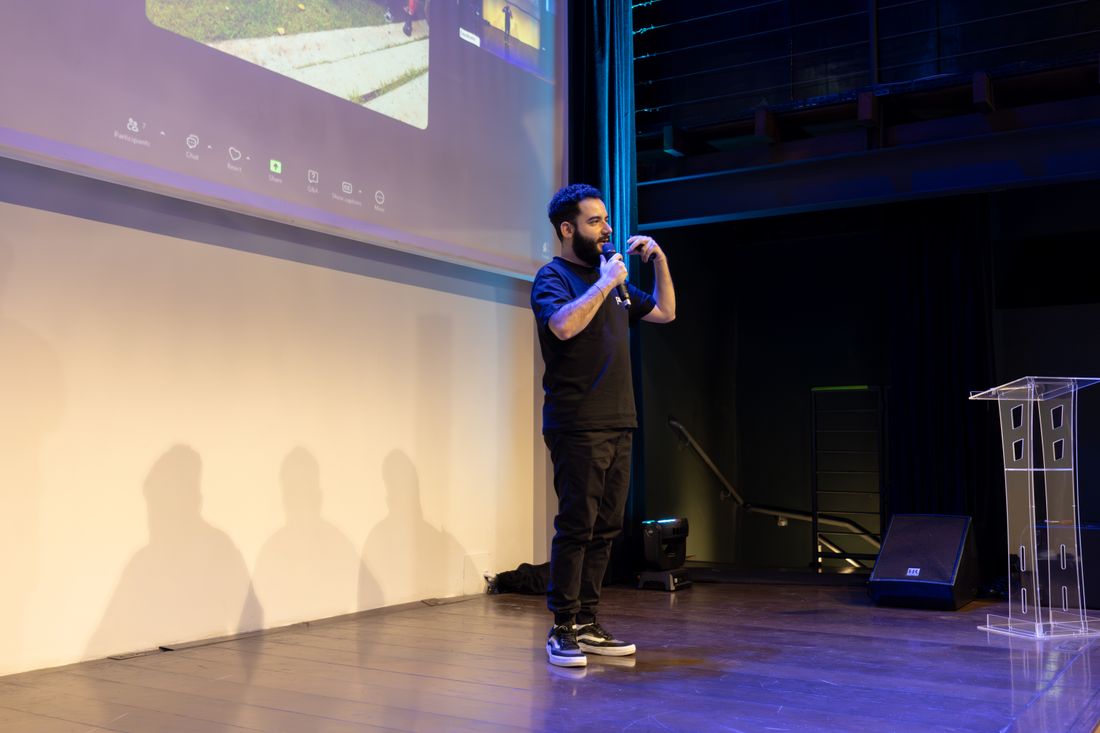
The photo on the program and the clip on the marketing page don't happen by accident. They get planned weeks before you walk on stage, not the week of.
Read Article →
A book launch needs an author portrait, event coverage, and social clips — three deliverables, not one generic event package.
Read Article →
A drone shot isn't automatically an upgrade. When scale genuinely helps the story, and the real NYC permit rules.
Read Article →
Content is what a personal brand produces. A point of view is what makes any of it worth producing — and it decides format and frequency too.
Read Article →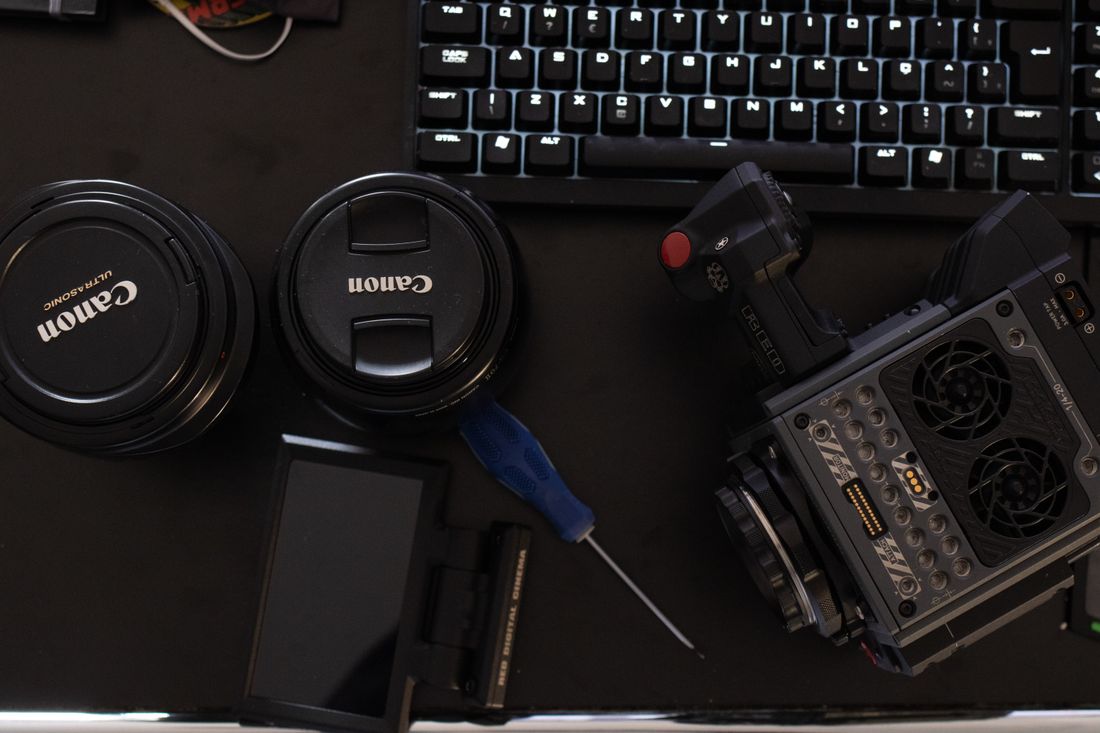
The right answer isn't about budget. It's about how fast your message goes stale.
Read Article →
A photo answers what you look like. Video answers what you're like. Most requests only need one of those solved well.
Read Article →
Plan the announcement, the live release, and the follow-up as one useful photo and video library instead of three unrelated emergencies.
Read Article →
A useful first content set is smaller than the platform list. Build recognition, explain the business, show proof, and skip the twelve-platform circus.
Read Article →
Stop scrambling for last-minute photography and video. How to plan your corporate visual content needs a year ahead—budgeting, scheduling, and avoiding the content gaps that make marketing teams panic.
Read Article →No sales pitch. No mystery pricing.
Send us the details, we'll send you options.