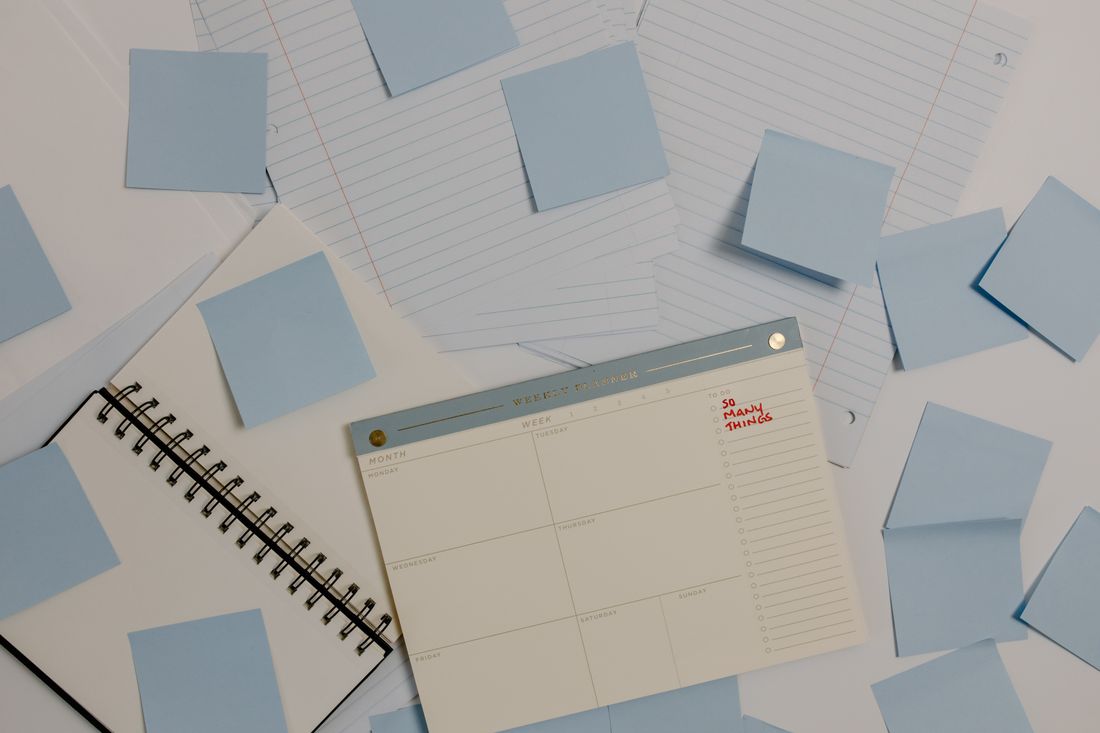
Photo by Tara Winstead via Pexels.
Most founders book a shoot day expecting a quarter of LinkedIn content and walk away with three weeks of it, and the difference almost never comes down to who was behind the camera.
One shoot day can supply roughly a quarter of LinkedIn content when it is planned backward from the posting calendar: wardrobe and location changes create variety, and the day is shot for reuse (multiple crops, clean video takes, real b-roll) rather than for a single hero image.
Table of Contents
- Why One Day Usually Produces Three Weeks, Not Thirteen
- Plan Backward From the Posting Calendar, Not Forward From a Shot List
- Wardrobe, Location, and Setup Changes Are the Cheapest Lever You Have
- The Asset Classes One Day Can Actually Produce
- Shoot for Reuse, Not for One Hero Image
- What Genuinely Can't Be Batched
- The Honest Limits: Supporting Content, Not a Quarter of News
- How to Brief the Day So It Actually Produces the Material
Why One Day Usually Produces Three Weeks, Not Thirteen
A single shoot day typically covers three or four weeks of LinkedIn content, not a full quarter, and the shortfall traces back to planning. The day got booked as a shoot with one deliverable in mind (a new headshot, a launch video) instead of being planned as a set of reusable assets from the start.
Ninety days of supporting content from one day is possible, but it's a planning outcome, not a lighting trick. It means walking into the day already knowing which weeks need a portrait, which need a short talking clip, and which need a quote pulled from something said on camera. Treat the shoot like a single event and you walk away with one clean gallery and one video file, fine for a launch post, thin for a season of posts. Treat it like a content inventory and the same few hours produces portraits at several crops, a handful of talking clips, some footage of the actual work, and a set of vertical frames. The difference isn't more time on set. It's what got asked for before the day started.
Plan Backward From the Posting Calendar, Not Forward From a Shot List
Plan a shoot day backward from an actual posting calendar, not forward from a shot list. Lay out roughly thirteen weeks of planned posts first (what each one needs to say and what format it should take), then build the day's shot list to cover exactly those gaps, instead of shooting broadly and hoping something fits later.
Working forward from a shot list produces a pile of assets and a scramble to caption them later, which is how a shoot day quietly turns into three weeks of usable posts instead of thirteen. Working backward from the calendar means the portrait crop, the talking clip length, and the quote still all get decided before anyone shows up. A founder posting twice a week for a quarter needs roughly twenty-six slots, some can repeat a format with a new topic, some need a distinct visual. Mapping that first turns the shoot into a checklist: three wardrobe changes to cover, two locations, four topics on camera. Nothing on set gets improvised, because the calendar already said what was missing.
Wardrobe, Location, and Setup Changes Are the Cheapest Lever You Have
Changing wardrobe, location, and lighting setup within a single day is the single biggest lever for making a quarter of posts look distinct, and it costs almost nothing beyond a bit of extra time between changes. Three outfits and two spots inside one building can read as three separate shoots once they hit a feed spaced weeks apart.
A feed built from one unbroken block of identical-looking frames reads as recycled the moment two posts land in the same week (same shirt, same wall, same light). Swapping a blazer for a sweater, moving from a desk to a window, or resetting a background between setups breaks that pattern without adding shoot days or budget. This is the cheapest variable on a call sheet: wardrobe changes take minutes, a second location inside the same building takes no travel, and a different light setup is a stand moved a few feet. None of it changes the cost of the day. What it changes is whether ninety days of posts feel like one photo cropped nine different ways or like nine separate moments in someone's actual work.
The Asset Classes One Day Can Actually Produce
One well-planned day can produce five distinct asset classes: portraits at several crops (tight headshot, waist-up, environmental), short seated clips of someone talking to camera, b-roll of the actual work happening, quote stills pulled from spoken lines, and a vertical set framed for Stories and Reels. Each class serves a different kind of post.
Portraits at multiple crops cover the profile photo, the article header, and the "new title" announcement without a separate session. Seated talking clips (thirty to ninety seconds each, shot in short takes rather than one long ramble) become the native video posts that carry a specific point. B-roll of the real work, hands on a keyboard, a whiteboard session, a walk through the space, fills the gaps between talking-head posts and gives the feed texture. Quote stills come from the talking clips themselves: a strong sentence, pulled and set as a still frame or text overlay. The vertical set exists because horizontal footage crops badly for mobile-first formats, so a few minutes shooting portrait orientation on purpose saves reformatting later.
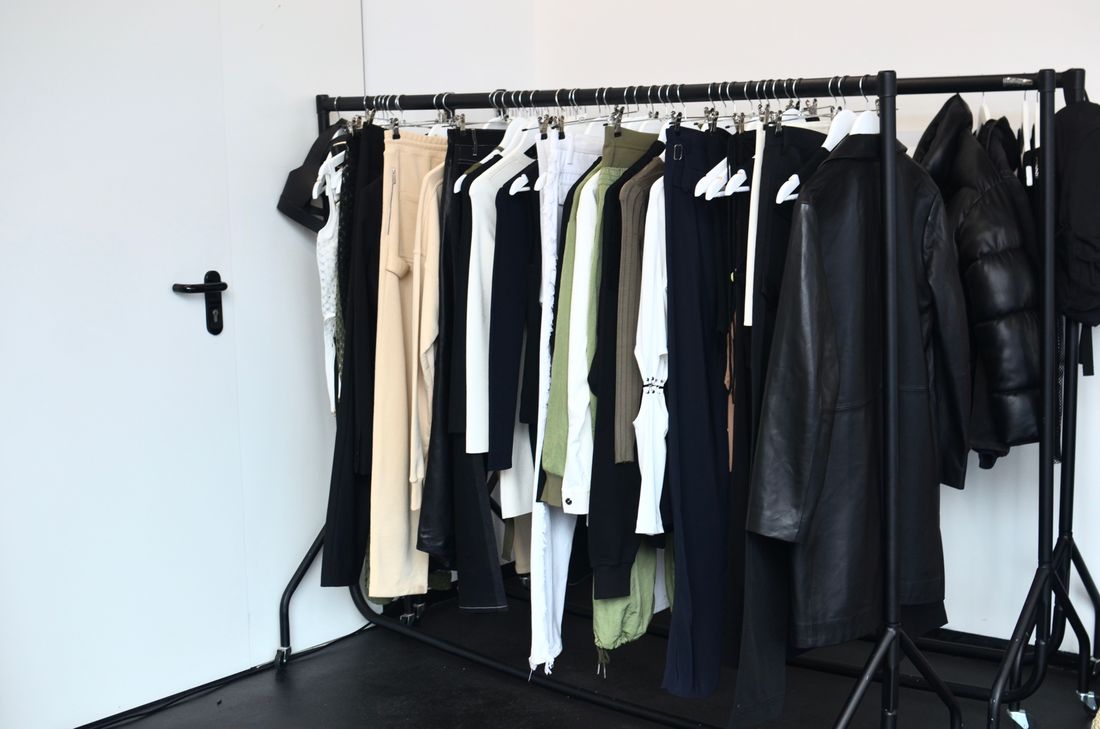
Photo by Skylar Kang via Pexels.
Shoot for Reuse, Not for One Hero Image
Shooting for reuse means capturing width and repetition on set instead of chasing one perfect hero image, several takes of the same setup, headroom left in the frame for different crops, and short pauses between sentences on video so a thirty-second clip can be cut cleanly from a longer take without an awkward mid-word edit.
A single hero shot is optimized for one use: the homepage photo, the one big launch post. It's tight, deliberate, and hard to repurpose because every choice (the crop, the pose, the exact expression) was made for that one frame. Reuse-minded shooting works differently. Leave space above the head so a square crop and a vertical crop both work from the same file. Get three or four honest expressions in a row instead of one perfect one, because different posts call for different tones. On video, ask for natural pauses between complete thoughts rather than one continuous take, so an editor can lift a clean fifteen-second answer without reaching into the middle of a sentence. None of this looks different on the day. It just leaves more usable material once the shoot is over.
What Genuinely Can't Be Batched
Reaction to real news, commentary on something that happened this week, and anything tied to a live event genuinely can't be batched from a single shoot day months in advance. That content depends on timing it doesn't have yet, and pre-shooting it either dates it badly or forces a generic angle that ages worse than posting nothing.
A quote still about an industry shift only lands if it's responding to something the audience already knows about. A clip filmed three months before a conference can't reference who actually showed up or what got said on a panel. This is the honest edge of batching: it works for supporting content (the portraits, the process footage, the recurring-format posts) and it doesn't work for time-sensitive commentary, because that commentary's entire value is being current. Trying to force those posts into a pre-shot library usually produces something vague enough to survive any month, which also makes it forgettable. The fix isn't more shooting. It's knowing in advance which slots on the calendar are reserved for whatever's actually happening that week, and leaving them empty until then.
The Honest Limits: Supporting Content, Not a Quarter of News
A quarter of content from one shoot day is a quarter of supporting content, not a quarter of news. It fills the portrait posts, the process clips, the recurring "here's what I'm working on" format, the material that doesn't depend on timing. It was never meant to replace the handful of posts that only work because they're current.
Overselling this trade is where it breaks: a founder who books one day expecting ninety days of everything, including commentary and reactions, ends up disappointed by month two, not because the shoot underperformed but because the plan asked it to do something batched content structurally can't do. The honest framing is closer to a pantry than a menu. The shoot stocks portraits, b-roll, and talking clips that get pulled out and used as needed, while the timely posts still get written and shot separately, closer to when they're actually relevant. Setting that expectation before the shoot, not after, is what keeps a quarter of content from feeling like it quietly ran out in week five.
How to Brief the Day So It Actually Produces the Material
Briefing a shoot day for reuse means walking in with the posting calendar, the wardrobe changes, and the list of talking points already decided, not figuring it out on set. We build that list with a client before the camera comes out: which weeks need a portrait, which need a clip, which topics get said out loud on camera.
In practice that brief is short: two or three outfits, one or two locations inside the same space, four or five topics to talk through on camera in short, complete-thought takes, and a plan to shoot a vertical pass alongside the horizontal one. None of that adds meaningfully to the day. It changes how the existing hours get used. What comes out the other side isn't one hero photo and a highlight reel; it's a folder of portraits at different crops, a handful of clean video answers, some real b-roll, and a few strong quote stills, ready to get scheduled against the calendar built beforehand. The shoot day did the work. The calendar just tells it where to go.
Frequently Asked Questions
How many LinkedIn posts can one shoot day realistically produce?
A well-planned day usually covers three to four weeks of posts at a normal posting pace, and closer to ninety days of supporting material when the day is built for variety and reuse from the start, not just a single deliverable. The gap between those two outcomes is planning, not shooting skill. The same few hours produce very different amounts of usable content depending on what got mapped out beforehand, on paper, before anyone showed up.
What actually needs to happen on set to get 90 days of content from one shoot?
Plan wardrobe and location changes ahead of time, capture portraits at several crops, get short seated clips on distinct topics recorded in clean complete-thought takes, shoot some real b-roll of the actual work happening, and film a vertical pass alongside the horizontal footage. None of it takes much extra time on the day. It just requires deciding what's actually needed before the camera comes out, not improvising once the shoot is already underway.
Do I need to shoot in multiple locations to make one day look like several shoots?
No. Wardrobe and setup changes inside a single space do most of the visual work. Two or three outfits, a second corner of the same office, and a reset light position are usually enough to break the pattern of every post looking identical when they land on a feed weeks apart. A second physical location adds more range, but it isn't required to avoid a recycled, repetitive-looking feed.
Can one shoot day cover time-sensitive LinkedIn posts, like reactions to news?
No. Commentary on current events, live reactions, and anything tied to a specific date only lands if it's shot and posted close to that actual moment. Pre-shooting it months out either dates it badly or forces a vague angle that ages worse than posting nothing at all. One shoot day supplies supporting content like portraits and process footage; timely posts still need their own separate, closer-to-the-moment shoot or clip.
How far ahead should I plan a content shoot day for LinkedIn?
Map the posting calendar first (roughly the next quarter's worth of planned posts and what each one actually needs, format and topic) before booking the shoot day itself. That backward planning, done a few weeks out, is what turns a single day into weeks of genuinely usable material instead of a pile of assets nobody quite knows how to caption once the shoot is already over.
Related Reading
Working on founder content or a launch and not sure what to shoot?
Tell us where the content needs to live (site, LinkedIn, press, or a launch page) and we'll come back with the scope and a fixed price before anything gets booked.
See Personal Branding & Launches