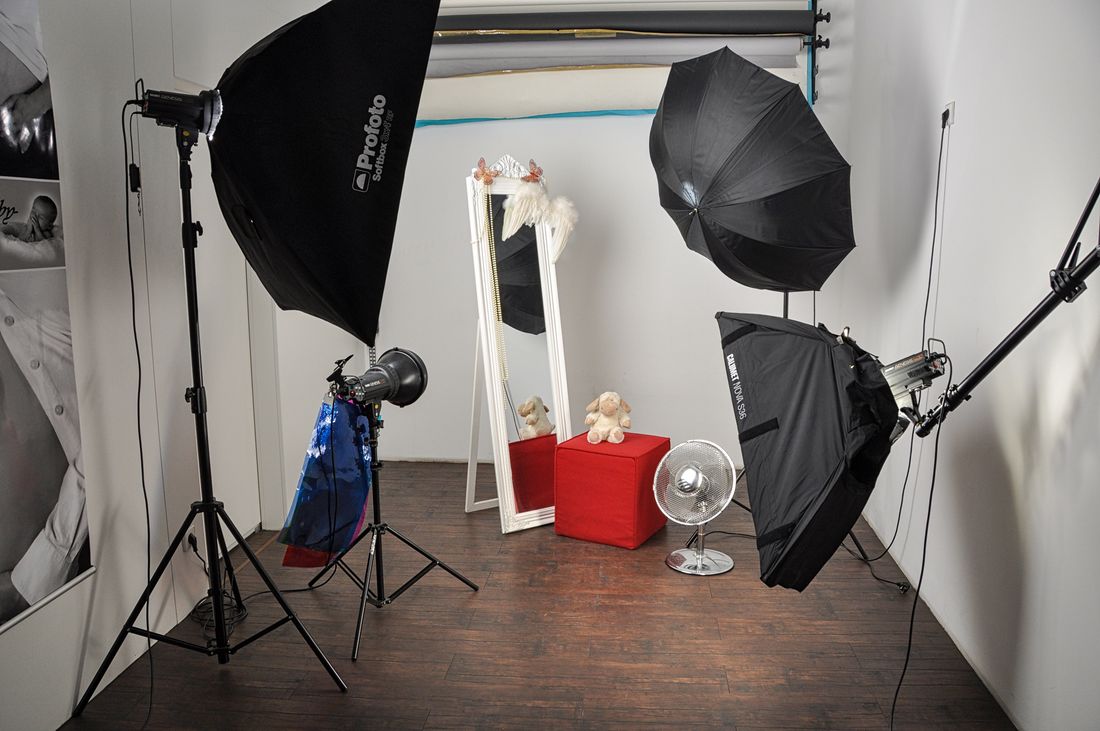
Photo by Antonio Friedemann via Pexels.
Somewhere between the deal closing and the public announcement, someone has to figure out how two companies with different visual identities, two headshot styles, and two leadership teams are supposed to look like one organization by a fixed date. That's not a legal question or a financial one. It's a shoot that has to get planned and booked before most of the people involved are even allowed to say why.
The real work of a merger announcement is production, not messaging: combined leadership portraits shot as one team, a brand-transition video that doesn't favor either company's old look, and a mismatched headshot library that needs a real plan, all built around a date that stays confidential until days before it goes public.
Table of Contents
- Why a Merger Announcement Is a Production Problem, Not Just a Deal Problem
- Combined Leadership Portraits: Two Teams, One Consistent Look
- The Mismatched Headshot Library You Inherit on Day One
- The Brand-Transition Messaging Video
- Two Visual Systems Colliding on Announcement Day
- Planning a Shoot Around a Confidential, Fixed Date
- What You Can Shoot Before the Announcement Leaks
- Rolling Out Content the Moment the Announcement Goes Live
Why a Merger Announcement Is a Production Problem, Not Just a Deal Problem
A merger announcement fails visually when two companies that spent years building separate visual identities have to look like one organization by a single fixed date, and nobody assigned the job of making that happen until weeks before the news went out. The deal team scopes the deal. Nobody scopes the pictures.
By the time marketing gets pulled in, there's usually a leadership team that's never been photographed together, two headshot libraries shot years apart by different photographers, and a messaging video that has to explain the change without leaning on either company's old brand look. None of that is a deal problem. It's a production problem, and it behaves like one: it has a schedule, a crew, a shot list, and a deadline that doesn't move because a press release already has a date on it.
Treating it that way early is what keeps announcement day from looking rushed. Treating it as an afterthought to the legal work is how you end up with a leadership photo that's obviously two headshots pasted next to each other.
Combined Leadership Portraits: Two Teams, One Consistent Look
A combined leadership portrait works when every executive from both companies is shot in one session, under the same light, against the same background, so the photo reads as a single team rather than two teams standing near each other. Mixing an old headshot with a new one undercuts the message immediately.
In practice, this means booking one session that includes every name going on the new leadership page, not staggering it around whoever's available first. We treat it the way we'd treat any team page: same lighting setup, same crop, same retoucher, one continuity note that travels with the file so a later addition still matches. Wardrobe guidance matters more here than usual — two companies often have different dress norms, and a portrait row where one side is in blazers and the other is in half-zips reads as unresolved before anyone reads a name.
The goal isn't a flashy portrait. It's one nobody can tell was assembled from two different companies.
The Mismatched Headshot Library You Inherit on Day One
Every merger inherits two headshot libraries built independently, on different backgrounds, under different lighting, retouched by different people over different years, and the combined directory has to use all of it the day the announcement goes live. That mismatch is the least glamorous problem in a merger, and the easiest to skip under time pressure.
The honest options are limited. Reshoot everyone before the date, which takes real scheduling across two calendars and isn't always possible with a fixed deadline. Reshoot only the people appearing in launch materials — the leadership page, the press kit — and schedule the rest for after. Or standardize retouching and cropping across the existing photos as a stopgap, which narrows the gap without closing it.
What doesn't work is publishing the combined directory as-is and hoping nobody notices two visibly different photo styles sitting in the same grid. Someone always notices, and it reads as exactly what it is: two companies that haven't finished becoming one yet.
The Brand-Transition Messaging Video
A brand-transition video explains what's changing and why, filmed cleanly enough that it doesn't visually favor either legacy company, and it needs its own shoot plan — not a repurposed clip from one side's old brand video with new narration over it. Who appears on camera, and how they're framed, says as much as the script does.
We plan these around a simple rule: leadership from both sides on camera in the same visual treatment, same set or same background style, same interview setup, so the video doesn't quietly signal which company is really running the show. That's often the first thing employees and clients notice, whether or not it was intentional. The set itself should avoid either company's old signage, colors, or branded backdrop — a neutral space reads as the new, shared identity better than either legacy office does.
Length matters too. This isn't a corporate history piece; it's a short, direct explainer meant to be watched once and understood, not sat through.
Photo by Mikhail Nilov via Pexels.
Two Visual Systems Colliding on Announcement Day
Two companies bring two logos, two color palettes, two photo styles, and two slide templates into one announcement, and all of it either gets resolved into a single visual system before the date or it ships looking unresolved. Photography and video are downstream of that decision, not separate from it.
The practical fix is naming, early, which visual system governs the announcement assets — the acquiring company's, the combined company's new one if it's ready in time, or a deliberately neutral interim look everyone agrees to use until a full identity exists. Whatever gets picked needs to reach the photographer and video team as a real reference file, not a verbal description, since color, background, and graphic treatment all need to match it precisely, and a mismatched blue reads as carelessly as a mismatched logo.
Skipping this step doesn't avoid the decision. It just means the decision gets made by accident, photo by photo, on the day nobody has time to fix it.
Planning a Shoot Around a Confidential, Fixed Date
Merger content usually has to be produced under confidentiality before the announcement date, which means a small crew, a signed NDA, no calendar entries that name the project, and a shoot location that doesn't tip off the building's other tenants or a passerby with a camera. The date itself is usually locked well before marketing gets a say in it.
That changes how we plan the day. Crew size stays as small as the shot list allows. Call sheets and file names use a placeholder project name instead of either company's real one. Booking goes through one point of contact instead of a shared calendar visible to a wider team. If the shoot happens in an office, we plan around normal business hours and existing foot traffic so the crew doesn't read as unusual to anyone not looped in.
None of this is complicated on its own. It just has to be decided in advance, because there's no room to improvise discretion once a crew and a portrait setup are already in the room.
What You Can Shoot Before the Announcement Leaks
Most of the content a merger announcement needs — leadership portraits, the messaging video, supporting press-kit photography — can be produced before the public date under the same confidentiality rules that cover the deal itself, as long as the shoot is booked like any other private engagement, not flagged as merger-related anywhere.
A generic cover story does most of the work: an internal leadership offsite, a brand refresh session, a standard annual headshot update. None of that is dishonest — it's simply not naming the real reason on a booking form that other people can see. Files get named and stored under a project code rather than either company's name, delivery goes to one named recipient instead of a shared drive, and the crew signs the same NDA that covers everyone else already looped in.
The payoff is real: finished assets sitting ready the moment the announcement is cleared to go, instead of a scramble to shoot everything in the narrow window right before or right after the news breaks.
Rolling Out Content the Moment the Announcement Goes Live
Announcement day works when every channel — the combined website, the press kit, social posts, internal communications — goes live with finished, matching visuals at the same moment the news does, not with some channels running the old headshots and the new video dropping a week later once someone finally finishes editing it.
That means the finished portraits, the video, and any supporting photography need to be delivered, approved, and formatted for every channel before the date, not on it. We build the delivery list the same way we'd plan any launch: web-ready crops, social-ready crops, a press-kit version, and a video export sized for whatever platforms are actually going to carry it, all sitting ready in advance.
The visual side of a merger announcement doesn't get a second first impression. Whatever goes out in that first hour is what press, employees, and clients judge the new company by — long before anyone reads the details of what actually changed, and a slow or mismatched rollout is remembered longer than the delay that caused it.
Frequently Asked Questions
Should combined leadership portraits be shot before or after the merger is announced?
Before, whenever confidentiality allows it. Shooting under NDA ahead of the date means finished portraits are ready the moment the announcement clears, instead of a rushed session squeezed in right after the news breaks. If advance scheduling genuinely isn't possible across both companies' calendars, plan for a fast turnaround session in the days immediately following, with the shot list and background already locked in advance.
What do we do with existing headshots that don't match after a merger?
Prioritize a reshoot for anyone appearing in launch materials — the leadership page, the press kit — before the date. For the rest of the combined directory, standardize retouching and cropping across the existing photos as a stopgap, then schedule a fuller reshoot afterward. Publishing two visibly different photo styles side by side in one directory reads as unfinished, even when each individual photo is fine on its own.
How do you keep a merger shoot confidential before the announcement?
Keep the crew small, get an NDA signed, use a placeholder project name on call sheets and file names instead of either company's real name, and route booking through one point of contact rather than a shared calendar. A generic cover story — a leadership offsite, a routine headshot update — usually covers the booking without naming the real reason anywhere a wider team can see it.
Whose brand identity should govern the announcement video and photos?
Whichever one is decided on first, deliberately. That might be the acquiring company's existing identity, the new combined identity if it's ready in time, or a neutral interim look everyone agrees to use until a full rebrand exists. What matters is that the choice gets made explicitly and handed to the photo and video team as an actual reference, not left to get decided by accident on the day.
How far in advance should merger announcement content be planned?
As soon as the date is set internally, even if it's still confidential. The portraits, the messaging video, and the press-kit photography all take real scheduling across two companies' calendars, and confidentiality rules narrow the pool of people who can book or staff the shoot. Waiting until the date is public leaves almost no runway to produce anything before the news actually breaks, and a rushed session tends to show.
Related Reading
Have a launch or brand project where scale is actually the story?
Tell us what the aerial shot needs to show, and we'll scope it alongside the ground coverage from the start, permits included.
See Personal Branding & Launches