Major donors form an impression of an executive director before the ask ever happens — from a portrait on a case statement cover, a short video link sent ahead of a meeting, a photo of the person actually in the program space. That content usually gets made months before anyone uses it, scoped under a board watching every campaign line item.
In the quiet phase of a capital campaign, an executive director typically needs three things: a bio portrait built for a case statement layout, a short unscripted video that lets a donor form an impression before a meeting, and working images of the ED in the actual program space rather than behind a desk. All three are usually shot in one focused, board-scoped session, months before the campaign's public phase.
Table of Contents
- What the Quiet-Phase Portrait Actually Needs to Do
- The Short Video a Donor Watches Before the Meeting
- Working Images in the Program Space, Not Behind a Desk
- Shooting Months Before the Case Statement Is Finished
- Scoping This Under a Board That's Watching Every Line Item
- Consent When the Program Space Has Other People In It
- What Fits in One Sitting vs. What Needs a Return Trip
- How This Content Needs to Age Across a Multi-Year Campaign
What the Quiet-Phase Portrait Actually Needs to Do
The bio portrait for a capital campaign case statement is not the same brief as a staff headshot: it needs to work at a larger size on a cover or divider page, hold up in print and in a PDF, and read as warm and credible rather than corporate. It's the first image a major donor sees, often before they've met the executive director in person.
A standard headshot session is usually shot for a staff directory — even lighting, tight crop, a background matched across the whole team. A case statement portrait gets more room: a slightly wider frame that leaves space for a pull quote or title line, a background with enough texture to feel like a real place without competing with the person, and a few crop options so a designer isn't stuck reworking one frame for a document that might get redesigned twice before it ships.
None of this requires a bigger production. It requires shooting with the layout in mind from the start, not cropping a directory-style headshot after the fact and hoping it survives the enlargement.
The Short Video a Donor Watches Before the Meeting
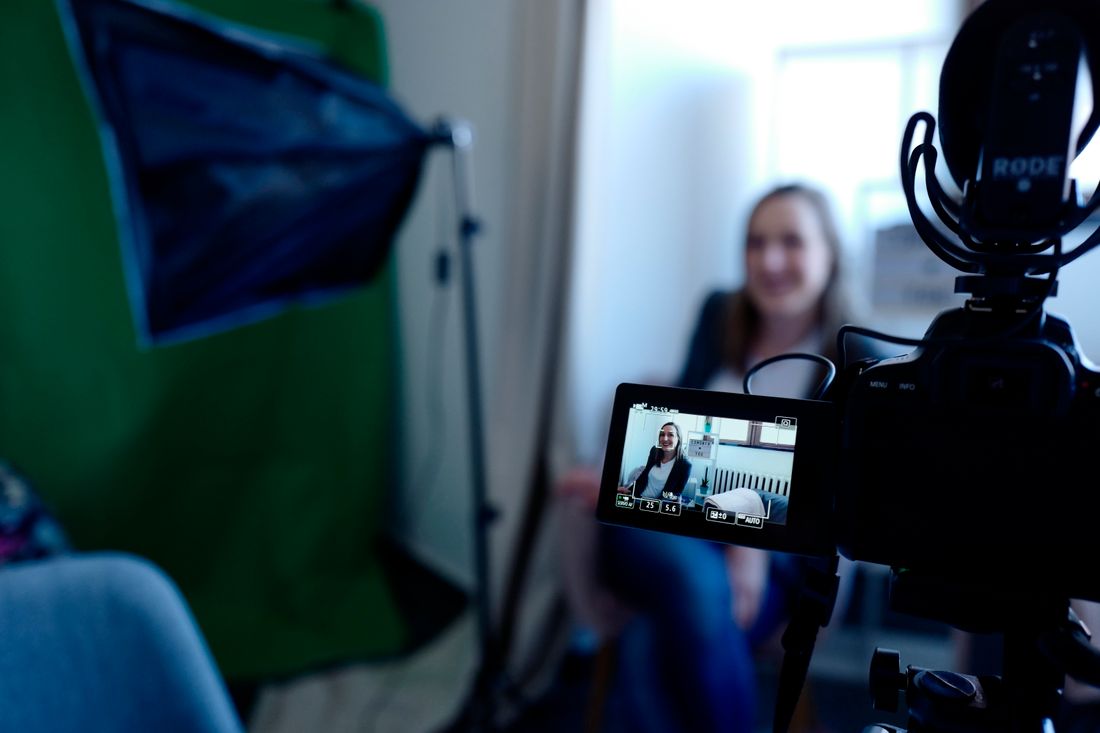
The short video a donor sees before a meeting isn't a fundraising pitch — it's usually under two minutes, built to run unmuted or with captions in an email link, and meant to let someone form an impression of the executive director's voice and manner before they're sitting across a table. It does the work a cold introduction can't.
That changes what the footage needs to contain. A donor watching before a first meeting isn't looking for a polished mission statement read off a teleprompter — they're looking for how the person actually talks about the organization's work when it isn't a script. A few minutes of natural, unscripted answers to two or three real questions usually cuts down to something more convincing than a rehearsed statement, because it sounds like a conversation instead of a pitch.
The format stays simple on purpose: one setup, one person, decent natural light, real sentences. A donor watching this a week before a meeting isn't judging production value. They're judging whether the person on screen sounds like someone worth taking the meeting with.
Working Images in the Program Space, Not Behind a Desk
Working images of the executive director in the program space — not behind a desk — do more for a case statement than another portrait, because they show the person connected to the actual work rather than to an office. A desk photo could belong to any executive at any organization; a photo taken where the program happens can't.
This usually means shooting somewhere the organization actually operates: a classroom, a distribution room, a job site, wherever the mission is visible in the background without needing a caption to explain it. The executive director doesn't need to be performing an activity for the camera — a real conversation, a walk-through, a moment of actually looking at the space works better than a staged demonstration, and it reads as far less staged in the final image.
These images end up doing work a portrait can't: a case statement usually needs at least one photo that answers "what does this organization actually do," and a desk photo never answers that question.
Shooting Months Before the Case Statement Is Finished
This content typically gets made months before the case statement, the video link, or the leave-behind is actually finished, because the quiet phase of a capital campaign runs on a schedule that has nothing to do with when a shoot day is convenient. The photos and video have to exist before the messaging around them is locked.
That gap creates a real production constraint: the shoot happens before the final case statement language, the campaign's visual identity, or even the exact donor materials are settled. The safer approach is shooting somewhat more neutrally than a fully branded project might — a portrait that isn't cropped to one exact layout, video answers that aren't tied to a single script that might get rewritten by the time the case statement goes to the printer.
It also means the content needs to survive being used later than expected. Capital campaigns slip; a quiet phase planned to run four months sometimes runs eight. Content shot with only the original timeline in mind can end up looking dated before the public phase even starts.
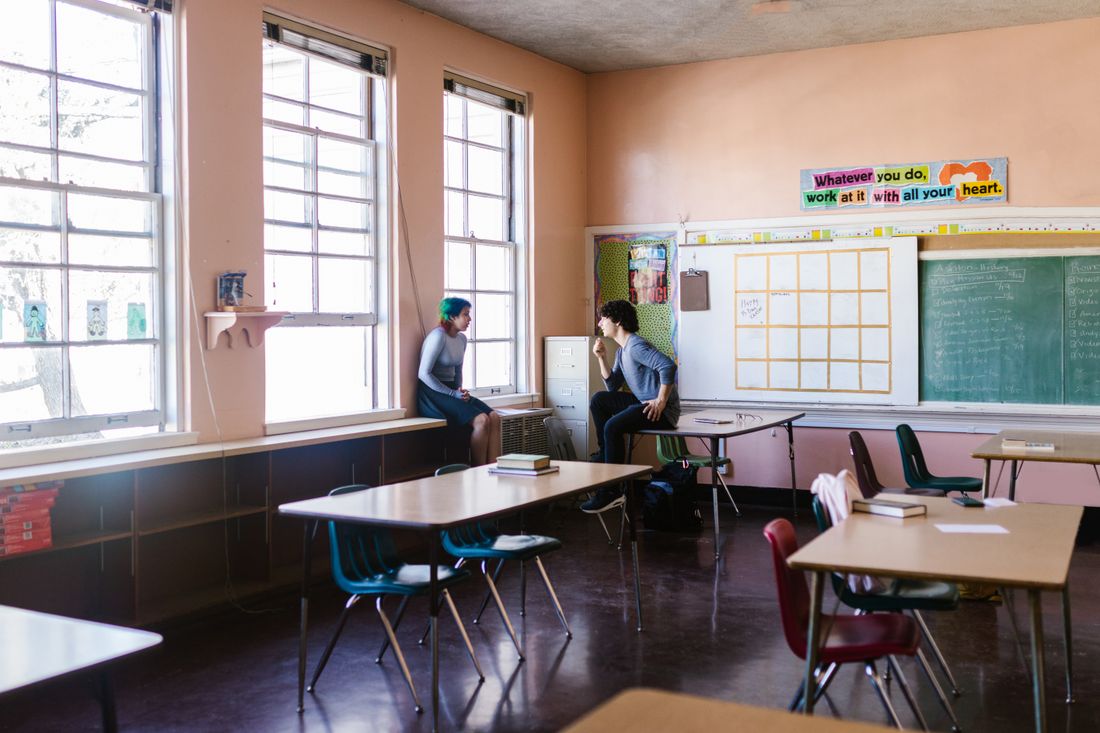
Photo by RDNE Stock project via Pexels.
Scoping This Under a Board That's Watching Every Line Item
A capital campaign puts every line item under more scrutiny than normal operating spend, because a board approving campaign expenses is watching overhead against a specific fundraising goal in a way it usually isn't for day-to-day costs. Photo and video for the executive director's personal brand gets read as overhead unless it's scoped tightly and tied to a clear use.
In practice, that means scoping this as one focused session rather than an open-ended production: a portrait setup, a short video interview, and time in the program space, planned to fit in a single day rather than three separate bookings spread across a quarter. Fewer moving pieces is also fewer line items for a board member to question individually.
It's also worth naming the deliverables plainly when the budget gets approved — bio portrait, short donor-facing video, program-space images — rather than a vague "content for the campaign" line. A board reviewing a capital campaign budget responds better to a short, specific list than to a number without a clear description behind it.
Consent When the Program Space Has Other People In It
Photographing the executive director in a program space usually means other people are in frame too — program participants, students, clients — and their consent is a separate question from the executive director's own. Documented practice, not legal advice, is the right way to think about this: know who needs to sign off before the camera comes out, not after.
Many organizations already have a consent process for program participants, built for exactly this kind of situation, and the shoot should work inside it rather than around it — checking which individuals have signed a release, which haven't, and whether minors in the space need a parent or guardian's consent specifically, which is usually a stricter standard than an adult's own consent.
The simplest way to avoid a problem later is composing frames that keep the executive director as the clear subject and treat participants as background presence rather than identifiable individuals, unless a specific release is already on file for them. That one framing decision on the shoot day avoids a consent question resurfacing months later when the case statement is already at the printer.
What Fits in One Sitting vs. What Needs a Return Trip
A portrait, a short video, and program-space images can usually happen in one sitting if the day is planned around all three from the start — same location, same light, no separate bookings. What forces a return trip is usually a location mismatch between a controlled portrait setup and the actual program space.
The order matters more than people expect. Shooting the controlled portrait first, while everyone's fresh and the light hasn't shifted, then moving to the program space for looser working images, keeps the day from running long — the reverse order means walking back to a formal setup after someone's already been moving around a room for twenty minutes.
A return trip isn't a failure of planning; sometimes the program only runs on a specific day of the week, or the light in the program space is only right at a certain hour. The point isn't forcing everything into one day at any cost — it's not splitting the day into two trips by accident, from not planning the sequence upfront.
How This Content Needs to Age Across a Multi-Year Campaign
A capital campaign can run two or three years from quiet phase to public close, longer than most photo or video content stays current — job titles change, and a video answer about "where we are in the campaign" ages out within months. Planning for that lifespan matters as much as the shoot day.
The portrait tends to hold up best, since a well-lit, reasonably neutral photo doesn't announce its age the way a dated haircut or an outdated backdrop would. Video ages faster, especially anything that references a specific dollar figure, a specific timeline, or "where we are right now" — content like that has a shelf life measured in months, not years, and needs to be treated that way from the start rather than assumed to last the whole campaign.
The practical fix is separating what's evergreen from what's time-stamped before the shoot: record general answers about mission and program work as the reusable core, and keep anything tied to a specific campaign moment short, clearly labeled, and easy to replace without a full reshoot.
Frequently Asked Questions
How is capital campaign photography different from a regular nonprofit headshot?
A capital campaign portrait has to work at a larger size on a case statement cover or divider page, in both print and PDF, with room for a pull quote or title line. A staff headshot is shot tight and consistent for a directory grid, matched across the whole team. The campaign version needs more frame options, since the case statement's design usually isn't finalized when the shoot happens.
How far ahead of the public campaign phase should this content be shot?
Generally months ahead, since the quiet phase runs on its own donor-meeting schedule and the case statement, video link, and leave-behind all need finished content before that messaging is even locked. Shooting the portrait and video somewhat more neutrally, rather than tied to one exact layout or one script, helps the content hold up if the campaign timeline slips, which it does more often than most people plan for.
Does the executive director need video content, or is a portrait enough?
A portrait covers the case statement, but it can't do what a short video does: let a donor hear how the executive director actually talks about the work before a meeting happens. Many organizations scope both in one sitting rather than choosing between them — a portrait setup and a short, unscripted video interview, shot back to back in the same location, on the same day, with the same crew.
Can this content be shot in the program space, or does it need a studio setup?
Both, usually planned for the same day. The bio portrait benefits from a controlled corner with consistent light, while the working images need the actual program space — a classroom, a distribution room, wherever the mission is visible in the background. Program-space images also require checking who else is in frame and whether their consent, or a parent's for a minor, is already on file before the camera comes out.
How should a nonprofit budget for this when the board is scrutinizing campaign spend?
Scope it as one focused session — portrait, short video, program-space images — planned for a single day rather than several separate bookings spread across a quarter. Naming the specific deliverables when the budget goes to the board, instead of a vague "content for the campaign" line, gives board members something concrete to approve, rather than a number they have to take on faith without knowing what it buys.
Related Reading
Have a launch or brand project where scale is actually the story?
Tell us what the aerial shot needs to show, and we'll scope it alongside the ground coverage from the start, permits included.
See Personal Branding & Launches