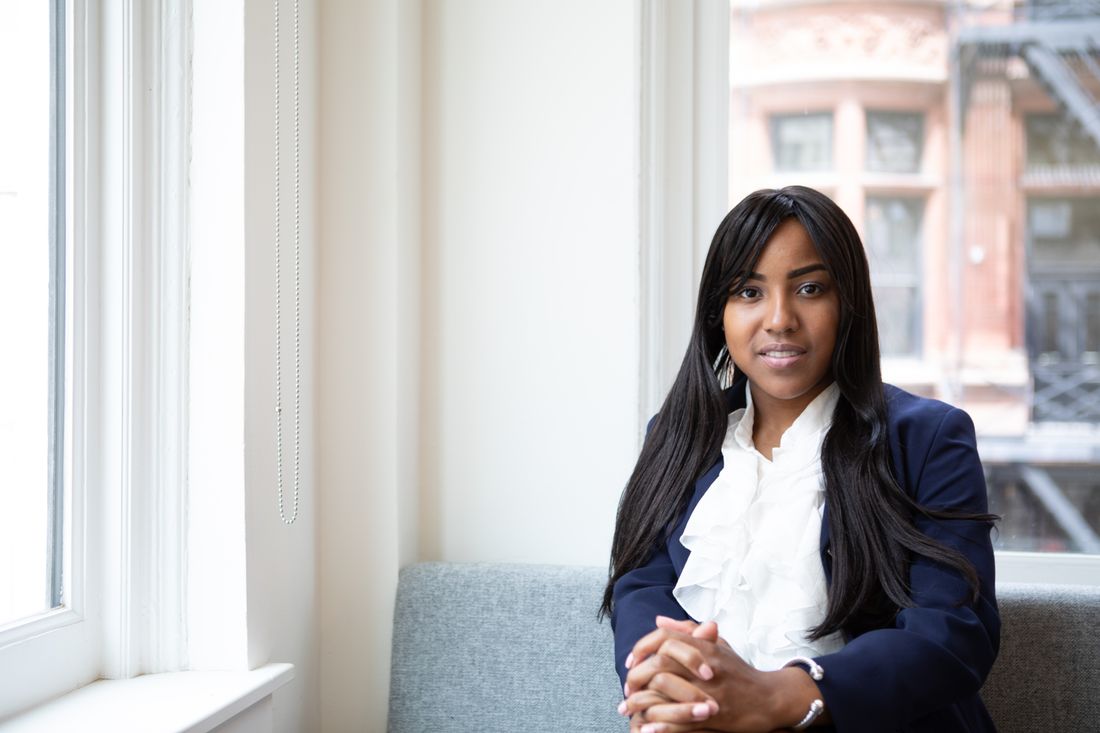
Photo by Rebrand Cities via Pexels.
Joining a board is smaller as a content event than most people treat it. Some react by planning a full personal-brand relaunch, a new headshot set, an updated bio, sometimes a new website page, for a role that's fundamentally about judgment and stewardship, not a new market position. Others go the opposite way and do nothing, then end up as the one grainy face cropped from a group photo on an otherwise consistent board page. Neither extreme fits what the moment actually requires. Here's what a board appointment does call for, and why it's narrower than people assume in both directions.
A board appointment calls for one current, well-framed portrait and a short bio, not a full personal-brand relaunch. The photo needs to be versatile enough to survive different crops across the organization's announcement, board page, press release, LinkedIn, and eventually an annual report, and its register should read as steady and stewardship-minded rather than the warm, sales-approachable look a company headshot usually aims for.
Table of Contents
- What Actually Gets Published When You Join a Board?
- How Is a Board Portrait Different From a Company Headshot?
- Why Should You Ask About the Organization's House Style Before You Shoot?
- Should the Bio and the Headshot Be Treated as One Deliverable?
- Why Does the Shoot Have to Happen Before the Announcement Date?
- Is It Ever Fine to Reuse an Existing Portrait for a Board Announcement?
- What if You Sit on Several Boards at Once?
- How Long Does a Board Portrait Stay Accurate?
What Actually Gets Published When You Join a Board?
Joining a board typically puts your photo and a short bio in up to five places: the organization's announcement, its board or leadership page, sometimes a press release, your own LinkedIn update, and later an annual report. Each one crops and sizes a photo differently, the real reason one good frame usually isn't enough.
A board announcement on a website is often a tight, near-square crop sitting beside five or six other directors, so a photo with too much headroom or an off-center subject gets recropped awkwardly. A press release, when there is one, usually wants a horizontal frame with room for a caption underneath. LinkedIn compresses whatever you upload into its own circle and feed preview, which flatters some crops and cuts off others entirely. An annual report, if the organization publishes one, tends to want a higher-resolution file and a more formal treatment than a web thumbnail. None of that means five different photoshoots. It means the one photo you do get should be framed loosely and delivered in enough sizes to survive landing in formats you don't control.
How Is a Board Portrait Different From a Company Headshot?
A board portrait reads differently from a typical company headshot because the register is different. A company headshot often aims for approachable and sales-ready, while a board portrait needs to communicate steadiness and stewardship. That shift changes the expression you're going for, what you wear, and what sits in the background.
A client-facing headshot often leans on a warm, open smile, because the job is inviting a stranger into a conversation. A board portrait is doing something quieter: telling a reader that an organization chose this person to help steward it, not sell to them. That usually means a more composed expression, not a stiff one, wardrobe on the conservative side of what you'd normally wear day to day, and a background that stays out of the way rather than signaling a particular brand or product. This doesn't require a different photographer or a separate day. It requires knowing which register you're shooting for before the camera comes out, because a warm sales headshot and a steady board portrait rarely come out of the exact same setup.
Why Should You Ask About the Organization's House Style Before You Shoot?
A board page is a grid, and your photo is joining a lineup of directors already on it. The organization's house style, background, crop ratio, black-and-white or color, lighting look, is a real constraint worth asking about before you book anything, not something to discover after the photo is already delivered.
Some organizations have a documented style guide for board and staff photography. Most don't, but they still have a de facto look, whatever the last several portraits happened to land on. Asking whoever manages the board page or the announcement for a couple of reference examples, or simply looking at the current page yourself, tells you what you're matching before the shoot instead of after. A portrait that's technically strong but shot on a different background, in a different color treatment, or cropped tighter than everyone else's still reads as the odd one out once it sits next to the rest of the board. Matching the existing grid isn't about limiting your options. It's about making sure the new photo actually looks like it belongs where it's going.
Should the Bio and the Headshot Be Treated as One Deliverable?
The bio and the headshot function as one deliverable, not two separate errands, because organizations publish and review them together. A strong photo paired with a stale bio, or a fresh bio paired with an outdated photo, undercuts the same announcement in the same way, just from opposite directions.
Organizations typically ask for both at once when someone joins a board: a current headshot and a short paragraph of biographical copy. Treating them as separate tasks, handled on separate timelines by separate people, is a common way for one to quietly lag behind the other. A bio that's freshly written but paired with a five-year-old photo makes the whole listing feel slightly off, and the reverse holds just as true. A photo that looks current sitting next to a bio that still lists a previous employer or an old title reads as carelessness, even when both pieces are individually accurate. Planning the photo and the bio together, even loosely, on the same timeline and with a shared sense of what the piece needs to communicate, produces a cleaner result than letting either one become an afterthought to the other.
Photo by Proxyclick Visitor Management System via Pexels.
Why Does the Shoot Have to Happen Before the Announcement Date?
The announcement date for a new board appointment is usually fixed by the organization, and it's often earlier than the incoming member expects. That means the photo and bio need to be ready before that date, not scheduled loosely around it, or the shoot ends up compressed into whatever days are left.
Boards typically set an announcement around a board meeting, an annual report deadline, or a press cycle the organization is already coordinating, and that date rarely moves for one director's calendar. If the photo gets treated as a task to handle once things feel settled, the shoot often gets compressed into a day or two before the announcement, or worse, the organization defaults to a cropped group photo or an old headshot because nothing new arrived in time. The practical fix is simple: as soon as an appointment date is known, or even likely, book the photo and bio work early enough that a delay on either end doesn't put the announcement itself at risk.
Is It Ever Fine to Reuse an Existing Portrait for a Board Announcement?
Reusing an existing portrait is genuinely fine when it's recent, roughly matches the steadier register a board announcement calls for, and comes as a file large and loosely cropped enough to work across a board page, a press release, and LinkedIn. It stops being fine the moment any one of those conditions isn't true.
The honest test isn't how much you like the photo. It's whether someone who has met you recently would say it looks like you now, whether the expression and wardrobe read as steady rather than overly casual or overly sales-oriented, and whether the file has enough resolution and framing room to survive being recropped into a square, a circle, and a print layout. A good headshot from two roles ago, shot for a different purpose, at a lower resolution, cropped tight with no room to reframe, usually fails one of those tests even if the photo still looks fine on its own. When it clears all three, reuse it and put the budget toward something else.
What if You Sit on Several Boards at Once?
Sitting on multiple boards at once often means each organization wants a slightly different frame, crop, background, or level of formality for the same person, since each one is matching its own existing page rather than coordinating with the others. Planning for that at the first shoot beats reshooting every time a new seat comes up.
One organization might run a warmer, editorial-style board page, while another sticks to a plain background and a stricter headshot crop. Rather than booking a new session for every seat, it often works better to shoot once with enough variety, a couple of expressions, a slightly wider frame that can be cropped several ways, so most requests can be served from that single shoot without starting over. Where a particular board's house style is different enough that nothing from the existing set fits, a specific background color, a required aspect ratio, that's worth flagging early rather than trying to force one photo to satisfy every use. A little planning at the first shoot saves a second or third one later.
How Long Does a Board Portrait Stay Accurate?
A board portrait generally stays accurate for a few years, not indefinitely, and the honest signal it's aging out isn't a date on a calendar. It's a visible gap between how you look now and how you look in the photo, a gap fellow directors and readers tend to notice before most people get around to updating the file.
There's no governance requirement dictating when a board photo needs refreshing, and this isn't a legal or compliance question, just a practical one. Hairstyle, weight, glasses, even the general look of a headshot era all shift gradually, and a portrait that once matched can quietly stop matching without anyone flagging it directly. A reasonable habit is looking at the current photo next to a recent, unposed picture of yourself once a year and asking honestly whether they still match. If the organization is refreshing its board page or starting a new annual report cycle, that's also a natural moment to check whether the photo on file still holds up, rather than assuming it does because no one has said otherwise.
Frequently Asked Questions
Do I need a full personal-brand refresh when I join a board?
No. A board appointment usually calls for one updated portrait and a short bio, not a full personal-brand relaunch. The role is about stewardship and judgment, not a new market position, so the content need is narrower than a career pivot or rebrand would require. Building a full refresh around it, a new bio page, an expanded photo set, spends effort the appointment itself doesn't call for, unless it happens to coincide with a refresh you were already planning anyway.
What's the difference between a board portrait and a headshot for a company website?
A company headshot for a client-facing role often aims for warm and approachable, since the goal is inviting a stranger into a sales conversation. A board portrait aims for steadiness and stewardship instead, since the organization is presenting someone entrusted with governance, not a service to sell. That shift shows up as a more composed expression, a more conservative wardrobe choice, and a background that stays neutral rather than promotional or branded.
How far in advance should I schedule a board announcement photo?
As soon as the appointment date is known or likely, ideally several weeks out. Announcement dates are usually set by the organization around a board meeting or press cycle and rarely move for one director's calendar. Scheduling early leaves room for a conflict or a reshoot, plus time to deliver properly sized files across the board page, press release, and LinkedIn before the date arrives, instead of scrambling in the final days.
Can I just use my current LinkedIn photo for a board announcement?
Sometimes. If it's recent, reads as steady rather than casual, and is a high enough resolution file with room around the subject to recrop, it can work fine for a board page, press release, or annual report. It usually falls short when the photo is several years old, was cropped tightly for LinkedIn's circular frame with no room to reframe, or was shot for a warmer, more sales-oriented register than a board announcement calls for.
Who decides the background, crop, and style for a board photo?
In practice, the organization does, since your photo is joining an existing board page and needs to sit alongside directors already on it. Before scheduling anything, ask whoever manages that page or the announcement for a style reference, current crop ratio, or background convention already in use, so the new portrait matches the page it's joining instead of standing out as the one photo that clearly came from somewhere else.
Related Reading
Have a launch or brand project where scale is actually the story?
Tell us what the aerial shot needs to show, and we'll scope it alongside the ground coverage from the start, permits included.
See Personal Branding & Launches