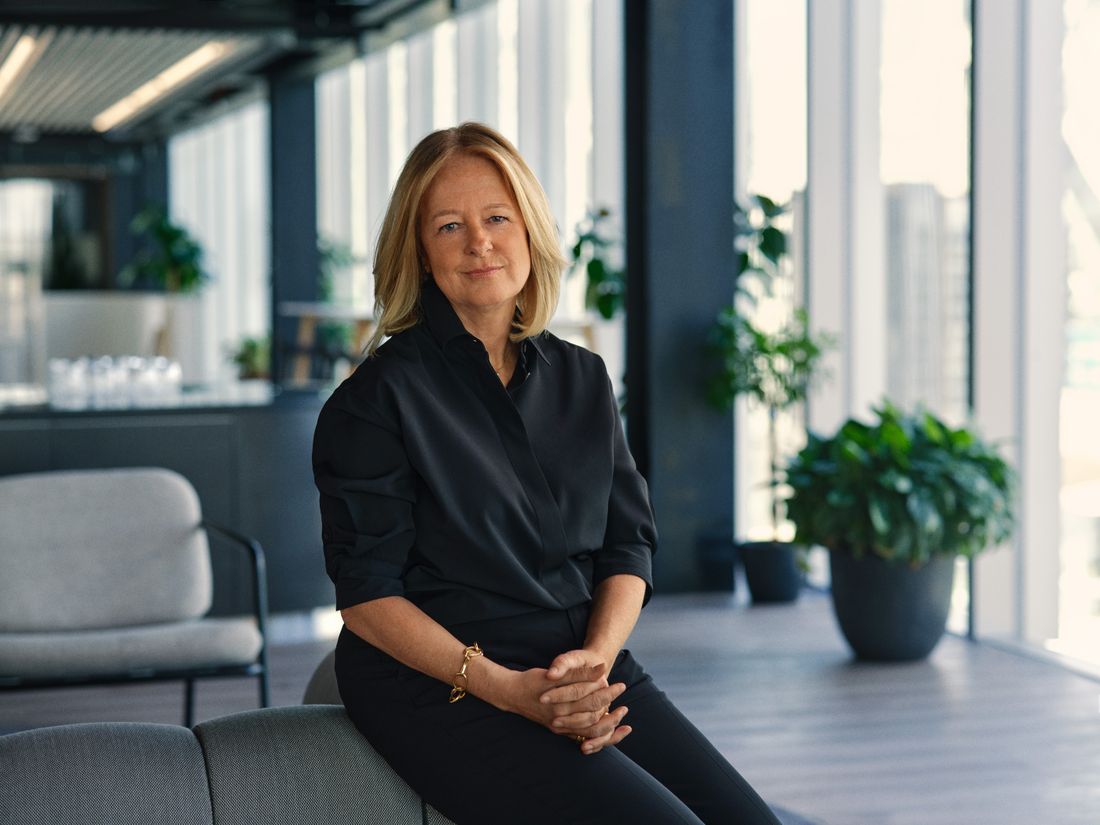
A Chief People Officer can spend years communicating inside the company and then suddenly need a public voice. Recruiting pages, conference panels, employer reputation, and workforce conversations all ask for something visible. That doesn't mean building an executive media machine. It means choosing the smallest set of images and video that makes the role legible.
The minimum useful public set for a Chief People Officer is usually one current portrait, one short introduction that explains the person's point of view, and a few natural images from real professional contexts. Add more only when a recurring panel, recruiting need, or public conversation gives the content a clear job. Credibility comes from usefulness, not volume.
Table of Contents
- What Changes When a Chief People Officer Needs an External Voice?
- What Belongs in the Minimum Useful Public Content Set?
- When Is One Current Portrait Enough?
- How Should CPO Content Prepare for Panels and Public Conversations?
- What Does Credible Chief People Officer Content Actually Show?
- How Do You Avoid Executive Influencer Theater?
- How Should You Sequence Portraits, Introductions, and Conversation Clips?
- How Should You Scope a CPO Personal Brand Content Session?
What Changes When a Chief People Officer Needs an External Voice?
When a Chief People Officer needs an external voice, the content has to explain a role that was often experienced inside the company. The useful shift is from private authority to public context. A portrait, short introduction, or conversation image should show what the person contributes without turning a people leader into a permanent online performer.
Internal communication can rely on shared history. Colleagues already know the organization, the language, and the reason a message is arriving. Public audiences do not have that background. They need a clear sense of who the executive is, what questions they can speak to, and why their perspective belongs in a recruiting page, a panel, or a company story.
That does not call for a full personal brand overhaul. It calls for a small set of assets that can travel across real uses. A short video can give the voice and pace that a written bio cannot. A few working-context frames can make a panel announcement or company page feel connected to a person.
The boundary matters. The content should support the work the CPO is actually being asked to do in public.
What Belongs in the Minimum Useful Public Content Set?
A minimum useful public set usually starts with three assets, a current portrait, a concise introduction, and a small group of images that show the executive in a professional setting. Each asset has a separate job. Together they make the person easier to recognize across a recruiting page, event announcement, company profile, or conversation recap.
The portrait is the anchor. It should feel current, comfortable, and consistent with the level of responsibility the role carries. It does not need a dramatic office or a theatrical pose. A clean environmental frame or a simple neutral setup can work when the expression and direction feel considered.
The introduction can be written, filmed, or both, depending on the use. A short video gives the audience a sense of voice and presence. It can be modest in scale, with one clear idea and a setting that supports conversation. The point is not to create a channel. It is to give the person a useful first appearance beyond a headshot and job title.
Keep the set small enough that every file has an assignment. If an asset cannot be named by its job, it may be content for content's sake.
When Is One Current Portrait Enough?
One current portrait is enough when the immediate need is simple, such as updating a leadership page, replacing an outdated profile image, or giving a recruiting team a credible image to use now. A focused portrait session can solve that problem cleanly. More content only helps when a specific future use is already clear.
There is a quiet pressure around executive visibility to make every session look like a launch. That pressure can turn a straightforward update into a pile of unused frames, generic video, and a schedule nobody has a reason to maintain. A portrait that is accurate, well directed, and easy to place is a complete deliverable when that is what the moment calls for.
The one-portrait case is also useful when the CPO's public role is still taking shape. The executive may be joining a panel later, preparing a recruiting page now, or deciding which subjects are genuinely theirs to discuss in public.
If a session includes a second setup, make the reason concrete. A wider frame might give the website more flexibility. We would rather make one portrait that works everywhere it needs to work than create five variations that all ask the same question of the viewer.
How Should CPO Content Prepare for Panels and Public Conversations?
Content for a panel or public workforce conversation should make the CPO recognizable before the event and usable after it. That usually means one confident portrait, a short introduction, and a few natural frames that show listening or speaking without staging a fake conference. The material should support the conversation, not compete with it.
Preparation starts with the actual format. A solo introduction needs a different frame from a roundtable. A panel announcement may need a clean portrait with space for text. A recap may need a wider image that shows the relationship between the speaker and the room. The shot list should follow the communication job instead of collecting every possible executive pose.
For a filmed introduction, keep the setup close to a real conversation. A seated or standing frame in a warm office can feel more credible than an oversized production environment when the subject's voice is the point.
Images from a roundtable can work when they show attention and exchange rather than a row of people looking at the camera. A listener's expression, a hand gesture, or a shared glance can suggest participation without claiming what the conversation meant. The photograph should show the moment's shape, not invent its conclusion.

Photo by https://kaboompics.com/ via Pexels.
What Does Credible Chief People Officer Content Actually Show?
Credible CPO content shows a person who can explain their work clearly and appear comfortable in the setting where that work matters. It does not need a grand statement or a perfectly polished performance. A direct portrait, a thoughtful listening frame, or a short answer with a clear point can give the audience enough evidence to understand the role.
Specificity is more useful than personality theater. The content can show how the executive approaches a conversation, how they listen to colleagues, or how they connect an internal responsibility to an external audience. Those are observable details. They help the viewer understand the person without turning a single image into a claim about the entire organization.
The setting should support that clarity. A warm office, a quiet meeting room, or a simple neutral wall can all work. It only needs to give the portrait or video a believable place to happen and enough visual space for the subject to remain the focus.
That is why direction matters. A person who spends most of the week helping others communicate may still feel awkward when the camera turns toward them. A good session gives them a clear task and a manageable frame.
How Do You Avoid Executive Influencer Theater?
Avoid executive influencer theater by giving every image or clip a real audience and a defined use. If the content exists only to make the CPO look visible, it will usually feel polished without saying anything. A portrait for a recruiting page, a short answer for a panel introduction, and a conversation frame for an event recap each have a clearer reason to exist.
The signals of theater are often practical. A staged microphone that no one is using, a fake meeting with everyone turned toward the camera, or an oversized set that makes a short introduction feel like a television show can pull attention away from the person. The fix is not to make the production careless. It is to make the production proportional.
Give the subject one idea to explain rather than a list of slogans. If a group frame is needed, let people interact with one another instead of arranging them into a human org chart.
There is also an honest negative case. If the CPO does not have a public assignment yet, wait. A strong portrait can sit ready without forcing a weekly content rhythm. It is a way to keep the eventual content believable.
How Should You Sequence Portraits, Introductions, and Conversation Clips?
Sequence CPO content from the clearest identity asset to the more specific public use. Start with a current portrait, add a concise introduction when the audience needs a voice, then capture conversation or panel material when there is a real occasion to support. Each step should make the next one more useful, not simply produce more files.
The portrait comes first because it is the most reusable and the easiest to keep accurate. It gives a page, announcement, or profile a stable image while the rest of the content takes shape. The frame can be neutral or environmental, as long as it reflects the role and leaves room for the ways the image will be placed.
A short introduction comes next when the company needs more than recognition. One clear answer can establish voice, pace, and presence. Keep the setting and production simple enough that the executive can focus on the idea rather than the equipment.
Conversation clips and roundtable stills belong later because they depend on a specific context. They are strongest when the event, topic, or audience gives them a job. Reuse means choosing a small set that can move between related uses while keeping the meaning of each use intact.
How Should You Scope a CPO Personal Brand Content Session?
Scope the session by naming the next public use, the minimum set that supports it, and the places the files will appear. Start with the immediate need, such as a leadership page, recruiting introduction, panel announcement, or conversation recap. Then decide whether one portrait solves it or whether a second format has a clear job.
We would ask for the audience before choosing the room or the camera setup. A person speaking to future candidates may need a warmer, more direct frame than a portrait built for a formal company page. A panel announcement may need negative space for layout. These are small production choices, but they are easier to make when the use is known.
Next, plan the subject's comfort. A CPO who is new to public-facing content does not need to be treated like a professional presenter. A short conversation, a manageable set of prompts, and direction that gives them something to do can produce more natural material than a long performance.
Finally, define delivery in practical terms. Confirm the portrait crops, the length and destination of any video, and which context images belong to which use. The brief should be honest enough to tell the difference.
Frequently Asked Questions
What content does a Chief People Officer need first?
Start with one current portrait and a clear public use. If the role is appearing on a recruiting page or event announcement, that image may be enough. Add a short introduction when the audience needs to hear the executive speak, then add conversation or panel images when a real public occasion gives them a job. The smallest useful set is usually the most believable one.
Does a CPO need a full personal brand video series?
No. A full series only makes sense when the executive has recurring public conversations and each video has a defined audience or purpose. For many CPOs, one short introduction is a better starting point than a content schedule. It establishes voice and presence without turning an internal-facing role into an influencer project before the public need exists. Let the next real assignment determine whether more is useful.
When is one current CPO portrait enough?
One portrait is enough when the immediate task is updating a leadership page, replacing an outdated profile image, or supporting a single announcement. Make it current, comfortable, and adaptable to the likely crops. More images should enter the brief only when they support a specific panel, recruiting need, introduction, or other public use that is already real. A simple brief can be a complete brief.
How should a CPO prepare for a panel photo or video?
Begin with the panel's actual format and audience. Decide whether you need a clean announcement portrait, a short introduction, or natural images of the conversation itself. Keep the setup proportional, use clear prompts, and avoid staging a fake conference scene. The strongest material shows the executive participating in a real exchange without pretending the photograph proves more than it can. Plan the files around what happens before and after the panel.
How can CPO content feel credible without becoming corporate influencer content?
Give every asset a defined audience and job. A recruiting portrait, a concise introduction, and a roundtable image can feel credible because each supports a real communication need. Keep the setting believable, the production proportional, and the subject focused on one useful idea. If there is no public assignment yet, a current portrait may be the honest stopping point. That restraint keeps the next appearance grounded.
Related Reading
Have a launch or brand project where scale is actually the story?
Tell us what the aerial shot needs to show, and we'll scope it alongside the ground coverage from the start, permits included.
See Personal Branding & Launches