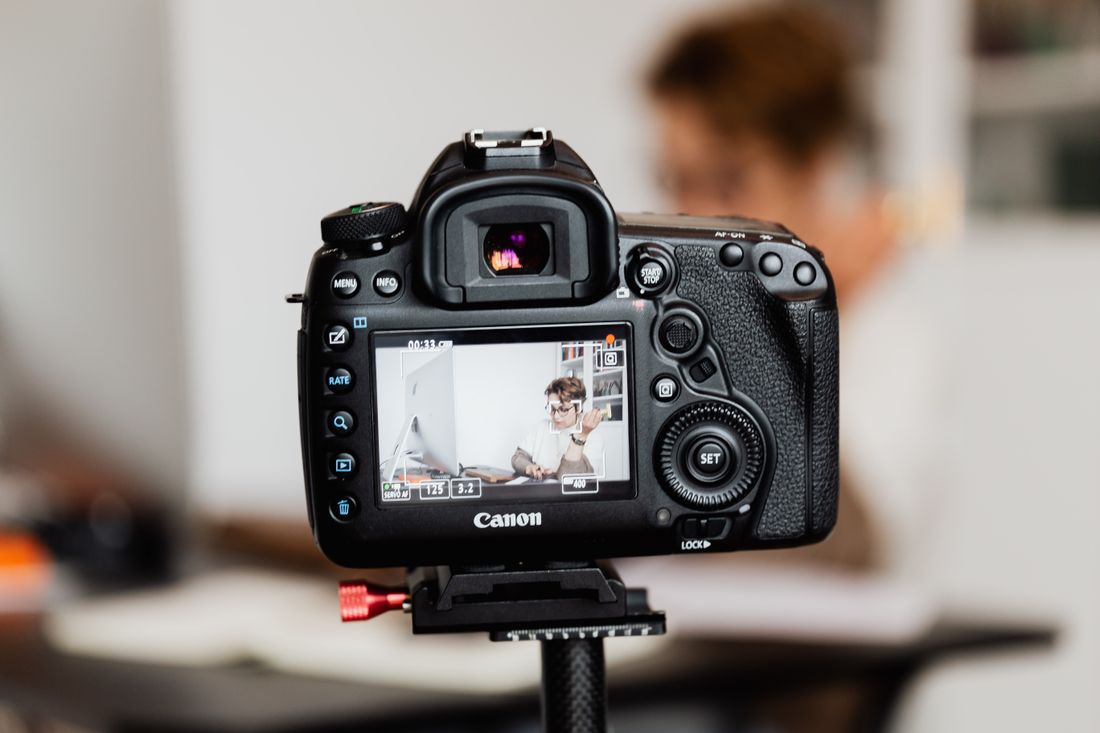
Photo by Kaboompics.com via Pexels.
A written quarterly update gets skimmed for the numbers and filed. A five-minute video gets watched, often by the one partner on your board who actually reports upward to their own LPs — and once you accept that the audience is small and already knows the numbers, almost every production decision changes: shorter, plainer, less deck, more you, and built on a format you can repeat without losing a week every quarter.
A quarterly investor update video works best at five minutes or under, shot in one repeatable setup rather than produced fresh each time, with your face on screen more than your slides. The audience is small and sophisticated — they've read the numbers already. The video's job is showing judgment, not re-explaining the deck.
Table of Contents
- Why a Written Update Gets Skimmed and a Video Gets Watched
- Who's Actually Watching a Quarterly Investor Update
- How Long a Quarterly Investor Video Should Run
- The Right Tone When Your Audience Already Has the Numbers
- Should You Show the Deck On Screen
- Why a Repeatable Single-Setup Format Beats a Produced Film
- Build the Format Once, Then Repeat It Every Quarter
- A Recurring Cadence That Doesn't Eat a Week Every Quarter
Why a Written Update Gets Skimmed and a Video Gets Watched
A written quarterly update competes with everyone's inbox and gets skimmed for the bolded numbers. A five-minute video gets watched, often by the partner who actually sits on your board and reports upward to their own LPs — because tone, hesitation, and what you choose to explain carry information a bullet list can't.
That's not a knock on the memo. Numbers still belong in writing, where they can be checked against a model at leisure. But a memo can't show you deciding what matters this quarter, or how you talk about the metric that didn't move. A board partner watching five founders' updates back to back on a Sunday isn't giving five PDFs that kind of attention. They're watching for whether you flinch when a number goes the wrong way, or just explain it plainly.
I've shot a lot of founders on camera, and the ones who resist a video update almost always assume it needs to be a production. It doesn't. It needs to look and sound like you, talking for five minutes, in a way a spreadsheet never will.
Who's Actually Watching a Quarterly Investor Update
The audience for a quarterly investor video is small — a handful of board members and a slice of your cap table — and unusually well-informed. They've already read the numbers in the deck. What they're evaluating on video is judgment: how you read the quarter, not what happened in it.
That changes what the video is for. You're not persuading a stranger to take a meeting, the way you would in a fundraise video. You're talking to people who already own a piece of the company and have sat through your last four updates. They know your baseline voice, your usual pacing, and roughly how you talk when things are going fine. A shift from that baseline is the actual signal they're watching for — not the number itself, which they read before they ever hit play.
This is also why re-narrating the whole deck on video wastes the one thing this format is good for. Treat the room like colleagues who did the reading, because they did, and spend the five minutes on the parts a spreadsheet can't carry.
How Long a Quarterly Investor Video Should Run
Five minutes is the practical ceiling for most quarterly updates, and three is often enough. This isn't a content series competing for watch time — it's a briefing for people who already have the numbers and are giving you a few minutes of focused attention between other meetings.
Length creep happens the same way every time: a founder tries to narrate the whole deck instead of the handful of things that actually need a human voice attached to them. If you're explaining a number that's fully legible on the slide, that's a sentence, not a section. Save the runtime for the parts that need judgment — what changed since last quarter, what you're doing about the miss, what's coming that isn't in the deck yet.
A useful test before you hit record: write down the three things this quarter that a reader can't get from the numbers alone. If you can't name three, the video can run closer to three minutes. If you're reaching for a fourth, that's a sign to cut, not extend.
The Right Tone When Your Audience Already Has the Numbers
Tone for a board audience is closer to a status call than a keynote. Direct, unhurried, comfortable with a pause. The energy that reads as confident in a launch video reads as performance to people who've watched you run this company for two years and know what genuine confidence from you actually sounds like.
This is the opposite instinct from most founder video content, which is built to earn attention from strangers scrolling past it. A board update doesn't need a hook, because nobody is scrolling past it — they clicked play because it's your company and their money. Open with the headline the way you would in conversation: here's how the quarter went, here's the thing worth spending real time on, here's what I'm doing about it.
The tell that a founder over-rehearsed a board video is the same tell that shows up in an over-rehearsed sales pitch: it sounds performed rather than said. A slightly rough, single-take delivery reads as more credible to this audience than a polished one, not less.
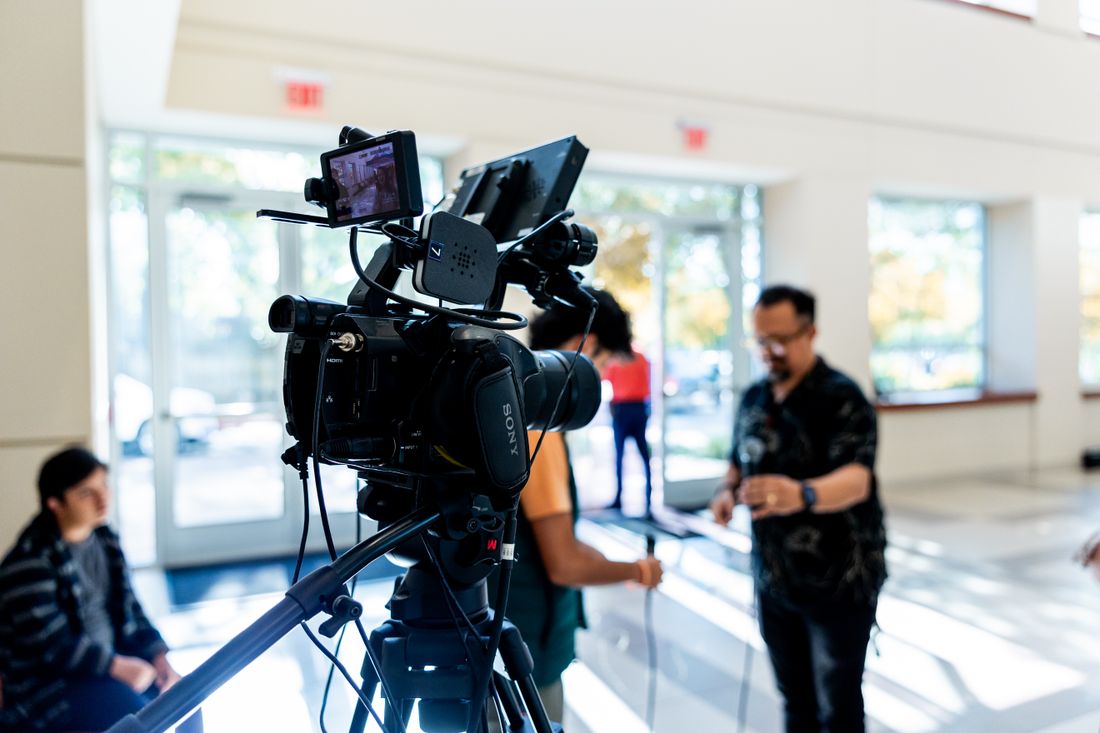
Photo by Caleb Oquendo via Pexels.
Should You Show the Deck On Screen
Mostly no. Your face on screen, talking, with maybe one or two charts cut in briefly for the numbers that genuinely need a visual, beats narrating a slide deck end to end. The deck already exists as a document — the video's job is the parts a document doesn't carry.
Screen-sharing a full deck for five minutes turns a video update into a slower version of the written one, with worse skimmability. The viewer can't jump to the section they care about the way they could in a PDF, and now they're stuck watching you read slides they could read faster themselves. If a specific chart is the whole point of a section — a revenue curve, a cohort chart — cut to it for ten seconds, then cut back to you.
Send the deck separately, as the deck. Let the video do what video actually does well: show you thinking through the numbers out loud, not restate them on a screen behind you.
Why a Repeatable Single-Setup Format Beats a Produced Film
A produced film — new location, new lighting plan, new shot list every quarter — sounds like the more serious option, but it's the wrong tool here. A quarterly update needs to exist reliably four times a year, not impress anyone with production value. A repeatable single-setup format wins because it can actually keep happening.
One camera position, one lighting setup, one seat, built once and reused. The viewer isn't judging your set design; they're judging your company. A format that changes every quarter also changes the read — a suddenly fancier setup can look like spending on the wrong things, and a suddenly barer one can look like something's off, even when neither is true. Consistency removes that noise entirely.
We build this the same way for any recurring content commitment: solve the technical and creative decisions once, then treat every future session as executing a known format instead of designing a new one from scratch. That's what makes a quarterly cadence survive contact with an actual busy quarter.
Build the Format Once, Then Repeat It Every Quarter
Building the format once means answering the recurring questions a single time: where you sit, what's in frame behind you, whether it's one camera or two, how long the intro runs before you get to the numbers. Once those are settled, every future session is just showing up and talking.
In practice, that's a single planning session — figuring out a spot in the office or at home with decent light and quiet, deciding on a simple two-camera setup (a wide and a close, so an editor can cut between them without a jump cut) if the budget supports it, or a clean single-camera setup if it doesn't. Write down the answers once: camera height, distance, what's visible in the background, roughly where the mic sits.
The format doesn't need to be elaborate to be worth locking down. It needs to be decided, in writing, once, so quarter three isn't a fresh debate about whether the lighting from quarter one actually looked good.
A Recurring Cadence That Doesn't Eat a Week Every Quarter
A recurring cadence survives when the shoot itself takes an hour or less, not when the format is impressive. Book the same day relative to your board cycle every quarter, use the format you already locked down, and record several takes back to back rather than treating it as a single high-stakes performance.
The actual time sink in most recurring video isn't the camera time — it's decision fatigue. Re-deciding the setup, re-writing an intro from scratch, second-guessing the lighting, scheduling a new crew each time. A fixed format collapses almost all of that into a calendar invite and a known checklist. What's left is the part that has to be live anyway: you, talking through this quarter's actual numbers.
We treat this the same way we treat any recurring corporate shoot — a short setup call once, then a standing appointment that runs the same way every time. That's the difference between a format that survives four quarters and one that quietly stops happening after the second.
Frequently Asked Questions
How long should a quarterly investor update video be?
Five minutes is a reasonable ceiling for most quarterly investor videos, and three minutes is often enough. The audience already has the numbers from the deck, so the video only needs to cover what a spreadsheet can't: how you're reading the quarter and what you're doing about the parts that didn't go as planned. If you're stretching past five minutes, you're likely re-narrating the deck instead of adding judgment to it.
Should I show my slides on screen during the update?
Mostly no. A quarterly update works better with your face on screen and a chart cut in briefly only when a specific visual — a revenue curve, a cohort chart — genuinely needs it. Reading a full deck on camera turns the video into a slower, less skimmable version of the written update. Send the deck separately as its own document, and let the video carry what the deck can't: tone and judgment.
Do I need a script for an investor update video?
Notes work better than a script for this format. A fully scripted delivery tends to sound performed to an audience who already knows your normal speaking voice from board meetings, and a stiffer delivery reads as less credible, not more. Write down the three points that actually need saying this quarter, record a couple of takes, and pick the one that sounds like a normal conversation rather than a read-aloud memo.
How is a quarterly update video different from a fundraise pitch video?
A fundraise video is built to persuade a stranger to take a meeting, so it earns attention with a hook, pacing, and a clear ask. A quarterly update is briefing people who already hold equity and already clicked play because it's their investment. It doesn't need a hook or a sales arc — it needs a direct, unhurried rundown of the quarter, closer to a status call than a pitch.
What if some board members still just want the written memo?
Keep sending the written memo — the numbers still belong in a document people can check against their own model at their own pace. The video isn't a replacement for that; it's an addition for the judgment a memo can't carry. Send both together on the same schedule, and let each reader choose. Some will only skim the memo; the video is for the ones who watch it.
Related Reading
Have a launch or brand project where scale is actually the story?
Tell us what the aerial shot needs to show, and we'll scope it alongside the ground coverage from the start, permits included.
See Personal Branding & Launches