Almost everyone who calls us about personal branding content asks the same first question the wrong way: "how much does a shoot cost?" That's the right question for a different decision than the one they're actually facing. The real question is whether they need one finished batch of content or a system that keeps producing new material. Those are two different productions with two different price structures, not one service at two different sizes.
A single shoot day and an ongoing content library solve different problems. A one-off session is the right call when your message is stable and you need a fixed, finished set of assets (a new headshot, an intro video, a handful of stills for a redesigned website). A recurring library is the right call when the thing you're representing keeps changing fast enough that last quarter's footage already looks dated. The decision comes down to velocity, not vanity: how often does what you say about yourself actually need to change?
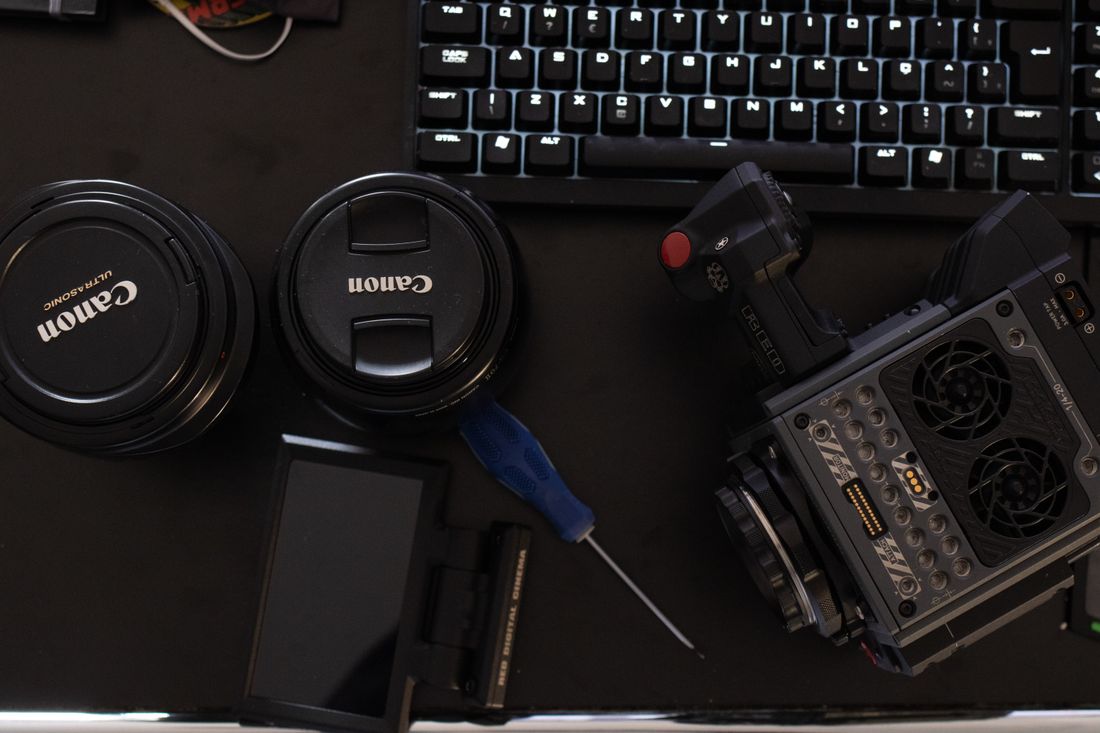
Photo by Athena Sandrini via Pexels.
Table of Contents
What a single shoot day is actually built for
A single shoot day is a fixed, self-contained production that delivers one finished set of assets and stops. A half-day executive portrait session, for example, produces 10-15 final edited portraits along with professional styling guidance and multiple background setups. Enough to refresh a LinkedIn profile, a website bio page, and a press kit for a while, but not designed to generate new material every month.
This is the right format for a stable moment: a new title, a rebrand, a website relaunch, a press push around a specific announcement. The content doesn't need to change again until the underlying facts change (a new role, a new company, a materially different offer). Video business cards and other quick, one-off projects follow the same logic: a 30-60 second video shot once, used for a year or more, until the message it's carrying is no longer accurate.
The clearest sign a single shoot day is the right call is when you can name the specific occasion the content is for. "I need a headshot for the new website" or "I need a short video for my speaker page ahead of this conference" are answers with a fixed endpoint. When the answer instead sounds like "I just need content," that's usually a sign the real need is ongoing, even if it doesn't feel that way yet.
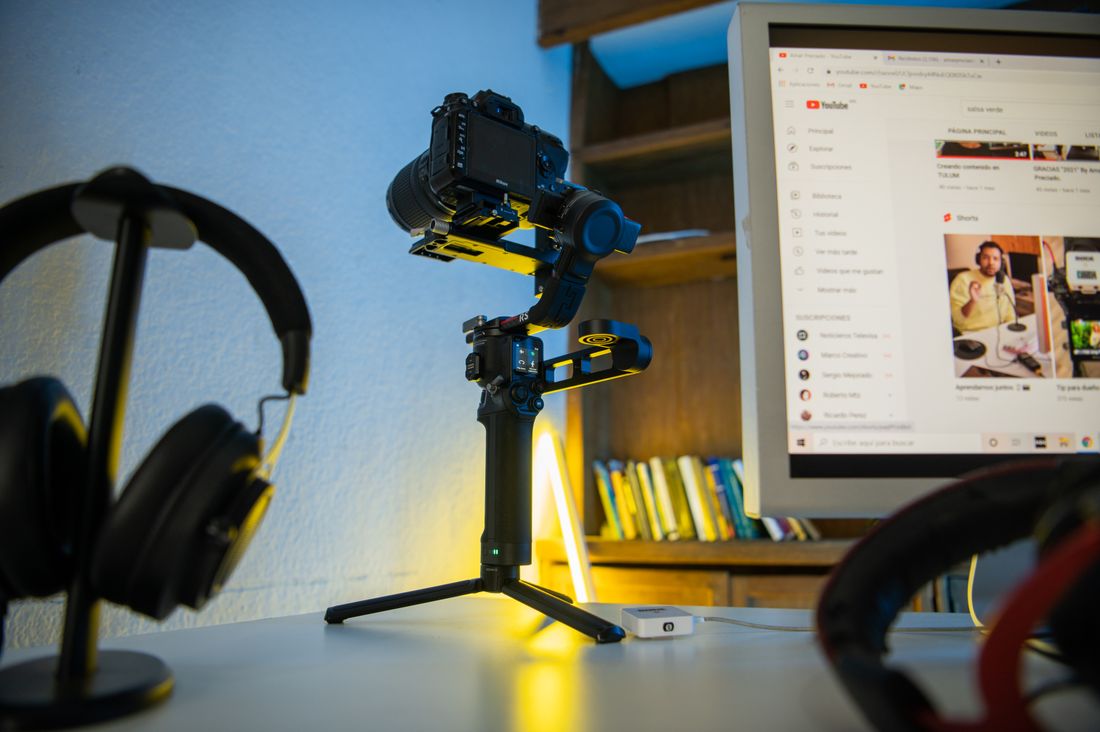
Photo by Amar Preciado via Pexels.
What a content library solves that a shoot day can't
A content library is a recurring production schedule (usually monthly) that keeps generating new photos and short video using the same visual system each time, instead of delivering one finished batch and ending. The point isn't more content for its own sake; it's matching the pace of production to the pace at which the underlying story actually moves.
This is the right format for anyone whose work generates new, legitimately postable moments faster than a single shoot can capture: a founder who's hiring and wants a steady stream of team and culture content, a consultant whose case studies change with every new client, anyone building a LinkedIn presence that depends on regular, current material rather than a static bio page. The recurring session works because the crew, lighting approach, and visual style are already established from the first shoot. Each subsequent session is faster and cheaper than starting from zero every time.
The tell that you need a library, not another one-off: if you find yourself wanting to rebook a "quick shoot" every 6-8 weeks because the last one already feels out of date, that's not a series of one-off shoots. That's a recurring need pretending to be a series of one-time decisions.
The real test: how fast does your message change
Content velocity is the rate at which your professional story generates genuinely new, postable moments, and it's the single factor that should decide between a one-off shoot and a recurring library. A law firm partner whose practice area hasn't changed in three years has low velocity; new headshots make sense every couple of years, not every month. A startup founder announcing a new hire, a new feature, or a new round every few weeks has high velocity, and no single shoot day can keep up with that pace.
Most people overestimate their own velocity when they're excited about a launch and underestimate it once things settle into a steady rhythm. That's normal, and it's fine to start with the smaller commitment and adjust once you have real data on how often you're actually running out of usable content.
A useful way to check your own velocity honestly: look back at the last three months of your own LinkedIn posts or website updates. If the same headshot and the same 30-second video have been carrying every post, that's not a problem by itself. It only becomes one the moment you notice yourself avoiding a post because the visual doesn't match what you're currently saying. That specific hesitation is the signal a shoot day settled a while ago and the content hasn't caught up.
Starting with one and moving to the other
Starting with a single shoot day and deciding later whether to move into a recurring library is a common and reasonable path. It's not an either/or decision made once and locked in. A single session gets you current, usable content fast without committing to an ongoing schedule, and if you find yourself needing fresh material again within a few months, that's the signal to move to a library instead of booking another one-off.
The transition is smoother than people expect because the first shoot already establishes the lighting, framing, and overall visual language. A recurring package that follows a one-off session isn't starting over. It's continuing a system that's already been proven to work, just on a schedule instead of a single date.
The reverse move (starting on a recurring library and later scaling back to occasional single sessions) is just as common and just as fine. A founder who ramps down public content after a launch phase, or a company that finishes a hiring push and no longer needs weekly culture content, doesn't need to keep a monthly package running out of habit. The visual system built during the recurring phase still works whenever the next single-day shoot is actually needed.
Not sure which one fits your pace?
Tell us what you're producing and how often. We'll tell you honestly whether a single session or a recurring package makes more sense.
See Personal Branding PackagesFrequently Asked Questions
How do I know if I need a content library instead of a single shoot?
You need a library if your message, offer, or role changes often enough that a single day's footage would look outdated within a few months. A founder posting weekly, a company hiring constantly, or a consultant whose services shift with each client all fit this pattern better than a one-time shoot.
What can a single shoot day realistically cover?
A single half-day session realistically covers a portrait set, a short intro or brand video, and a handful of supporting stills (enough for a website, a LinkedIn profile refresh, and a few months of static use). It's not built to supply a constant stream of new social content.
Is a monthly content library more expensive than one big shoot?
Per month, a recurring library often costs less than people assume because each session is shorter and more efficient once the visual style is set. A one-off shoot runs $2,500-5,000 depending on scope; an ongoing monthly package starts around $3,500 and replaces the need to rebook a full production every time.
Can I start with one shoot day and move to a library later?
Yes, and it's a common path. Many people start with a single session to get current, usable content fast, then decide a few months later whether the pace of their work justifies moving to a recurring schedule. The first shoot's style and settings usually carry over cleanly into the ongoing version.
What's the actual difference between a one-off shoot and a content library production-wise?
A one-off shoot is a single half-day session producing a fixed, self-contained deliverable set. A content library is a recurring monthly or quarterly session using the same visual system each time, designed to keep producing fresh material rather than delivering one finished batch.