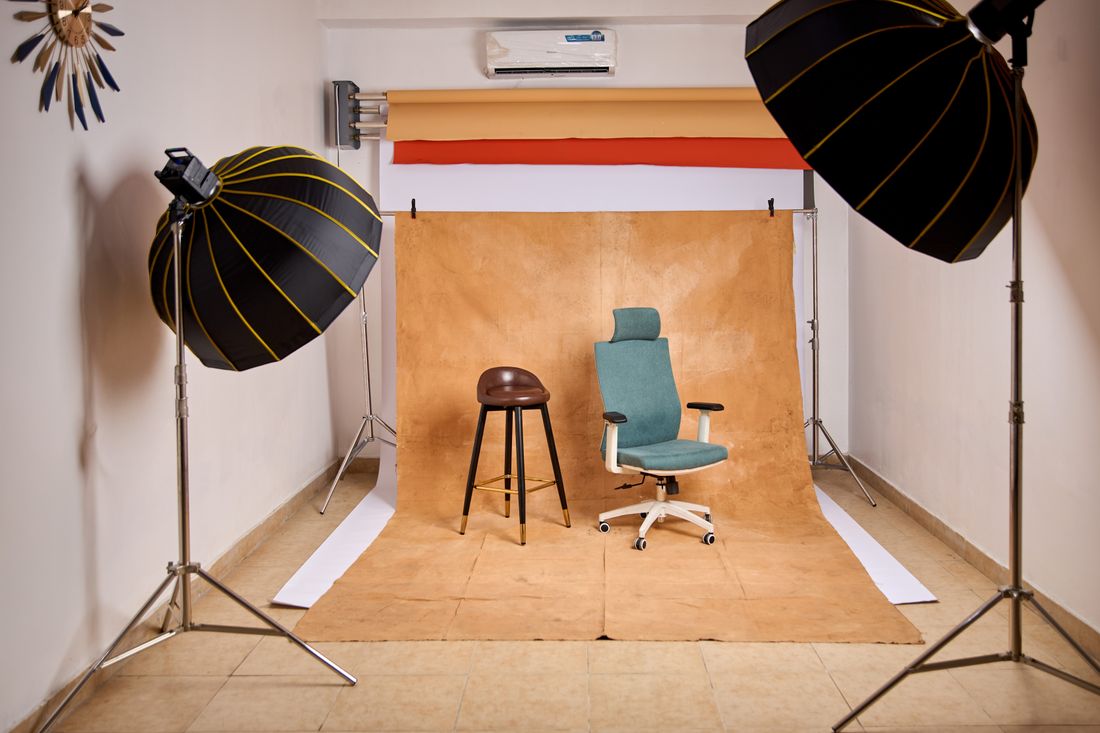
Photo: Core Visuals NYC
A management consulting or advisory firm headshot rarely gets judged by the person it's of. It gets judged by a client's procurement team skimming a proposal cover, a conference organizer resizing it into a program grid, or a marketing associate dropping it into a template built for someone else's face, decisions made by people who will never sit across a table from the partner in the photo.
Management consulting and advisory partner headshots sit between a law firm's formality and a tech startup's casualness: a tailored blazer without a full tie, a background that survives being cropped into a deck, and a tight, high-contrast crop that still reads clearly at 200 pixels, because most of the audience for this photo will never meet the partner.
Table of Contents
- Between Law and Tech: The Consulting Register
- The Sizes a Partner Photo Actually Gets Used At
- What Actually Reads as Credible at Thumbnail Size
- Wardrobe for the Middle of the Formality Scale
- Backgrounds Built for a Pitch Deck, Not Just a Bio Page
- Keeping a Partner and Principal Page Visually Consistent
- How Often Partner Photos Need Updating
- Where the Photo Shows Up Beyond the Bio Page
Between Law and Tech: The Consulting Register
Consulting and advisory headshots sit in the middle of the corporate spectrum: more polished than a tech startup's casual portrait, less formal than a law firm's dark suit and grey backdrop. A partner needs to look credible for a client presentation and approachable enough for someone deciding whether they want this person in the room for six months.
That middle position is harder to hit than either extreme. Law leans formal because the product is trust in a process, and a dark suit signals the person won't improvise. Tech leans casual because the product is often just an idea, and a relaxed portrait signals ideas matter more than appearance. Consulting sells judgment applied to someone else's business, delivered over months, so the photo has to say two things at once: this person knows the work, and won't be exhausting to work with.
In practice, that means a tailored blazer or suit without a full tie-and-jacket setup, a clean rather than sterile background, and an expression closer to attentive than stern. Firms that miss this overcorrect toward one end (an associate-style portrait that reads as intimidating, or a shot so relaxed it undercuts the seniority a title signals).
The Sizes a Partner Photo Actually Gets Used At
A single management consulting headshot gets used everywhere from a 200-pixel thumbnail on a proposal cover to a full-width portrait on a bio page, often by people (a proposal coordinator, a conference organizer, a marketing associate) who have never met the partner and are just pulling the most recent photo on file.
That range is wider than almost any other headshot use case. A law firm photo mostly lives on a bio page and a bar directory listing. A tech founder's photo mostly lives on a team page and social profiles. A consulting partner's photo shows up on a pitch deck cover slide, inside a proposal next to ten other headshots, on a conference program next to a speaker's title, and on the firm's own site, each context shrinking or enlarging the same file without anyone checking how it holds up.
The person deciding whether the photo works isn't the partner. It's whoever assembled the deck, working fast, dropping in whatever image the asset folder had on file. A photo that only reads well at full size becomes a liability the moment someone shrinks it into a 200-pixel corner and it turns into a smear of grey.
What Actually Reads as Credible at Thumbnail Size
At thumbnail size, credibility comes down to contrast and crop, not detail. A tight crop on the face and shoulders, strong separation between the person and the background, and an expression readable in a fraction of a second all survive shrinking. Fine details (subtle lighting, texture, background depth) disappear first and shouldn't be what the photo depends on.
This is why a wide, loose crop with lots of background tends to lose partners in a deck. At 200 pixels the face becomes a small fraction of a small image, and details meant to add warmth just add noise. A closer crop protects the one thing that has to survive every resize: the face itself, clearly lit and separated from whatever sits behind it.
Expression matters more at small sizes than most people expect, because there's no time or space for a viewer to study it. A slight, closed-mouth smile with open eyes reads as competent and approachable at almost any size. A neutral, unsmiling expression that photographs as thoughtful in a large print can read as cold or tired once it shrinks to a business-card-sized crop next to nine other partners.
Wardrobe for the Middle of the Formality Scale
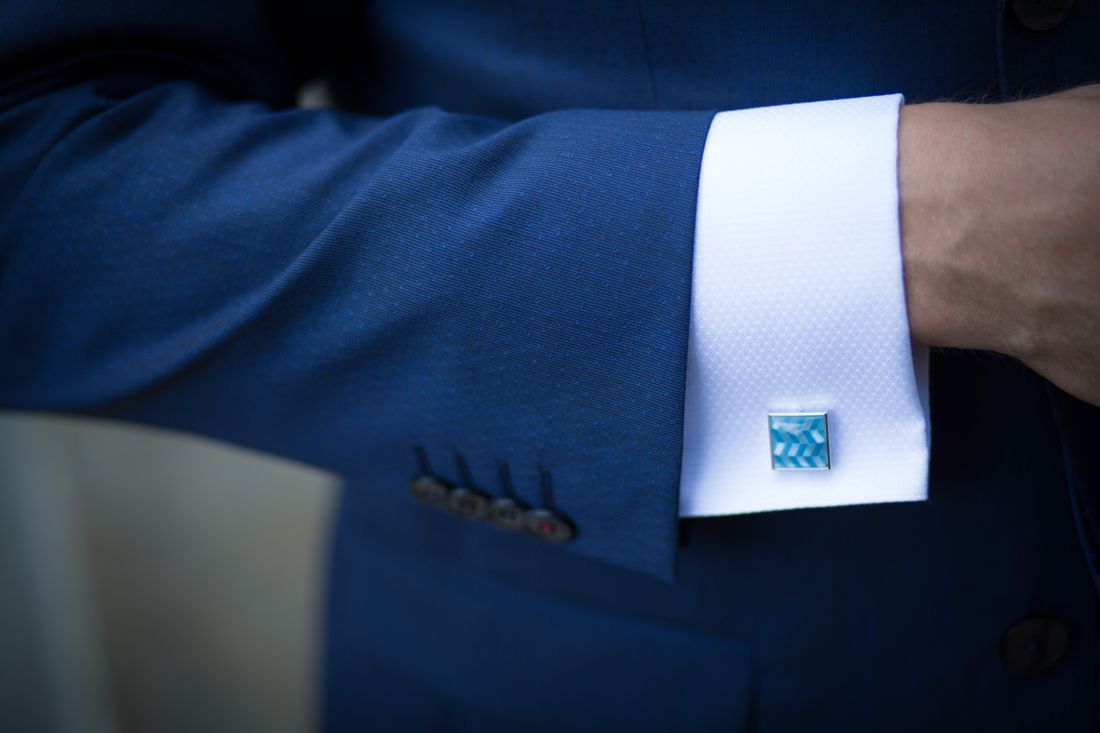
The safest wardrobe choice for a consulting or advisory headshot is a well-fitted blazer or suit jacket in a solid or subtly textured color, worn without a full tie unless the firm's actual dress code calls for it. That lands between a law firm's uniform formality and a startup's open collar, matching how partners actually dress for client meetings.
The reasoning is practical, not aesthetic. A full suit and tie signals a formality most consulting engagements don't operate at day to day. Partners dress that way for a specific pitch, not the internal working sessions that make up most of the relationship. An open collar with no jacket undersells the seniority the photo is supposed to communicate, especially next to a client's own, more formally dressed team.
Color matters more than most partners expect. Solid, muted tones photograph consistently across shoot days months or years apart, while bold patterns or bright colors can date a photo to a specific season faster than the person's own appearance changes. Keeping wardrobe notes on file, what worked and what to repeat, pays off the next time a new partner needs to be added to the same page.
Backgrounds Built for a Pitch Deck, Not Just a Bio Page
A background that works for a consulting or advisory firm needs to survive being cropped into a deck slide, not just displayed on a bio page. Plain, lightly textured neutral tones travel best because they don't fight whatever color scheme a proposal template already uses when the photo gets dropped in later by someone in business development.
An office background carries appeal. It can imply scale and location, useful for a firm competing on the strength of its bench. But it carries the same risk covered elsewhere: a distinctive hallway or skyline view ties the photo to a specific office at a specific moment, becoming a liability the day the firm merges, moves, or opens a new location and half the partner photos are dated by their backdrop, not the person in them.
Branded color backdrops are less common in consulting than in-house creative teams expect, mostly because advisory firms rebrand less dramatically but stay conservative about anything that looks like it's trying too hard. A plain, well-lit neutral background remains the choice that survives the most contexts: a deck cover, a bio grid, a conference program, and a media mention, without needing four different treatments for one partner.
Keeping a Partner and Principal Page Visually Consistent
Consulting firms usually have more title tiers than a law firm's partner and associate split (partner, principal, director, senior manager), and each tier tends to get photographed whenever convenient rather than on one firm-wide day. Without a plan, the leadership page meant to signal consistency instead reads like five separate photo shoots stitched together.
This shows up fastest at firms that grow through lateral hires, since a partner who joins from another firm arrives with whatever headshot style their old firm used, sized and lit differently from everyone already on the page. Matching that new photo to the existing set (same crop, same lighting logic, same background tone) matters more than whether the new photo is technically excellent on its own.
The fix isn't a new policy for every hire; it's a written record of how the last session was shot (background, lighting setup, crop ratio, expression direction) handed to whoever photographs the next batch, whether that's six months or three years later. A firm that keeps that record spends less time re-matching old photos to new ones every time the leadership page gets updated.
How Often Partner Photos Need Updating
Consulting and advisory firms tend to need refreshed partner photos more often than law firms, mostly because promotion cycles move faster and titles change more frequently (someone becomes a principal, then a partner, then leads a practice area), each step sometimes triggering a new bio and a new photo request within a few years rather than a decade.
Mergers and acquisitions add another layer specific to this industry. When two advisory firms combine, the surviving brand often wants every partner photographed the same way regardless of which legacy firm's studio session they originally sat for, which means a chunk of the partner roster needs new photos not because anyone aged out of the old ones but because the firm itself changed shape.
None of this means reshooting on a fixed calendar. It means treating a title change, a merger, or a visible gap between someone's photo and their current appearance as the trigger, rather than waiting for a scheduled refresh that may not line up with when the firm actually needs the update. A partner photographed the week they made partner is doing more work for the firm than the same photo three promotions later.
Where the Photo Shows Up Beyond the Bio Page
A management consulting headshot's audience is rarely the person browsing the firm's website. More often it's a client's procurement team scanning a proposal cover, a conference organizer building a speaker slide, or a journalist pulling a photo for a quote, all people the partner has never spoken to, judging it by how it reads in that context.
This is the practical case for treating the headshot as a piece of business development infrastructure rather than a one-time personal errand. The same file gets pulled into RFP responses, case study one-pagers, award submission forms, and internal slide templates for years after the shoot day, often by people in marketing or business development who never interact with the partner directly and just need something that looks right at whatever size the template demands.
That's the throughline across every section here: the wardrobe, the background, the crop, and the update cycle all serve the same goal, a photo that holds up in contexts the partner will never see it used in, chosen by people who will never ask the partner's opinion on whether it works.
Frequently Asked Questions
What's the right level of formality for a management consulting headshot?
Somewhere between a law firm's dark suit and grey backdrop and a tech startup's open collar and candid pose. A tailored blazer or suit jacket, worn without a full tie unless the firm's actual dress code calls for it, reads as credible without looking stiff. The goal is a photo that works equally well next to a client's formally dressed leadership team and next to a casually dressed internal working group.
Why does a partner headshot need to work at such small sizes?
Because most of the places it actually appears (a proposal cover, a conference program, a slide deck thumbnail) show it far smaller than a website bio page does. A photo chosen only for how it looks at full size can fall apart once it's shrunk to 200 pixels, turning a confident portrait into a blurry smudge right where a client is forming a first impression of who they'd be working with.
Should a consulting firm use an office background or a plain backdrop?
A plain or lightly textured neutral background usually holds up better across the contexts a consulting headshot ends up in, because it doesn't need to match a specific room that might not exist after a move or a merger. An office background reads more authentic but ties the photo to a place and moment that firms in this industry tend to outgrow faster than they expect.
How often should partners at an advisory firm redo their headshots?
Less on a fixed schedule and more when something real changes (a promotion, a merger, or a visible gap between the photo and how someone actually looks now). Advisory and consulting firms tend to move through title changes faster than law firms, so a photo taken the week someone made partner does more work over the following years than the same photo revisited only when someone happens to notice it looks dated.
Does every partner on a page need the exact same background and lighting?
As close as practical. A leadership page with three different backgrounds and lighting setups reads as neglect rather than personality, even when each individual photo is well shot, because viewers register the inconsistency before they register who any specific person is. Keeping a written record of the background, lighting, and crop from the first session makes it possible to match a partner photographed years later to everyone already on the page.
Related Reading
Need headshots or a short brand video across the whole team?
Send the headcount and whether you want photo, video, or both, and we'll quote it with the volume discount built in.
See Headshots & Brand Videos