Photo by Alyssa DeGarde via Pexels.
A family office or private wealth firm has the opposite visibility problem from almost every other client on my calendar. A startup wants to be found. A law firm wants to look credible to a stranger doing due diligence. A family office wants neither. Its clients are private, its growth runs on referral rather than discovery, and a headshot built with a growth company's visual instincts is built for the wrong audience entirely.
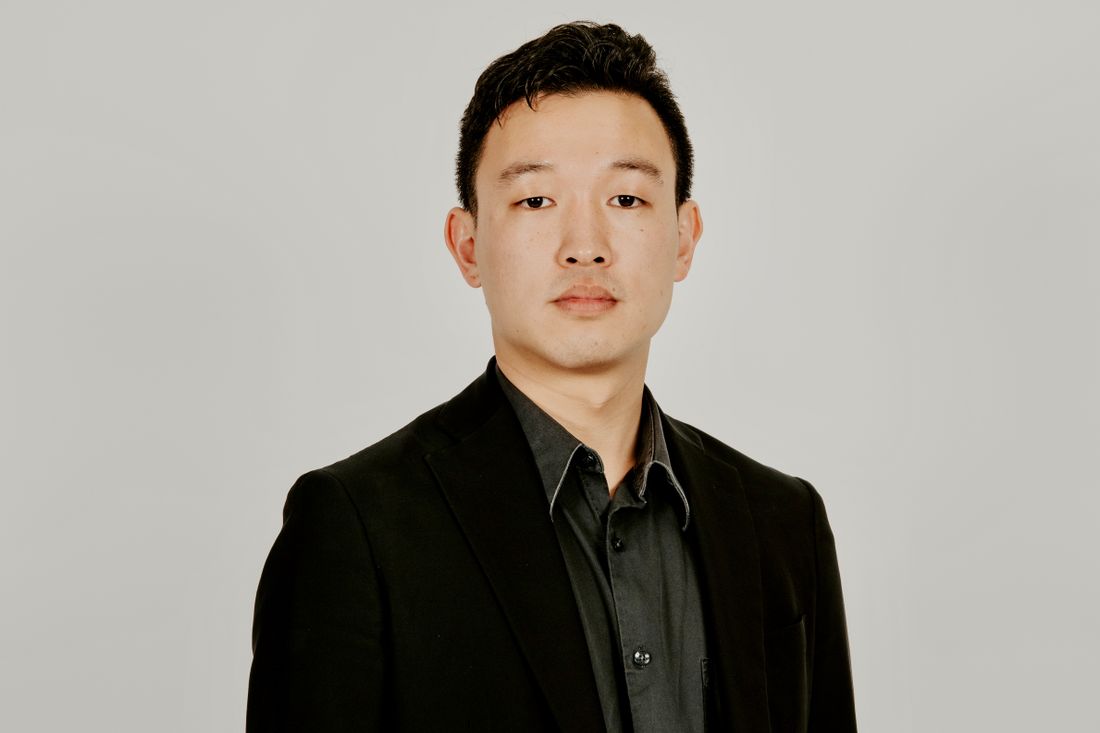
Discretion in a family office headshot is a specific set of visual decisions, not a mood: conservative wardrobe, a plain and unremarkable background, an expression that reads as calm rather than performed, and retouching restraint that corrects distraction without erasing the texture of real experience. The firm's own office is usually the wrong location, consistency has to survive years of new partners joining, and the whole approach differs from a law firm or tech company headshot because the audience being reassured is already inside the room.
Table of Contents
- Why a Family Office Has the Opposite Visibility Problem From a Startup
- What 'Discreet' Actually Means as a Visual Decision
- Why the Office Itself Is Usually the Wrong Location for This Shoot
- Keeping Partner and Staff Portraits Consistent as a Firm Grows Over Years
- What Belongs on a Website Built to Say Very Little
- Working Around a Compliance and Approval Process Instead of Against It
- How This Differs From a Law Firm Headshot
- How This Differs From an Executive or Team Headshot at an Operating Company
Why a Family Office Has the Opposite Visibility Problem From a Startup
A family office or private wealth firm needs a headshot that reads as established and private, not searchable and expanding, because its business runs on referral trust rather than public discovery. A headshot borrowing a startup's visual language, bright light, a wide grin, a sense of reaching for attention, sends the wrong signal to people who already trust the firm.
I've watched headshot direction get built almost entirely around visibility: open expressions, energetic light, a photograph that says this person is building something and wants to be found. That's the right call for a founder raising capital or a consultant selling expertise at scale. It's the wrong call for a principal whose clients arrived through an introduction, not a search result. The clients of a family office or registered investment advisor are usually already in the room. They don't need a photograph that projects growth and momentum. They need the opposite reassurance, that the person managing their capital is careful, unhurried, and not chasing anyone's attention. The portrait should feel like it belongs to a firm that has been doing this quietly for years, not one making an entrance.
What 'Discreet' Actually Means as a Visual Decision
Discretion in a headshot is a set of specific choices, not a mood: a wardrobe that stays inside a narrow, conservative range, a background with no texture or detail worth noticing, an expression that reads as calm and capable rather than performed, and retouching that removes distraction without smoothing the person into something generic. Each choice is deliberate, not an absence of direction.
Wardrobe leans toward solid, muted tones and away from anything with a visible pattern, logo, or trend attached to it, since the goal is a portrait that still looks right in five years, not one that dates itself to a particular season. Background choice usually means flat, neutral, and unremarkable, so nothing in the frame competes with the person. Expression matters more here than almost any other category of headshot I work on, since a private wealth headshot needs warmth without theater. And retouching restraint means correcting what a camera exaggerates under studio light, not erasing the age or texture that actually reads as experience to the people evaluating this person's judgment.
Why the Office Itself Is Usually the Wrong Location for This Shoot
The firm's own office is usually the wrong location for this shoot because a recognizable interior, branded signage, a distinctive view, or a familiar conference room turns a portrait into a document about the address, and a family office generally doesn't want its address doing any work in a photograph. A plain studio setup or a neutral rented space almost always serves the discretion goal better than the actual workplace.
The exception is a firm that has decided, deliberately, that its physical space is part of the story it wants to tell, a converted townhouse, a specific piece of art, a room with real institutional weight behind it. In that case the location becomes a controlled asset rather than an accidental backdrop, and it gets treated as its own decision with its own approval, not a default because the shoot happens to occur there. Absent that deliberate choice, I'd rather bring a portable setup into any quiet room the firm has available and let the person be the entire subject of the frame.
Keeping Partner and Staff Portraits Consistent as a Firm Grows Over Years
Keeping partner and staff portraits consistent as a firm adds people over several years means locking the technical variables, camera distance, lighting setup, background tone, and retouching style, into a documented standard the firm keeps on file, so a portrait shot this year matches one shot five years ago closely enough to sit side by side without looking mismatched. The firm's continuity matters more here than any single photographer's individual style.
In practice that means the firm, not the photographer, owns the standard. A short reference document describing the background value, the lens distance, the lighting ratio, and the retouching approach lets a different photographer pick up the same look years later if the original one isn't available. It also means resisting the temptation to refresh the whole team's look every time the firm brings on new photography, since a partner directory where five people look crisp and modern and two look dated and slightly different reads as disorganized in a way that undercuts the exact stability the firm is trying to project.
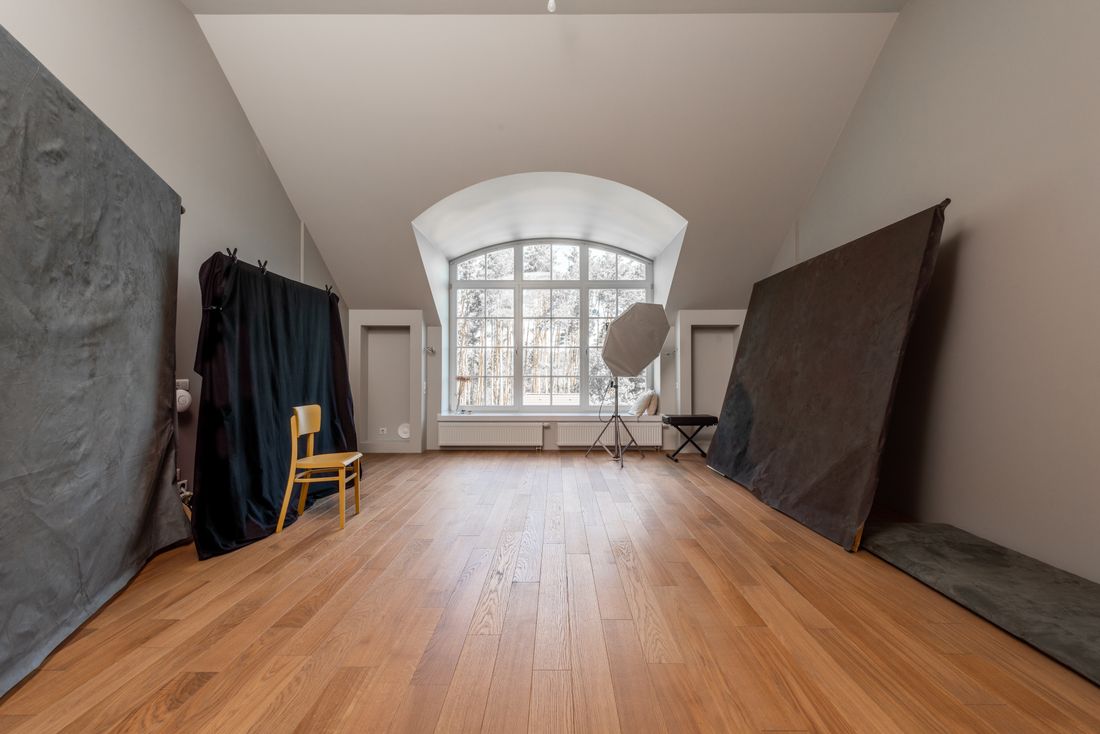
Photo by Max Vakhtbovych via Pexels.
What Belongs on a Website Built to Say Very Little
A family office or private wealth firm's website is often built to say very little on purpose, so the headshots and brand imagery on it need to carry weight without adding information the firm has decided not to publish, no client names, no portfolio specifics, no performance figures. What stays is usually a short list of principals, a portrait for each, a brief and general description of the firm's approach, and contact information.
That constraint actually raises the bar on the photograph rather than lowering it, because when the copy says almost nothing, the portrait becomes the primary signal a visitor reads before deciding whether to reach out through a trusted introduction. A flat, poorly lit, or dated headshot on a page with three sentences of text is far more noticeable than the same photo buried in a content-heavy site. I treat these projects as photography doing most of the credibility work the copy deliberately isn't doing, which changes how much care goes into getting a small number of portraits exactly right.
Working Around a Compliance and Approval Process Instead of Against It
A regulated wealth management or advisory firm's headshot project usually moves through more internal review than a typical corporate shoot, since compliance, marketing, and often individual principals each want to sign off before an image goes anywhere public, and building that review time into the schedule from the start avoids the last-minute scramble that a tight deadline creates once a launch date is already fixed.
In practice, that means proofing a shoot with extra lead time before any public use, delivering a clearly organized set of options per person rather than one forced choice, and staying flexible about a re-shoot or a swap if a compliance reviewer flags something after the fact, a background detail, a piece of jewelry, an expression that reads differently to a reviewer than it did on set. None of this is about interpreting a firm's compliance rules, which is squarely the firm's own call. It's about running the shoot and the delivery timeline so the firm's actual approval process has room to do its job properly before anything ships.
How This Differs From a Law Firm Headshot
A private wealth headshot and a law firm headshot both aim for credibility, but a law firm's imagery still tends to project authority and public-facing gravitas, since attorneys are frequently named individually in filings, press, and directory listings that a client or opposing counsel will actually search for. A family office headshot aims lower on the visibility dial on purpose, since most of its principals are never meant to be found that way at all.
That difference shows up in small details. A law firm portrait can carry a slightly more formal, almost official register, closer to a bar association photo, because the person may need to look credible to a stranger evaluating them cold. A family office portrait is built for people who are already inside a relationship of trust, so it can afford to be quieter and warmer, with less of the performed seriousness a law firm image often needs. Neither approach is wrong. They're solving different visibility problems for two kinds of client trust.
How This Differs From an Executive or Team Headshot at an Operating Company
A private wealth headshot differs from a typical corporate team headshot mainly in how much personality and energy the photo is allowed to show, since a tech company or agency headshot usually wants some visible enthusiasm and individuality across the team page, while a family office wants a calmer, more uniform register where no single portrait pulls unusual attention to itself, including the principal's own.
A corporate team page is often trying to demonstrate culture, and a bit of visible personality across a grid of headshots serves that goal well, giving a candidate or partner a sense of who they'd actually be working with. A family office isn't demonstrating culture to the public in the same way, since the audience for its imagery is small and already inclined to trust the firm before they ever see a photograph. That's the throughline across every choice in this piece, wardrobe, background, expression, retouching, location, and consistency over time. The goal isn't a weaker photograph. It's a photograph calibrated to a business that succeeds by staying quiet, not by being noticed.
Frequently Asked Questions
Should a family office use its own office as the location for headshots?
Usually not. A firm's own office carries branded signage, a recognizable interior, or a familiar view that turns a portrait into a document about the address, which works against the discretion a family office is generally going for. A plain studio setup or a neutral rented room almost always serves the goal better, unless the firm has deliberately decided its physical space is part of its story, in which case that becomes its own separate choice.
How do we keep new partners' headshots matching the existing team as the firm grows?
By treating the technical setup, not any single photographer's style, as the standard. A short reference document covering the background tone, camera distance, lighting ratio, and retouching approach lets a different photographer match the existing look years later, even if the person who shot the original portraits isn't available. Resist refreshing the whole team's look every few years for the sake of it, since a directory with several visibly different eras of photography reads as disorganized.
What should a family office website actually show if it isn't naming clients?
A short list of principals, one strong portrait for each, a brief and general description of the firm's approach, and contact information, without client names, portfolio specifics, or performance figures. Because the copy deliberately says so little, the portrait carries more of the credibility work than it would on a content-heavy site. A flat, dated, or poorly lit headshot stands out far more on a page with three sentences of text than one buried in paragraphs.
How does a firm's compliance review affect headshot scheduling and delivery?
It usually means building extra review time into the schedule before any public use, since compliance, marketing, and often individual principals each want to sign off on an image. Delivering a clearly organized set of options per person, rather than a single forced choice, gives reviewers room to work. Staying flexible about a re-shoot or a swap if something gets flagged afterward, a background detail or an expression, keeps the process from becoming a bottleneck later.
How is a family office headshot different from a typical corporate or startup headshot?
A family office headshot sits at the opposite end of the visibility dial from a startup or agency headshot. Where a tech company wants energy and visible personality across a team page, a family office wants a calmer, more uniform register where no portrait draws unusual attention, including the principal's own. The audience is small and already inclined to trust the firm, so the photograph doesn't need to work as hard to earn that trust in public.
Related Reading
Planning headshots for a finance or wealth management team?
Tell us your team size and the tone you're going for, and we'll build a session that fits the credibility bar this industry actually needs.
See Headshots & Brand Videos