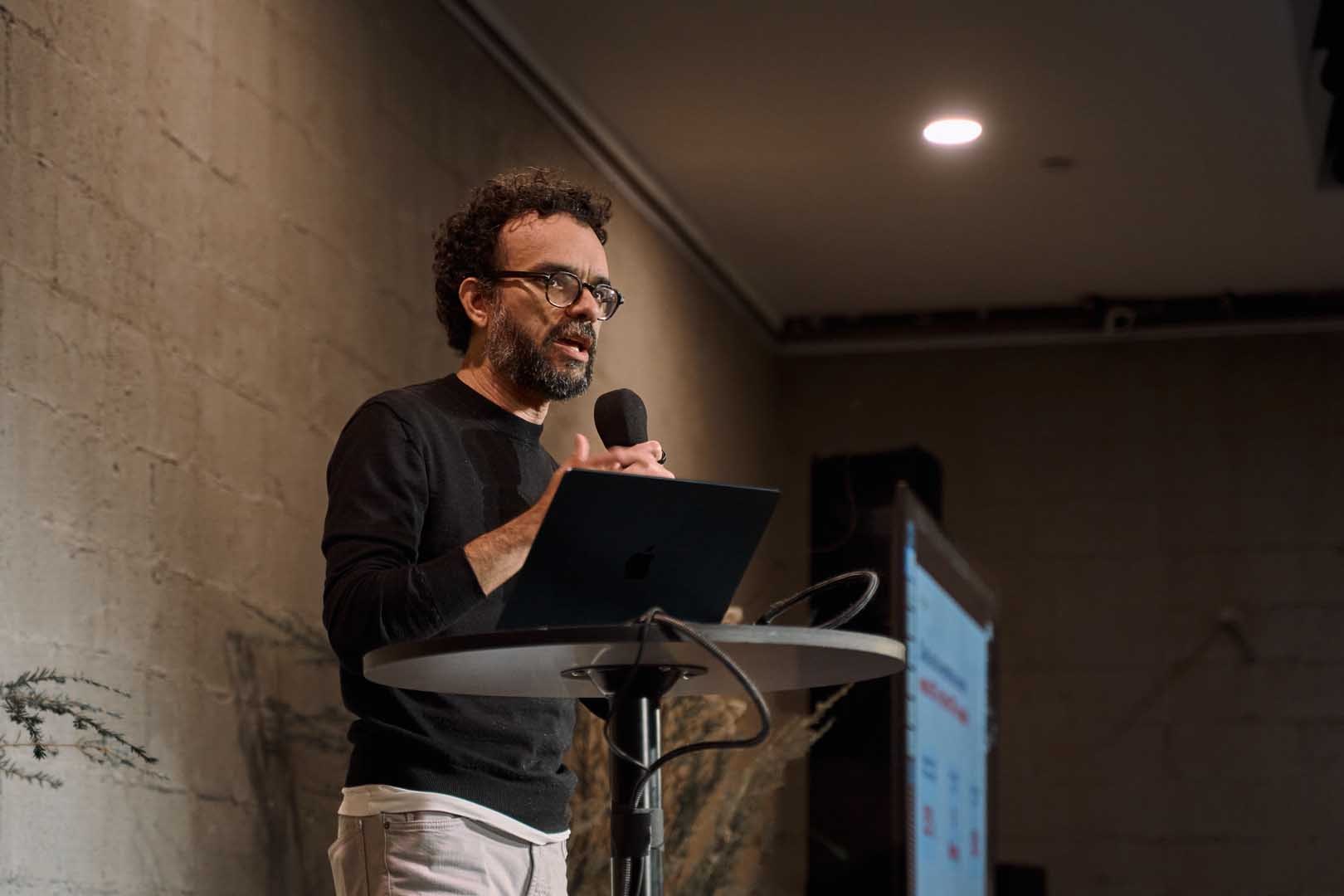
Photo: Core Visuals NYC
An AI researcher's work gets noticed before their public presence ever does. Then a journalist emails, a conference wants a talk, a podcast wants an hour, and there's no portrait, no clip, nothing that shows this is a real, credible person behind the work. The content gap shows up exactly when it matters most.
A technical researcher stepping into public view for the first time needs a small set of credibility content, not a marketing persona: a portrait that reads as serious rather than polished, a short clip of them explaining their own thinking, and a simple bio and headshot kit ready before the first interview request arrives.
Table of Contents
- Why an AI Researcher's First Public Moment Needs a Plan
- Credibility Content, Not a Marketing Persona
- What Changes When Outside Attention Actually Arrives
- The Portrait That Has to Read as Credible, Not Polished
- Building a Small Library Before the First Interview Request
- What This Content Is Not: No Claims About the Work Itself
- How Often a Technical Expert Actually Needs New Content
- Starting Small: The Minimum Kit Before Saying Yes to Anything
Why an AI Researcher's First Public Moment Needs a Plan
A researcher's first public moment usually arrives on someone else's timeline: a journalist's deadline, a conference's speaker page, a podcast booking that closes in a week. There's rarely a runway to build content from nothing once the request lands, which is exactly why having a small kit ready ahead of time matters more than it might seem.
This is different from a planned launch, where a person decides to build a public presence and schedules the content around that decision. Here, the outside attention arrives first, and the content need follows it, often on short notice and with real time pressure attached to a specific opportunity nobody scheduled in advance.
Waiting until the first request to figure out what's needed usually means scrambling: a phone-camera headshot, no clip to send a producer, a bio written in an hour under deadline pressure. None of that reflects the actual credibility of the work behind it. Having the basics ready removes that mismatch before it ever has a chance to happen.
Credibility Content, Not a Marketing Persona
This content exists to make a real, credible person visible, not to build a personality or a brand voice around them. A researcher doesn't need a content calendar or a recognizable on-camera style. They need a portrait and a clip that reads as exactly who they are: a serious person doing serious, specific work.
That distinction matters because it changes what gets shot and how. A marketing persona is built for repetition, a consistent look across dozens of posts spread over months. Credibility content is built to hold up under a single, high-stakes use instead, think a conference bio page, a journalist's profile photo, a producer's first look before a booking decision gets made.
The tone follows from that difference too. Approachable, not performative, and never scripted to sound like something else. A researcher explaining their own thinking in plain language reads as more credible than a rehearsed pitch ever would, and the content should be built to let that happen naturally rather than force it.
What Changes When Outside Attention Actually Arrives
Once outside attention arrives, a researcher starts fielding requests that each want something specific and ready fast: a headshot for a bio page, a short clip for a producer's pitch, a quote with a photo attached for an article going out that week. Each request has its own deadline, usually shorter than feels comfortable, and rarely any real room to negotiate it.
Before that moment, none of this content has an obvious deadline attached to it, so it's easy to keep deferring, since nothing forces the decision one way or the other. After the first request lands, every version of it suddenly has a due date attached to someone else's schedule, not the researcher's own, and that shift can feel sudden.
Having the basics ready in advance means the researcher can say yes to a good opportunity without a scramble, and can also say no calmly to a bad one, instead of feeling pressured to accept because turning it down would mean admitting there's nothing ready to send on short notice.
The Portrait That Has to Read as Credible, Not Polished
The portrait a technical researcher needs has to read as credible first, polished second, with real eye contact, a plain or natural setting, nothing that looks like it was staged for a magazine spread. A conference bio page and a journalist's profile photo both want the same thing: a person who looks like they actually do this work.
An overly produced portrait can work against a researcher rather than for them, because it can read as more marketing than substance, which is the opposite impression a technical credibility moment is trying to create. Natural light, a real workspace or a plain background, and a genuine expression do more work here than dramatic lighting ever would.
One well-shot portrait, with a few crop options built in, covers most of what gets asked for: a square crop for a bio page, a wider frame for a press use, a version with room for a caption. That's usually enough for a first year of outside attention.
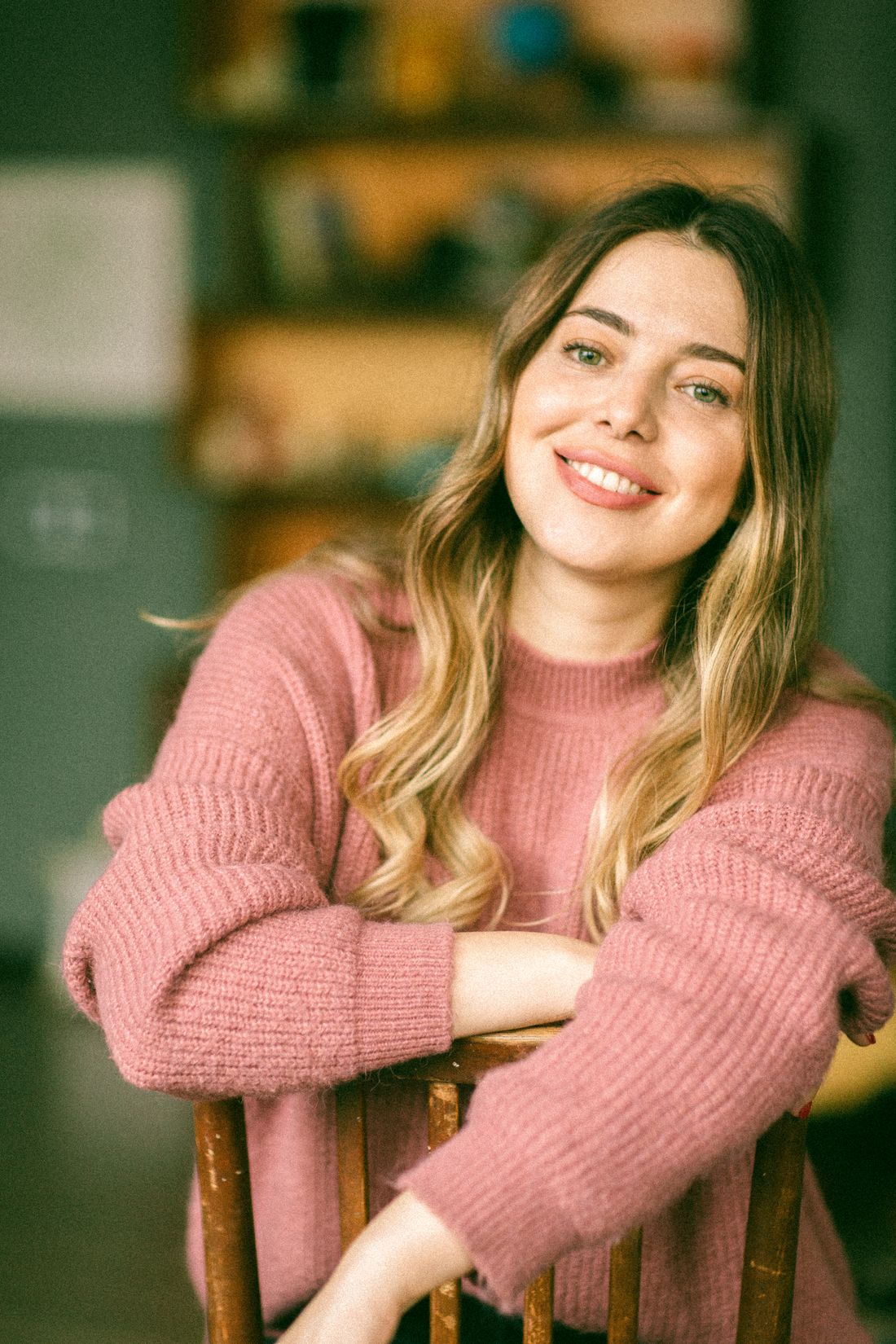
Photo by Rovshan Nazirli via Pexels.
Building a Small Library Before the First Interview Request
A small library built before the first interview request covers three things: the portrait, a short clip of the researcher explaining their own thinking in their own words, and a simple bio with a headshot attached and ready to send on short notice. That's the whole starting kit, not a longer wish list.
The clip matters more than it might seem. A producer or journalist deciding whether to book someone often wants to see and hear them first, not just read about the work on a page somewhere. A short, unscripted clip of the researcher talking through an idea does more to earn that booking than a polished reel ever would.
None of this needs to happen the week a request lands. It can get built quietly, ahead of any specific opportunity, during a normal week when there's no deadline pressure attached to getting it right, which usually makes for a calmer, more natural result anyway and a better set of usable material.
What This Content Is Not: No Claims About the Work Itself
This content stays entirely in the lane of visibility: what the researcher looks like, sounds like, and how they present their own thinking. It makes no claims about the research or the technology itself, and it shouldn't try to. That's a different job, handled by the researcher and their own institution or company, not by a photo and video kit built for visibility.
Keeping that boundary clear protects the researcher, because content that oversteps into describing or validating the work can create exposure neither the researcher nor Core Visuals is positioned to carry. A portrait and a clip can show a credible person doing real work; they can't and shouldn't vouch for a specific claim about the work itself.
In practice, this means captions, bios, and any text built around the visuals stay descriptive rather than promotional, covering what the researcher does, not what the work proves or promises to deliver down the line. The visuals do the credibility work; the words stay careful and specific.
How Often a Technical Expert Actually Needs New Content
A technical expert's basic kit doesn't need frequent refreshing. A portrait holds up for a year or more unless something changes significantly, and a clip stays useful as long as the thinking in it hasn't been superseded by newer work. This isn't a content calendar with a weekly cadence attached to it, and it was never meant to become one.
New material becomes worth shooting around real milestones: a paper getting real outside attention, a first conference talk, a role change that shifts what the researcher is publicly known for in their field. Those moments are natural points to refresh the kit, rather than shooting on a schedule disconnected from what's actually happening in the work itself.
This lighter cadence is part of what makes the content low-friction for a busy technical person. It's a small, occasional investment tied to real moments, not an ongoing production commitment layered on top of the actual research work that already fills most of the week.
Starting Small: The Minimum Kit Before Saying Yes to Anything
The minimum kit before saying yes to any outside opportunity is small on purpose: one strong portrait with a couple of crop options, one short unscripted clip, and a bio written in plain language rather than institutional copy. That's enough to respond to almost any first request without a scramble or a panic.
Everything past that minimum (a fuller video library, a dedicated one-pager, a recurring content plan) is worth building once there's a real pattern of outside attention to justify it, not before the pattern exists. A researcher who's had one media request doesn't need the same kit as one who's fielding them monthly.
Starting small also keeps the investment proportional to a genuinely uncertain moment. Nobody knows in advance how much outside attention a piece of work will draw once it's out in the world. A minimum kit is cheap insurance either way, useful whether the attention turns out to be a single request or the start of something ongoing.
Frequently Asked Questions
What content does a technical researcher need before their first interview or media appearance?
A small starting kit: one credible portrait with a couple of crop options, a short unscripted clip of them explaining their own thinking in plain language, and a plain-language bio with a headshot attached and ready to send on short notice. That covers most first requests, whether it's a conference bio page, a journalist's profile photo, or a producer deciding on a booking that week.
Isn't this just personal branding for executives? How is it different for a researcher?
The goal is different. Executive personal branding often builds a recognizable voice or persona across ongoing, repeating content meant to be posted regularly. A researcher's kit is about credibility, not personality, showing a real, serious person behind the work, built for a handful of high-stakes uses rather than a repeating content calendar or a consistent on-camera style meant to build a following over time.
What kind of portrait works for someone stepping into public view for the first time?
One that reads as credible before it reads as polished: real eye contact, natural light, a plain or genuine workspace background, nothing staged like a magazine spread built for a different purpose. An overly produced portrait can work against a technical researcher, since it can read as more marketing than substance in a moment meant to establish real, specific expertise in front of a new audience.
Does this content make any claims about the underlying research or technology?
No. The portrait and clip stay in the lane of visibility (what the researcher looks like, sounds like, how they explain their own thinking in their own words) and make no claims about the work itself or what it proves. Any text built around the visuals stays descriptive, not promotional, since validating the research is a separate job the content doesn't take on.
How much content does a researcher actually need before saying yes to outside attention?
Less than most people expect. One strong portrait, one short clip, and a plain-language bio cover most first requests without a scramble or a rushed decision. A fuller library only becomes worth building once there's a real, ongoing pattern of outside attention. A researcher fielding one request a year needs a much smaller kit than one fielding them monthly, and the difference is worth planning for.
Related Reading
Got a launch coming up and no clear shot list yet?
Walk us through where the content needs to show up, site, LinkedIn, press, or a launch page, and we'll put together the scope and the price before you book anything.
See Personal Branding & Launches