Photo by cottonbro studio via Pexels.
Here's a pattern I've noticed watching culture videos get built: everyone in the room is satisfied the moment a leadership answer sounds warm and confident, and nobody stops to ask whether the person this video is actually for — a candidate deciding whether to apply — would have clicked away twenty seconds earlier. Most recruiting videos for a careers page are made to reassure whoever approved the budget that the culture reads well on camera. That's a real audience, but it's the wrong one. A candidate isn't looking for reassurance. They're gathering evidence — what the job actually is, who they'd sit near, what a normal day feels like, whether any of it checks out — and a video that skips straight to feeling good about the company fails the only test that matters: did anyone watch it to the end?
Most careers-page culture videos are built to reassure the company about its own culture, not inform the candidate deciding whether to apply. Candidates watching one check four things: what the work looks like, who they'd sit near, what the pace feels like, and whether any of it is checkable — and casting, questions, and length should follow from that.
Table of Contents
- Why Most Careers-Page Culture Videos Get Skipped Before the End
- What a Candidate Is Actually Trying to Find Out
- Why Casting Decides More Than the Script Does
- The Questions That Get Real Answers Instead of PR Answers
- Unscripted vs. Scripted: Why the Format Itself Signals Honesty
- What B-Roll Actually Proves (and What It Doesn't)
- What Makes a Viewer Bail in the First Fifteen Seconds
- Where the Video Should Actually Sit on a Careers Page
Why Most Careers-Page Culture Videos Get Skipped Before the End
Most recruiting videos are built to make the company feel good about its own culture, not to give a candidate real information. They're reassurance for leadership dressed up as content for applicants, and a candidate who's gathering evidence for a real decision closes a video that offers none within the first few seconds.
The tell is usually in who wrote the questions. If they were shaped to sound good in a board meeting — what makes our culture special, why do you love working here — the answers come back as marketing copy delivered by a person instead of typed on a landing page. Candidates have watched enough of these to spot the pattern fast: soft lighting, a wide smile, a sentence that could describe almost any company in any industry. None of that is dishonest exactly. It's just aimed at the wrong audience — built to make the company comfortable publishing it, not to make a stranger trust it. Everything below follows from flipping that: treating the video as a source of information a candidate can actually use, not a mood piece that happens to have people in it.
What a Candidate Is Actually Trying to Find Out
A candidate watching a careers-page video is checking four things: what the work itself looks like day to day, who they'd actually sit near, what the pace and pressure feel like, and whether anything said is specific enough to verify later against a real interview or a real first week.
None of those four map cleanly onto "culture," which is why a video built around the word culture tends to miss all four. What the work looks like means an actual task, screen, or tool, not a description of collaboration. Who they'd sit near means a peer, not a founder — the person a new hire reports to matters less here than the person they'd eat lunch next to. Pace and pressure means an honest read on deadlines and hours, not just enthusiasm. And checkability means a named title, a real project, a detail specific enough that it could be confirmed or contradicted in an interview. A video that answers these four questions, even briefly, earns more trust than one that spends the same runtime on adjectives — energetic, collaborative, passionate — that answer none of them.
Why Casting Decides More Than the Script Does
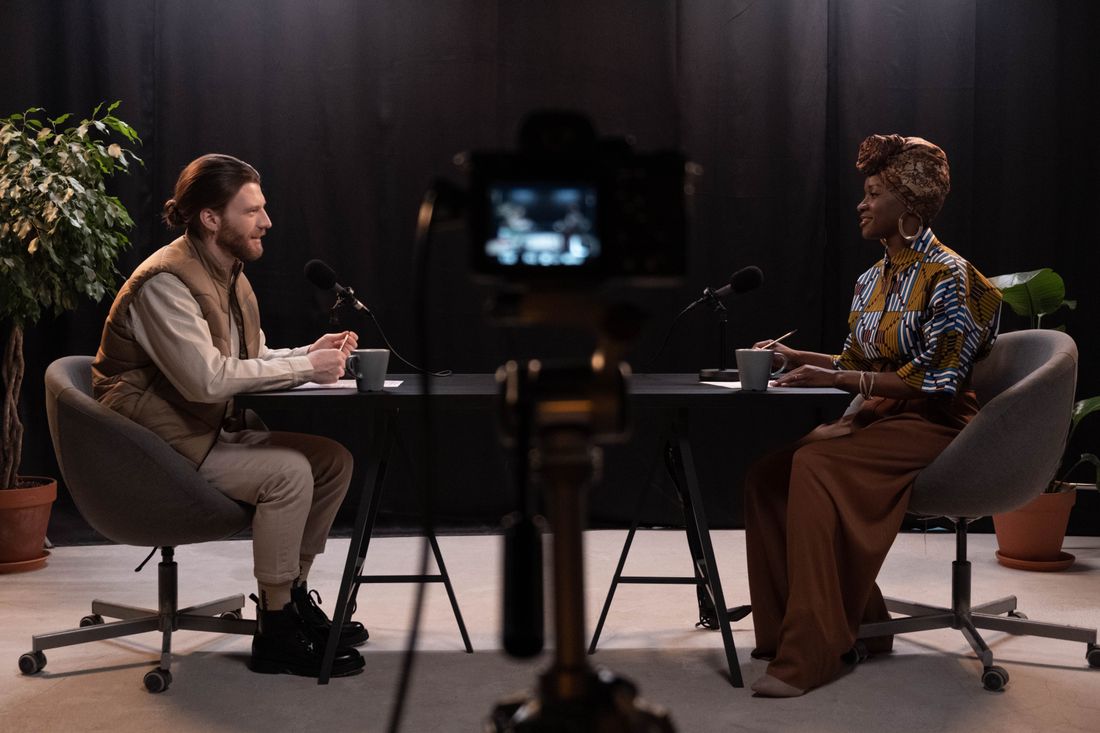
Once the goal is informing a candidate instead of reassuring the company, casting changes first: the people on camera should be whoever the new hire will actually work alongside, not whoever holds the most senior title. Leadership can open or close the video, but the middle belongs to individual contributors.
A candidate applying for a mid-level role learns almost nothing from a founder describing the mission for ninety seconds — that's a message for investors and press, not for someone deciding whether to take this job over another offer. What that candidate needs is two or three people doing roughly the job they'd be doing, talking about their actual week. That's a casting call most companies never make, because the instinct is to put the most polished, most senior person in front of the camera. It reads as leadership choosing to represent the company rather than letting the company represent itself. A short leadership frame at the open and close is fine — it signals this is sanctioned, real content — but the middle, where the actual information lives, should belong to the people whose job most resembles the one being advertised.
The Questions That Get Real Answers Instead of PR Answers
Broad prompts like "what's our culture like" invite a rehearsed answer because they don't point at anything specific. Questions that get real answers ask about a Tuesday, a recent project, a disagreement that got resolved, or what surprised someone in their first month — concrete enough that an employee has to think, not recite.
The difference is specificity, not tone. "Walk me through what you did yesterday" produces something usable in a way "describe our culture in one word" never does, because the first forces a real answer and the second invites a marketing one. Good prompts for this format: what does a normal Tuesday actually look like, what's something that surprised you in your first few weeks here, what's a recent project you were proud of and why, what would you tell a friend considering applying. None of these require a script — they require a subject who trusts the question enough to answer honestly, which is a casting and rapport problem more than a writing problem. A subject who's nervous or over-coached will still sound rehearsed even answering a good question, which is why the interview approach matters as much as the question list.

Photo by Mikhail Nilov via Pexels.
Unscripted vs. Scripted: Why the Format Itself Signals Honesty
A scripted culture video reads as scripted even when every word is true, because viewers pick up on delivery cues — memorized cadence, eye contact aimed at a teleprompter, pauses in the wrong places — faster than they process content. Unscripted, conversational answers to open questions carry more credibility because the imperfections read as real.
This isn't an argument against planning. A well-run unscripted shoot still has a tight question list, a comfortable setting, and an interviewer who knows how to follow up — "say more about that" does more work than any line of dialogue a company could write for someone. What it avoids is handing someone a paragraph to memorize and deliver, because that paragraph, however accurate, comes out sounding like every other company's paragraph. The visible effort of scripting is itself the signal candidates are trained to distrust, since it's the same tell they've learned to spot in a suspiciously polished Glassdoor review or a testimonial that reads like it was written by marketing. Loosely structured, honestly answered questions cost less to produce and consistently test better with the audience this format actually serves.
What B-Roll Actually Proves (and What It Doesn't)
B-roll should function as evidence for a claim made on camera, not as visual filler between talking heads. A shot of someone actually doing the job mentioned a sentence earlier proves that job exists and looks like that; a generic shot of hallways or a logo on a wall proves nothing a candidate needed to know.
The test worth applying to every B-roll shot is simple: what claim does this back up? If an employee just described a fast-paced, hands-on role, the next few seconds should show hands-on, fast-paced work — not a slow pan across an empty kitchen or a wide shot of the building's lobby. Real workspaces, real screens, real conversations caught mid-sentence do more for credibility than any amount of architectural photography, because they corroborate what was just said instead of decorating around it. This is also where an over-produced shoot works against itself: B-roll that looks too composed, too lit, too clearly staged for the camera undercuts the same trust the interview footage just built. The goal isn't cinematic coverage of the office. It's visual proof that the description a moment ago was accurate.
What Makes a Viewer Bail in the First Fifteen Seconds
Viewers bail early on three things: a slow open with no information in it, a speaker who's clearly reciting rather than talking, and a first frame that looks like every other company's recruiting video — same lighting setup, same wide smile, same generic line about a great team.
The opening few seconds carry a disproportionate amount of the video's job, because a candidate has already decided whether to keep going before the first full sentence lands. A cold open of a logo animation or a slow establishing shot of the building spends that window on nothing useful. A better open drops straight into someone mid-thought — an actual answer to an actual question, no title card, no throat-clearing. Length compounds this: a five-minute video that front-loads generic material never earns the chance to get to the good part, because the viewer is gone by then. Two to three minutes is a realistic ceiling for this format on a careers page, and even inside that window, the strongest, most specific answer belongs first, not held back as a payoff for people who stayed.
Where the Video Should Actually Sit on a Careers Page
A culture video works best placed after the job listings or role descriptions, not above them, because a candidate arriving on a careers page is usually scanning for open roles first and only clicks play once they've confirmed there's something worth applying to.
Putting the video at the very top, autoplaying before anyone has decided this company is even relevant to them, wastes the format on people who haven't earned the context to care yet. A candidate who's already found a role that fits is a much warmer viewer — they're not deciding whether to be interested, they're deciding whether to trust what they've read. That's exactly the moment a specific, checkable, employee-led video does the most work. It's also worth keeping the video native to the page rather than only linking out to a hosted platform, since a candidate who has to leave the page to watch is a candidate who might not come back to finish applying. The video should support the application decision already in motion, not try to generate interest from a cold visitor who hasn't seen a single open role yet.
Frequently Asked Questions
How long should a careers-page culture video be?
Two to three minutes is a realistic ceiling for a careers-page culture video. Longer videos front-load generic material and lose viewers before reaching anything specific, since most people decide whether to keep watching in the first fifteen seconds. Put the most concrete, checkable answer first rather than saving it as a payoff — a candidate who bails at thirty seconds should still walk away having learned something real about the job.
Should leadership or employees be on camera in a recruiting video?
Mostly employees, not leadership. A candidate applying for a specific role learns little from a founder describing the mission — that message is aimed at investors and press, not applicants. Two or three people doing work similar to the advertised role, talking about their actual week, give a candidate something to evaluate. A brief leadership frame at the open or close is fine; the middle should belong to individual contributors.
Is a scripted or unscripted format better for a culture video?
Unscripted. Memorized answers read as memorized even when accurate — viewers pick up on cadence and eye contact before they process the content. A tight question list with a comfortable setting and an interviewer who follows up with "say more about that" produces more credible footage than handing someone a paragraph to recite. The visible effort of scripting is itself a trust signal candidates have learned to distrust.
What causes people to click away from a recruiting video in the first few seconds?
Three things: a slow open with no information in it, a speaker who's clearly reciting rather than talking, and a first frame that looks like every other company's recruiting video — same lighting, same wide smile, same generic line about a great team. A candidate has usually decided whether to keep watching before the first full sentence lands, so the opening moment needs an actual answer, not a logo animation or a wide establishing shot.
Where should a culture video go on a careers page?
After the job listings, not above them. Most candidates scan for open roles first and only click play once they've confirmed something worth applying to exists. Autoplaying a video above the listings spends the format on visitors who haven't decided the company is relevant yet. Keep it native to the page rather than only linking to a hosted platform — a candidate who leaves the page to watch may not come back to finish applying.
Related Reading
Have a launch or brand project where scale is actually the story?
Tell us what the aerial shot needs to show, and we'll scope it alongside the ground coverage from the start, permits included.
See Personal Branding & Launches