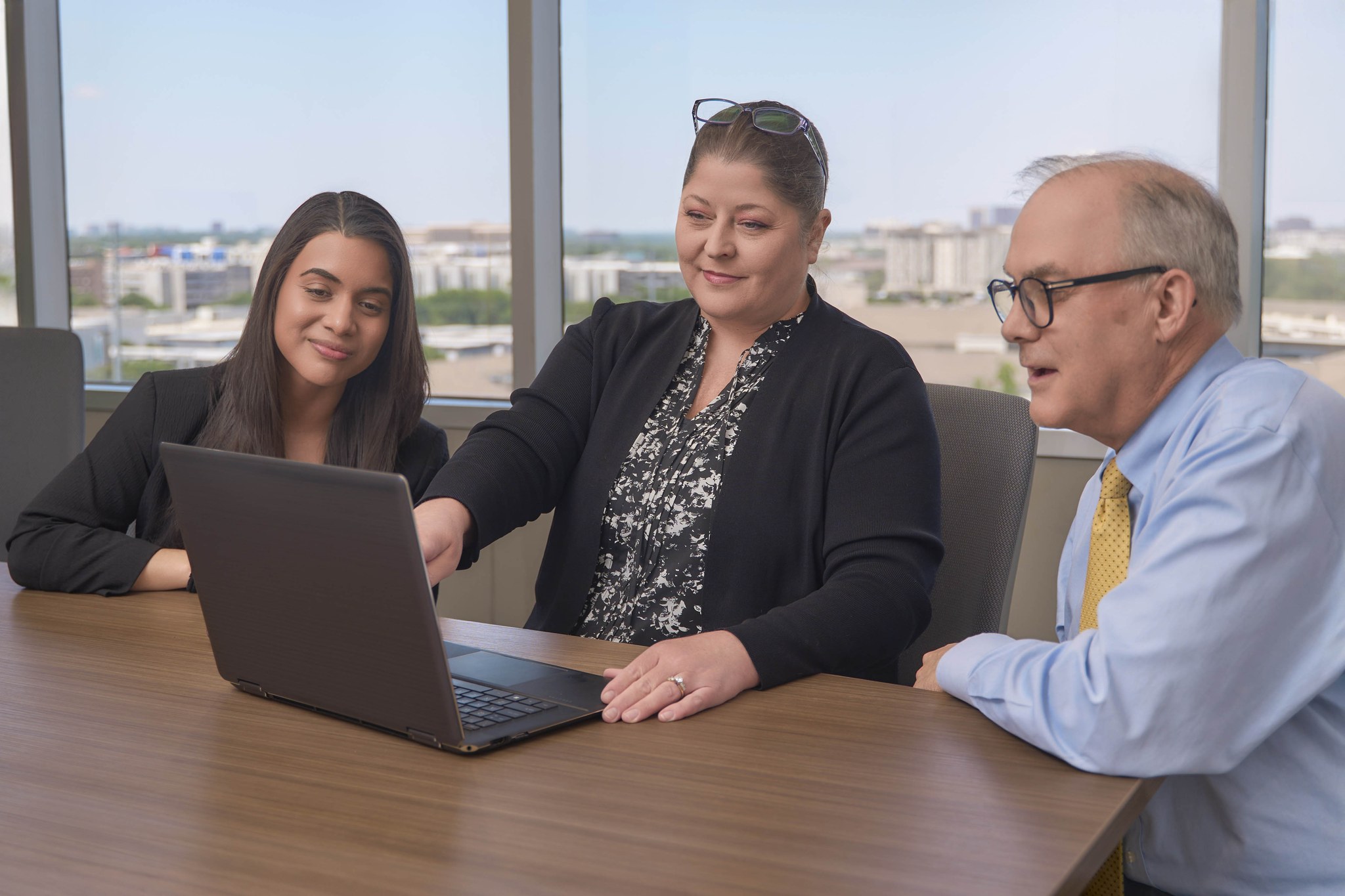
Photo: Core Visuals NYC
The companies struggling to hire in NYC aren't necessarily offering worse compensation or benefits. They just look worse online. Someone scrolling through your careers page or LinkedIn at 11pm, deciding whether to even apply, is making a judgment off your visual first impression. That's not a nice-to-have. It's the filter that decides whether qualified candidates ever reach your interview process.
Office photography is one of the more overlooked levers in recruiting, and most companies either skip it or shoot it like real estate, not like a career opportunity. The companies using workspace photography strategically, with real people and real light, are giving candidates an honest look at what the job actually feels like, before anyone ever applies.
Table of Contents
- What Candidates Are Actually Looking at in Your Office Photos
- What Makes Workplace Photography Look Authentic Instead of Staged
- The Collaboration Question Every NYC Candidate Is Asking
- The Meeting Culture Test
- How Natural Light Became a Recruiting Differentiator in NYC
- The Diversity Signal Office Photography Sends
- What Actually Works: Office Photography That Converts Candidates
- The Remote Work Complication: When Office Photos Need to Justify the Commute
What Candidates Are Actually Looking at in Your Office Photos
When someone's weighing a job offer, especially in NYC where they've probably got multiple options, they're not just evaluating the role. They're trying to picture themselves in your space for eight hours a day. Does the office look like a place where focused work actually happens? Is there natural light, or is it fluorescents all day? Can they picture being productive there, maybe even enjoying the workday?
This is why empty conference room shots and sterile hallway photos don't do the job. They answer none of the questions candidates actually have. What they want to see is someone like them, doing work like theirs, in an environment that looks functional and maybe even pleasant. A photo with natural light, a clean workspace, and someone visibly deep in focused work tells that story far better than corporate copy about "collaborative workspace."
The gap between office photography that helps recruiting and office photography that's decoration comes down to one question. Are you showing the experience of working there, or just documenting that the office exists? One makes candidates want to apply. The other makes them keep scrolling.
What Makes Workplace Photography Look Authentic Instead of Staged
"Authentic" is the word candidates actually use when they search for this, and it's worth being straight about what it means in practice. Staged photography is easy to spot: everyone's looking at the camera, the desks are suspiciously clean, and the "collaboration" shot has four people gathered around one laptop that nobody is actually reading. Candidates have seen enough stock photography to clock it in about two seconds, and once they clock it, they stop trusting the rest of the page.
Authentic doesn't mean unposed in the sense of catching people mid-sentence with their mouth open. It means the moment is real even if it's set up. We ask people to keep doing the work they were already doing, direct light and angle around them instead of arranging them like furniture, and shoot enough frames that the stiff first minute is gone by the time we get the keeper. The difference shows up in small things: real screens, real notes, hands actually doing something.
The honest tradeoff is that authentic photography takes longer to shoot well than staged photography, because you're waiting for real work to produce a real moment instead of directing one. That's the job. A photo that looks staged reads as marketing. A photo that looks real reads as evidence, and evidence is what a candidate deciding between offers is actually looking for.
The Collaboration Question Every NYC Candidate Is Asking
Remote work changed the calculus on office jobs for good, and now when you're asking someone to come into a NYC office, they need a reason that justifies the commute and the lost flexibility. "We have a great team" doesn't cut it. They need visual proof that your office enables the kind of collaboration that's actually worth showing up for.
Good collaboration photography shows people engaged with each other and the work, not performing for the camera. Technology that works, space that facilitates conversation without forcing it, team members who look like they're solving something together rather than sitting through another meeting. When candidates see this on your careers page or LinkedIn, they're reading it as evidence that collaboration is functional at your company, not just a word in the job description.
Plenty of companies swear they have a collaborative culture and then turn out to have every conference room booked for solo focus time and everyone on Zoom with the door closed. That's a completely normal way to work. But then the photography needs to reflect what collaboration actually looks like there, not what it looks like in a stock library. Authentic beats aspirational every time in recruiting photography.
The Meeting Culture Test
Meetings are one of the make-or-break factors in whether someone accepts a role, but most companies either hide their meeting culture entirely or only show the aspirational version. Candidates who've been burned by meeting-heavy jobs can smell the difference, and they're making decisions based on what they see, or don't see, in your office content.
Good meeting photography shows what a working meeting looks like at your company: the right number of people for the decision being made, a room that fits the conversation, engagement that looks real rather than staged. Photographed honestly, it signals that you've thought about how meetings should run, not just that you have conference rooms.
The companies getting recruiting value from their office photography aren't hiding that meetings happen. They're showing meetings that are focused and purposeful, not eighteen people waiting for two people to decide something. That's useful information for a senior candidate weighing whether your company respects their time, and it does more work than another line about a "fast-paced environment" in the job description.
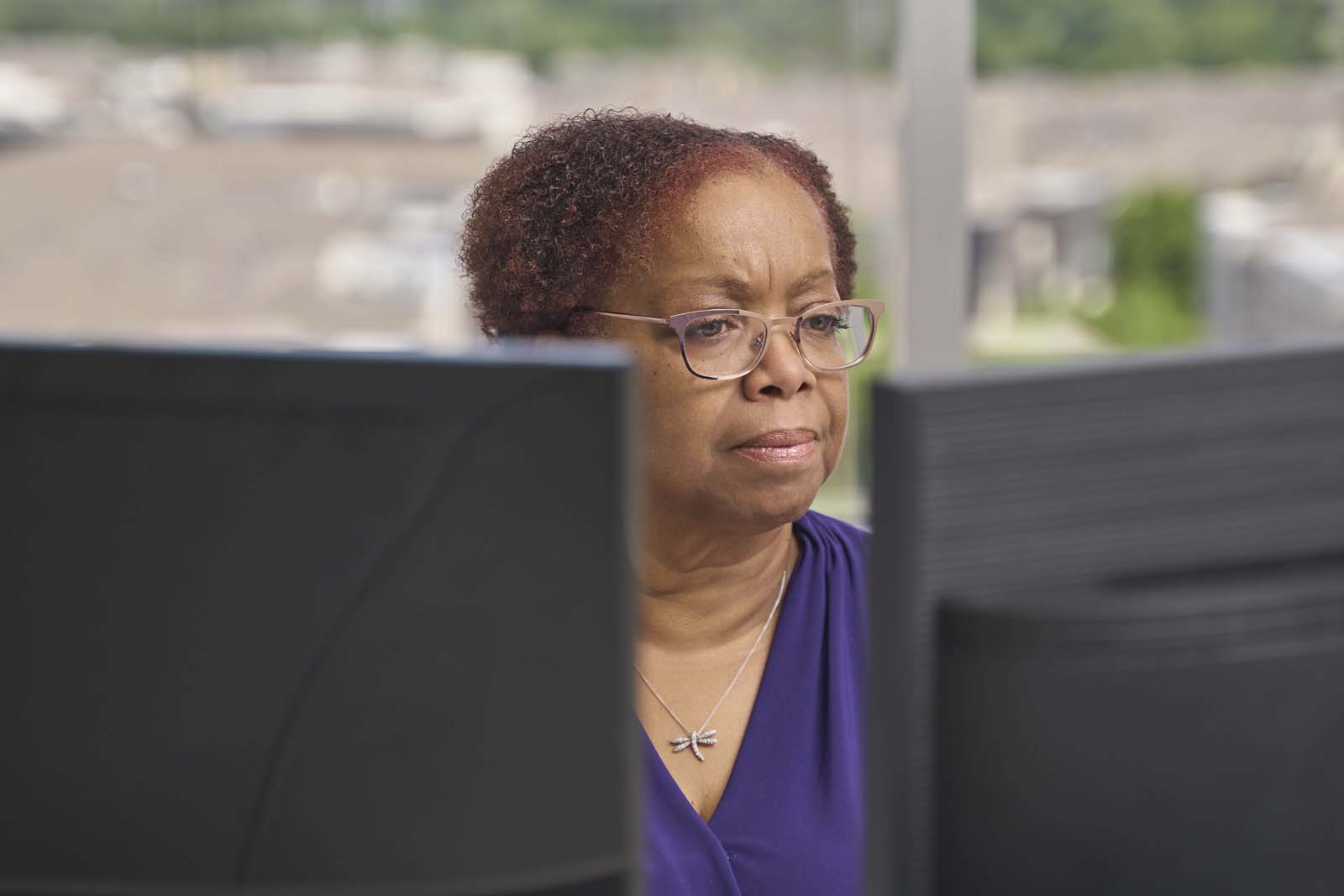
Photo: Core Visuals NYC
How Natural Light Became a Recruiting Differentiator in NYC
This sounds superficial, but natural light in office photos has become a subtle signal that separates companies candidates want to work for from companies they're interviewing with as a backup. Fluorescent-lit offices aren't a deal-breaker on their own, but when someone's choosing between offers and one clearly has floor-to-ceiling windows while the other looks lit for an interrogation, that detail matters more than most hiring managers admit.
This is where professional office photography earns its keep. We're not just documenting the space, we're capturing it in the light that makes it look like somewhere a person wants to spend a workweek. If the office has natural light, we shoot when it's doing its best work. If it doesn't, we bring lighting that reads warm and functional instead of institutional. The goal isn't to lie about the office. It's to show the honest, best version of the experience someone will actually have there.
Natural light is a small detail on paper, but it's the kind of thing candidates register consciously or not, and it feeds into whether they read your company as one that cares about the people in it or one that treats them as headcount.
The Diversity Signal Office Photography Sends
Every set of office photos makes a statement about who belongs at your company, and candidates read that message whether you send it on purpose or not. A company can be genuinely committed to a diverse team and still end up with office photos that show one demographic, because that's who was free when the photographer showed up. The intent doesn't matter to a candidate scrolling past. A qualified person who doesn't see anyone who looks like them quietly decides the company isn't for them.
The advantage goes to companies that think about who's in front of the camera before the shoot, not after. When a candidate sees people who look like them doing real, meaningful work in your photography, not standing at the edge of a group shot, that's the visual permission they need to picture themselves succeeding there. Done honestly, it isn't tokenism. It's a record of who already works at your company.
The same set of photos often gets reused past the careers page too, in CSR reports and DEI pages, so it's worth planning representation into the shoot from the start rather than trying to fix it in a second round later.
What Actually Works: Office Photography That Converts Candidates
The pattern across office photography projects is fairly consistent. The companies getting recruiting value from workspace photography are doing a few specific things differently, and none of them require a better office or a bigger budget. They shoot while people are actually working instead of staging empty rooms and hoping it reads as "dynamic." They show the ordinary moments that make up most of a workday, focused desk work, a hallway conversation, a team lunch, because that's what candidates are actually trying to evaluate.
They also keep the photography current enough to stay accurate. Nothing kills candidate trust faster than an interview where the office looks nothing like the careers page. Corporate office photography with us runs a flat $2,500 with a five-day turnaround, and commercial usage rights are included, so the same set can run on the careers page, LinkedIn, and a CSR report without a second license or a second invoice.
The math is straightforward even without a specific percentage attached to it: a better offer-acceptance rate on senior roles, where replacement recruiting is expensive, pays for the shoot several times over, before counting the candidates who apply in the first place because the office actually looks like somewhere they'd want to work.
The Remote Work Complication: When Office Photos Need to Justify the Commute
For NYC companies still asking people to come in, workspace photography has a harder job than it did five years ago. You're not just competing with other companies' offices, you're competing with a home setup the candidate has spent years optimizing exactly how they want it. Your office photos need to answer "why is this worth the commute" before the candidate even applies.
Companies doing this well aren't pretending the office is someone's living room. They show what the office gets you that home doesn't: the conversation that moves a project forward because two people happened to be standing in the same kitchen, the energy of working near people who care about the same thing. It's hard to capture, but done honestly it makes a real difference to whether a remote-capable candidate considers the role at all.
This is also where showing hybrid and flexible arrangements helps more than it hurts. If your office is half-empty on Mondays and full on Wednesdays, photograph that reality instead of hiding it. Candidates who want flexibility but are willing to come in for a real reason respond to honesty here. Pretending otherwise just makes them wonder what else isn't being shown straight.
Frequently Asked Questions
How does office photography help with recruiting?
It shows candidates what working at a company actually looks like before they ever sit down for an interview. Companies with real photography of their workspace, real people, real light, real culture, give candidates something honest to picture instead of an empty-room shot or no office content at all on careers pages and LinkedIn, because candidates are trying to picture themselves there long before they ever bother applying for the role.
What makes workplace photography look authentic instead of staged?
Real work already in progress instead of a posed group, natural light instead of flat flash, and people who were doing something when the camera showed up rather than arranged for it. Staged photography is easy for candidates to spot, everyone looking at the lens, suspiciously clean desks, and it quietly undercuts trust in the rest of the careers page. Authentic photography reads as evidence, not marketing.
How often should a company update its office photography?
Whenever the space or the team changes in a way that matters: after a renovation, after a round of significant hiring, or after how the office actually gets used shifts noticeably. Photography that's more than a couple of years old tends to create a credibility gap the moment a candidate shows up for an interview and finds the office looks different from what they were shown online during recruiting.
What's the difference between recruiting photography and general marketing photography?
Recruiting photography prioritizes people and culture: real employees, candid moments, the actual feel of a workday. General marketing photography prioritizes brand identity: clean compositions, polished framing, a controlled palette that stays consistent across the site. Using marketing photography for recruiting sends the message "we want to look good" instead of "picture yourself here," which is exactly the wrong message to send a candidate who's deciding between two offers.
Related Reading
Need a real number before you can plan the rest of the budget?
Give us the date, the run time, and the deliverables you're after, and we'll send back a quote with every line item spelled out.
Get a Quote