Photo by Peter Vang via Pexels.
A broker open house looks like one event from the sidewalk, but it's really two photo assignments sharing a single booking. The property has to look like the listing — empty, evenly lit, proportioned to sell the space. The event has to look like a launch — full, energetic, proof that people showed up. Getting both out of one booking is a sequencing problem, not a bigger-camera problem.
A broker open house or property launch is really two photo assignments booked as one: a listing shoot that needs empty rooms, even light, and wide angles that sell the space, and an event shoot that needs a full room, real guests, and candid energy that sells the buzz around it.
Table of Contents
- Two Jobs, One Booking: Why an Open House Shoots Like Two Different Events
- The Empty-Room Pass Happens Before the First Guest Arrives
- What Changes the Moment Doors Open
- Lighting the Same Rooms for Two Different Jobs
- What a Developer or Brokerage Actually Does With Each Set of Files
- Guest Privacy in a Room Full of Prospective Buyers
- The Punch List to Settle With the Listing Team Before Doors Open
- Booking It as One Job: Crew, Timeline, and Who Controls the Room
Two Jobs, One Booking: Why an Open House Shoots Like Two Different Events
A broker open house or property launch is really two photo assignments booked as one: a listing shoot that needs empty rooms, even light, and wide angles that sell the space, and an event shoot that needs a full room, real guests, and candid energy that sells the buzz around it.
Those two jobs pull in opposite directions on almost every technical decision. The listing pass wants nobody in frame, flat consistent light across every room, and enough time to reset a chair or fluff a pillow between shots. The event pass wants the opposite: people, motion, conversation, a room that reads as desirable because it's full rather than staged. Treating an open house as one continuous shoot means one of those jobs loses — usually the listing photos, because nobody wants to clear a crowded room for a tripod pass once guests have arrived. The fix isn't more gear or a bigger crew. It's sequencing: doing the listing pass first, while the property is still empty, then shifting into event mode once the doors open. That sequencing question is the spine of everything else in this post.
The Empty-Room Pass Happens Before the First Guest Arrives
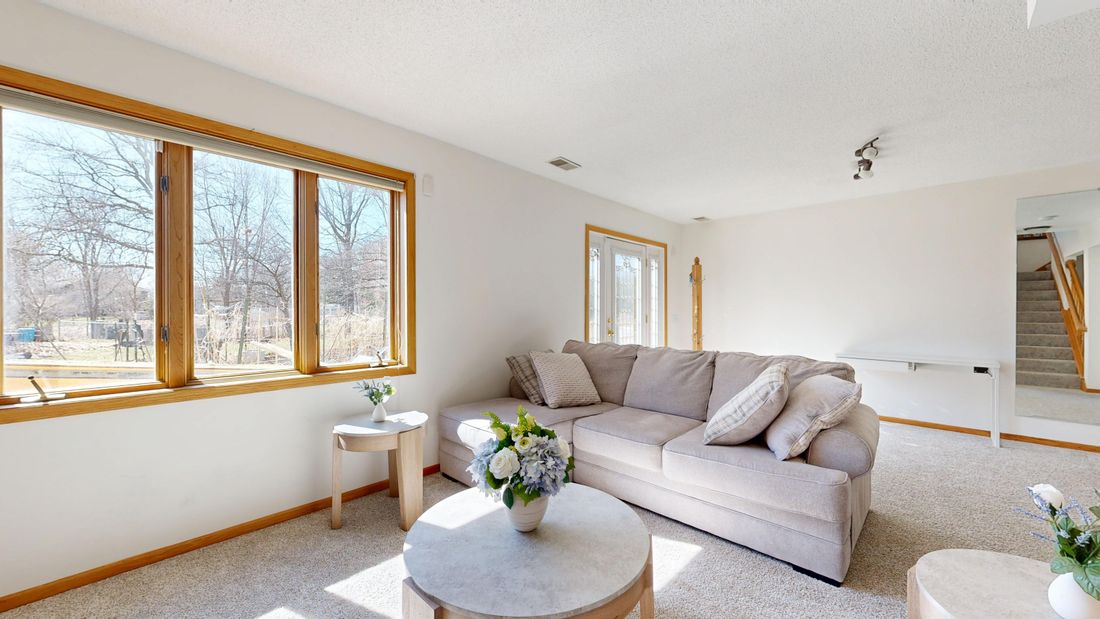
The listing photos get shot first, in the window between staging being finished and the first guest walking in, because an empty room is the only version of the space that will ever exist again that day. Once people are standing in it, that shot is gone until the next open house.
This window is usually short — sometimes thirty minutes, sometimes less if caterers or a bar setup are still finishing — which means the listing pass has to move room by room with a plan already set, not worked out on the spot. A wide shot of the main room, a straight-on shot of the kitchen, whatever the listing team flagged as the space that has to carry the marketing. Furniture gets a last check for a crooked lamp or a visible extension cord. Once that pass is done and the files are safe, the room can fill with people without costing the listing anything. Skipping this step, or trying to squeeze it in after guests arrive, is the single most common way an open house ends up with usable event photos and no usable listing photos at all.
What Changes the Moment Doors Open
Once guests start arriving, the job flips from documenting a space to documenting a room full of people moving through it — conversation at the bar, a broker walking a guest through a kitchen, a cluster of people on a terrace. The empty-room discipline from the first pass gets set aside entirely.
Composition changes too. A listing photo wants the room to read as spacious, which usually means shooting wide and low, with nothing blocking sightlines to windows or finishes. An event photo wants people to read as the subject, which means getting closer, working handheld, and accepting that a chair or a shoulder is now in the foreground because that's what an event actually looks like. Pacing changes as well — the empty-room pass can move at a deliberate, unhurried speed, while event coverage means staying mobile and reactive as the room fills and thins over the course of the evening. Both passes are still documenting the same property, but the goal has moved from selling square footage to selling the feeling of a room people want to be in.
Lighting the Same Rooms for Two Different Jobs
Listing photography wants flat, even, shadowless light that shows a room's true proportions and finishes — daylight through open blinds, supplemented evenly if needed. Event photography wants the opposite: the room's actual ambient lighting, whatever mood it was designed to create, left alone rather than flattened out.
That difference is why the empty-room pass often happens with blinds open and overhead lights adjusted for even coverage, while the event pass happens with the room set the way the host actually wants guests to experience it — dimmer, warmer, maybe with accent lighting the listing photos would have washed out. Shooting the event pass with the same flat lighting approach as the listing pass produces photos that look like a real estate walkthrough with people standing in it, which undersells the event. Shooting the listing pass with the moodier event lighting produces photos that undersell the property. Neither swap works, which is another reason the two passes need to be sequenced rather than blended into one continuous session under one lighting setup.
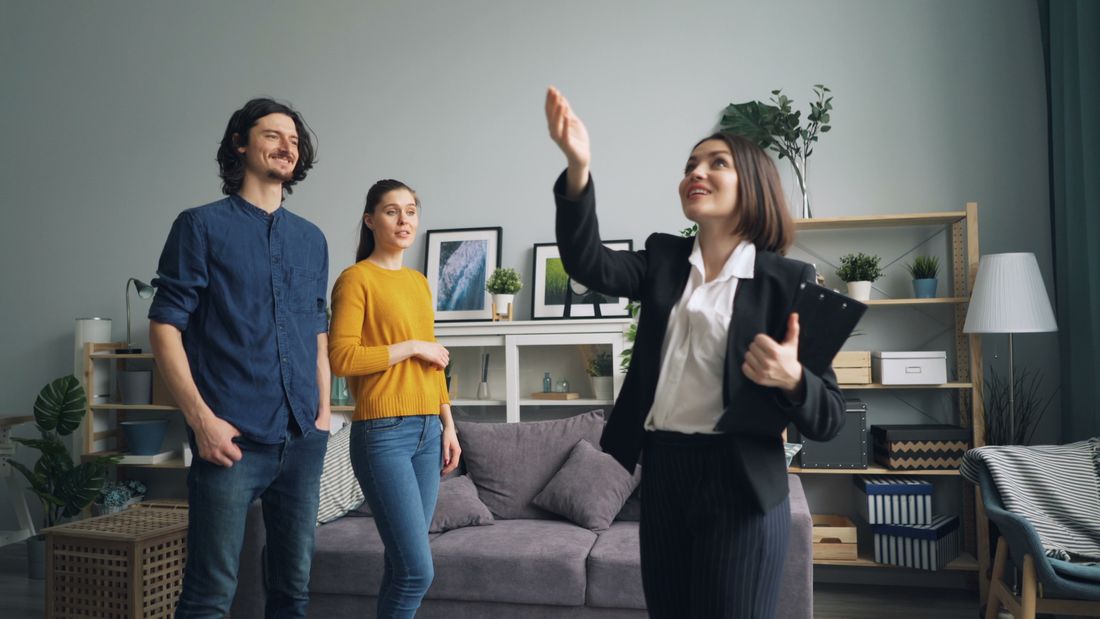
Photo by Vitaly Gariev via Pexels.
What a Developer or Brokerage Actually Does With Each Set of Files
The empty-room files typically end up on the listing itself — MLS, the brokerage website, a marketing deck — anywhere a buyer needs to evaluate the space on its own. The event files typically end up in follow-up emails, social posts, and internal recaps that show the launch had real turnout and real interest.
Those two audiences rarely overlap. A buyer scrolling listing photos wants to picture the empty space as their own; a person deciding whether to attend the next launch, or a broker's manager asking how the event went, wants to see a room full of people. Knowing which files feed which purpose ahead of time changes how the shoot gets planned — a brokerage that mainly wants proof of turnout for internal reporting needs fewer polished portraits and more wide crowd shots, while one building a listing-first marketing push needs the empty-room pass prioritized even if that means a shorter event window later. Asking the sponsoring team which set matters more before the shoot starts is worth more than guessing on the day.
Guest Privacy in a Room Full of Prospective Buyers
A property launch is full of people who came to evaluate a purchase, not to be photographed for marketing, and there's rarely a practical way to get a signed release from every guest in the room. That reality should shape how event photos get framed and used, not just how they get shot.
In practice, that means favoring wide crowd shots, backs of heads, and candid activity over tight, identifiable portraits of individual guests unless someone's clearly comfortable being photographed — a broker greeting people at the door, for instance. It also means checking with the listing team before any guest photo goes into paid advertising or a public social post, since general event documentation and a marketing campaign carry different expectations. None of this is a substitute for actual legal guidance on releases or local rules, which is outside the scope of a photography plan — it's simply the practical, common-sense posture that keeps a launch event's photos usable without putting a guest's privacy at risk over a single frame.
The Punch List to Settle With the Listing Team Before Doors Open
Before any camera comes out, the listing team and the photographer need to agree on a short list: which rooms get the empty-room pass, what time staging is actually finished, how long that window realistically is, and who has authority to say a room is ready.
Staging finishing "on time" is optimistic more often than not — a stylist adjusting flowers, a caterer setting up in the one room that was supposed to be done first, a rug that arrives late. Building in a buffer, and agreeing in advance on which rooms matter most if the buffer disappears, keeps the empty-room pass from turning into a scramble. It also helps to confirm who's allowed to move a chair, close a closet door, or ask a stylist to pause for two minutes — that's usually the listing agent or the stylist themselves, not the photographer making a unilateral call. Settling this beforehand, even in a five-minute conversation, is what keeps the first pass from eating into the actual event.
Booking It as One Job: Crew, Timeline, and Who Controls the Room
Covering both the empty-room pass and the live event usually works best as one continuous booking with a single photographer or a small team, rather than two separate vendors handing off mid-afternoon — the same eye that shot the empty kitchen understands what the room looked like before it filled.
The timeline matters as much as the crew size: arriving well ahead of the stated doors-open time, confirming the staging window on-site rather than trusting the schedule from a week earlier, and building a clear handoff point where the camera shifts from tripod-and-wide-angle mode into handheld event mode. A second shooter can help on a larger launch, splitting the empty-room pass and early guest arrivals so neither gets rushed, but it's not required for a smaller open house. What matters more than headcount is agreeing ahead of time on who calls the transition from listing mode to event mode, so the shift happens on purpose instead of getting missed in the middle of a busy room.
Frequently Asked Questions
How much time should be planned between staging finishing and doors opening for the listing photos?
There's no fixed number, but a realistic buffer matters more than a precise one — staging often runs later than scheduled. A useful approach is confirming the actual staging finish time on-site rather than trusting a schedule set days earlier, then treating whatever window remains as the listing pass, prioritizing the rooms the listing team flagged as most important if that window ends up short.
Can the same photographer shoot both the empty-room listing photos and the live event?
Yes, and it's often the better approach — one photographer who shot the empty rooms understands what the space looked like before guests arrived, which helps frame event photos that still flatter the property. A larger launch may benefit from a second shooter to cover early arrivals while the first finishes the listing pass, but a single photographer handles most open houses fine with the right sequencing.
Do event photos from an open house need signed releases from every guest?
Getting a release from every attendee at a property launch usually isn't practical, so the safer approach is favoring wide crowd shots and candid activity over tight, identifiable portraits unless someone is clearly comfortable being photographed. Checking with the listing team before any guest photo goes into paid advertising is worth doing, though specific legal requirements around releases are outside what a photography plan can advise on.
What should get decided with the listing team before the shoot, not during it?
Four things: which rooms get the empty-room pass, when staging will actually be finished, how much buffer exists if that time slips, and who has the authority to adjust a room — move a chair, close a door, pause a stylist for two minutes. Settling these in a short conversation beforehand keeps the listing pass from eating into the event once guests actually start arriving in numbers.
Why can't the same lighting setup work for both the listing photos and the event photos?
Listing photography wants flat, even, shadowless light that shows a room's true proportions, usually daylight balanced evenly across the space. Event photography wants the room's actual ambient mood left alone — dimmer, warmer, whatever the host designed. Using one setup for both either flattens the event's atmosphere or leaves the listing photos looking uneven, so the two passes need separate lighting approaches even in the same rooms.
Related Reading
Not sure if hourly or a package makes more sense for your event?
Tell us the expected length, and we'll run the actual numbers before you book.
See Event Coverage Packages