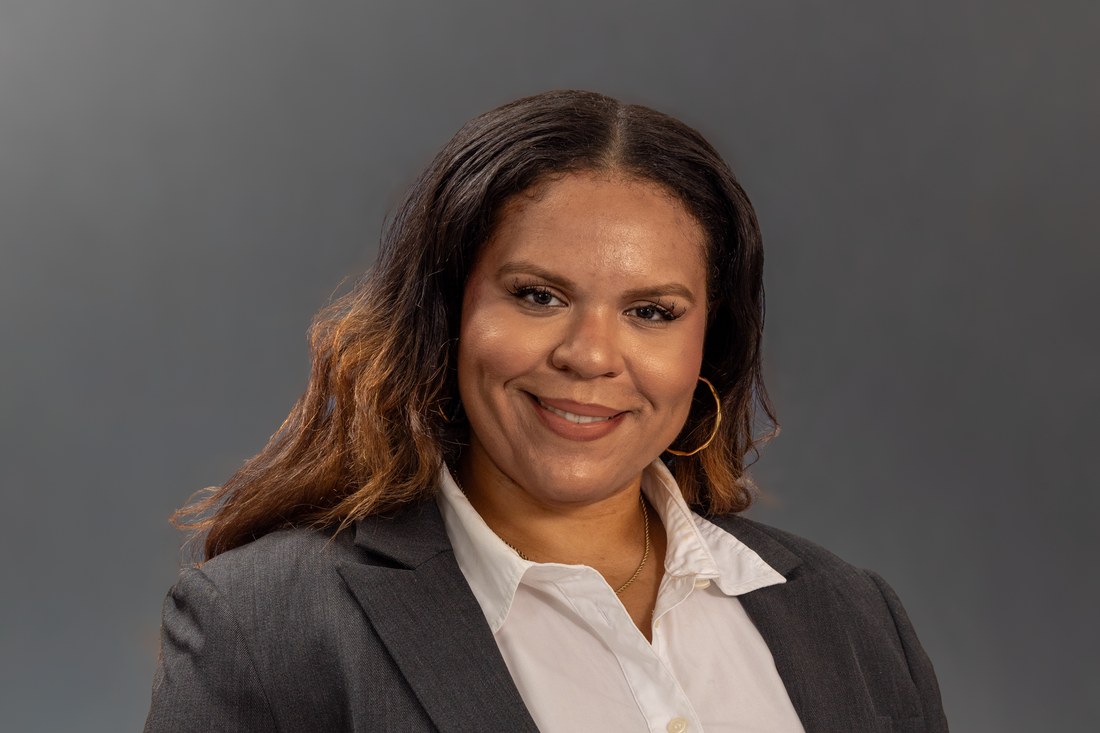
Photo by Sean P. Twomey via Pexels.
A PR or communications agency sells other companies on how to look credible in front of a camera, a journalist, or a room full of reporters. Then it comes time to photograph the agency's own team, and the whole exercise turns inward. Nobody on staff is a passive subject. Everyone has sat behind the camera conceptually for someone else's launch, someone else's crisis, someone else's speaker submission, and they know exactly what good looks like and exactly what a bad headshot signals to a journalist scanning a byline. That makes a comms team's own team page one of the hardest briefs we take on, not because the photography is more difficult, but because the audience grading it is the least forgiving one we'll ever shoot for.
PR and communications agency headshots need a register between corporate-lawyer authority and startup-casual: media-literate, current, and warm enough that a journalist opens the attached email. The session also has to plan for staff who will art-direct themselves, portraits that double as byline crops and speaker submissions, and a team that turns over faster than most client rosters.
Table of Contents
- Why a PR Team's Own Headshots Are the Hardest Brief We Take
- The Register: Not Lawyer, Not Startup
- They Will Art-Direct Themselves, and That's a Good Thing
- One Portrait, Three Jobs: Byline, Deck, Speaker Submission
- Planning for a Team That Turns Over Fast
- This Isn't the Media-Ready Executive Portrait, and That's Fine
- Getting Wardrobe and Background Right for This Register
- Treat It as a System, Not a One-Time Event
Why a PR Team's Own Headshots Are the Hardest Brief We Take
A PR or communications agency spends its days coaching other companies' executives on how to read as credible on camera, and that expertise turns inward the moment someone proposes a team headshot day. Nobody on staff is a passive subject here. Most people in the room have an informed opinion about lighting, framing, and tone, because forming exactly that opinion on someone else's behalf is the job.
That changes what the shoot is for us. A generalist office will mostly defer to a photographer's read of what looks professional. A comms team won't, because they've talked a nervous executive out of a stiff pose, or watched a client's headshot underperform because the register was wrong for the audience reading it. They arrive with a sharper sense of what fails than most clients we shoot.
The upside of that scrutiny is a brief that's already half-written. The work on our end is matching craft to a team that speaks the language fluently, not simplifying the process for a room that needs convincing first.
The Register: Not Lawyer, Not Startup
The right register for a PR or communications team's headshots sits between two failure modes: it can't read as corporate-lawyer authority, stiff and closed off, and it can't read as startup-casual, which undersells a team whose job is being taken seriously by journalists and clients on the same day. The target is media-literate and current, warm enough that the portrait feels like an invitation to a conversation rather than a formal notice.
Lawyer-authority portraits work when the message is institutional weight: arms crossed, dark suits, a background that says the firm has been here longer than the client's problem. That register reads as closed off on a comms team, whose actual daily work is opening doors at other outlets. Startup-casual, on the other hand, undercuts a team that needs a journalist or a prospective client to trust their judgment on a first email.
What lands in between: real expressions instead of a held smile, clothing that looks like what the person actually wears to a client meeting, and a background plain enough to age well across a few years of masthead changes. It should look like the person, on a good day, mid-thought.
They Will Art-Direct Themselves, and That's a Good Thing
When the subjects are professional communicators, the session runs differently from a typical corporate shoot because people will art-direct themselves. Staff show up with opinions about their angle, their better side, the crop they've seen work on a colleague's LinkedIn, and a clear sense of which of their own expressions reads as approachable versus which one reads as posed. That's useful, and it changes how we run the room.
Instead of directing from a blank slate, we're negotiating with people who already have a reference point in mind, often a specific portrait they admired somewhere else. Some of those references are worth honoring. Some come from a platform's cropped thumbnail rather than the original photograph, and part of the job is explaining why a pose that worked square won't hold up at full frame or on a printed program.
The better approach is treating each person's input as a starting brief, not a request to simply replicate. We shoot a wider range of expressions than a typical corporate session so the person doing final selects, whether that's them or someone in marketing, has real options instead of one frame everyone has to accept.
One Portrait, Three Jobs: Byline, Deck, Speaker Submission
A single PR team headshot has to work as more than a team-page photo: the same frame gets cropped for a byline, dropped into a pitch-deck slide next to a client logo, and submitted to a conference organizer as a speaker photo, often without anyone reshooting it for each context. That triple duty is specific to this kind of team, and it changes how we compose and select from the start.
A portrait built for one purpose alone tends to fail the others. Framing too tight for a team-page grid leaves nothing to crop into for a byline. A pose that reads well head-on can go flat once it's shrunk into a slide corner. We shoot with enough headroom and a background simple enough that a later crop, whatever shape it needs to take, still holds together instead of clipping an ear or crowding the subject's face.
We don't promise a specific pixel spec for any platform, because those change and we'd rather be honest than confidently wrong. What we can promise is a frame loose enough, and a background plain enough, to survive being cropped somewhere we didn't plan for.
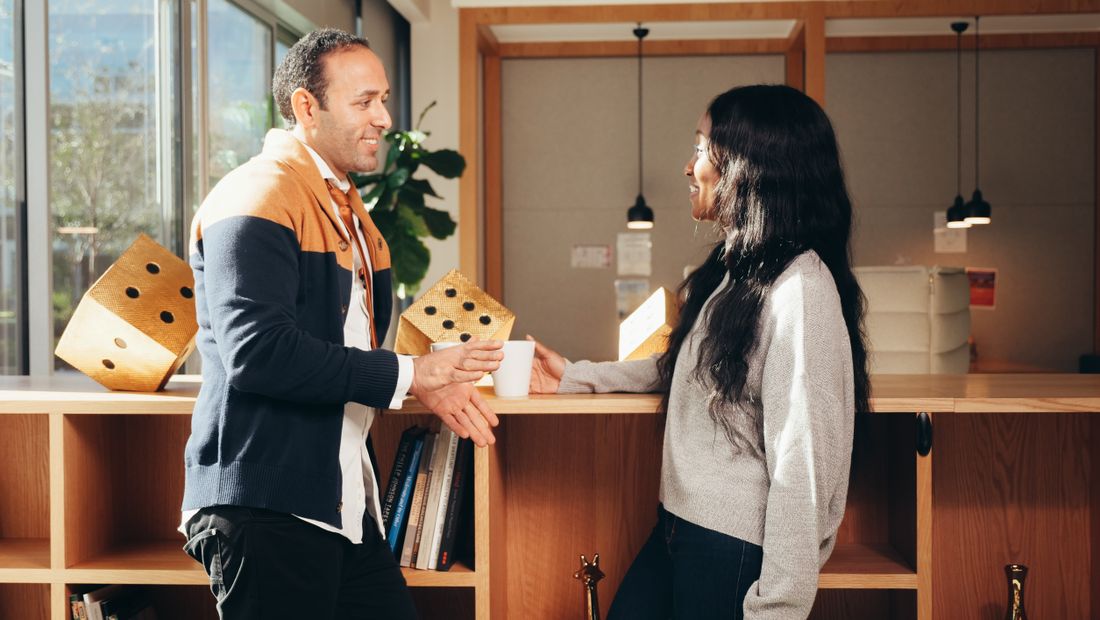
Photo by Kindel Media via Pexels.
Planning for a Team That Turns Over Fast
A PR or communications agency's roster turns over faster than most professional-services teams, closer to the churn of an ad agency than the tenure of a law firm, which means the team photo set is never really finished. New hires need to be added, departures need to be pulled, and the whole set needs to still look like one shoot two years and several staff changes later.
The fix isn't shooting more often, it's shooting to a spec that a future, smaller session can match exactly: the same background treatment, the same distance from camera, the same light setup, and the same crop ratio, documented well enough that a one-person add-on shoot next spring produces a frame that sits next to last year's without anyone noticing the gap.
We treat the first session as the one that sets the standard, not the one that has to include everybody forever. A written spec means new hires can be folded in a few at a time instead of waiting for a full reshoot that never quite gets scheduled.
This Isn't the Media-Ready Executive Portrait, and That's Fine
This post is about the portrait a PR or communications agency needs for its own team, which is a different job from the portrait that same agency commissions for a client's spokesperson. Media-ready executive portraits are built around one person's public moment: a launch, a crisis response, a specific press cycle. A comms team's own headshots have to hold up quietly for years with no news cycle attached.
The two briefs share vocabulary, media-literate, camera-comfortable, current, but they optimize for different things. A client's executive portrait can afford to be a little more composed and a little more occasion-specific, because it's built around a moment the agency controls. The agency's own team photo has to work on an ordinary Tuesday, in a masthead grid, next to twelve other people's faces, with none of the staging a single press moment allows.
If your agency is also fielding requests to shoot a client's spokesperson for media use, that's a separate conversation with a separate brief, not an extension of the team-page shoot.
Getting Wardrobe and Background Right for This Register
Wardrobe and background choices are where a PR team's headshots most often drift toward one of the two failure modes, stiff or startup-casual, so we treat both as deliberate decisions rather than defaults. The goal is clothing that matches what the person actually wears into a client meeting, and a background plain enough to not date the photo or compete with the client logos it'll eventually sit near.
We ask people to bring what they'd wear to pitch a new client, not a suit reserved only for photo day and not the jeans they'd wear internally on a Friday. That single instruction does more to fix the register than any lighting choice, because clothing signals context faster than expression does. A blazer over a plain top reads as prepared without reading as formal.
Backgrounds stay simple and neutral on purpose. A busy office backdrop dates quickly as the space changes, and a heavily branded backdrop competes with every other logo the photo eventually sits beside on a slide or a press page.
Treat It as a System, Not a One-Time Event
Running this as a system, not a one-off event, is what actually keeps a PR team's photos consistent given how often the roster changes. That means documenting the setup, backdrop, distance, and light the first time so it's repeatable, then booking shorter add-on sessions on a regular cadence instead of waiting until enough new hires pile up to justify a full reshoot.
A single all-hands shoot day works well for the initial set, since it gets the whole current team photographed together under identical conditions in one sitting. After that, we've found smaller top-up sessions, four or five new hires at a time, keep the set current without the scheduling weight of pulling the entire agency away from client work twice a year.
The team that treats this as infrastructure, a documented spec anyone can execute against, spends less time managing photo day and more time on the work the photos are meant to support. The team that treats it as a one-time project ends up quietly out of date within a year.
Frequently Asked Questions
What's the right tone for a PR agency's own team headshots?
Media-literate and current, warm enough that a journalist opening the attachment feels invited rather than notified. Avoid both failure modes: corporate-lawyer authority, which reads as closed off for a team whose job is opening doors at other outlets, and startup-casual, which undersells a team that needs to be trusted on a first email. Real expressions, wardrobe the person actually wears to client meetings, and a plain background that ages well all support that middle register.
How is this different from a media-ready executive portrait?
A media-ready executive portrait is what a comms team commissions for a client's spokesperson, built around one person's public moment like a launch or a press cycle. This is the portrait the comms team needs for its own staff, which has to hold up quietly for years with no news cycle attached, sitting in a masthead grid next to a dozen colleagues instead of anchoring a single press moment.
Why do PR team headshots need to work as a byline photo and a speaker submission?
Because the same frame usually gets reused across contexts without a reshoot: a team page, a byline crop, a pitch-deck slide, a conference speaker submission. A portrait composed only for one of those, tight framing built for a team grid, for example, tends to fail the others when it's cropped or resized later. Shooting with extra headroom and a simple background lets one frame hold up across all of them.
How often should a PR agency reshoot team headshots given how often staff changes?
Most agencies don't need a full reshoot on a fixed calendar. A better approach is one all-hands session that sets the visual standard, then smaller top-up sessions a few times a year for new hires, run against the same documented spec for background, distance, and light. That keeps the set current without pulling the whole team away from client work every time someone new joins.
Should PR staff have input on their own headshot poses?
Yes, and expect more of it than a typical corporate client offers. Communications professionals usually arrive with a clear sense of their own better angle or a reference photo they admire, since forming that judgment for someone else is their daily work. Treat that input as a starting brief rather than a request to copy exactly, since a reference pulled from a cropped thumbnail doesn't always hold up at full frame.
Related Reading
Booking headshots or a brand video for your team?
Tell us how many people and whether you need photo, video, or both, and we'll send back a fixed price with the volume discount already applied.
See Headshots & Brand Videos