Photo: Core Visuals NYC
A donor makes a named gift, the nonprofit plans an unveiling, a photographer gets booked, and everyone assumes the photo question is handled. It isn't. The ceremony photographer is there to document the plaque and the room, not to give the donor a portrait they'd actually want to use. That gap doesn't show up until six months later, when someone needs a bio photo for a board deck and the only option on file is a wide shot of a ribbon-cutting.
The photos from a donor wall unveiling belong to the nonprofit and document the ceremony, not the donor. A donor who wants their own usable portrait, one for board bios, press mentions, or their own site, needs a separate, shorter session built around them as a person rather than as an event to be documented. It's a different deliverable, and it's worth booking on purpose instead of assuming the ceremony coverage will double as both.
Table of Contents
- What is donor personal-brand content, and how is it different from event coverage of the naming?
- Why doesn't the ceremony photography end up serving the donor's own visibility needs?
- What does this content actually get used for once the ceremony is over?
- Why does this content need to stay away from the podium, the plaque, and the ceremony staging?
- How is this different from a nonprofit staffer's own portraits for grant-seeking?
- When should this session happen relative to the unveiling: before, after, or the same visit?
- Who typically commissions and pays for this: the donor, their office, or the nonprofit?
- What tone should this content strike so it supports the cause without upstaging it?
What is donor personal-brand content, and how is it different from event coverage of the naming?
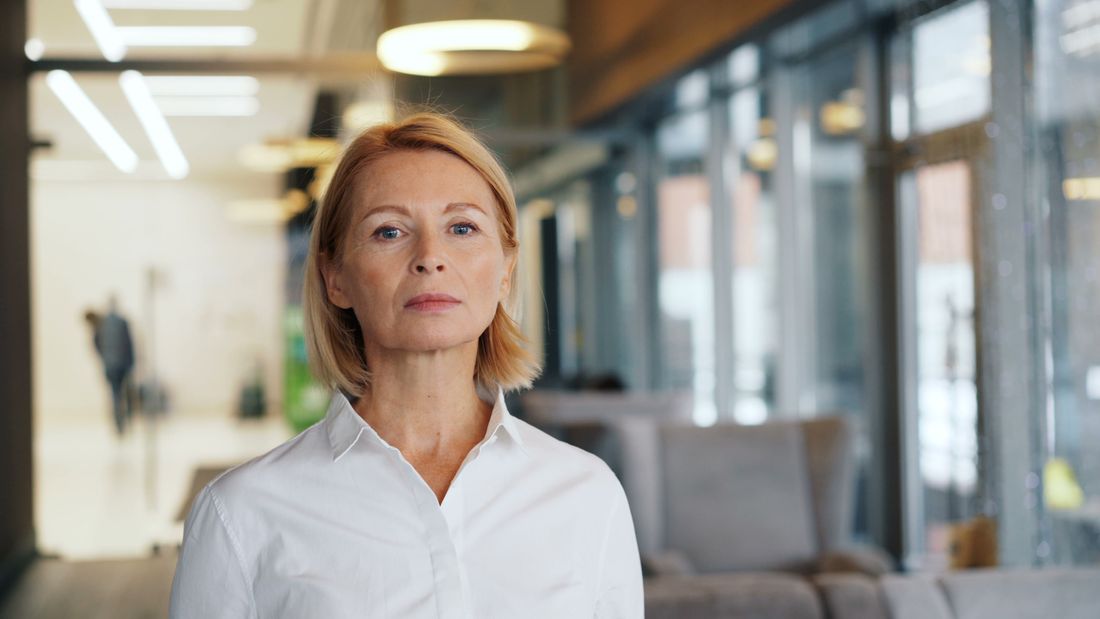
Donor personal-brand content is a set of portraits, and sometimes short video, built around the donor as a person rather than around the ceremony that thanks them. It answers a different question than event coverage does: not what happened at the unveiling, but who is this person, in an image they'd actually choose to use.
Event coverage of a naming ceremony is there to document the room: the plaque unveiled, the remarks given, the donor and the executive director shaking hands in front of a wall with a name on it. That's real, useful work, and it's what the nonprofit needs for its own archive and its own press release. It was never built to answer a different, quieter question that shows up later: does this donor have a portrait of themselves they'd be comfortable sending to a journalist, or using on a fund's own site, without a plaque or a ribbon in the frame. Most of the time, they don't, because nobody booked that separately.
Why doesn't the ceremony photography end up serving the donor's own visibility needs?
Ceremony photography is shot for the nonprofit's archive and the nonprofit's story, so the donor appears in it as a supporting figure, usually mid-gesture, often at a podium, almost never in a frame built to flatter them specifically. That's not a flaw in the coverage. It's simply not what the coverage was hired to do.
A photographer working a naming event is watching for the moment the plaque comes off the wall, the applause, the handshake, the group shot with the board. Those are wide, event-paced frames, shot fast, covering a room full of people who all need to be represented fairly. A donor rarely gets more than a few seconds of dedicated attention inside that flow, and whatever comes out of it is a documentary photo of an event, not a considered portrait. When someone later goes looking for a donor photo that could run next to their name in a magazine profile or on a foundation's leadership page, the ceremony archive usually can't supply one that reads as intentional rather than incidental.
What does this content actually get used for once the ceremony is over?
This content typically ends up in board materials, press mentions, a foundation or family office's own site, and the donor's personal or professional profiles. It's the photo that has to keep working long after the unveiling day is a memory, in places that have nothing to do with the nonprofit's own channels.
A board deck introducing new trustees needs a clean headshot, not an event crop. A journalist writing about a gift will ask for a photo, and a well-lit portrait gets used; a grainy still pulled from event coverage usually doesn't. A donor's own site, if they run a family office or a foundation, needs imagery that represents them as a person making decisions, not as a guest at someone else's event. None of these uses are about the nonprofit at all, which is exactly why the nonprofit's own event photographer was never the right person to solve for them in the first place. The image just has to hold up on its own, years after the specific gift that prompted it.
Why does this content need to stay away from the podium, the plaque, and the ceremony staging?
A donor's own portrait needs to work in contexts that have nothing to do with the gift that prompted it, and a photo with a visible plaque or podium ties it permanently to one specific event and one specific institution. A portrait without that staging travels further and lasts longer.
Think about where this photo actually lands: a press bio five years from now, a different foundation's site, a magazine profile about the donor's broader philanthropy rather than this one gift. A plaque in the background dates the image and narrows its use to a single context, the same way a wedding photo makes an odd choice for a professional profile. The setting that works instead is closer to a standard executive portrait: natural light, a warm and confident pose, no signage, no ribbon, nothing that ties the frame to one afternoon. It's a small production choice with a long shelf life attached to it, and it costs nothing extra to get right the first time instead of reshooting later.

Photo by Mikhail Nilov via Pexels.
How is this different from a nonprofit staffer's own portraits for grant-seeking?
The two look similar on a call sheet, a well-dressed adult in a portrait setting, but the money and the purpose run in opposite directions. A staffer's grant-seeking portrait supports the nonprofit asking for funding. A donor's personal-brand content supports someone who already gave, building their own separate visibility.
An executive director's headshot exists because a foundation or a grant committee wants to see the face behind an application, and it's the nonprofit's own tool for raising more money. A donor's content isn't raising anything for the nonprofit at all; it's giving an individual who already wrote a check a usable image for their own bio, press mentions, or site. Booking the two under the same instinct is an easy mistake, because both are portrait sessions of a professional adult indoors. The commissioning reason and who benefits from the result are the parts that actually separate them, and that's worth being clear about before anyone books a session, since it changes who's paying and what the images are ultimately for.
When should this session happen relative to the unveiling: before, after, or the same visit?
Either before or shortly after the ceremony works, as long as it's booked as its own separate session rather than squeezed into the ceremony's own schedule. What matters more than timing is that it's not treated as five spare minutes inside an already-busy event day.
Booking it in the days before the unveiling means the donor isn't rushed, isn't dressed for a ceremony crowd, and can pick a setting that has nothing to do with the event itself, which usually produces a calmer, more usable result. Booking it shortly after works too, and has the advantage of the donor already being camera-ready and thinking about the gift. What doesn't work well is trying to fold it into the unveiling day itself, competing with a room full of guests, a program running on a schedule, and a ceremony photographer who has an entirely different job to do at the same time. A rushed ten minutes squeezed between remarks rarely produces a portrait anyone wants to keep using for the next several years.
Who typically commissions and pays for this: the donor, their office, or the nonprofit?
Most often it's the donor themselves, or their family office or foundation, since the content exists for their own use rather than the nonprofit's. Occasionally a nonprofit will offer to arrange it as a courtesy to a major donor, but the bill and the usage rights should sit with whoever the photos are actually for.
A donor with an active public profile, someone who sits on other boards, gives elsewhere, or gets quoted in coverage of their giving, usually already has a sense that their image needs upkeep, and this becomes one more line item they book directly. A family office handling a donor's public presentation might commission it as part of a broader personal-brand refresh. A nonprofit can certainly recommend a photographer or make an introduction as a thank-you gesture, but treating the session as the nonprofit's expense muddies who the deliverable actually belongs to, and who gets to decide how the images are used later, long after the gift itself has stopped being news.
What tone should this content strike so it supports the cause without upstaging it?
The tone should read as warm and credible rather than triumphant, closer to a considered professional portrait than a victory shot. The gift is the story; the donor's photo just needs to hold up next to that story without competing with it for attention.
A donor portrait that looks like a campaign launch or an award ceremony can read as self-promotional next to a gift meant to serve an institution, even when that's not the intent at all. The safer register is quieter: good light, a genuine expression, a setting that suggests a real working or personal life rather than a stage. A candid moment, reading or in conversation, often does more work here than a formal posed shot, because it signals a real person rather than a donor performing gratitude for the camera. Getting this tone right is less about the photographer's skill and more about picking a setting and a mood that match the size of the gesture, not exceed it.
Frequently Asked Questions
Does the donor need to be photographed at the unveiling itself for this content?
No, and it's usually better if they aren't. The unveiling produces its own set of ceremony photos for the nonprofit's archive, shot fast and event-paced. This is a separate, calmer session, ideally scheduled in the days before or after, without a plaque, a podium, or a room full of guests competing for the frame the way they would at the actual event itself, which tends to produce a calmer, more usable result overall.
How many images does a donor typically need from a session like this?
Most donors need a small, focused set rather than a full gallery: one strong hero portrait for a bio or press use, and a couple of candid alternates for variety across a board deck, a site, and social profiles. A short, efficient session covers this without needing a full day, and most of that time goes to lighting and setting, not to shooting dozens of poses.
Should the nonprofit be involved in choosing what this content looks like?
Only loosely, if at all. The nonprofit can offer a referral or a preference on tone if asked, but the images belong to the donor and serve the donor's own uses, not the institution's. Treating it as a nonprofit-directed shoot risks pulling the result back toward ceremony staging, which defeats the entire point of booking it as its own separate session in the first place.
Can this content include the donor's family or business partners?
It can, if that reflects how the donor actually wants to be represented publicly. A family portrait or a shot with a business partner works fine as an alternate image, as long as the core deliverable is still a usable individual portrait for bios and press. Decide the mix upfront so the session doesn't spend all its limited time on group setups instead of the individual portrait that has to carry most of the actual use.
How is this priced relative to a standard executive headshot session?
It's close in scope to a standard headshot or personal-brand session, since it's the same basic setup: one subject, one or two settings, a short shoot, and light editing on a small set of images. It's not priced like event coverage, which involves a longer day and a much wider set of deliverables. Ask for a quote against the narrower, personal-portrait scope specifically, rather than assuming a nonprofit's own event rate applies.
Related Reading
Planning founder content or a launch and unsure what to actually shoot?
Tell us where the images or video will run, site, LinkedIn, press, or a launch page, and we'll scope it with a fixed price before you book anything.
See Personal Branding & Launches